The Books of Kings · Horeb
The stillsmall voice.
The day after the greatest victory of his life, Elijah sits down under a desert bush and asks to die. What God does about it is the tenderest thing in the book. Every scene below is a real frame from our animated film.



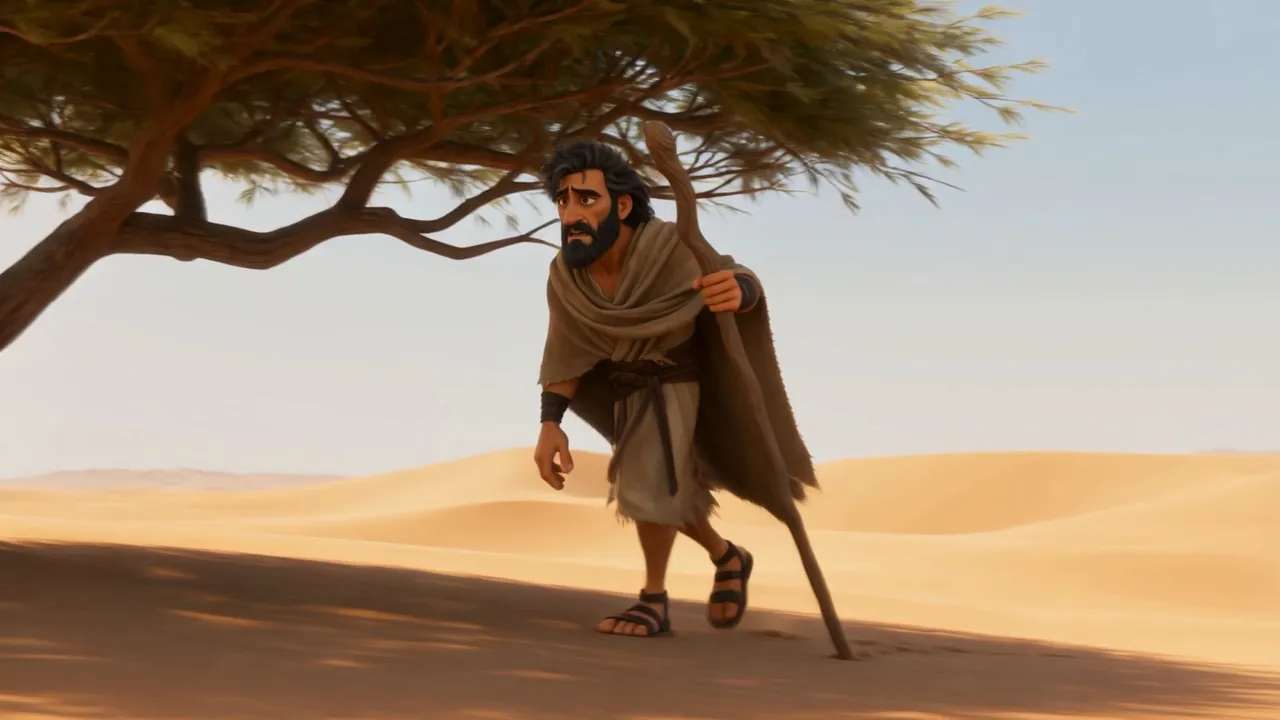
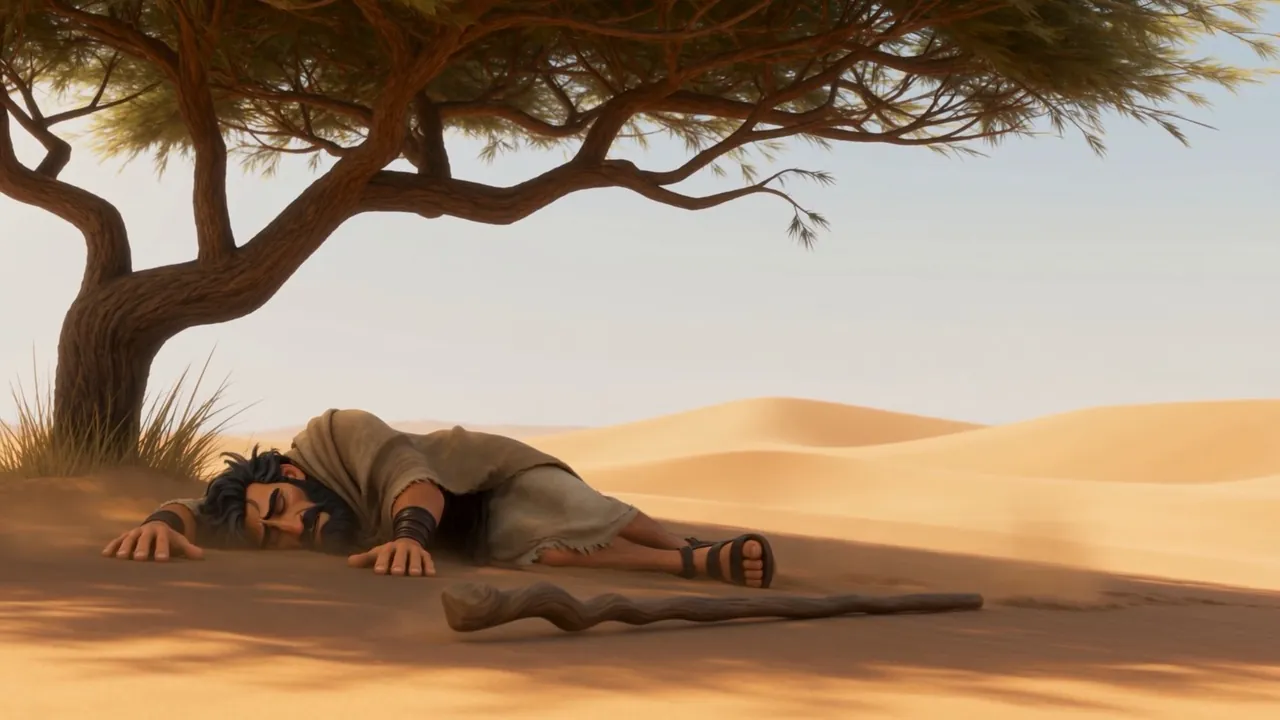
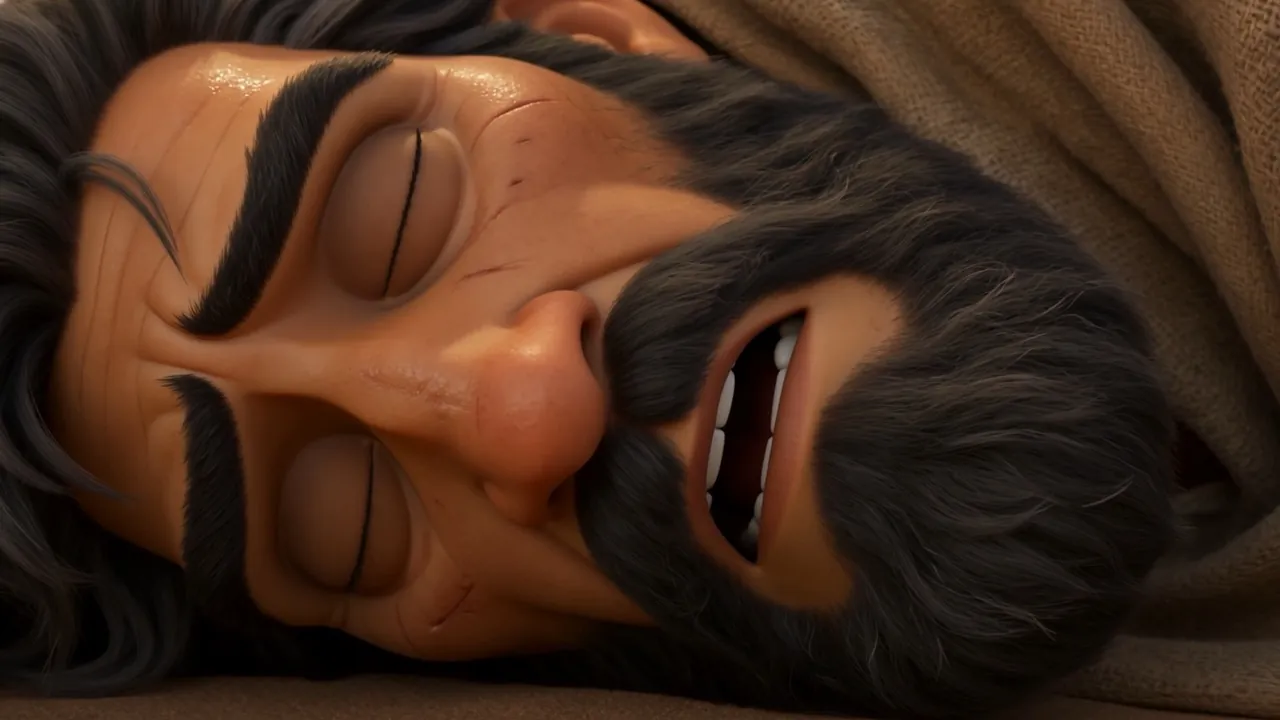
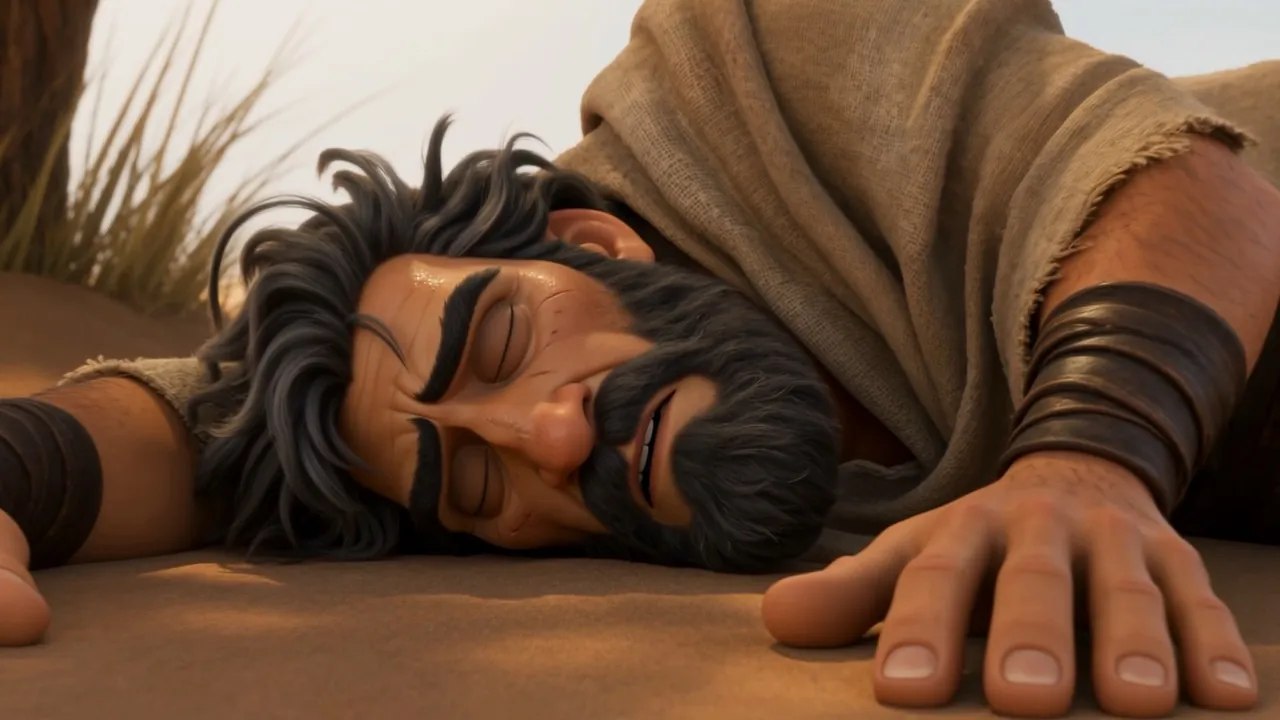
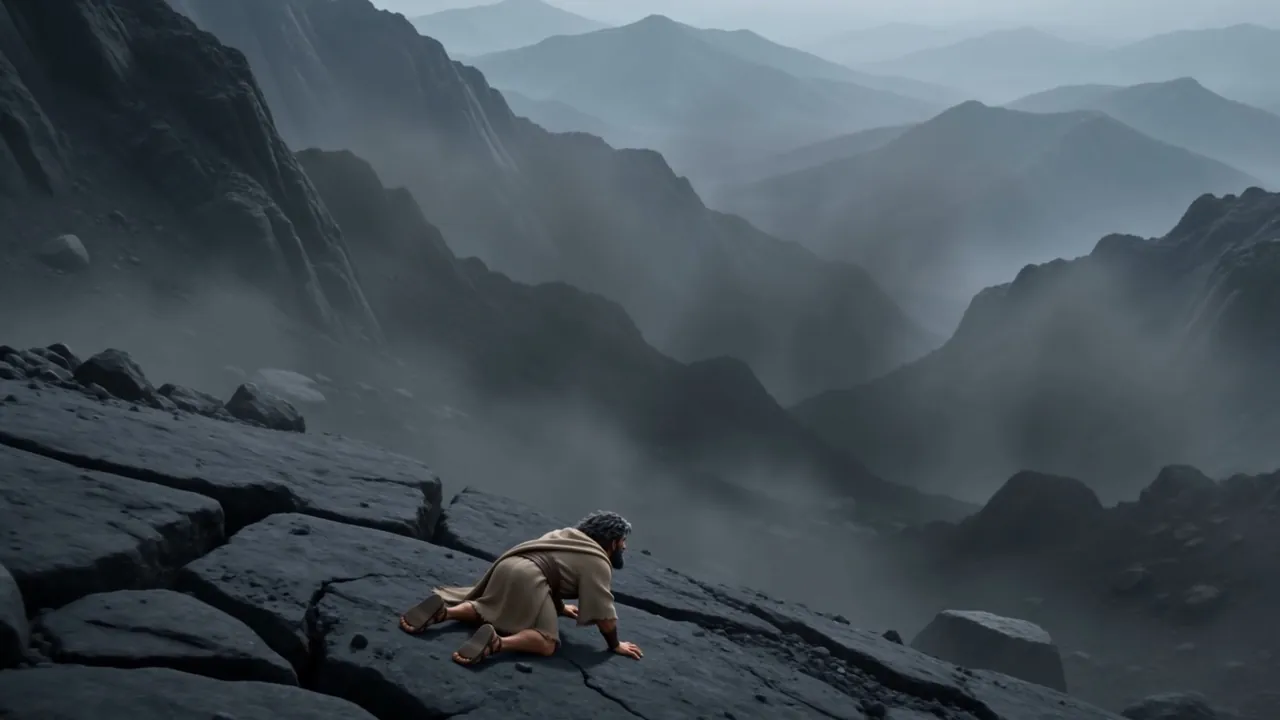
He ran a day into the wilderness past Beersheba and stopped where the shade stopped — one broom tree in an ocean of sand. And the man who had just called fire out of heaven sat down under it and asked that he might die: “It is enough. Now, O Yahweh, take away my life; for I am not better than my fathers.” Not a crisis of faith. Just a man at the end of himself. 1 Kings 19 : 4
“It is enough. Take away my life.”
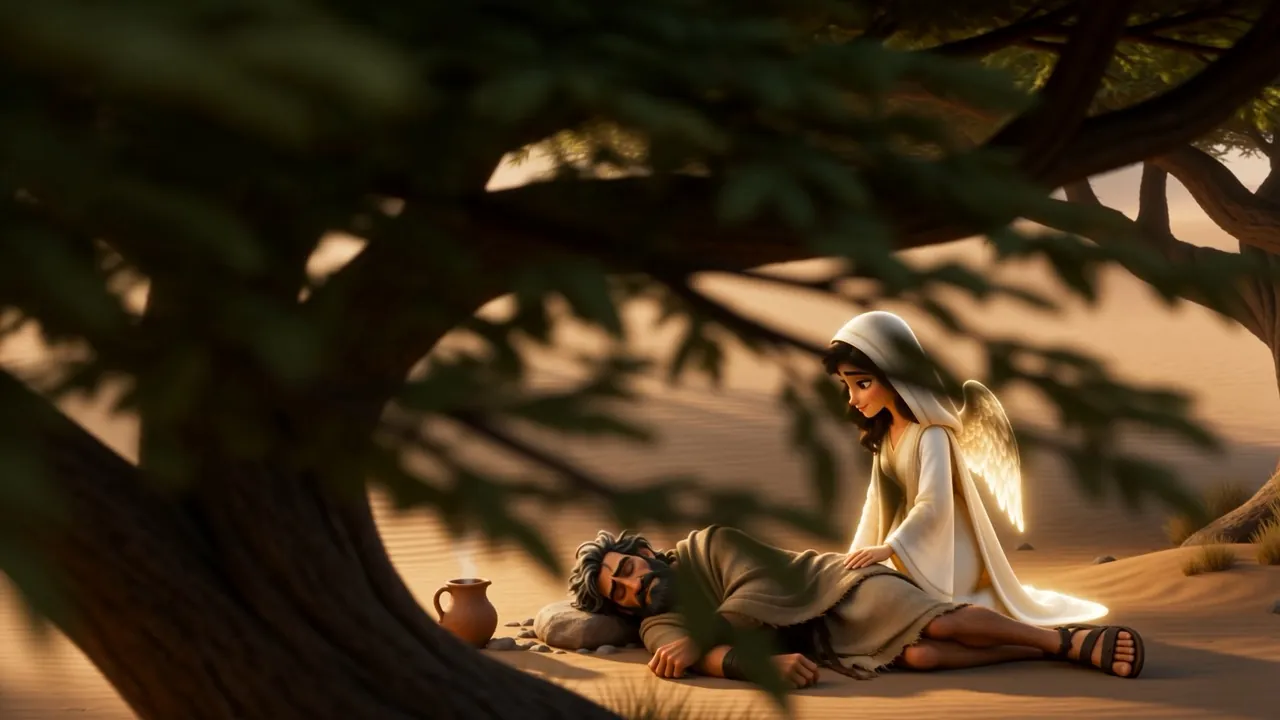
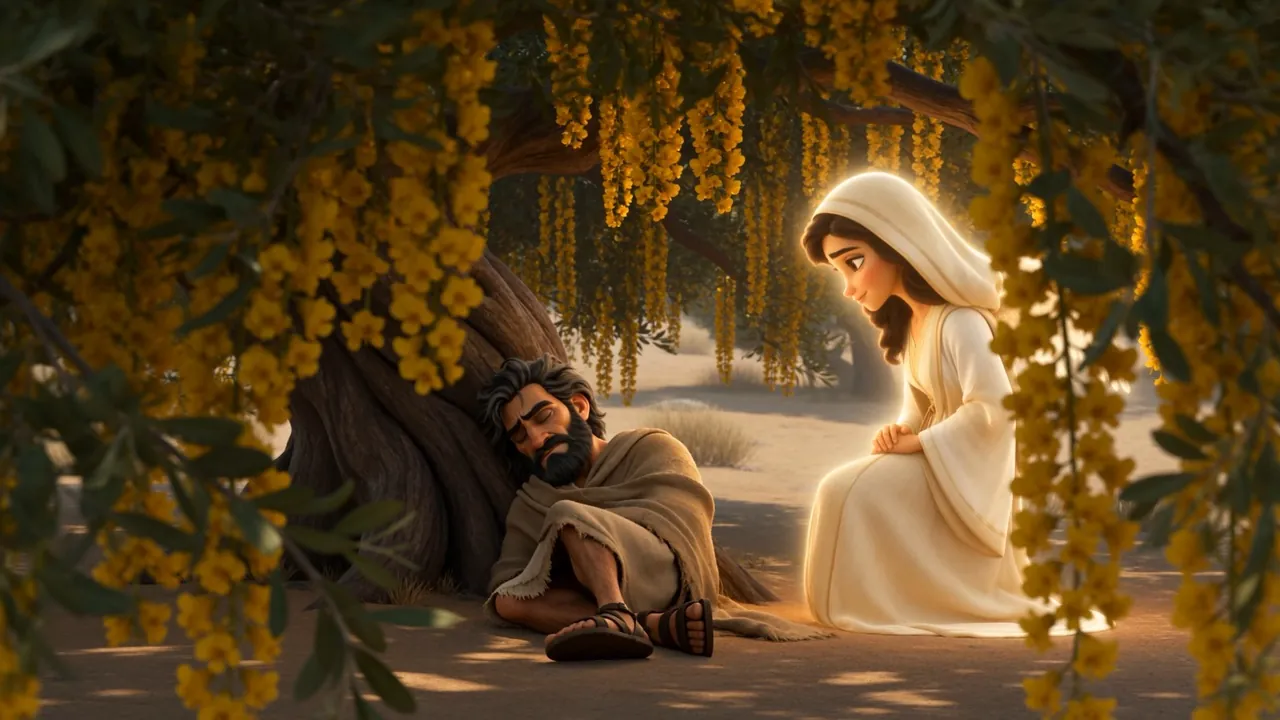

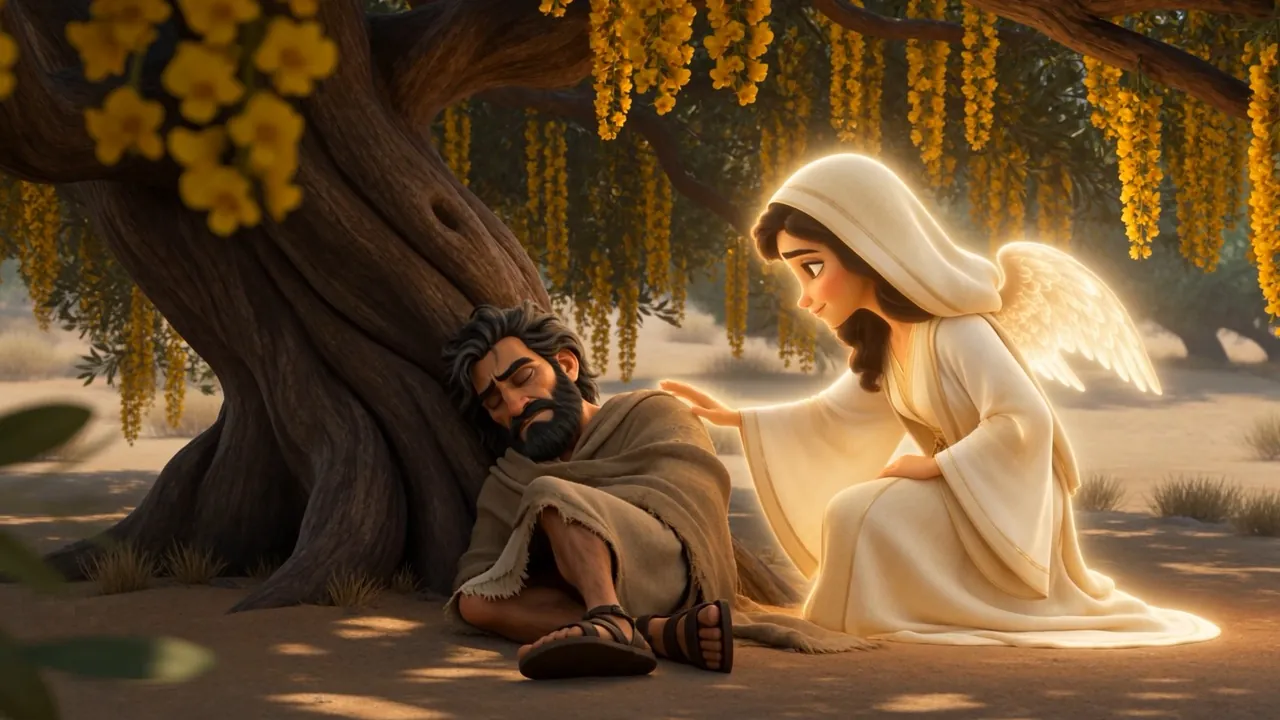
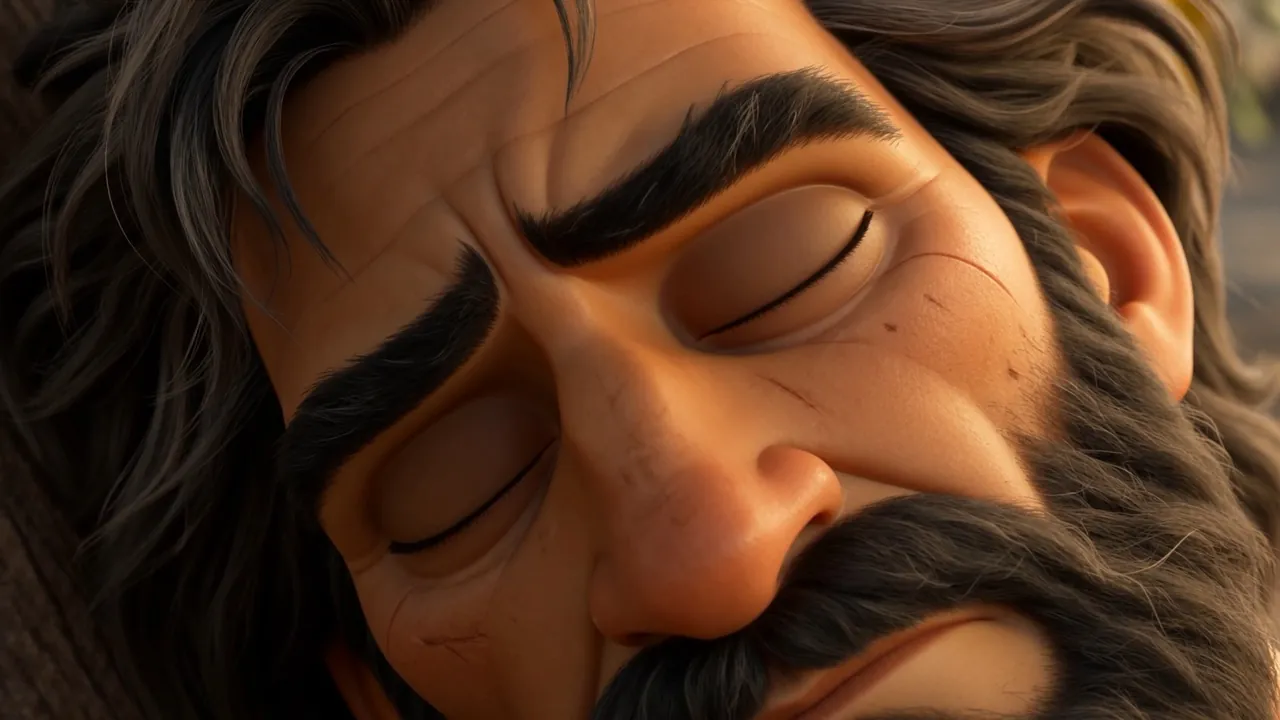

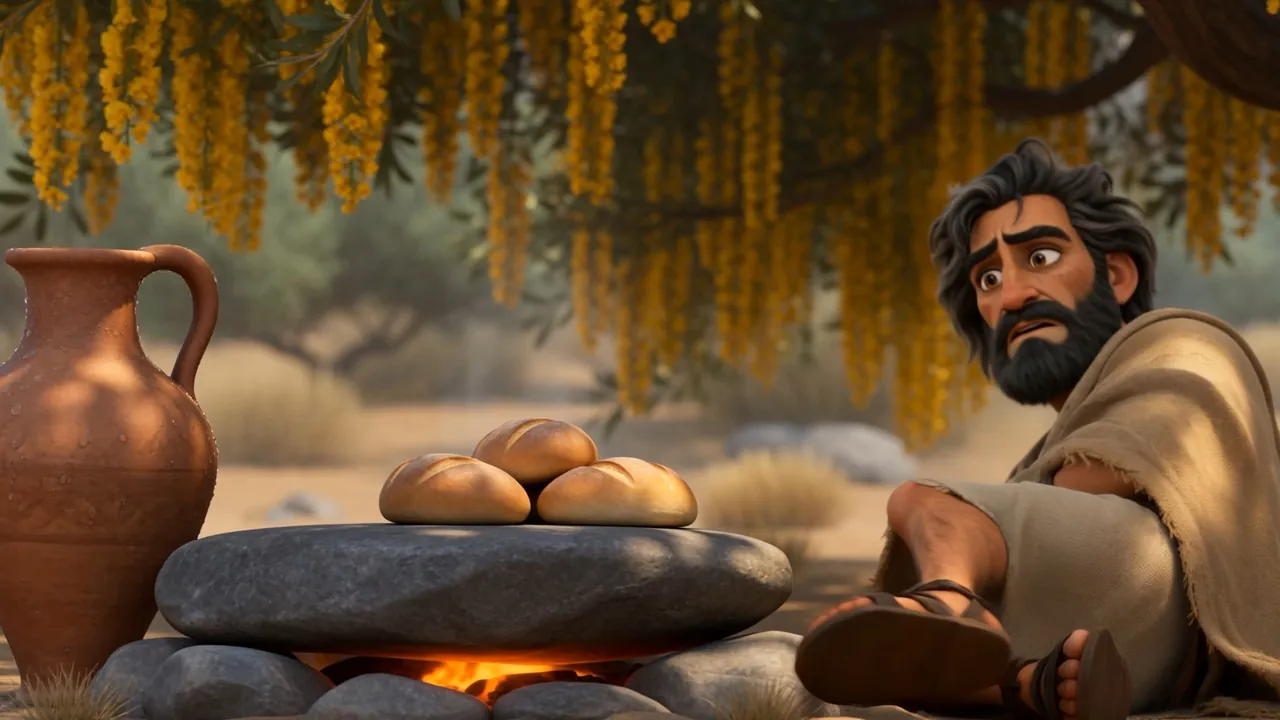
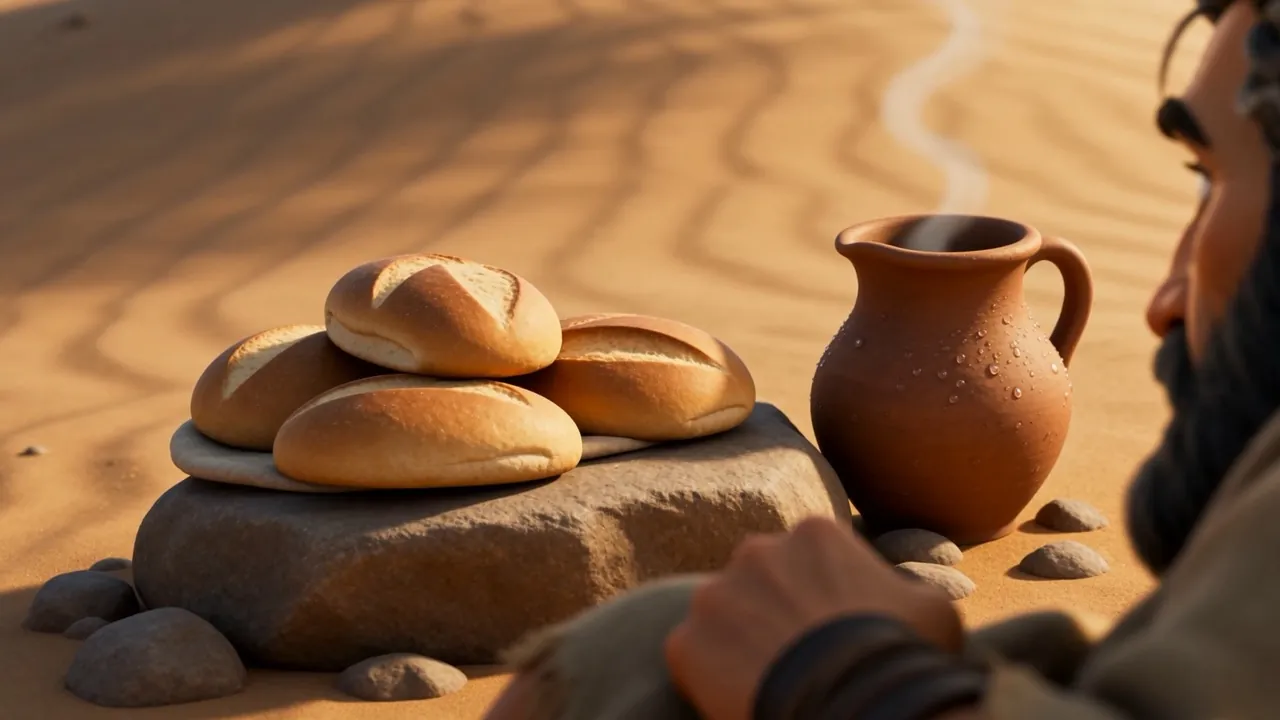
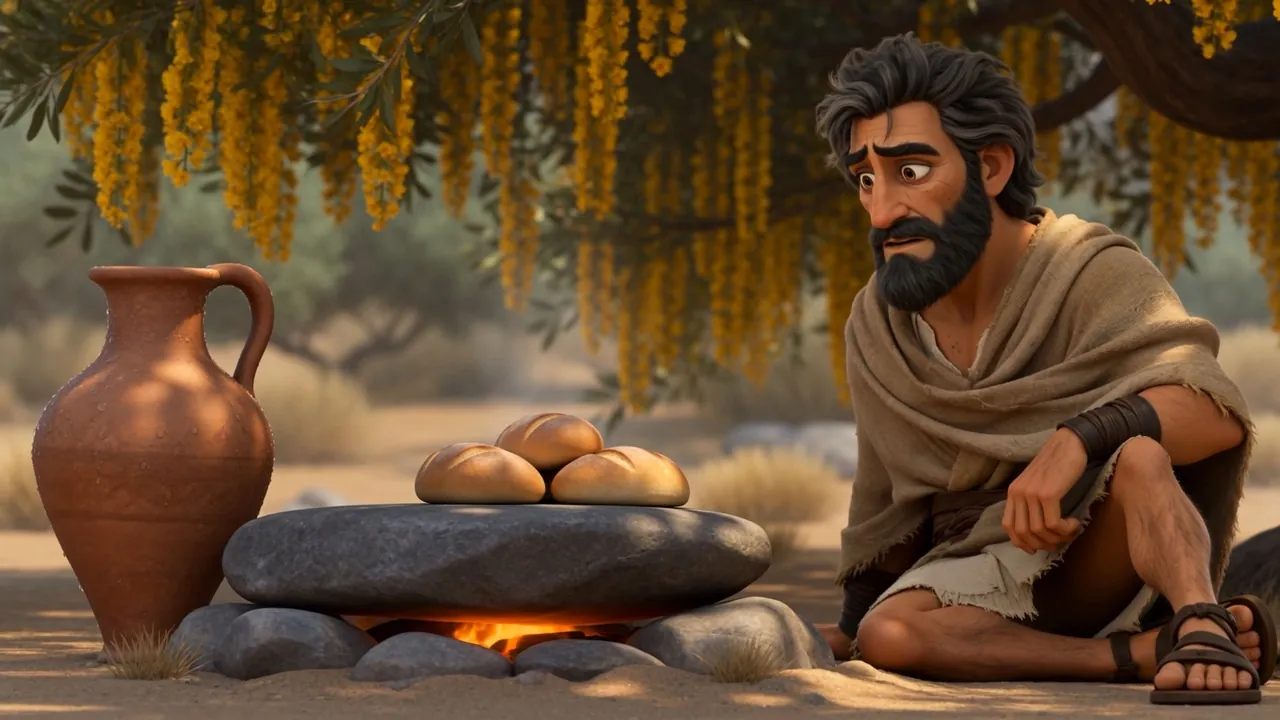
Heaven's response to a suicidal prophet is the most surprising verse in the chapter — and it isn't a sermon. He lay down and slept under a broom tree; and behold, an angel touched him, and said to him, “Arise and eat.” Bread baked on coals. A jar of water. No rebuke for the running, no lecture about the fear. Food and sleep first. 1 Kings 19 : 5–6


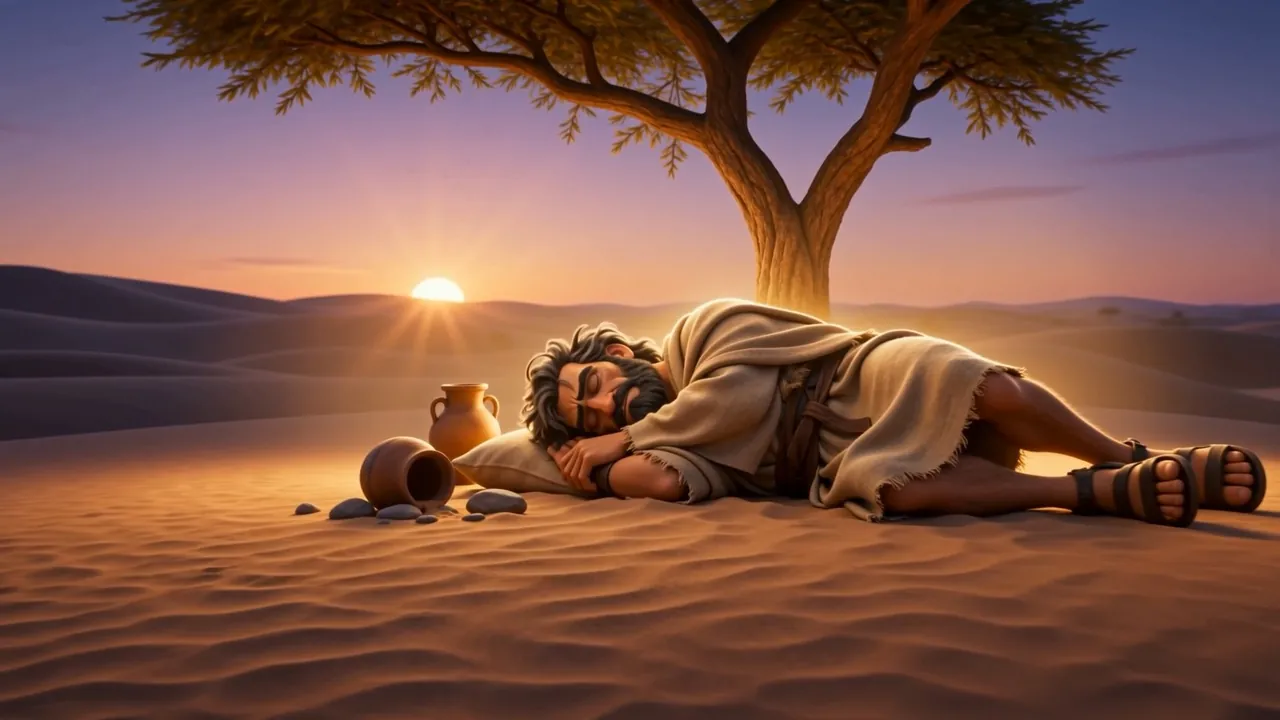
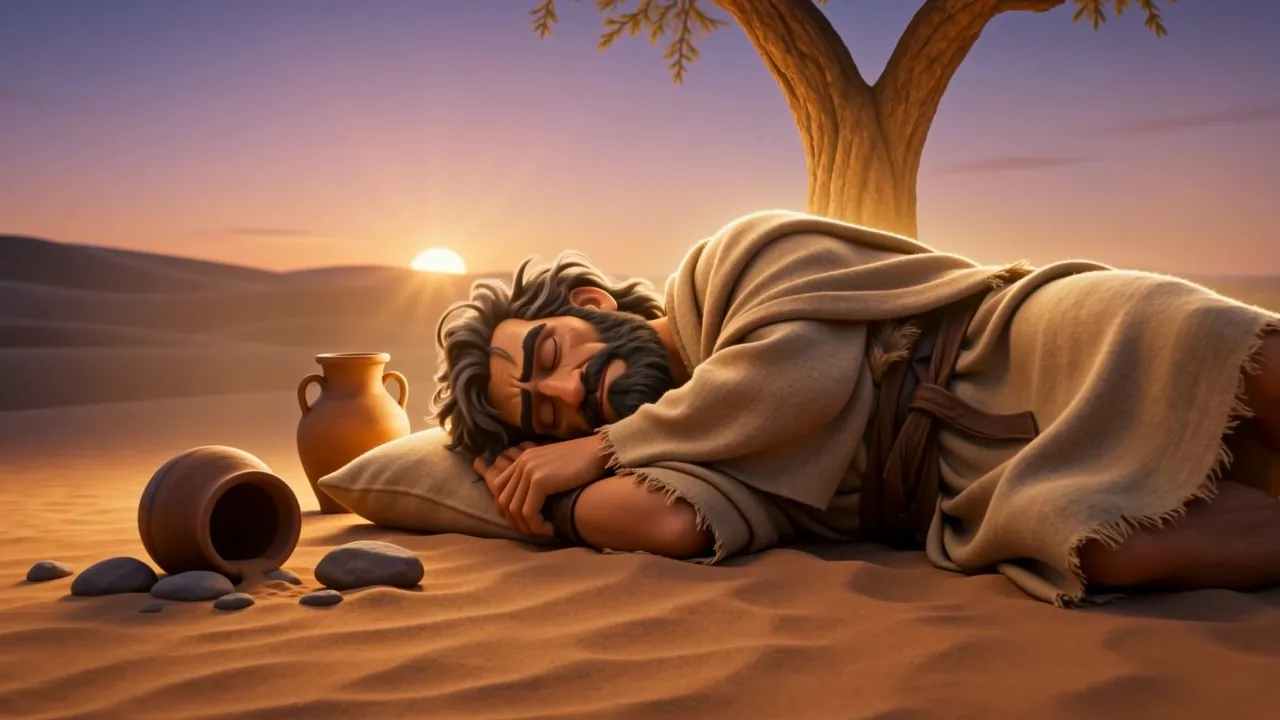
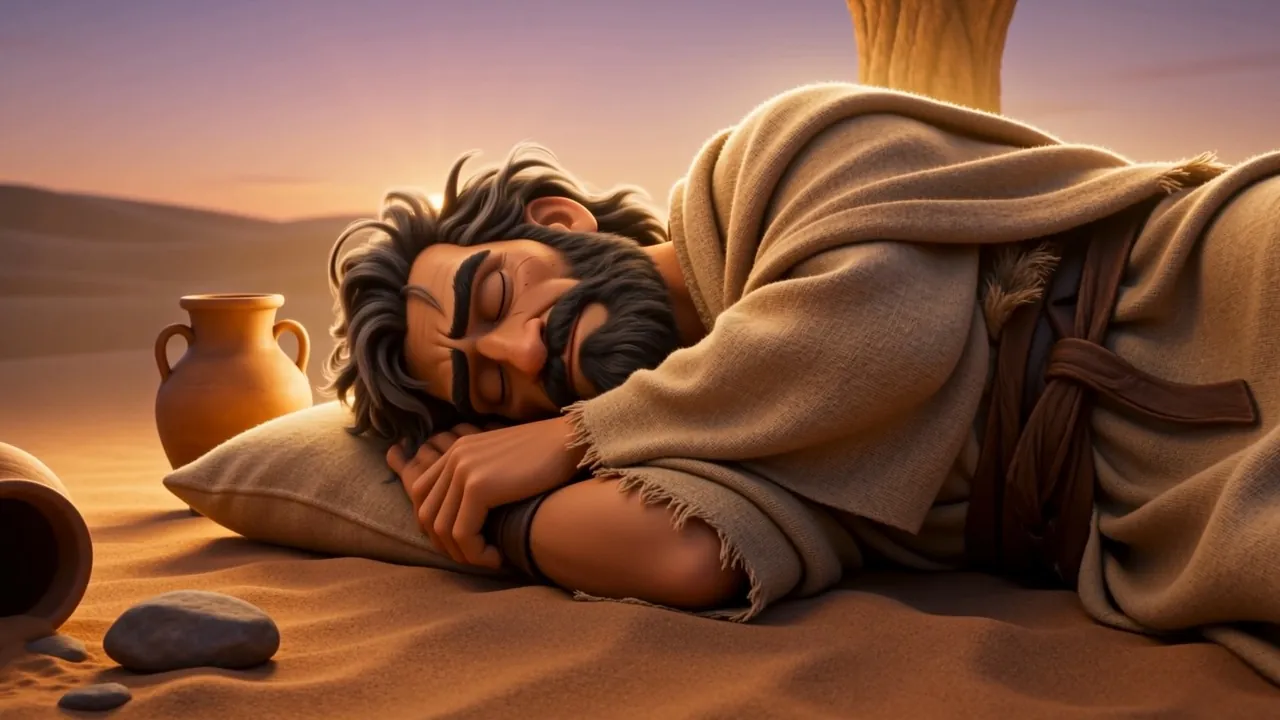
He ate, and lay down again — and the angel came back a second time, and touched him, and said, “Arise and eat, because the journey is too great for you.” That is the whole counselling session. Twice fed, twice let sleep, and one sentence of understanding: this is too much for you. God knew what he was carrying before he did. 1 Kings 19 : 7

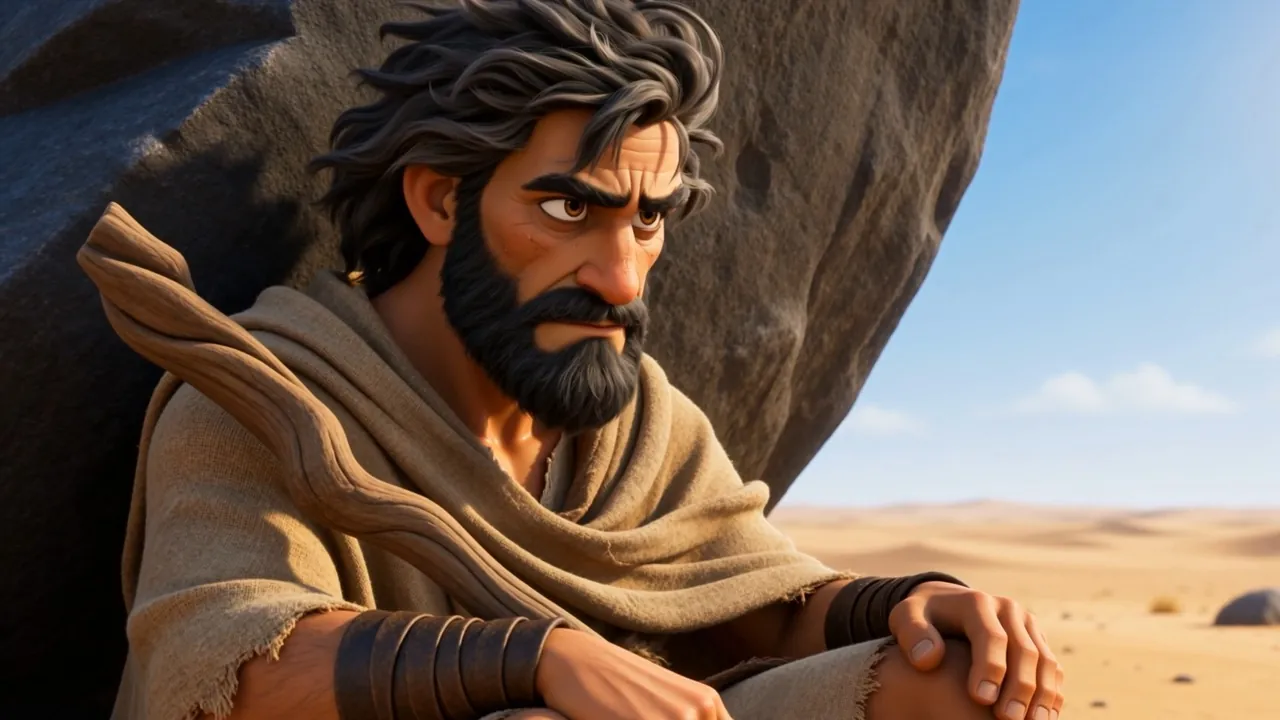






He arose, and ate and drank, and went in the strength of that food forty days and forty nights to Horeb, God's mountain. Two meals and a nap, and he walked the length of a wilderness — to the same mountain where Moses had stood, four hundred years before, and asked to see God's glory. 1 Kings 19 : 8
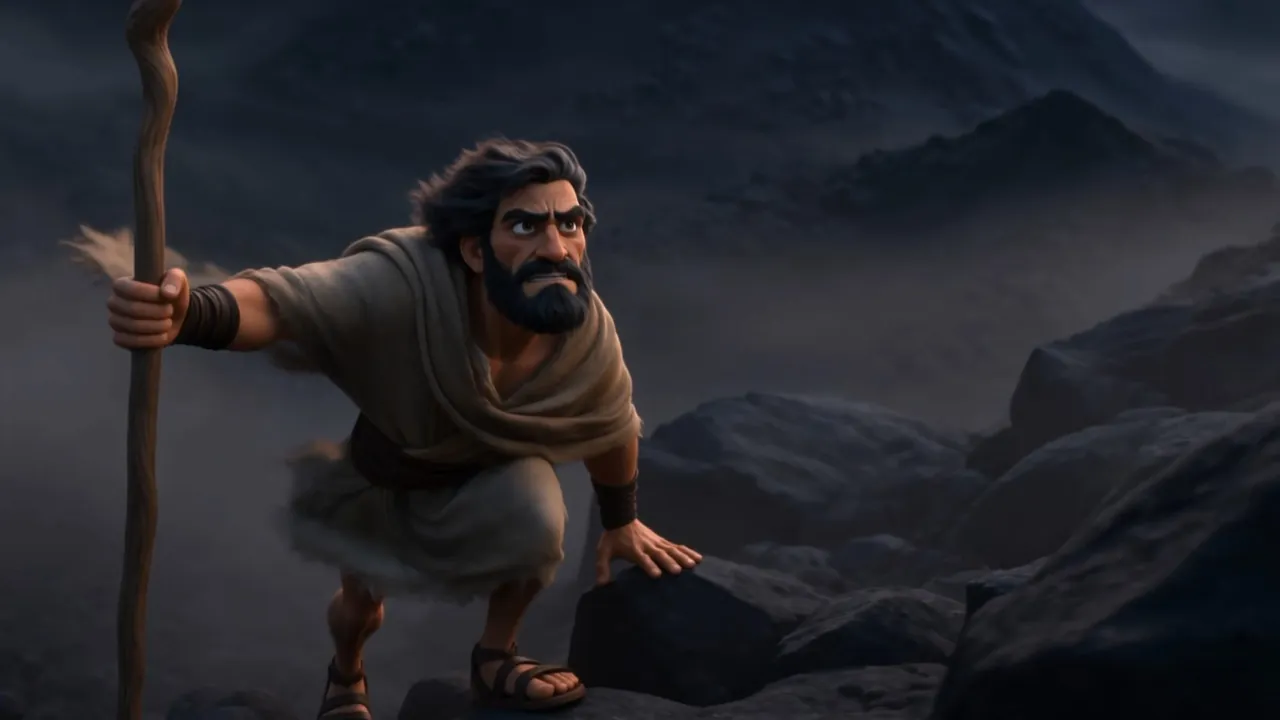
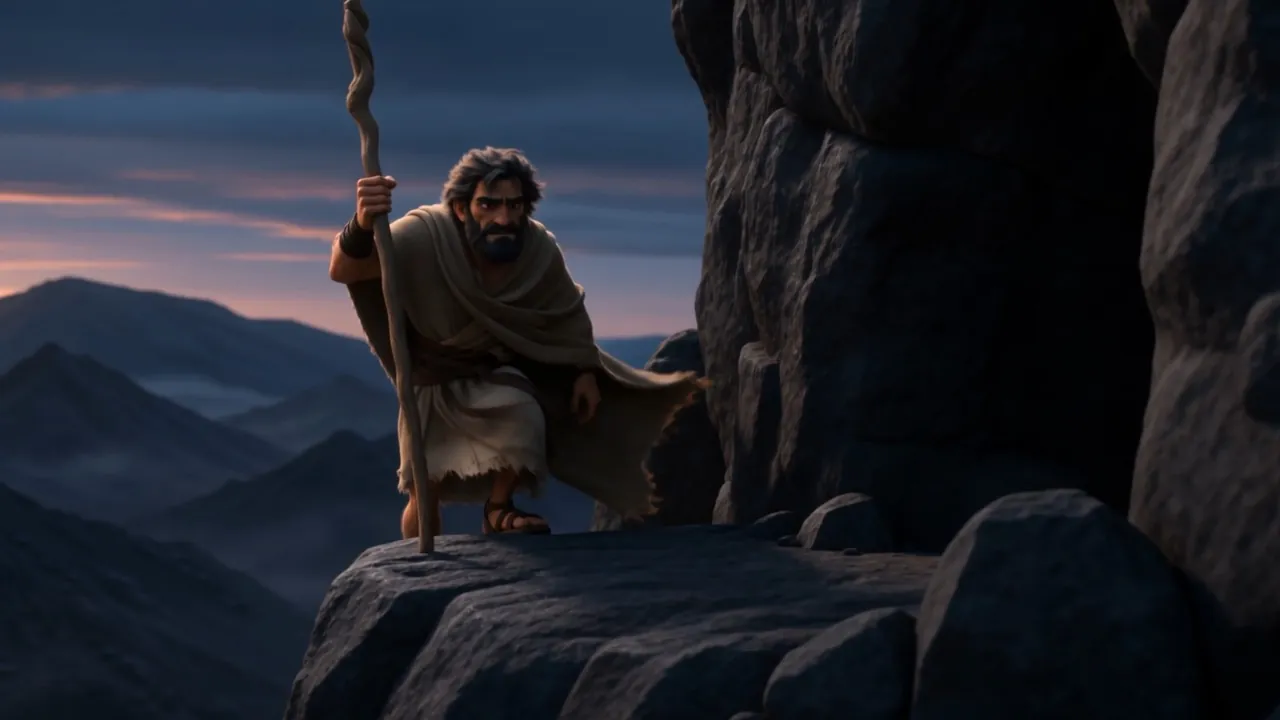
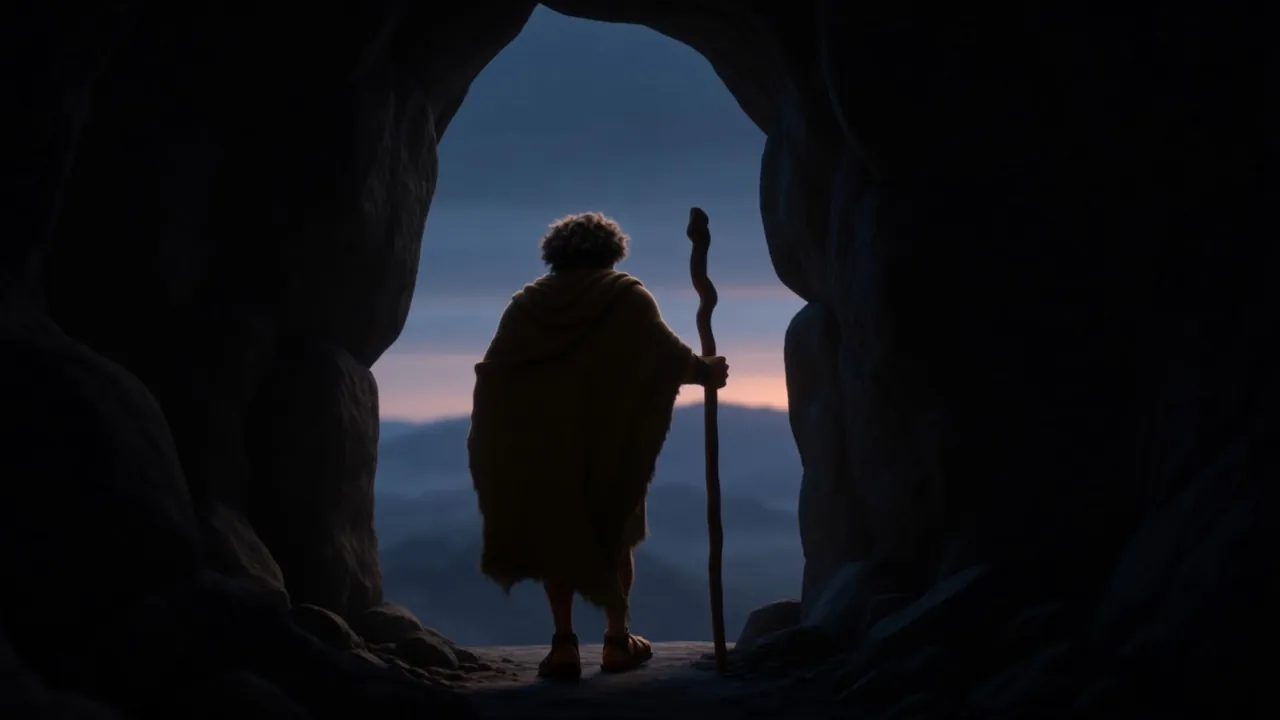

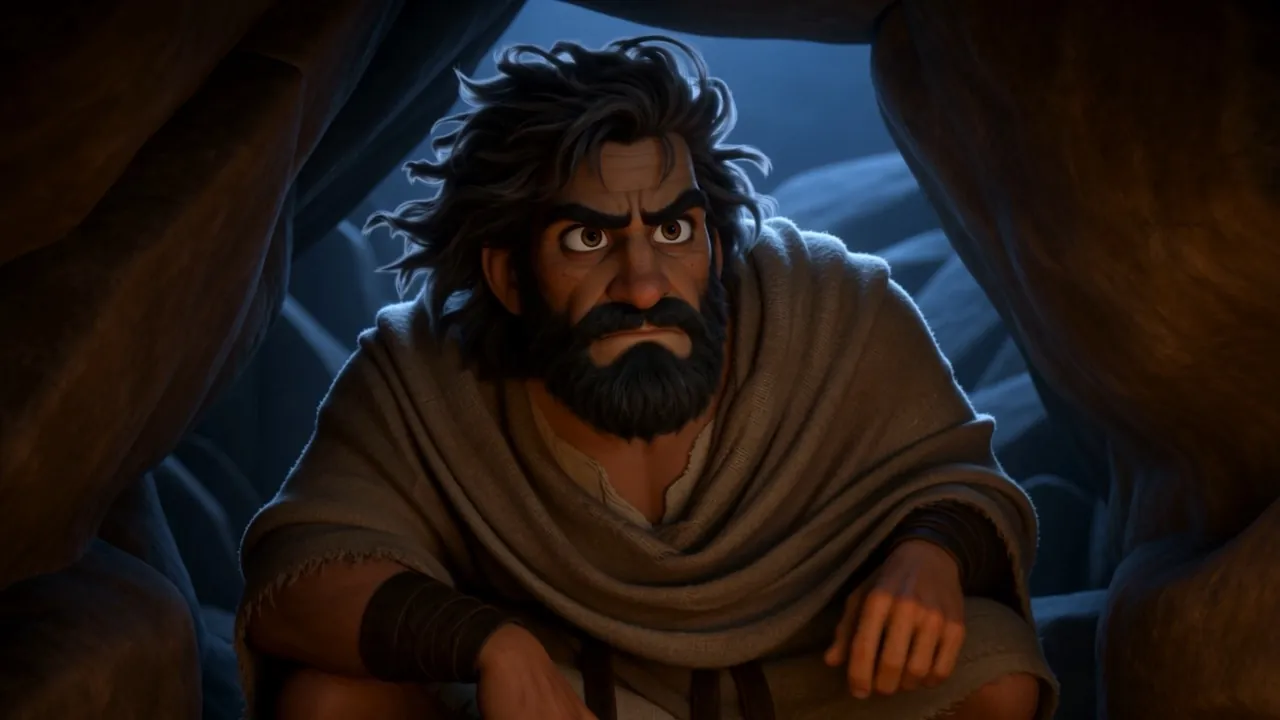
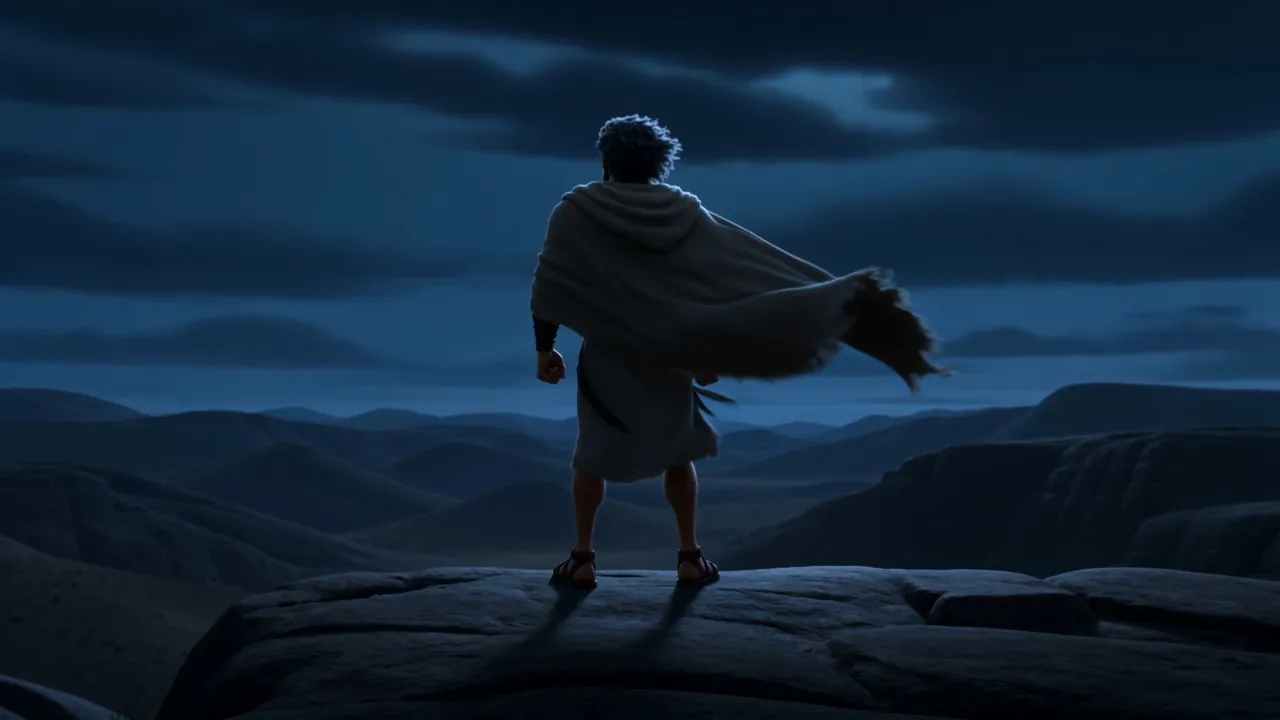
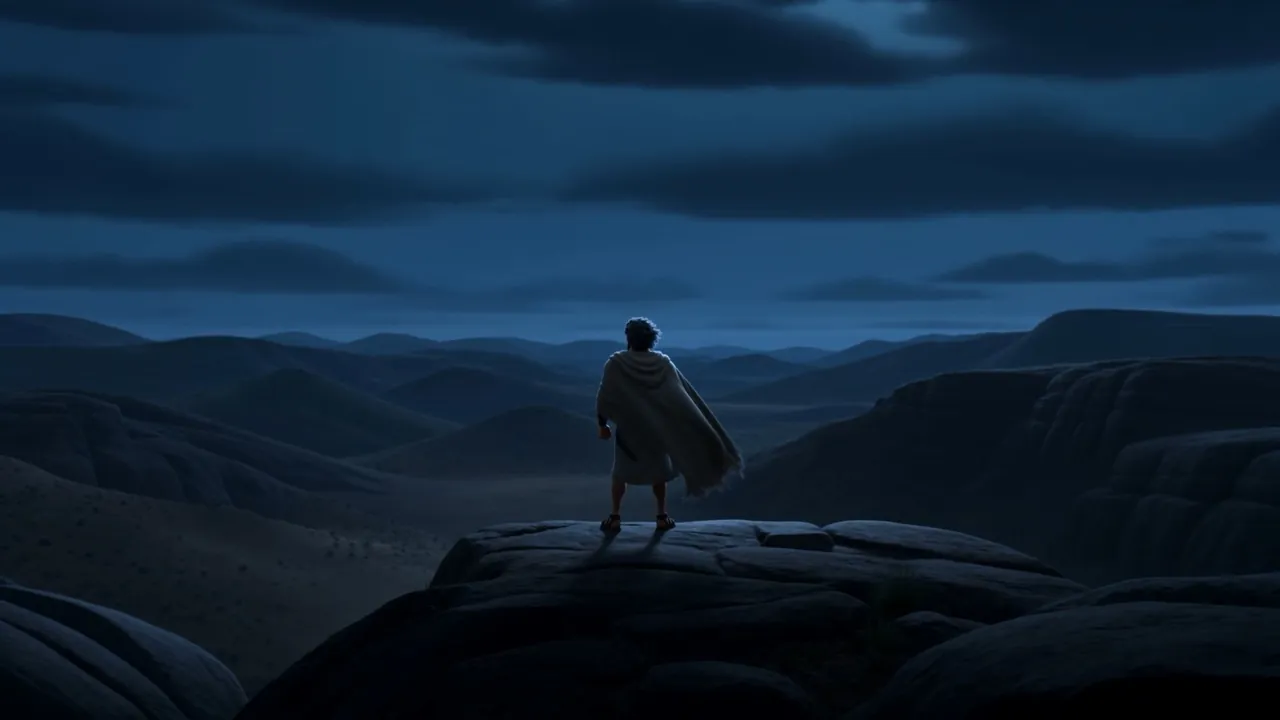
He slept in a cave, and the word came: “What are you doing here, Elijah?” And out came the whole speech — the one he'd been rehearsing for forty days. “I have been very jealous for Yahweh… the children of Israel have forsaken your covenant, thrown down your altars, and killed your prophets with the sword. I, even I only, am left; and they seek my life.” Alone. That was the word underneath all of it. 1 Kings 19 : 9–10
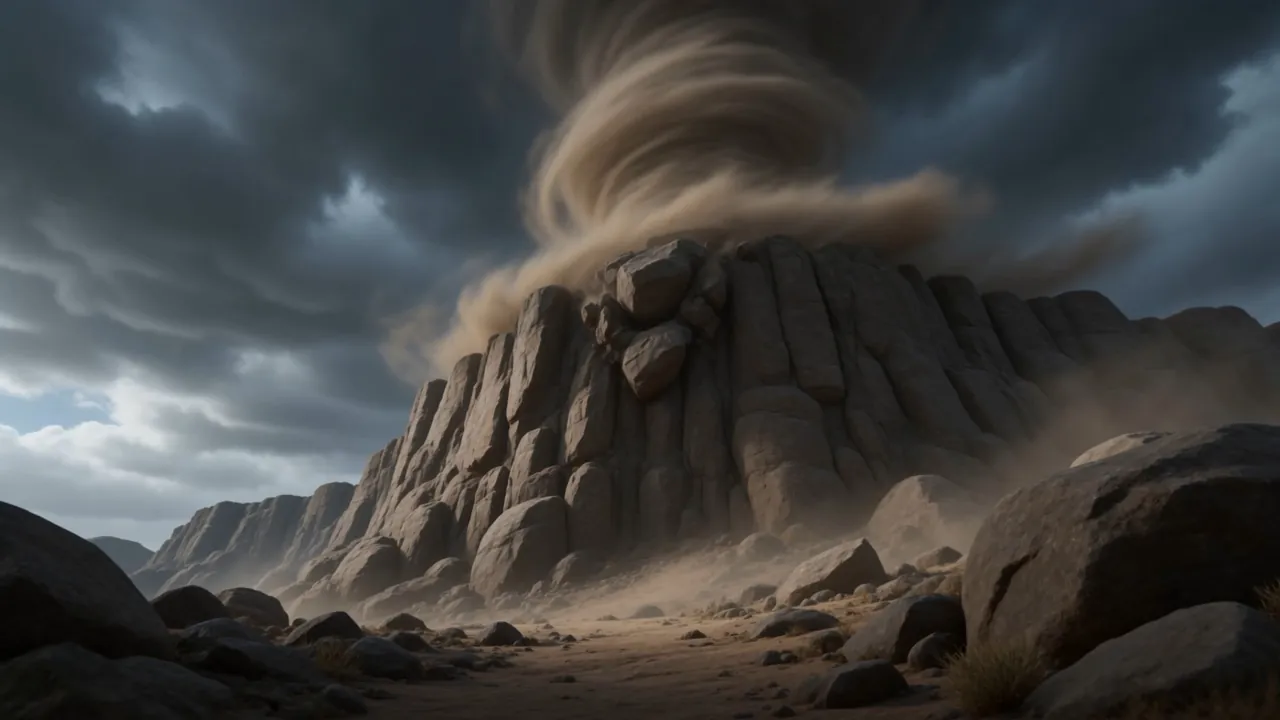
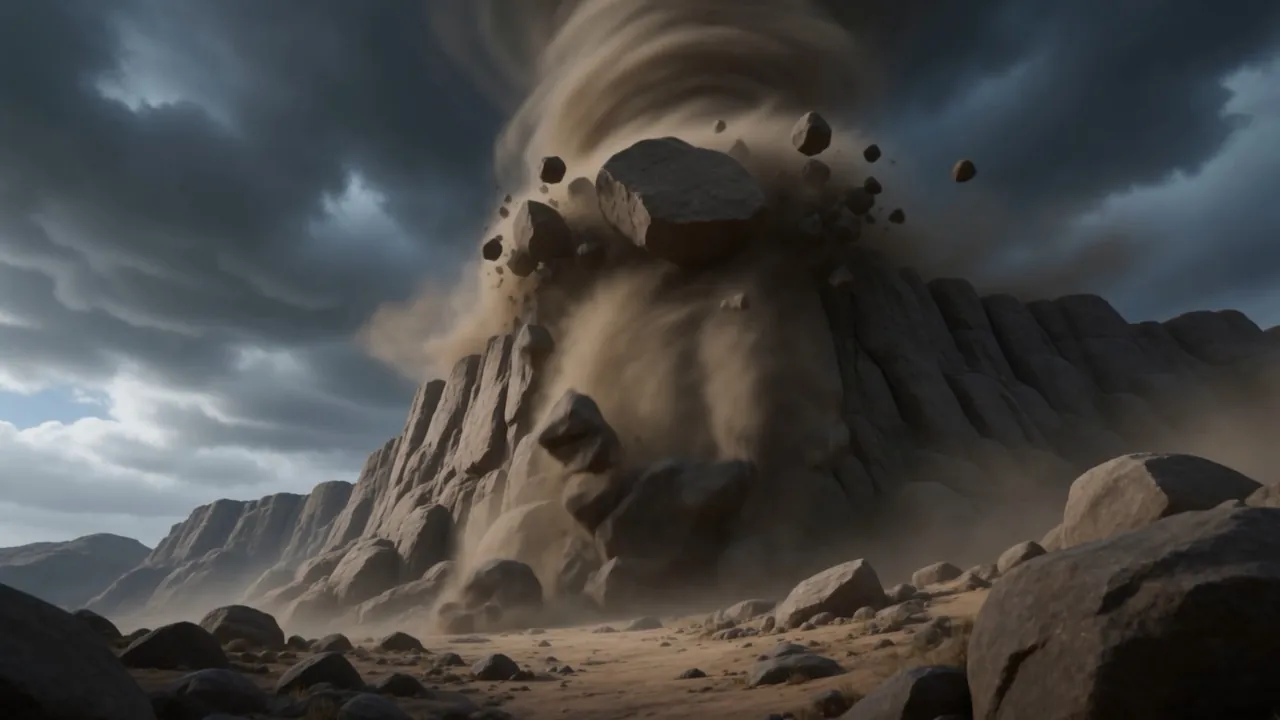
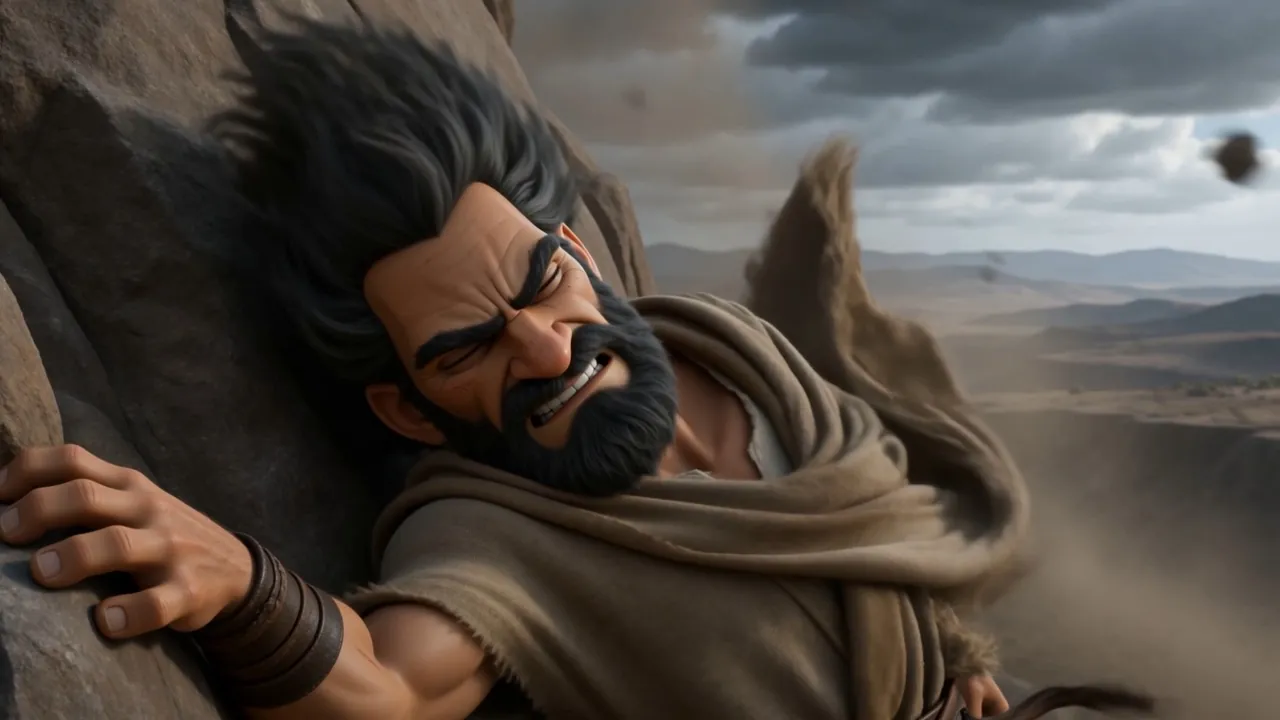
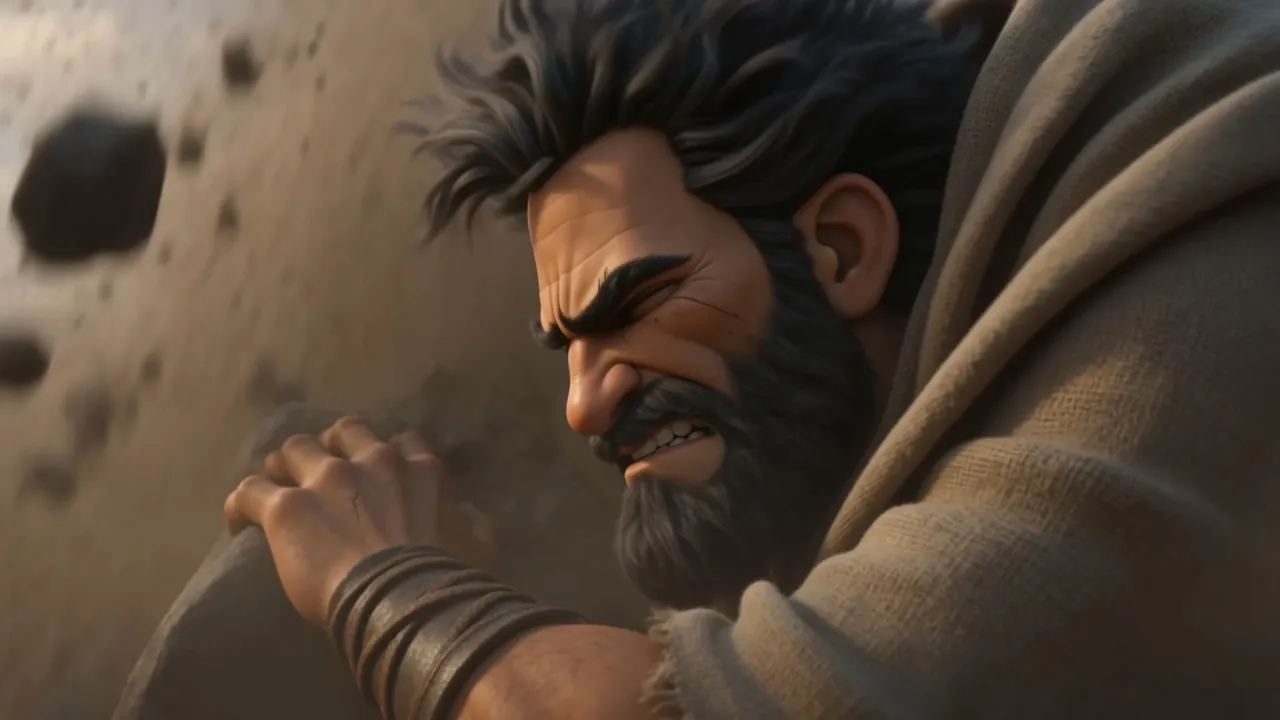
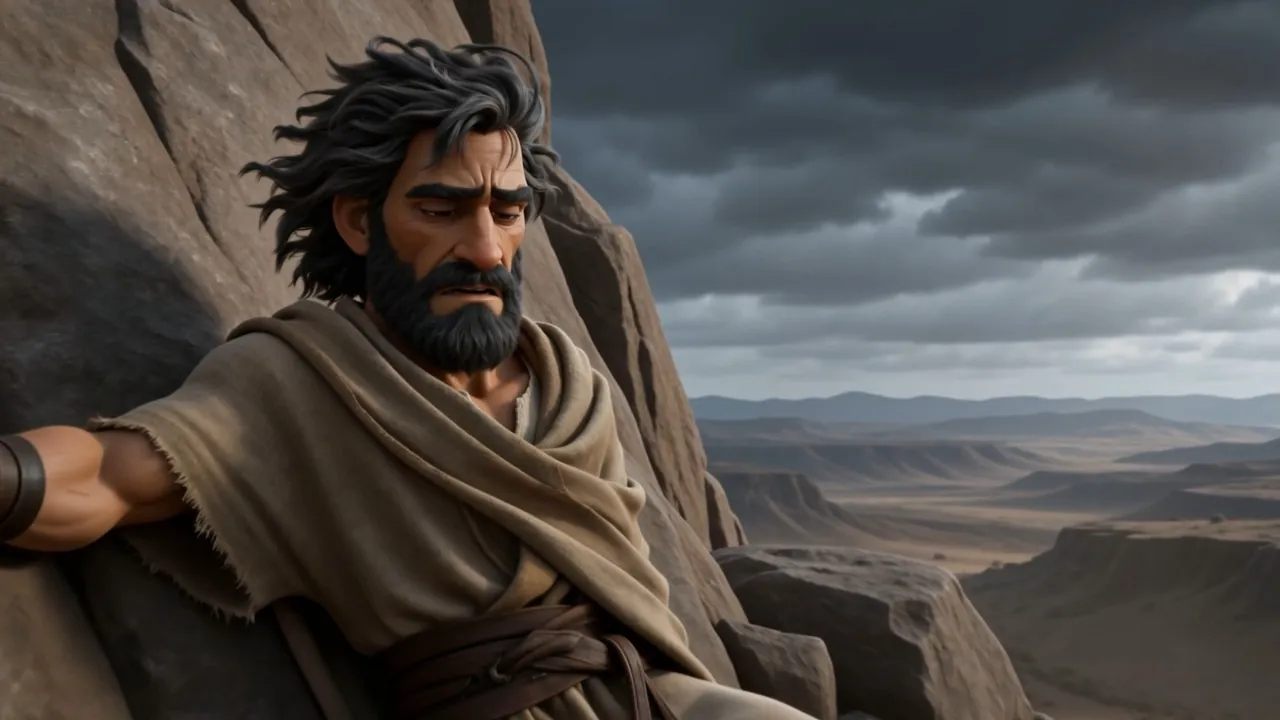
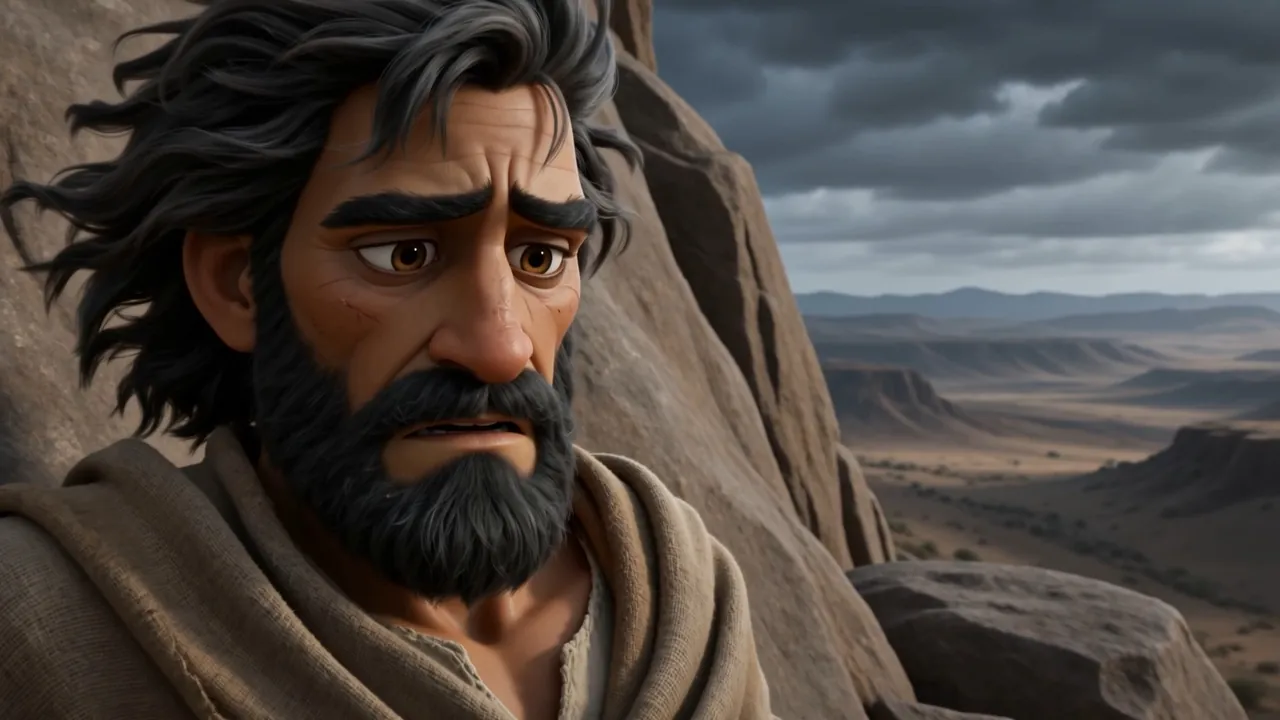
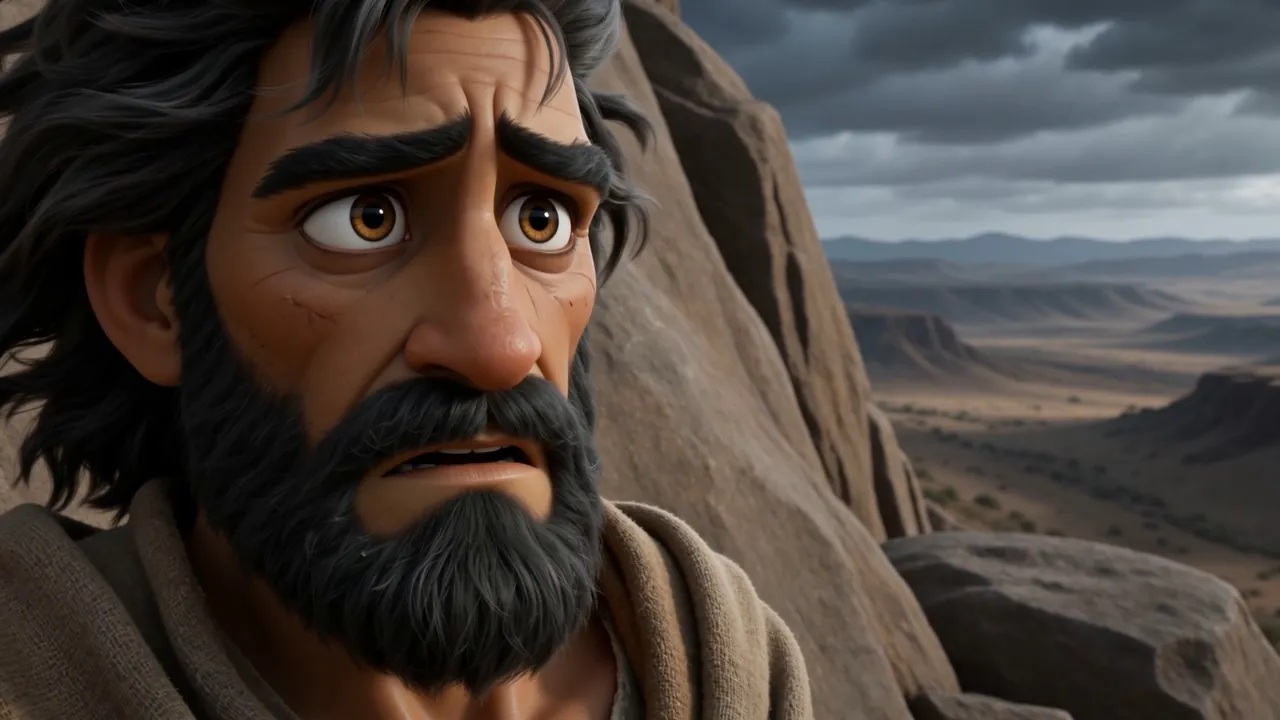
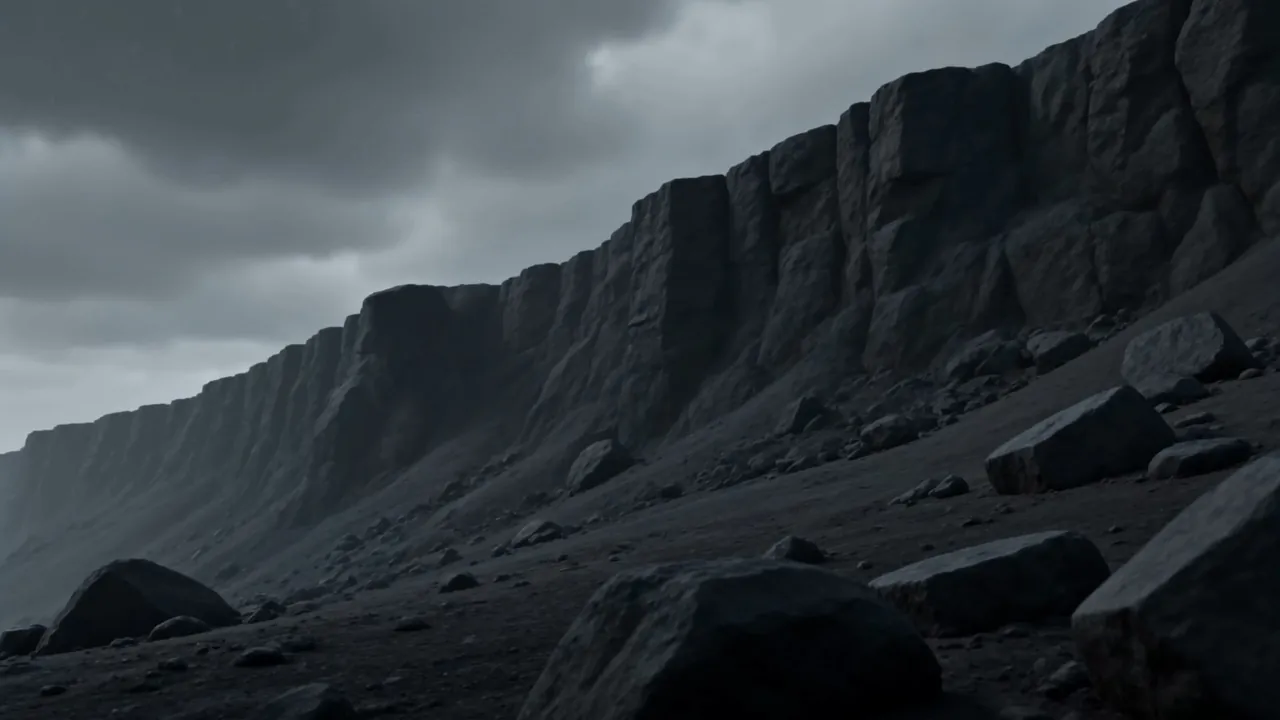
“Go out, and stand on the mountain before Yahweh.” And behold, Yahweh passed by. A great and strong wind tore the mountains and broke the rocks in pieces before Yahweh — the kind of thing that had worked on Carmel, the kind of thing he was good at. But Yahweh was not in the wind. 1 Kings 19 : 11
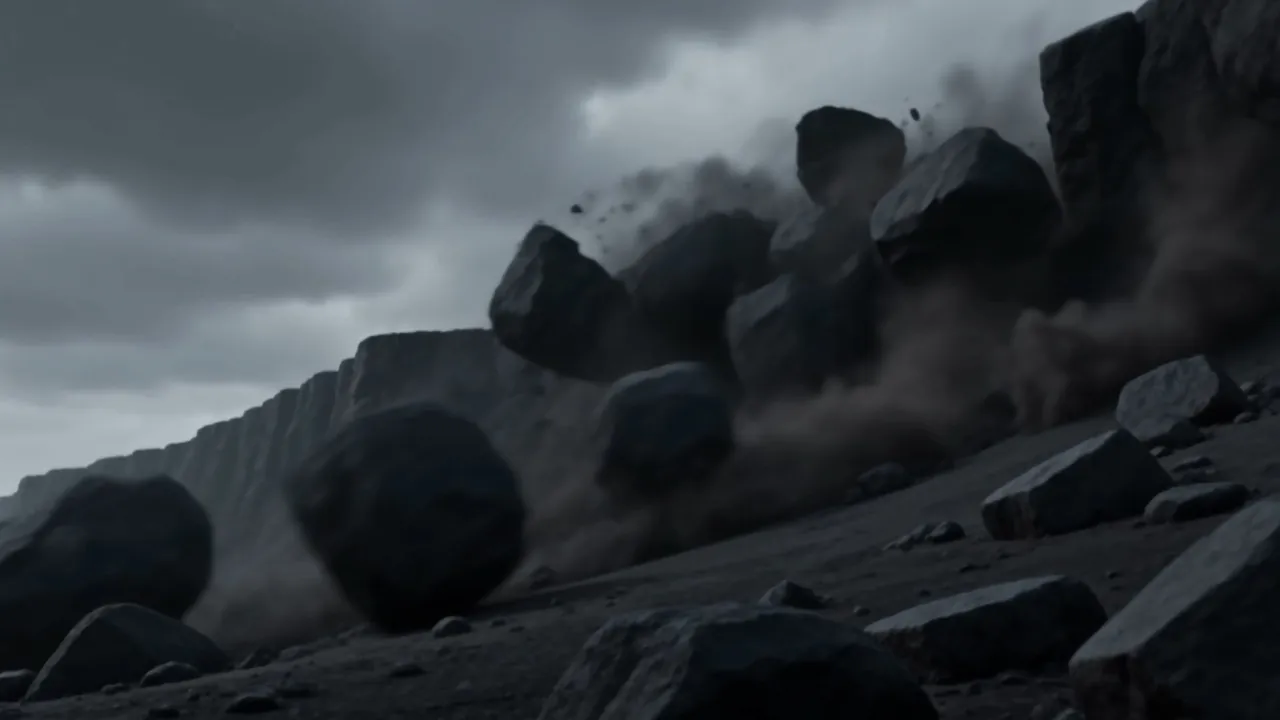



Then the mountain itself moved. After the wind an earthquake; but Yahweh was not in the earthquake. Twice now, the enormous and the unmistakable — the kind of proof that flattens a crowd on Carmel — and twice the same verdict: not there. 1 Kings 19 : 11
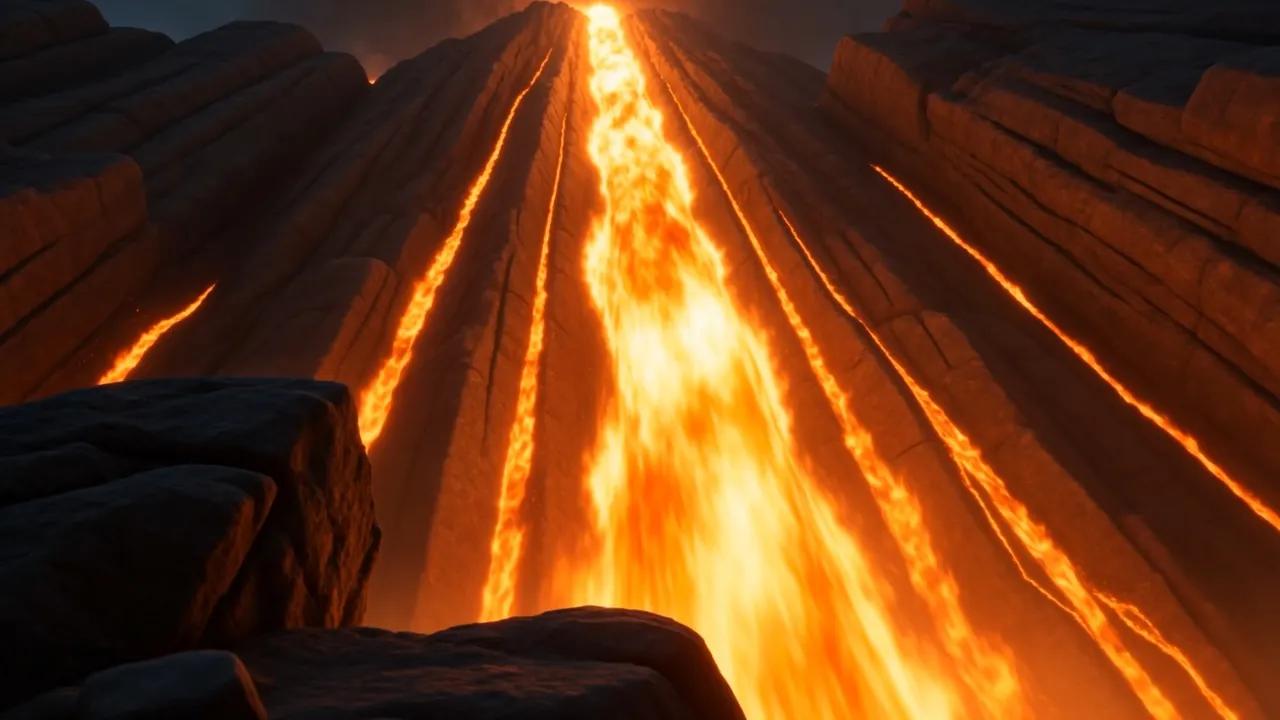
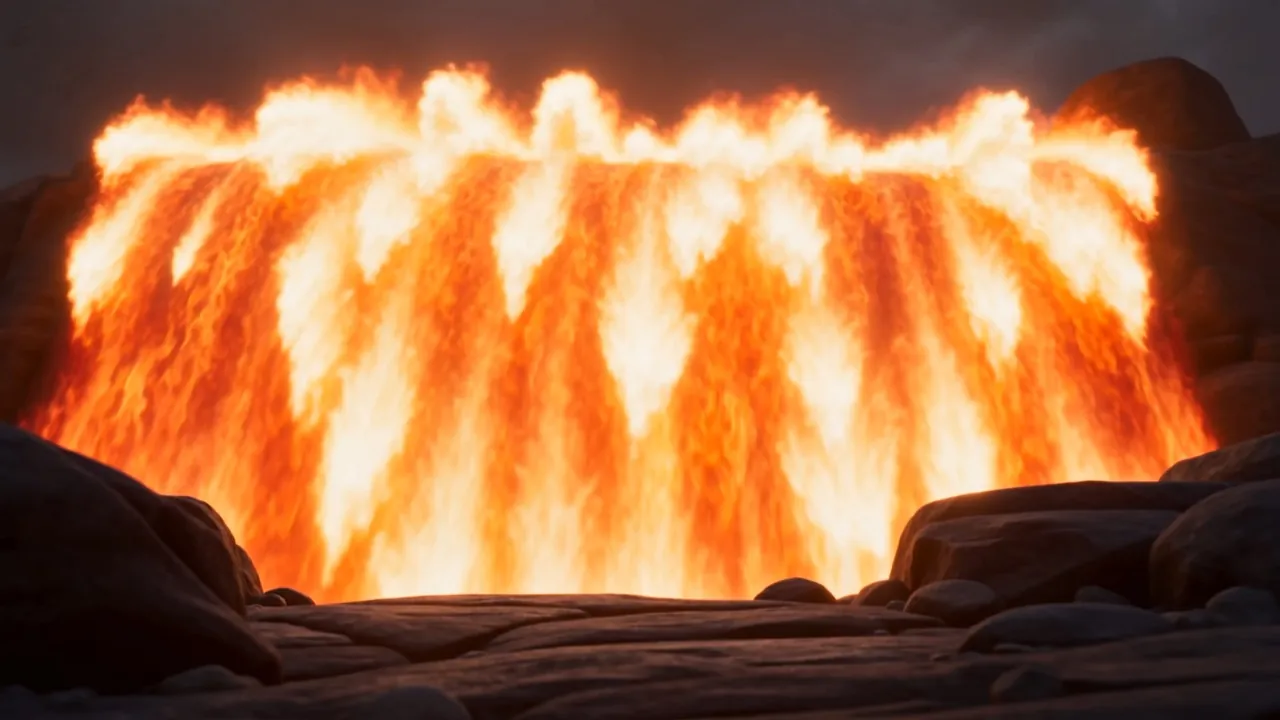

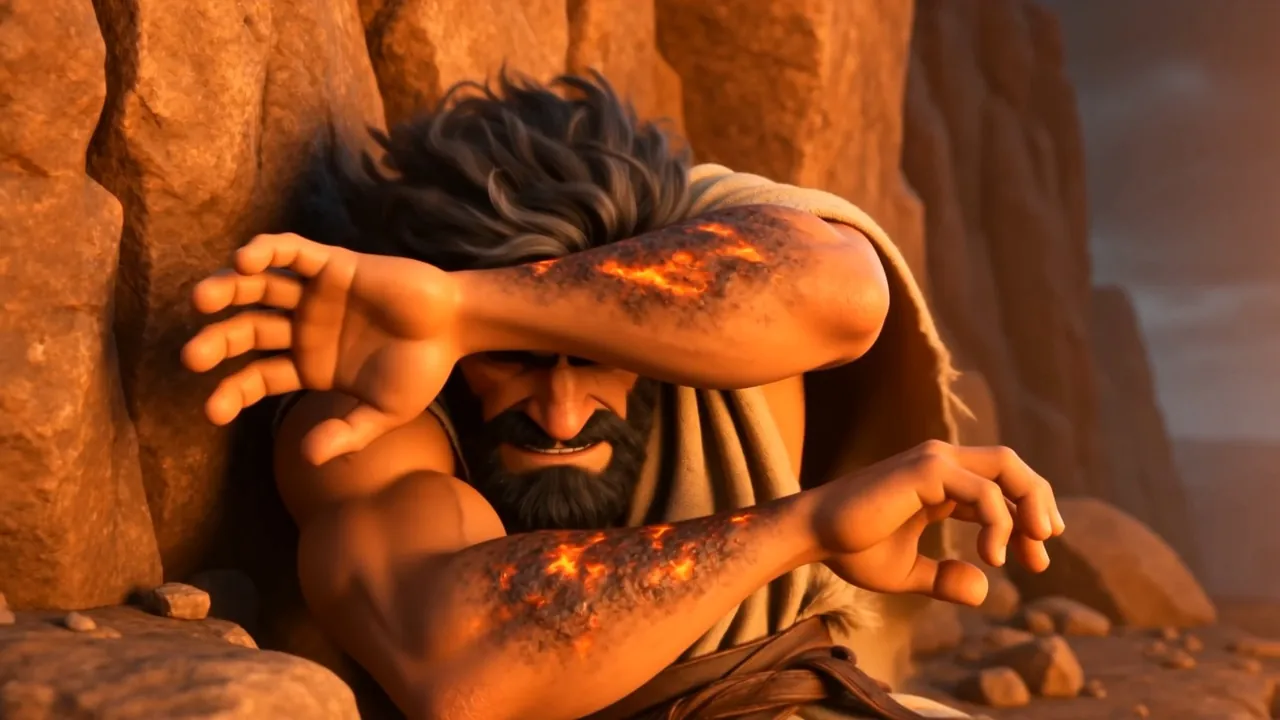
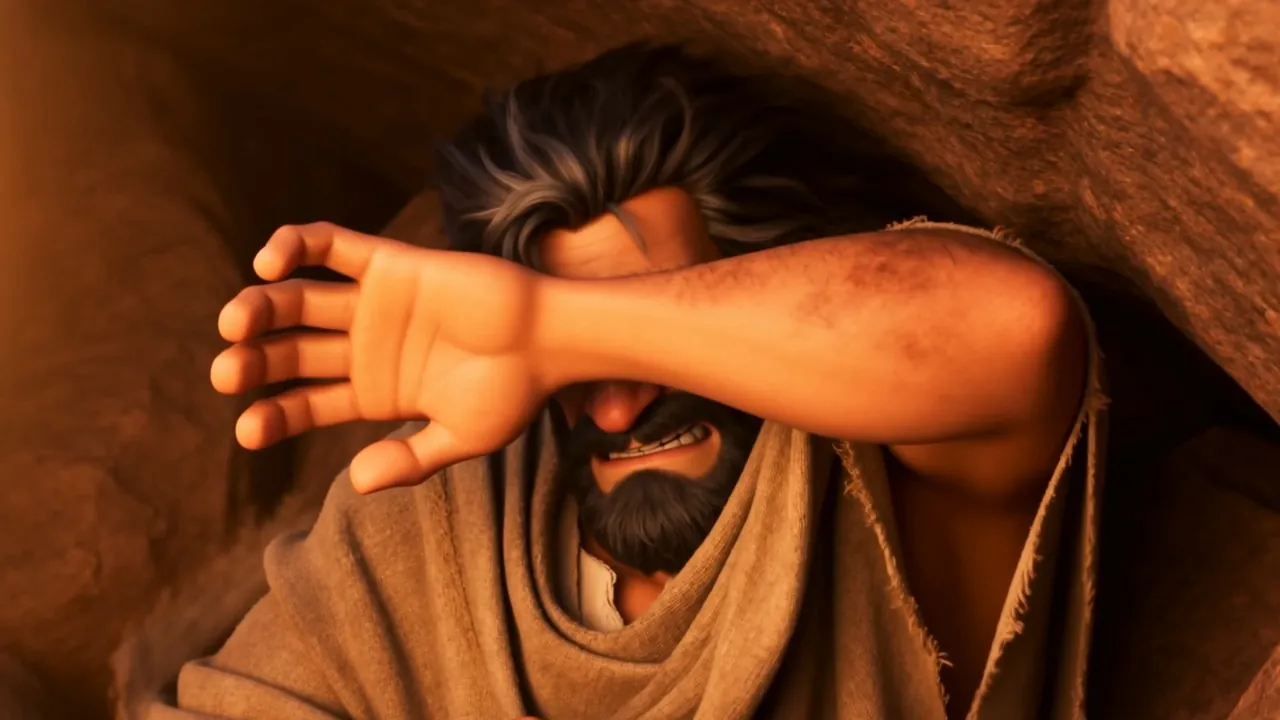
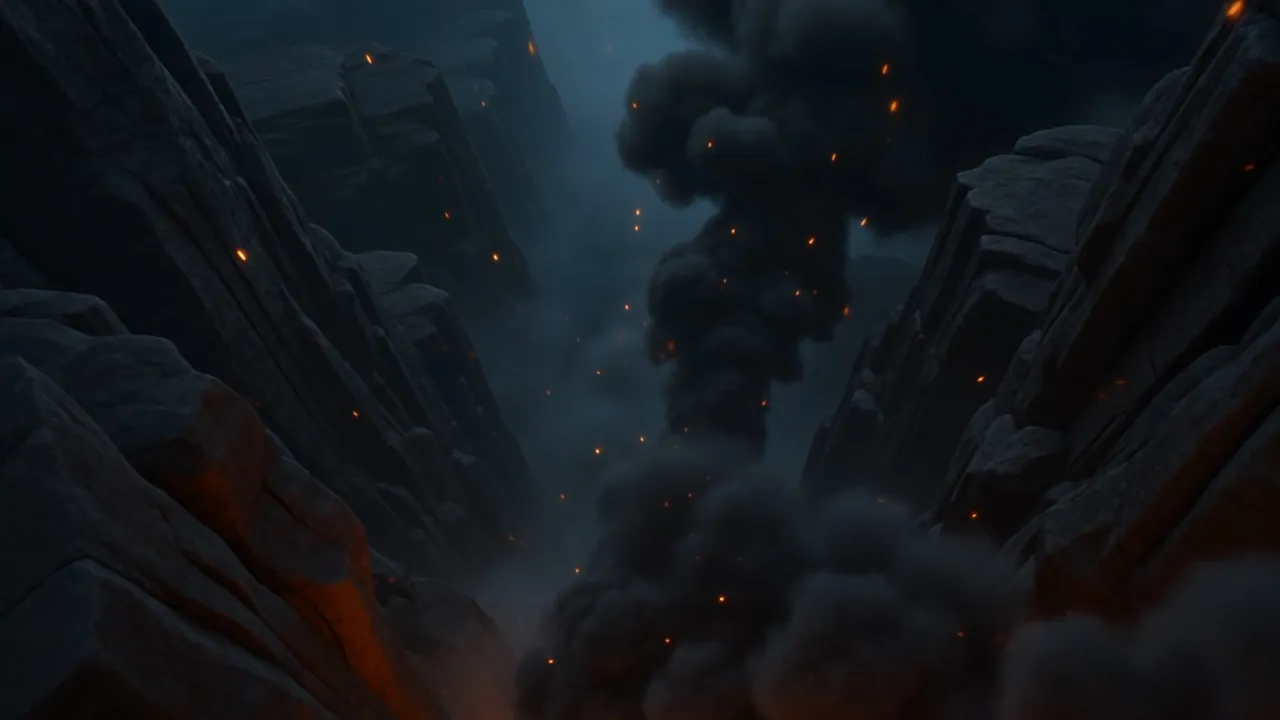

And then fire — his sign, the one that had answered him in front of a nation, the proof he had staked everything on. After the earthquake a fire; but Yahweh was not in the fire. It burns a long time. Then it goes out, and the mountain is very quiet. 1 Kings 19 : 12


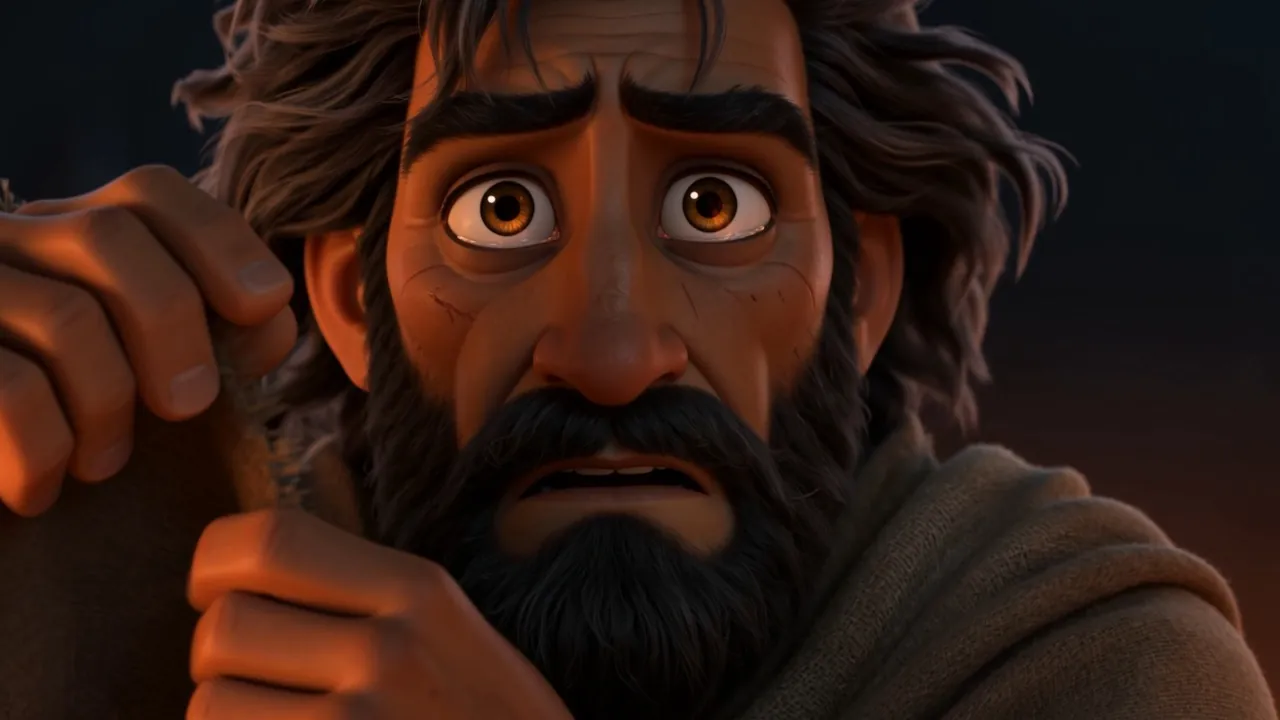

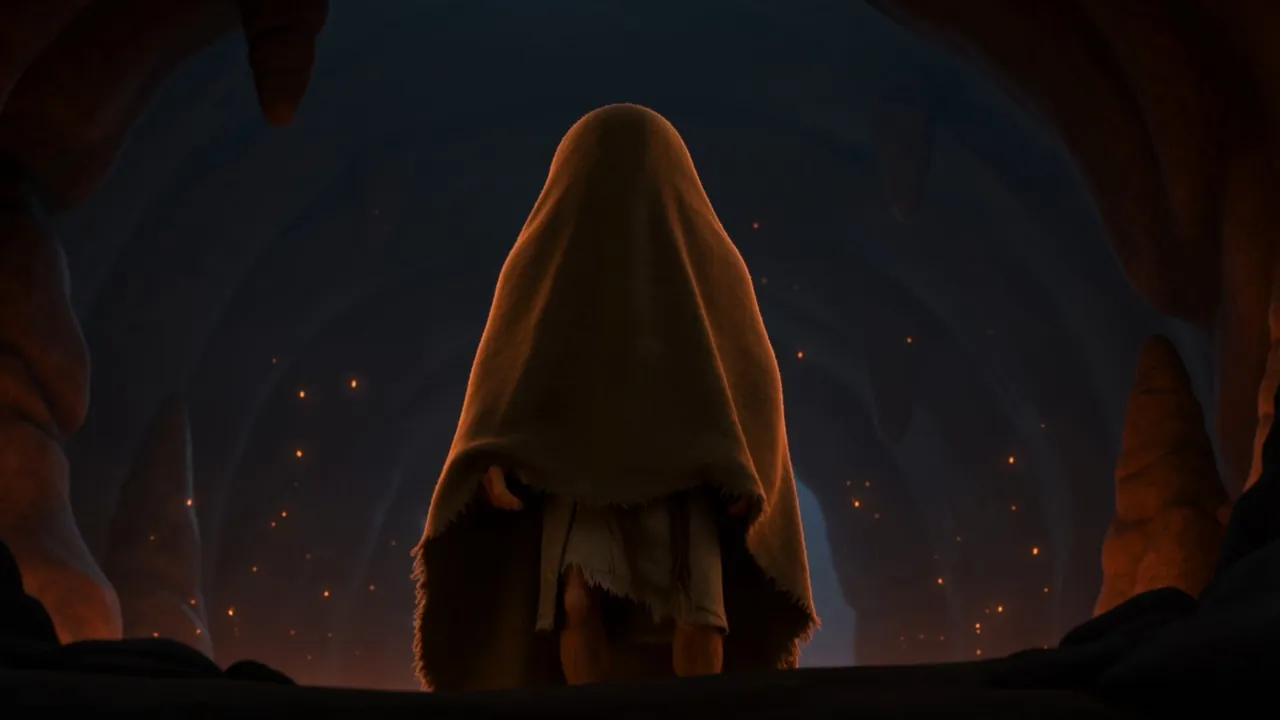

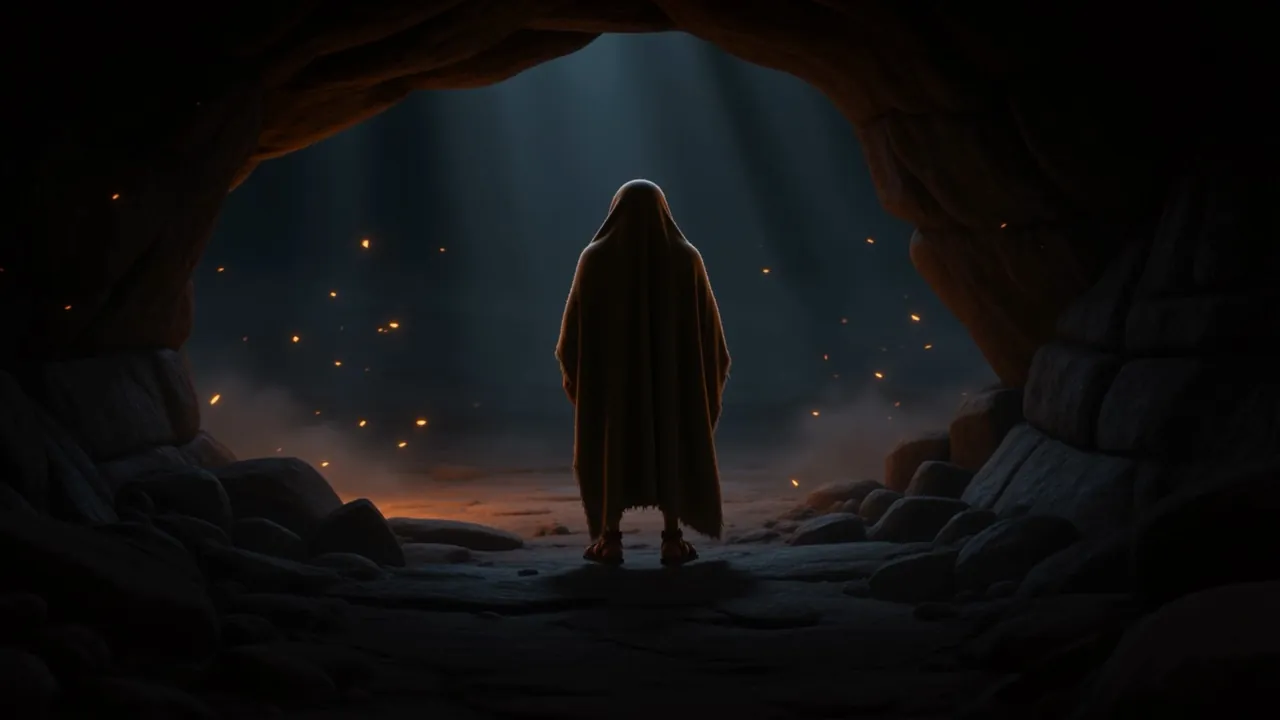
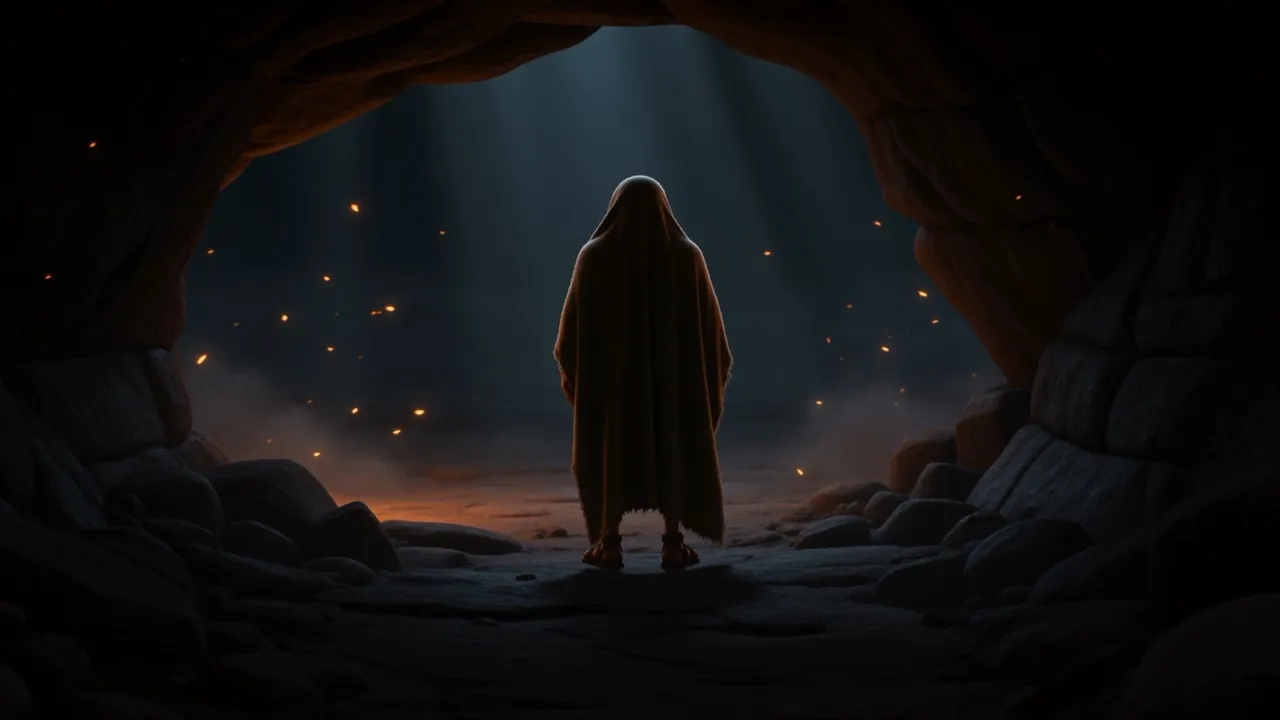
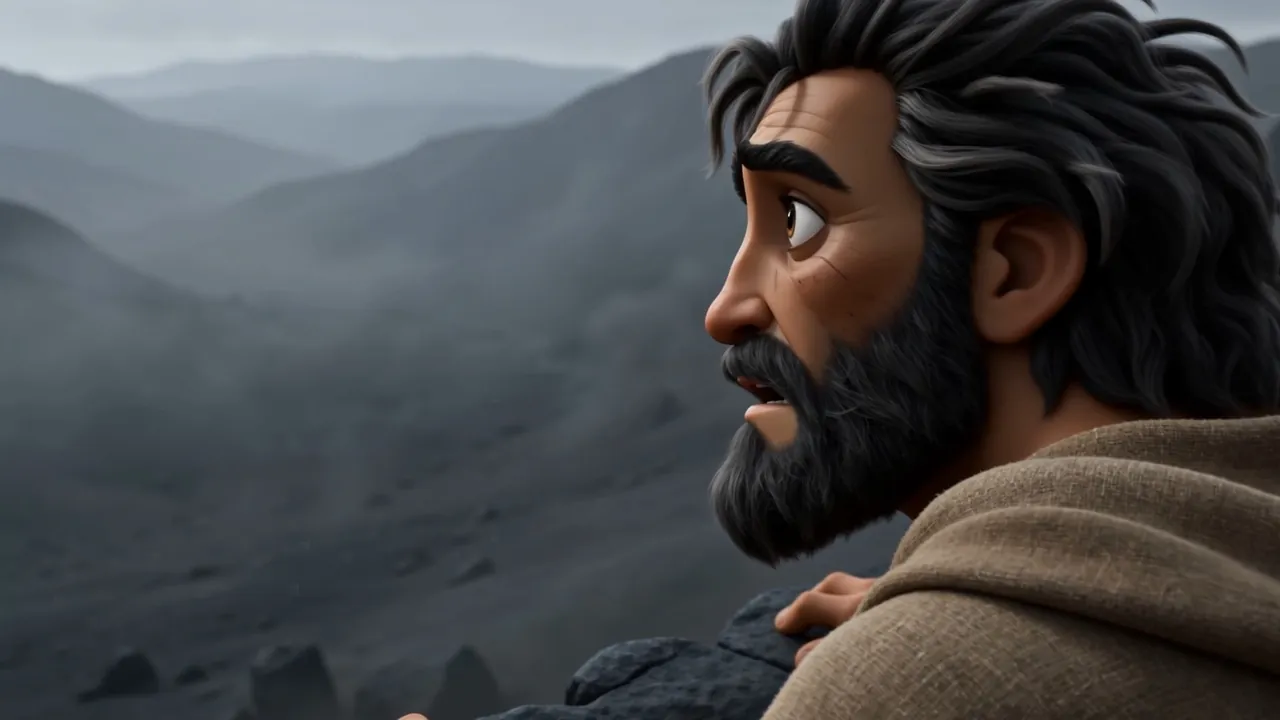
And after the fire — a still small voice. The Hebrew is stranger and better than that: a sound of thin silence. A quiet so fine it had a shape. And that was the one that moved him: when Elijah heard it, he wrapped his face in his mantle, and went out, and stood in the entrance of the cave. The wind didn't do that. The fire didn't do that. 1 Kings 19 : 12–13
A sound of thin silence.
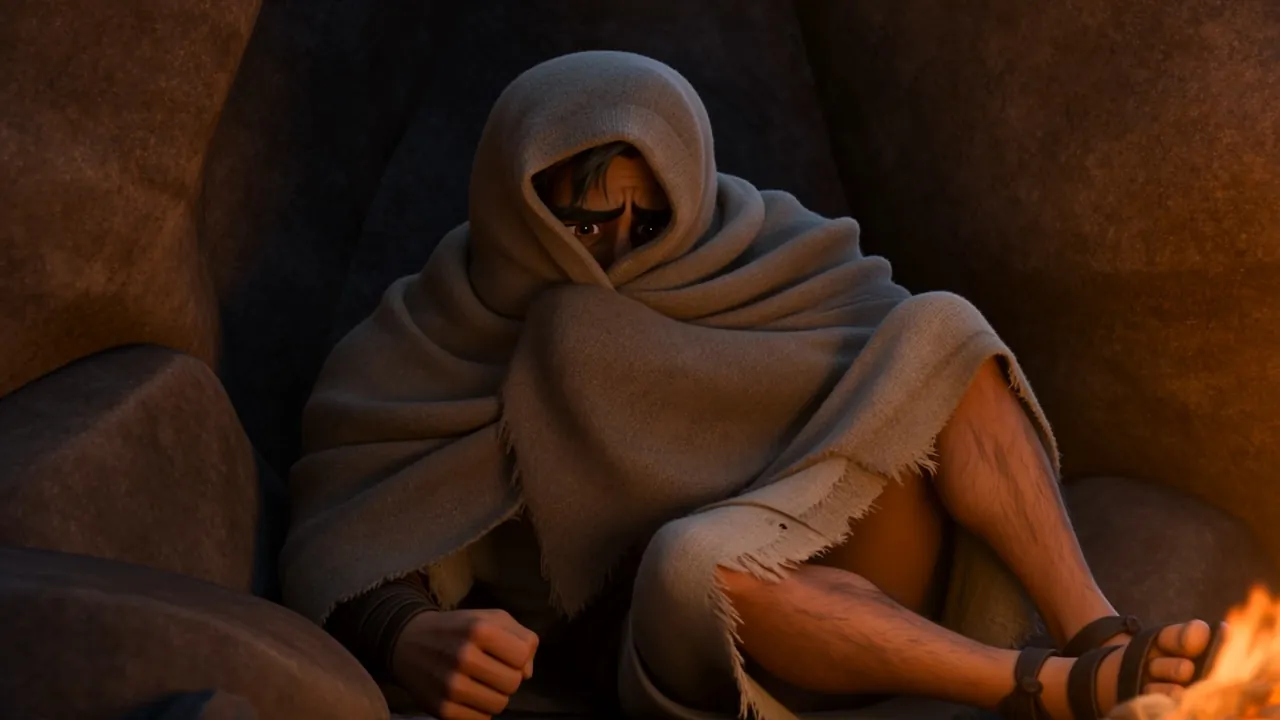
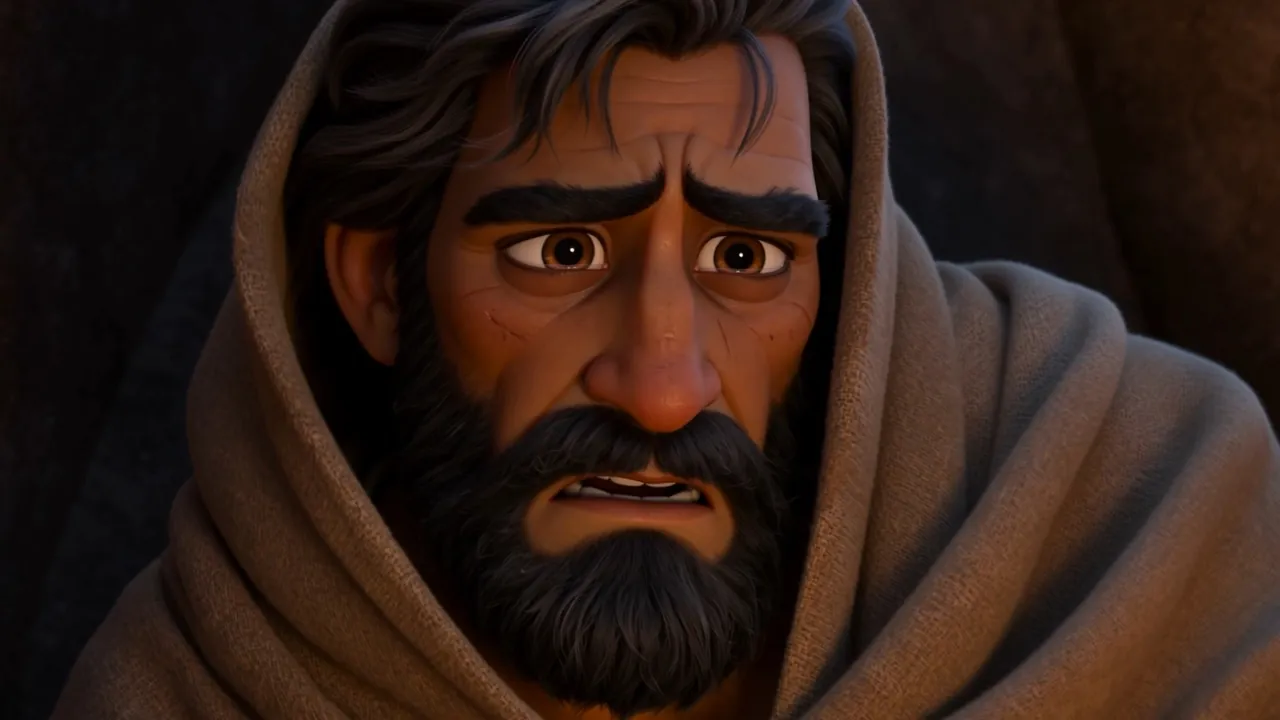
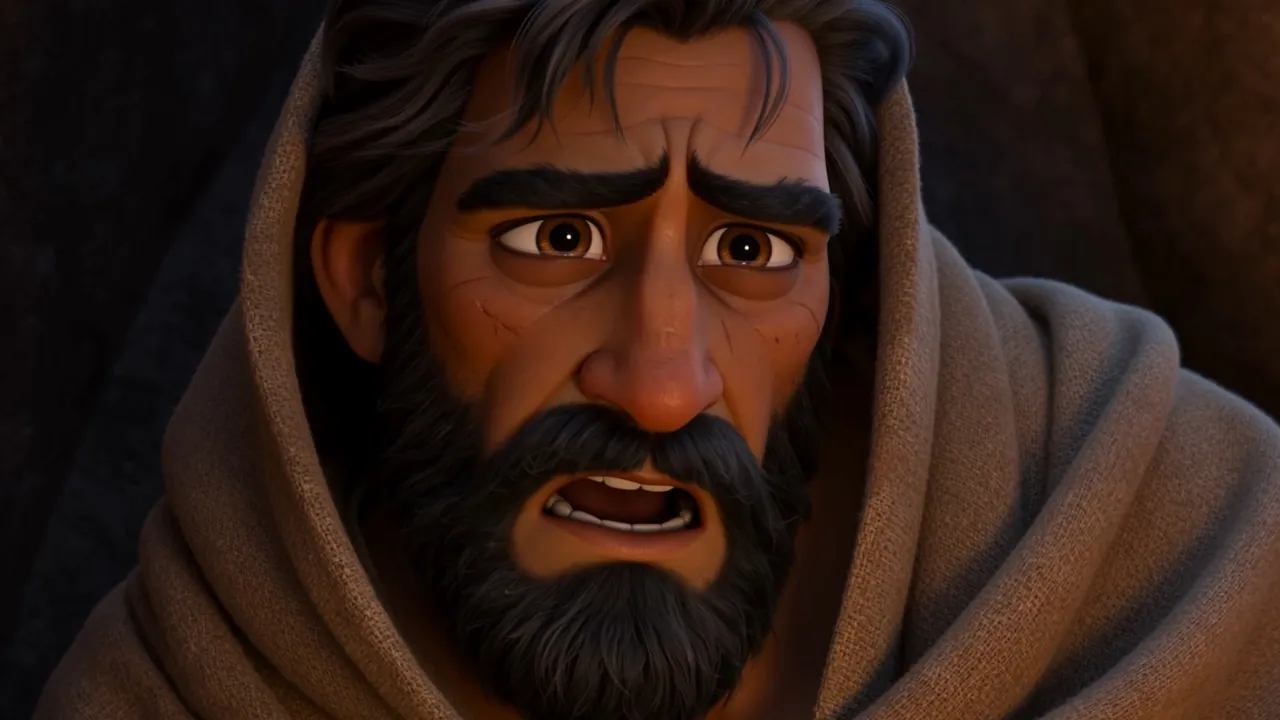
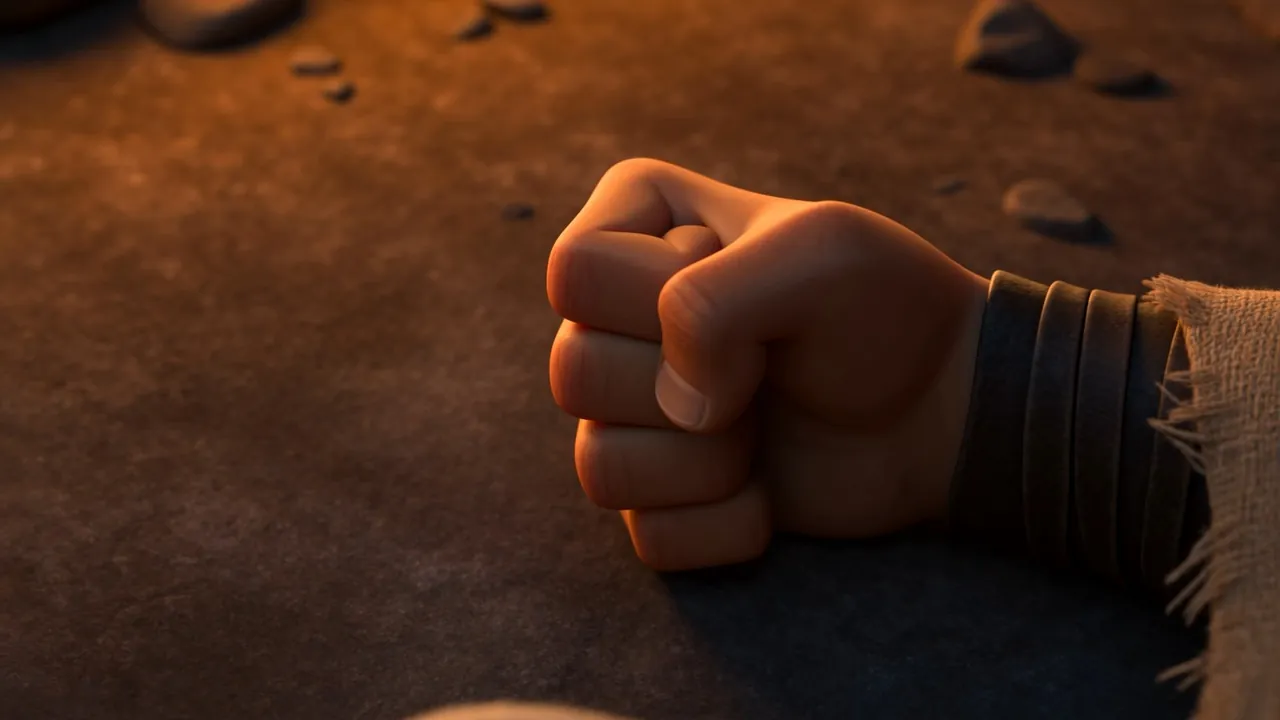

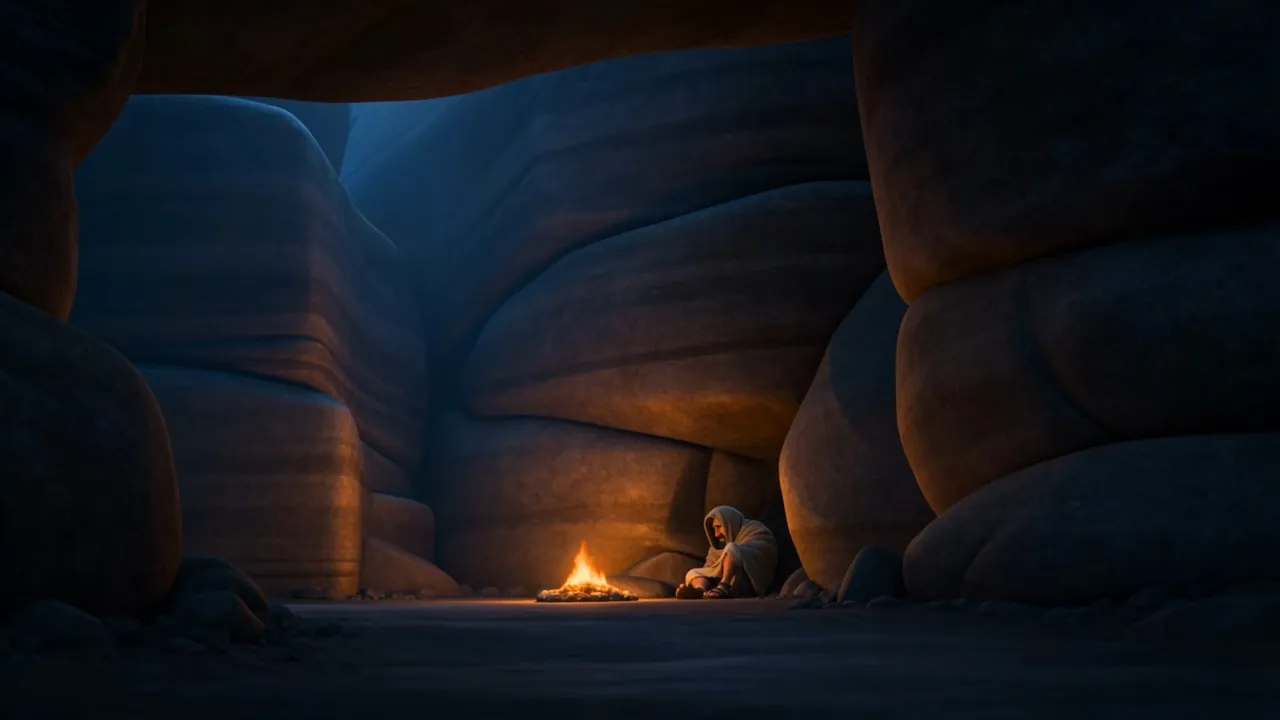
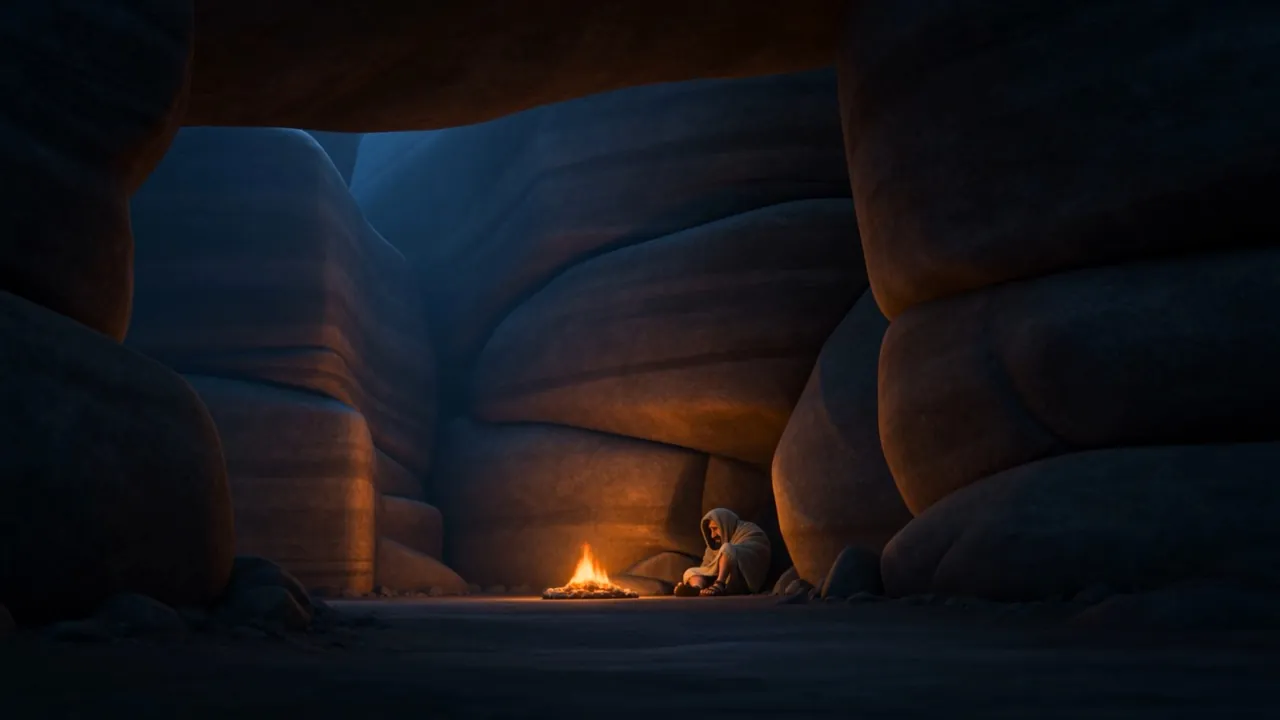
God asked the same question again, and Elijah gave the same answer — I, even I only, am left. So God answered the loneliness three ways: a job to do (go anoint kings), a friend to do it with (Elisha), and a fact he had no way of knowing. “Yet I will leave seven thousand in Israel, all the knees which have not bowed to Baal.” He was never the only one. He just couldn't see them from the cave. 1 Kings 19 : 14–18
Seven thousand who have not bowed.
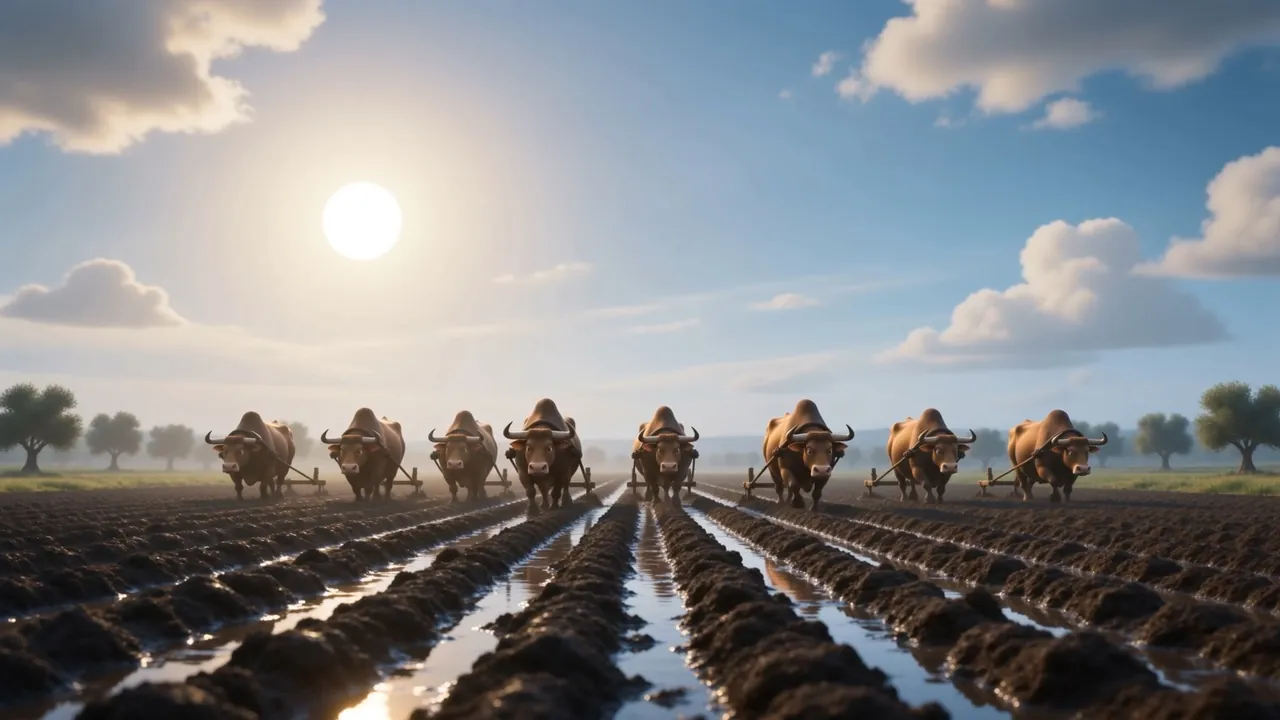

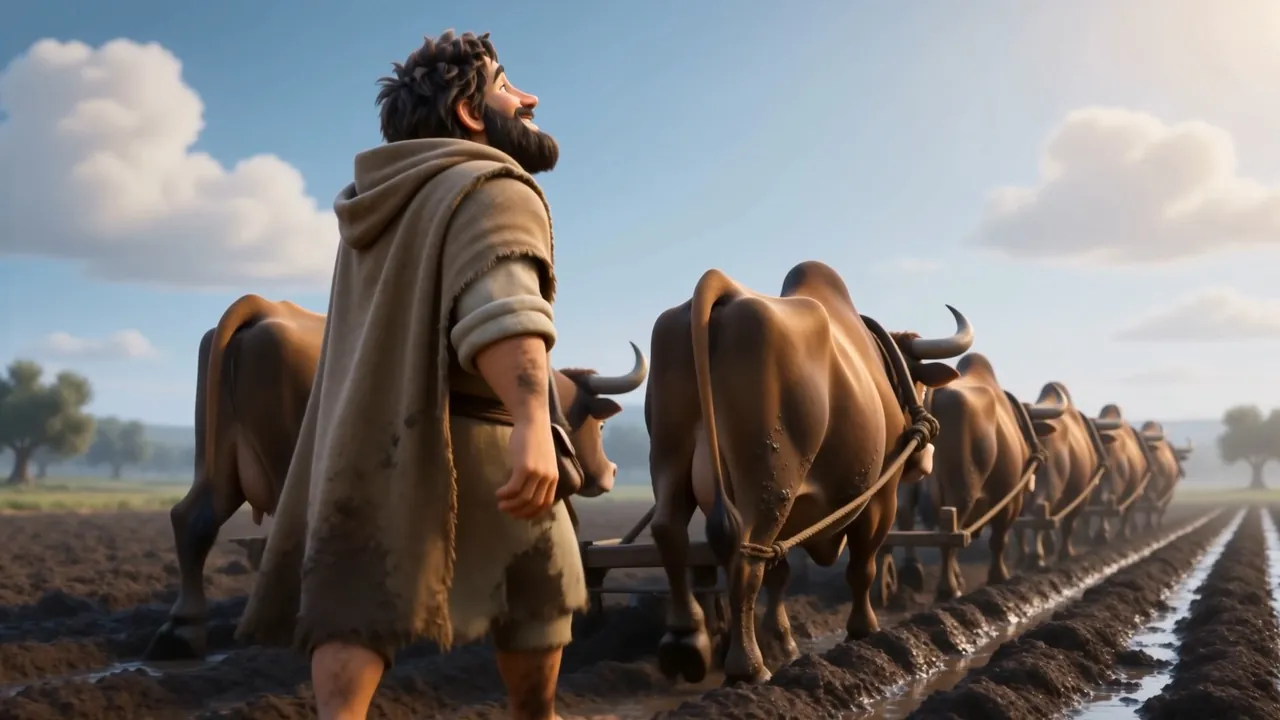
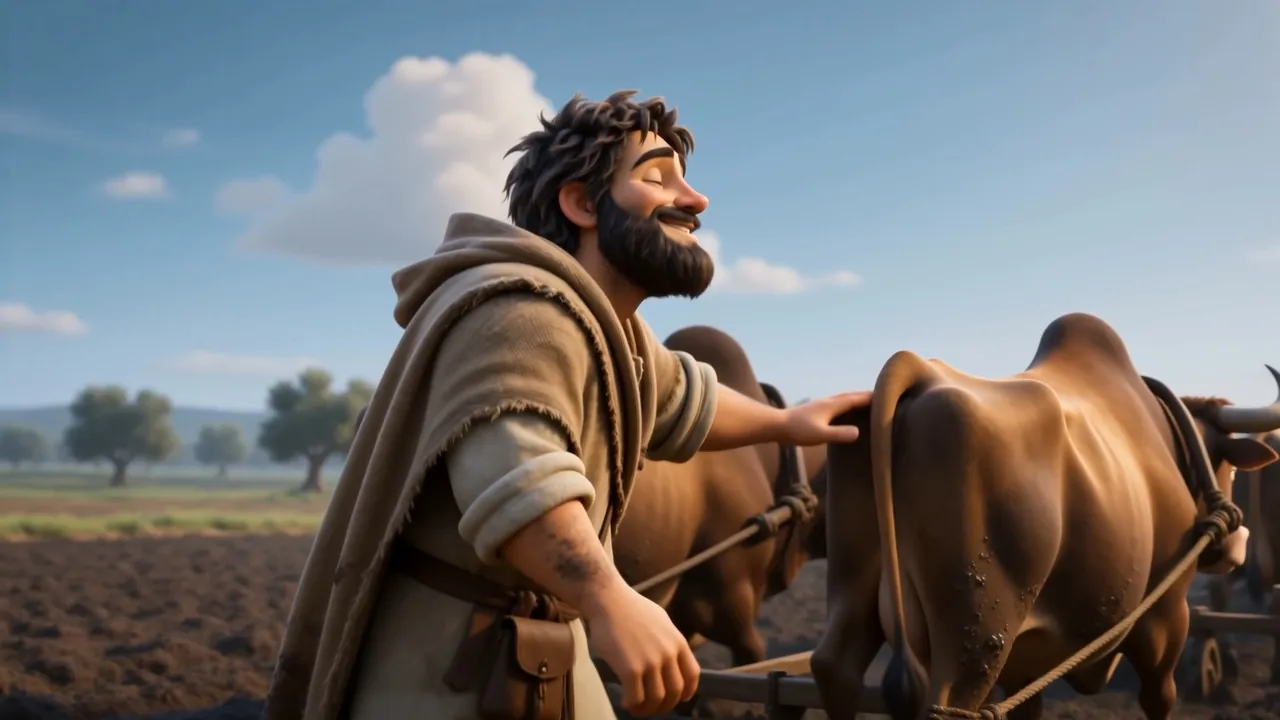

God's cure for "I am the only one left" was a farmer. Elisha the son of Shaphat was ploughing, with twelve yoke of oxen before him, and he with the twelfth. Twelve teams means a big farm and a comfortable life — and the detail that matters is where he was: not in a temple. In a field, in the mud, doing an honest day's work. 1 Kings 19 : 19
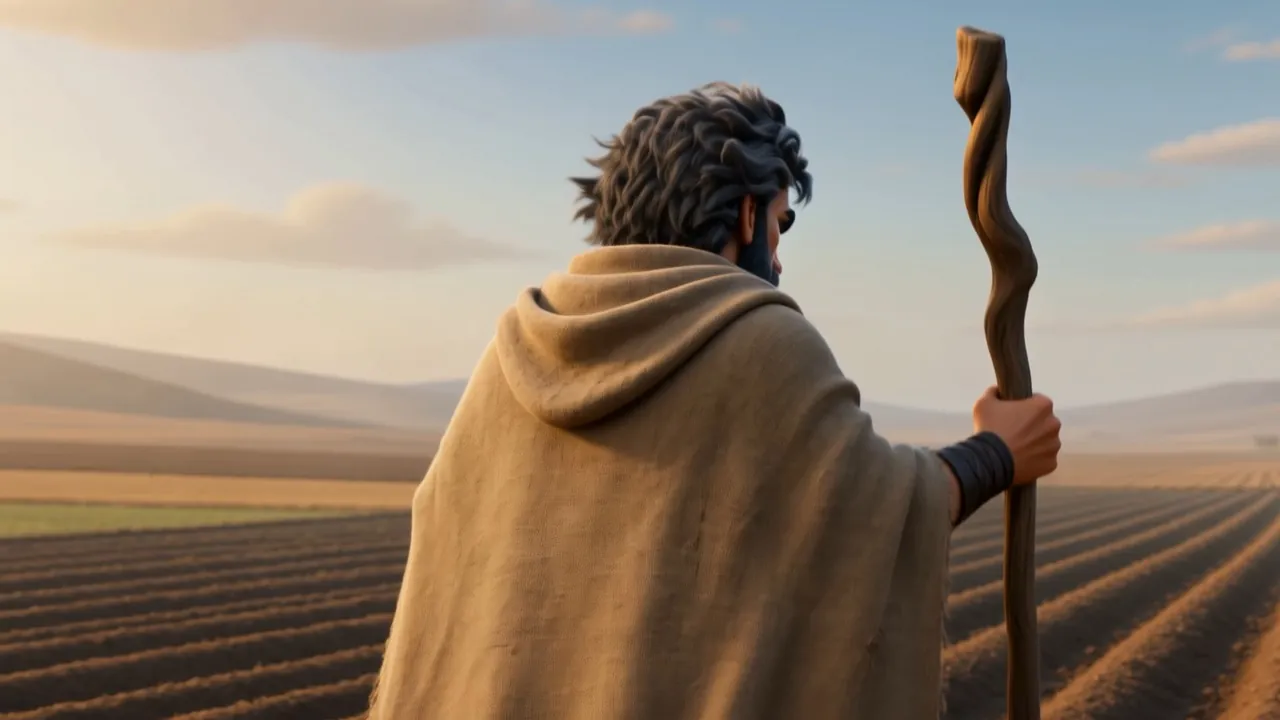
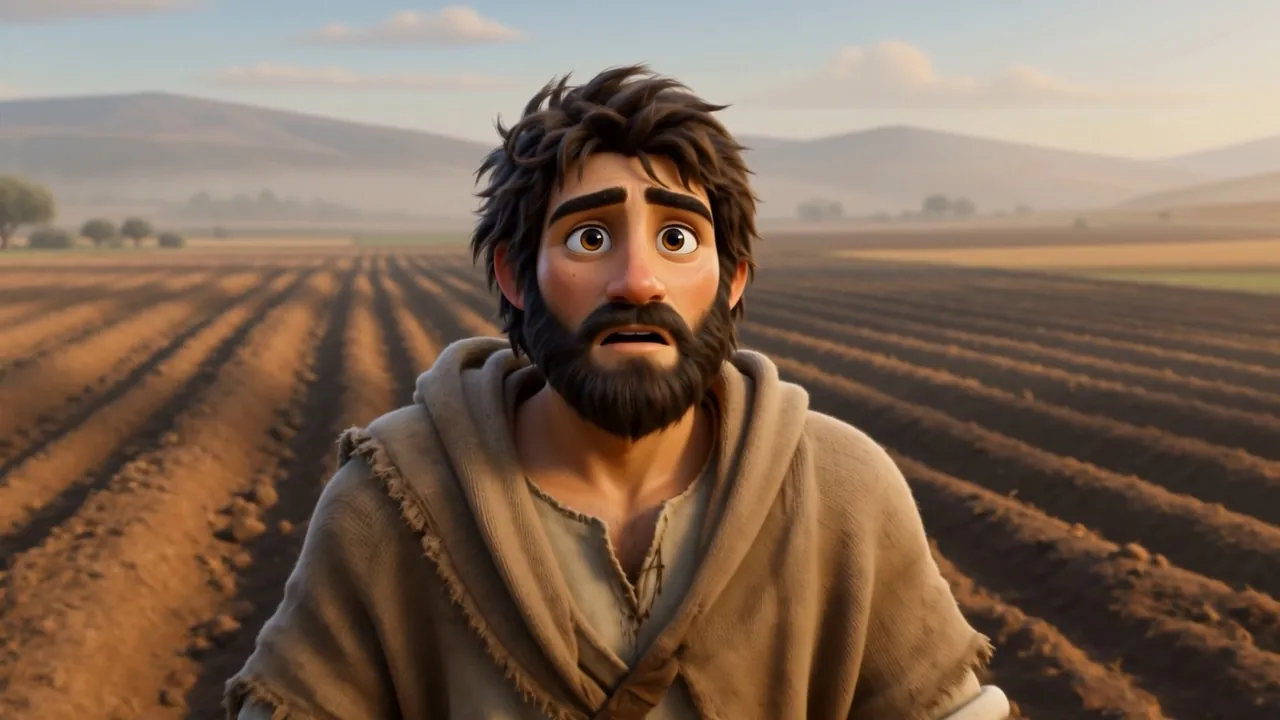



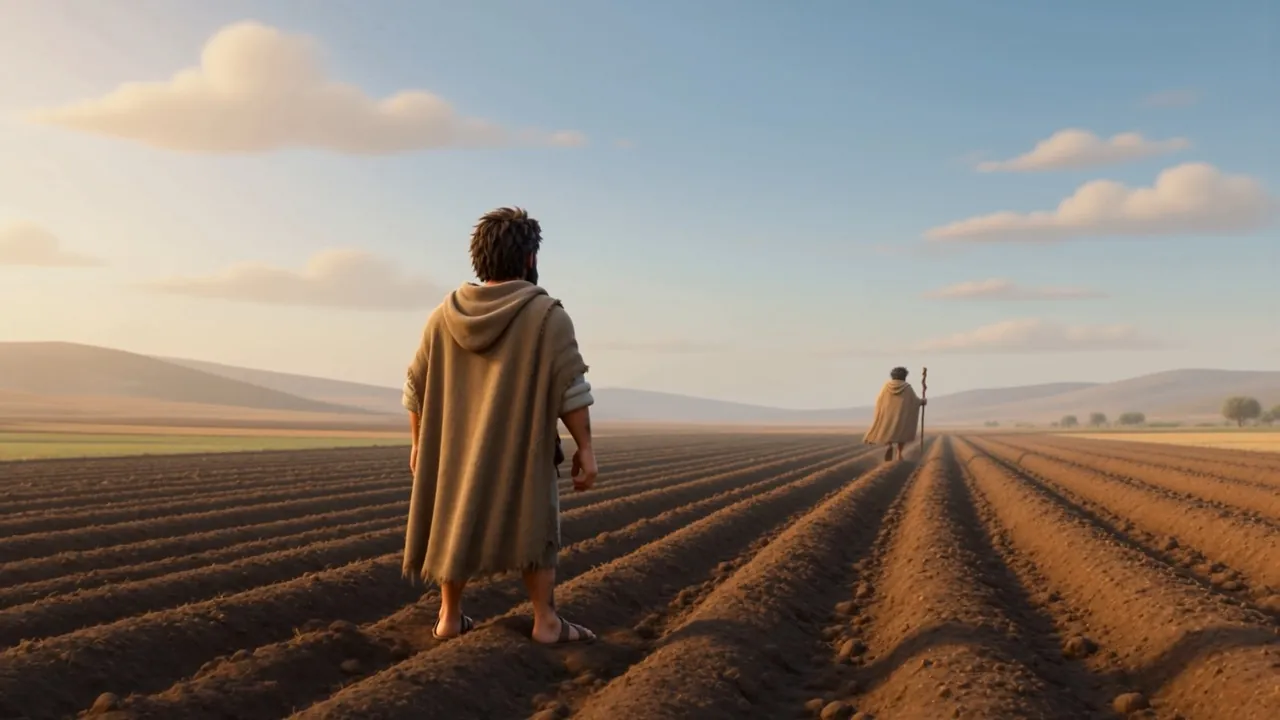
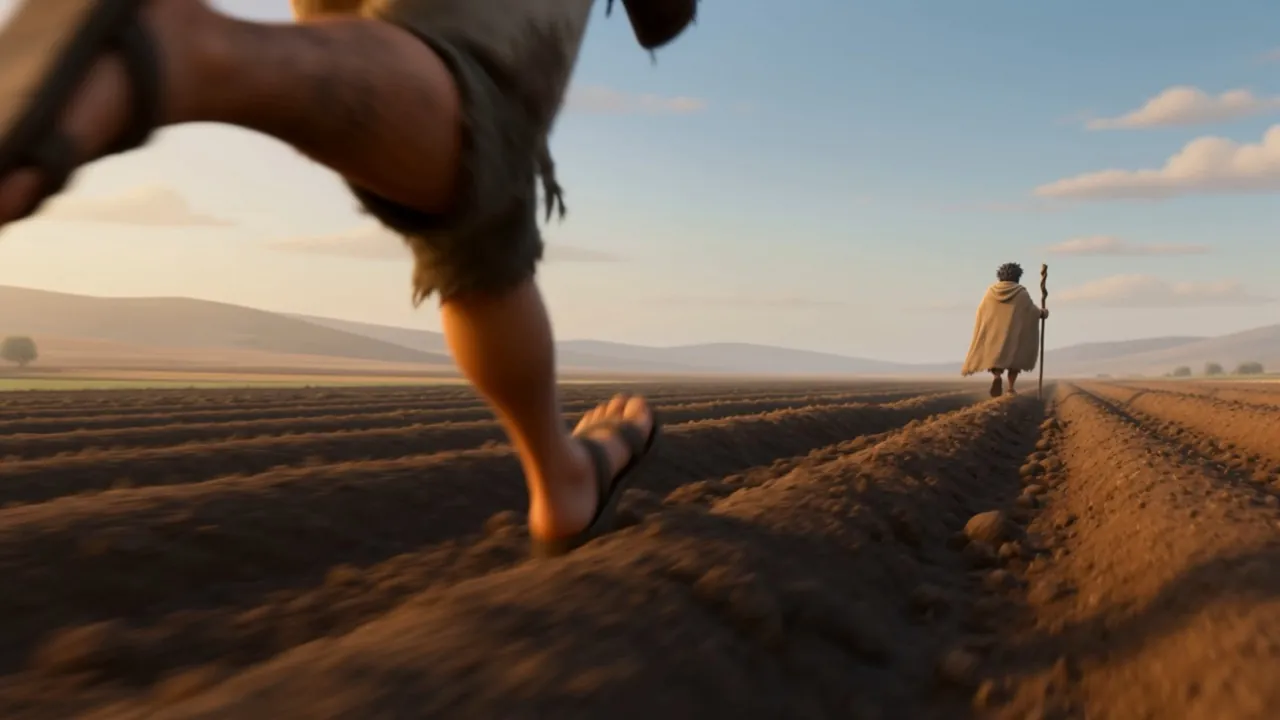
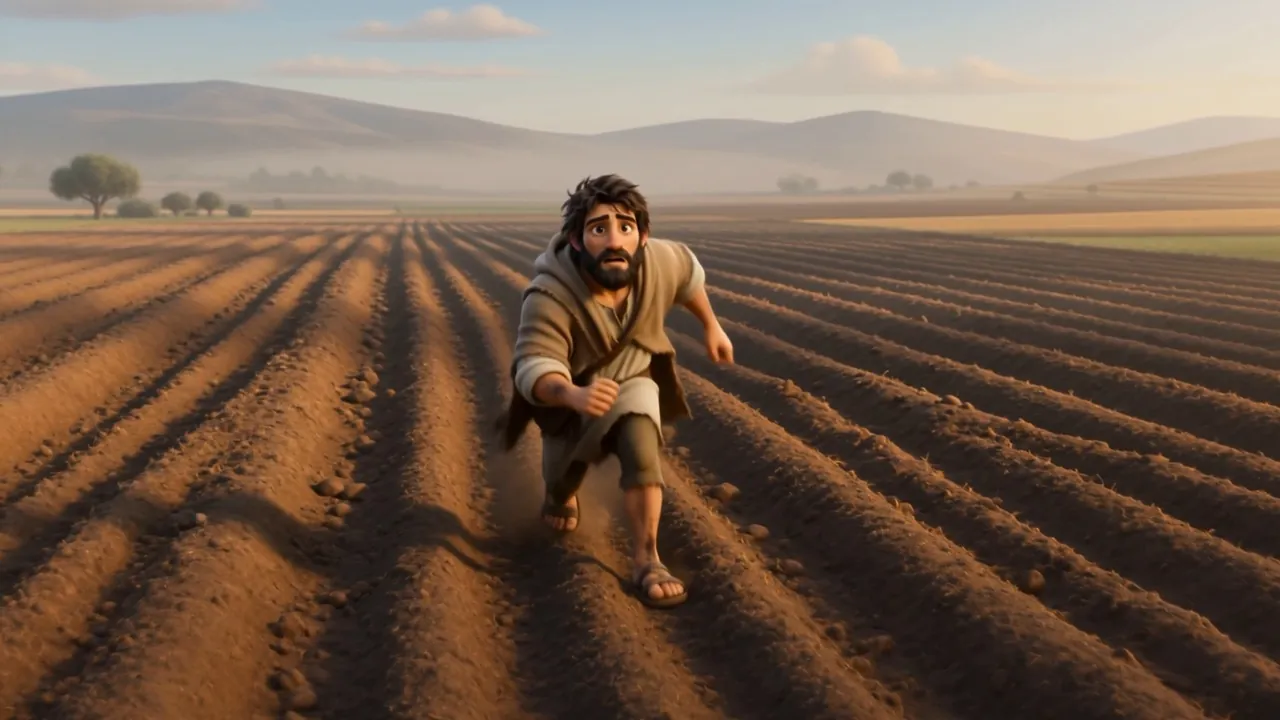
No speech. No invitation. Elijah walked past and threw his mantle on him — the same cloak he'd wrapped his face in on the mountain — and kept walking. Elisha ran after him: let me kiss my father and mother, and then I'll follow. And Elijah's answer is beautifully unbothered: “Go back again; for what have I done to you?” Your call, son. I only dropped a coat on you. 1 Kings 19 : 20

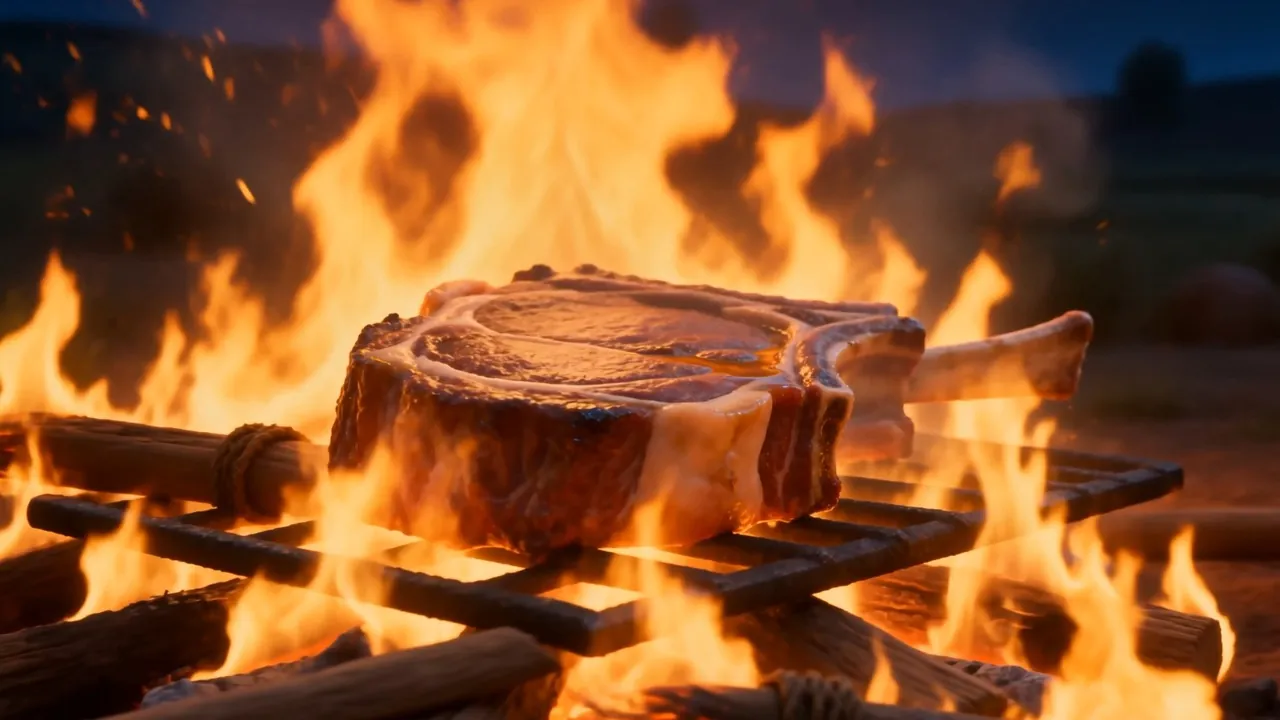
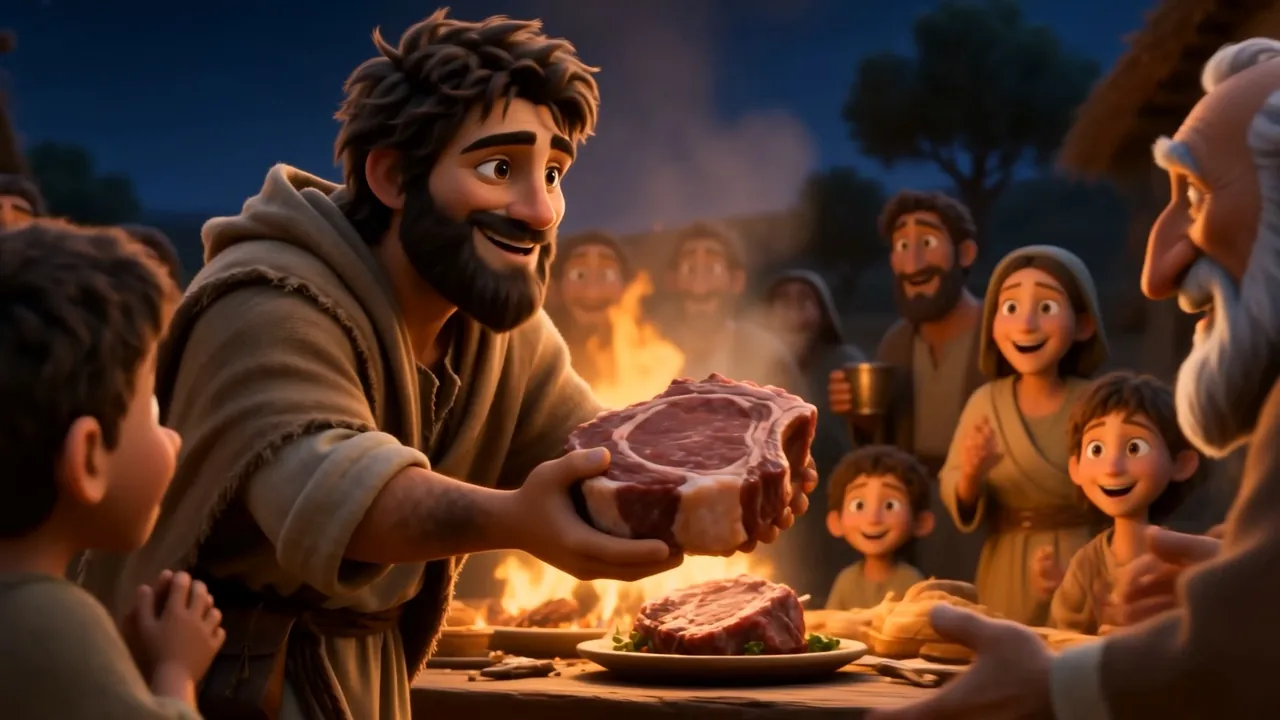
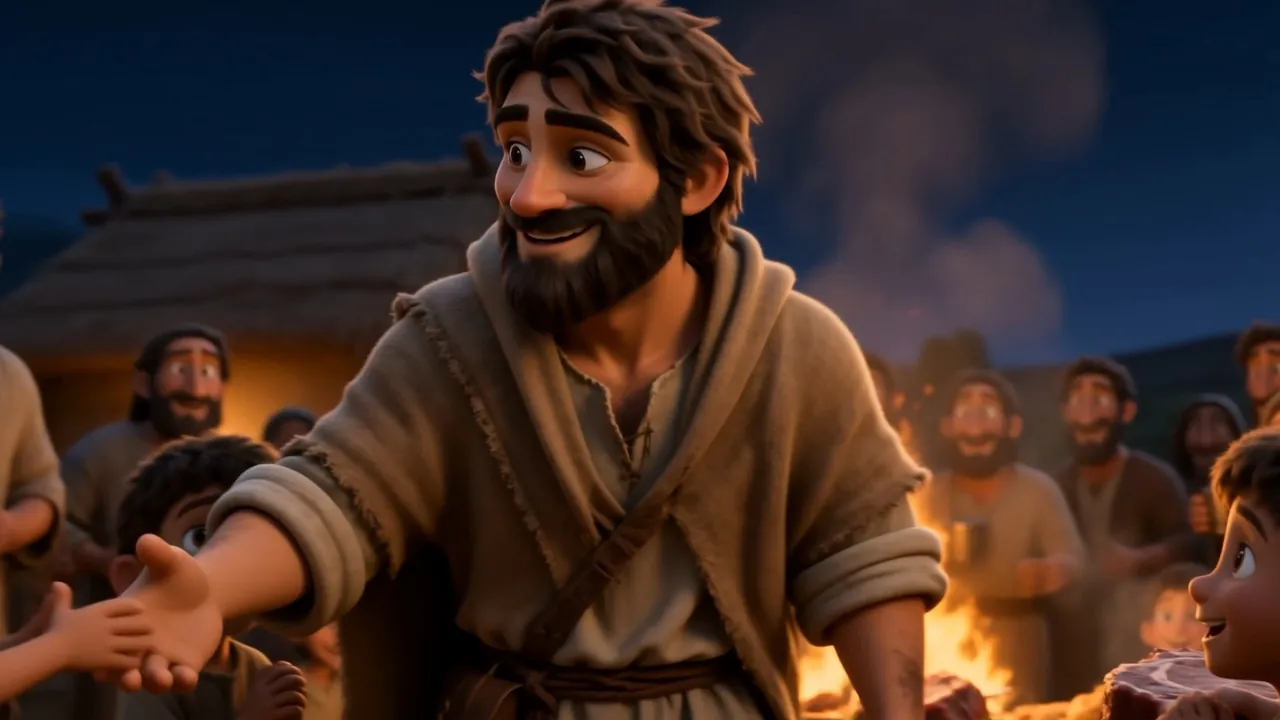
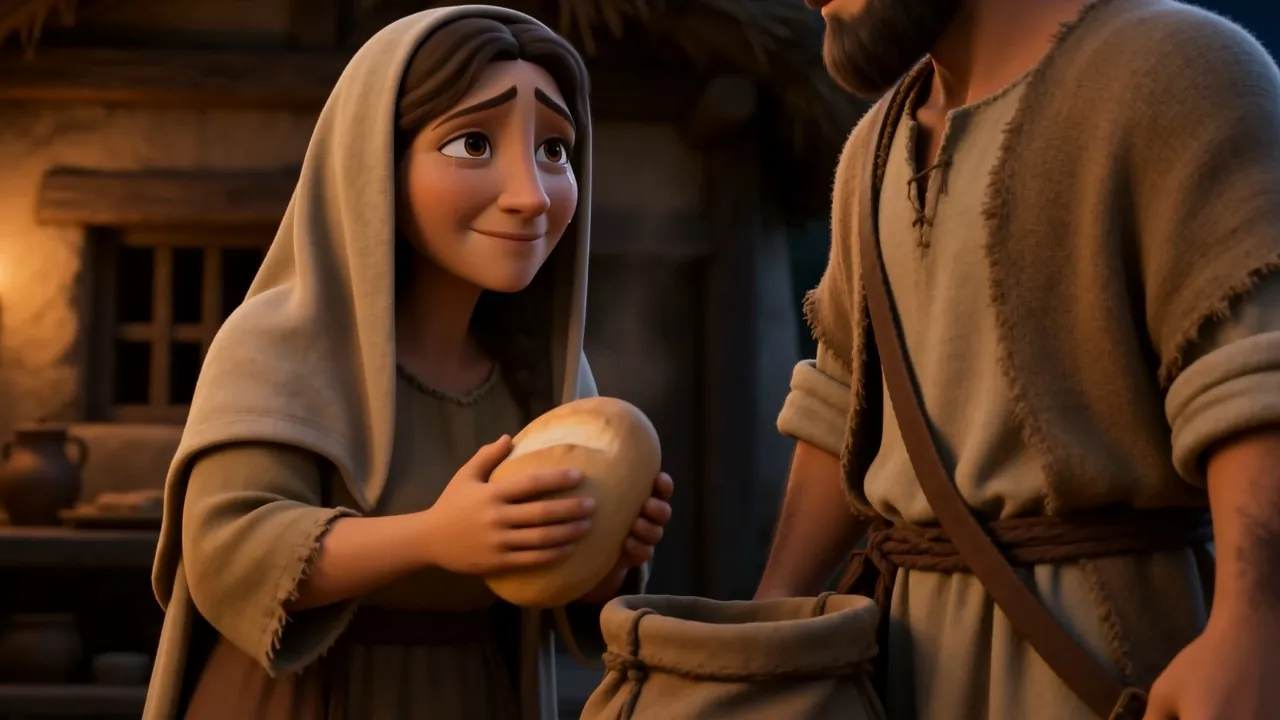
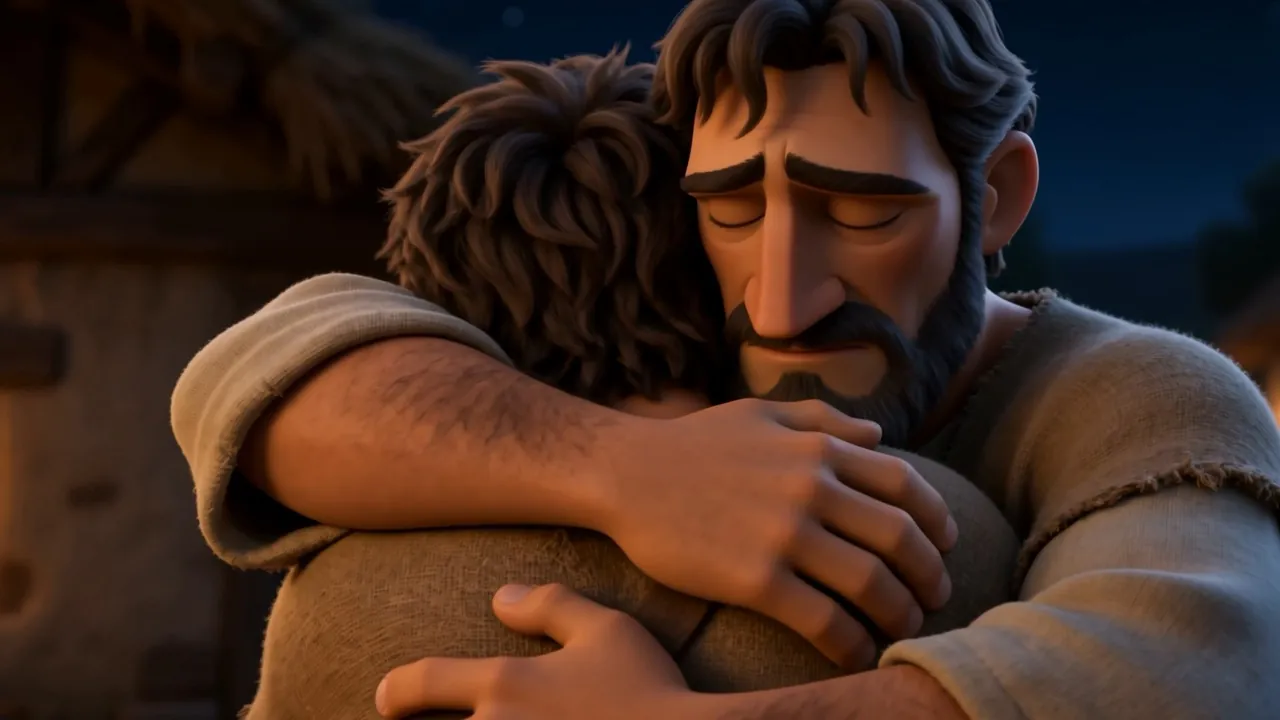
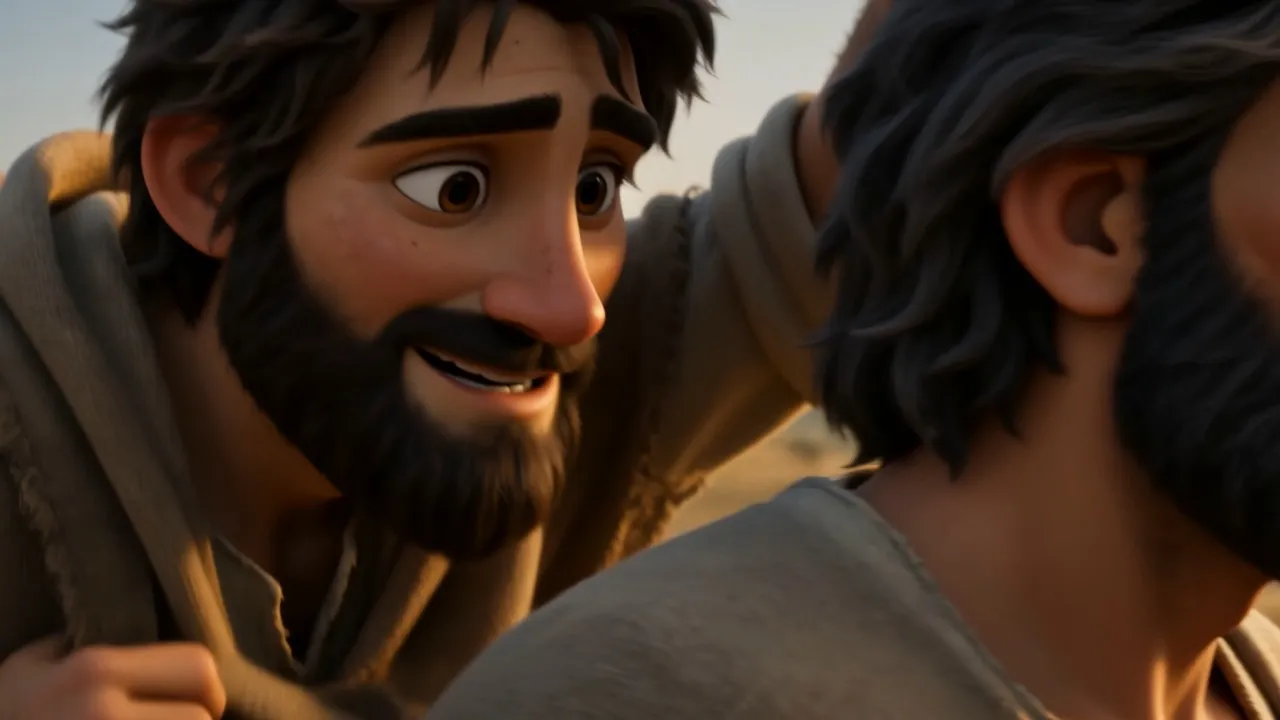
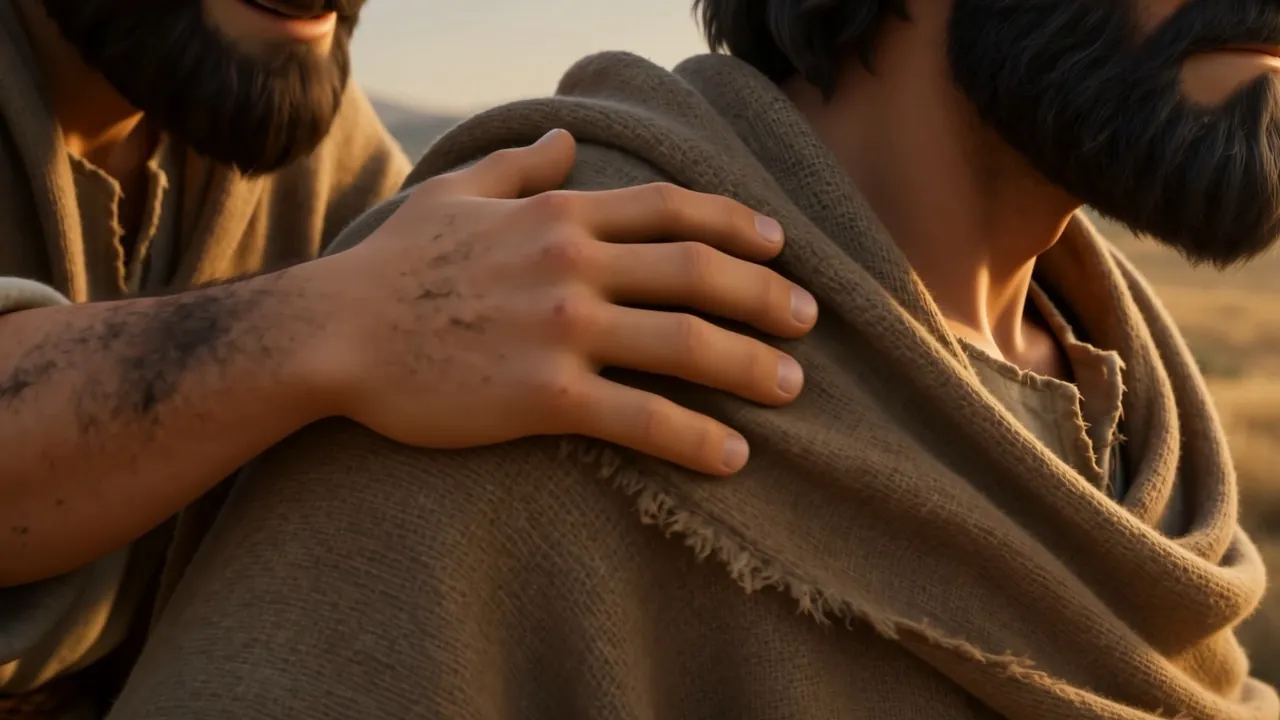
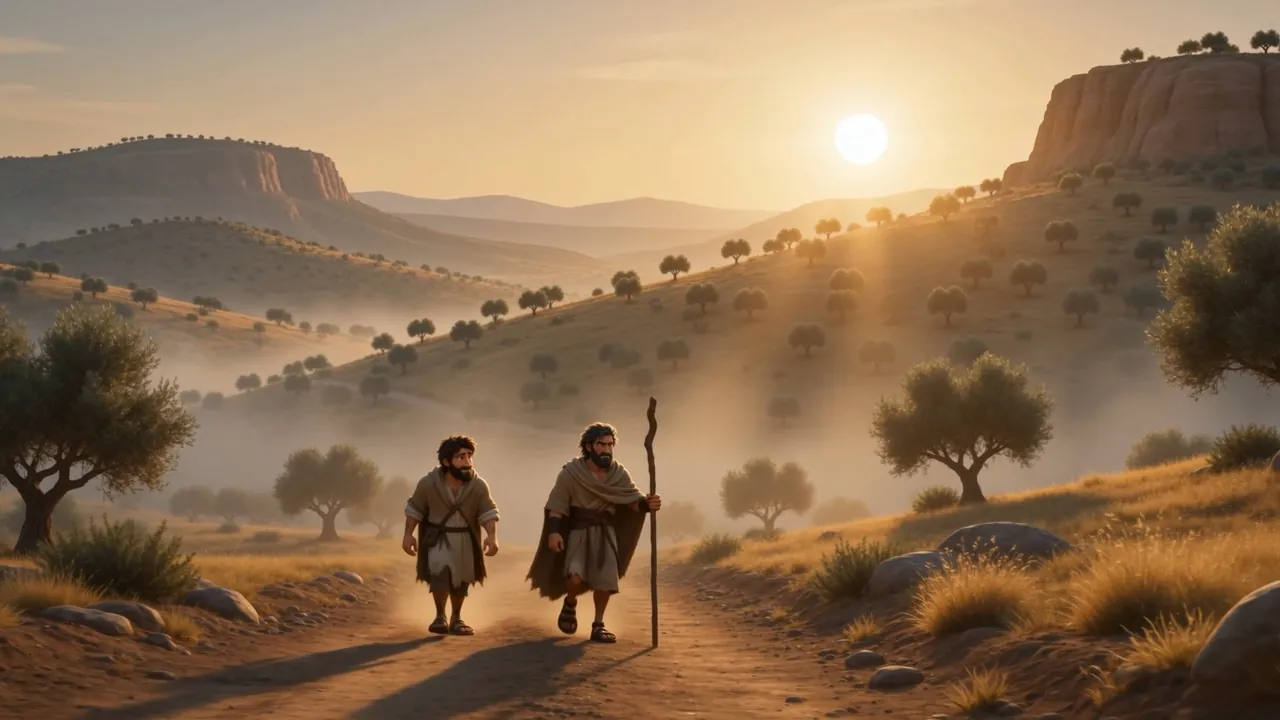
So Elisha went back — and then did something wonderfully final. He took the yoke of oxen and killed them, and boiled their flesh with the equipment of the oxen, and gave to the people, and they ate. He burned the ploughs to cook the animals and threw a village feast with his own career. Nothing to come back to. Then he arose, and went after Elijah, and served him. 1 Kings 19 : 21
He burned the plough to cook the oxen.
This is the chapter people reach for when they are tired, and it earns that. The prophet who called down fire could not talk himself out of despair — and God's first move was not a rebuke but a meal. Then a nap. Then another meal. Then a mountain, three spectacles that weren't the point, and a silence that was. And at the end of it, not a lecture but a companion: a young farmer with mud on his legs who burned his own plough for firewood and never went home again.
Voices of the whisper · hover or tap to turn
Elijah
"I, even I only, am left; and they seek my life, to take it away."
— 1 Kings 19:10
The Angel
"Arise and eat, because the journey is too great for you."
— 1 Kings 19:7
Elisha
"Let me please kiss my father and my mother, and then I will follow you."
— 1 Kings 19:20Before the whirlwind
Were you listening for the quiet part?
1. What did Elijah ask for under the broom tree?
"It is enough. Now, O Yahweh, take away my life; for I am not better than my fathers" (1 Kings 19:4).
2. What did the angel do about it?
Bread baked on coals and a jar of water, twice, with one sentence: "the journey is too great for you" (1 Kings 19:5–7).
3. Where was God at Horeb?
Not in the wind, not in the earthquake, not in the fire — but in "a still small voice", a sound of thin silence (1 Kings 19:11–12).
4. What was Elisha doing when he was called?
He was in the mud behind twelve teams of oxen — and afterwards burned the ploughs to cook the animals for a farewell feast (1 Kings 19:19–21).
What this story teaches
Sometimes the holiest thing is a nap.
God's answer to "take my life" was bread, water and sleep — twice — before a single word of correction. Exhaustion is not a spiritual failure, and heaven treats it as what it is.
“Arise and eat, because the journey is too great for you.” 1 Kings 19 : 7God isn't only in the spectacular.
Wind, earthquake, fire — all the things Elijah was famous for, and God was in none of them. He came in a sound like thin silence. Don't mistake the volume of a thing for the presence of God in it.
“…and after the fire a still small voice.” 1 Kings 19 : 12You are not the only one.
"I alone am left" was the most sincere thing Elijah said — and it was wrong by seven thousand. Despair shrinks the count. There are more faithful people around you than you can see from inside the cave.
“Yet I will leave seven thousand in Israel… which have not bowed to Baal.” 1 Kings 19 : 18Read the scripture itself. 1 Kings 19 · World English Bible
1 Kings 19
1Ahab told Jezebel all that Elijah had done, and how he had killed all the prophets with the sword.
2Then Jezebel sent a messenger to Elijah, saying, “So let the gods do to me, and more also, if I don’t make your life as the life of one of them by tomorrow about this time!”
3When he saw that, he arose, and ran for his life, and came to Beersheba, which belongs to Judah, and left his servant there.
4But he himself went a day’s journey into the wilderness, and came and sat down under a juniper tree. Then he requested for himself that he might die, and said, “It is enough. Now, O Yahweh, take away my life; for I am not better than my fathers.”
5He lay down and slept under a juniper tree; and behold, an angel touched him, and said to him, “Arise and eat!”
6He looked, and behold, there was at his head a cake baked on the coals, and a jar of water. He ate and drank, and lay down again.
7Yahweh’s angel came again the second time, and touched him, and said, “Arise and eat, because the journey is too great for you.”
8He arose, and ate and drank, and went in the strength of that food forty days and forty nights to Horeb, God’s Mountain.
9He came to a cave there, and camped there; and behold, Yahweh’s word came to him, and he said to him, “What are you doing here, Elijah?”
10He said, “I have been very jealous for Yahweh, the God of Armies; for the children of Israel have forsaken your covenant, thrown down your altars, and killed your prophets with the sword. I, even I only, am left; and they seek my life, to take it away.”
11He said, “Go out, and stand on the mountain before Yahweh.” Behold, Yahweh passed by, and a great and strong wind tore the mountains, and broke in pieces the rocks before Yahweh; but Yahweh was not in the wind. After the wind there was an earthquake; but Yahweh was not in the earthquake.
12After the earthquake a fire passed; but Yahweh was not in the fire. After the fire, there was a still small voice.
13When Elijah heard it, he wrapped his face in his mantle, went out, and stood in the entrance of the cave. Behold, a voice came to him, and said, “What are you doing here, Elijah?”
14He said, “I have been very jealous for Yahweh, the God of Armies; for the children of Israel have forsaken your covenant, thrown down your altars, and killed your prophets with the sword. I, even I only, am left; and they seek my life, to take it away.”
15Yahweh said to him, “Go, return on your way to the wilderness of Damascus. When you arrive, anoint Hazael to be king over Syria.
16Anoint Jehu the son of Nimshi to be king over Israel; and anoint Elisha the son of Shaphat of Abel Meholah to be prophet in your place.
17He who escapes from the sword of Hazael, Jehu will kill; and he who escapes from the sword of Jehu, Elisha will kill.
18Yet I reserved seven thousand in Israel, all the knees of which have not bowed to Baal, and every mouth which has not kissed him.”
19So he departed from there, and found Elisha the son of Shaphat, who was plowing with twelve yoke of oxen before him, and he with the twelfth. Elijah went over to him, and put his mantle on him.
20Elisha left the oxen, and ran after Elijah, and said, “Let me please kiss my father and my mother, and then I will follow you.” He said to him, “Go back again; for what have I done to you?”
21He returned from following him, and took the yoke of oxen, and killed them, and boiled their meat with the instruments of the oxen, and gave to the people, and they ate. Then he arose, and went after Elijah, and served him.
World English Bible (WEB) — a public-domain modern English translation. Read it freely, share it freely.
The Books of Kings — animated film 30% in production
These scenes are real frames from the film.
Help us finish it — and every story like it — free for the world.