The Books of Kings · The Whirlwind
The chariotof fire.
A king wants his neighbour's vineyard. A queen writes letters in his name. And a prophet who never dies goes home in a whirlwind, with his friend watching. Every scene below is a real frame from our animated film.
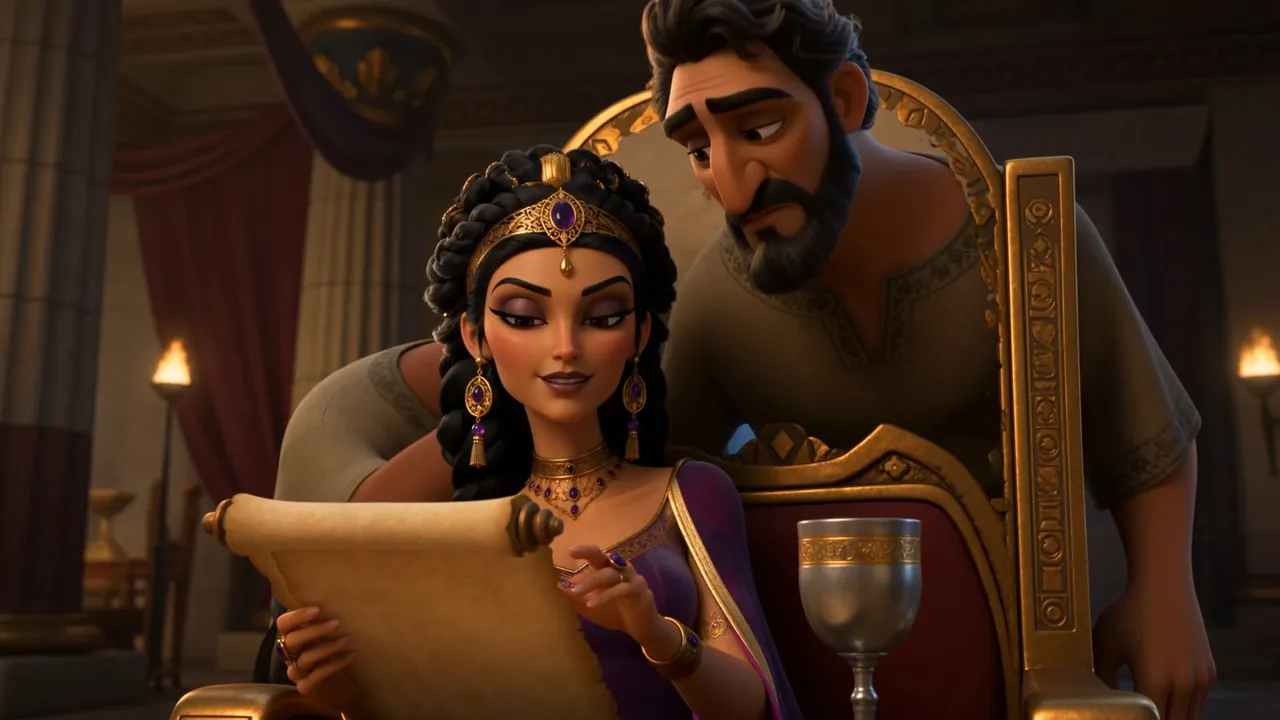
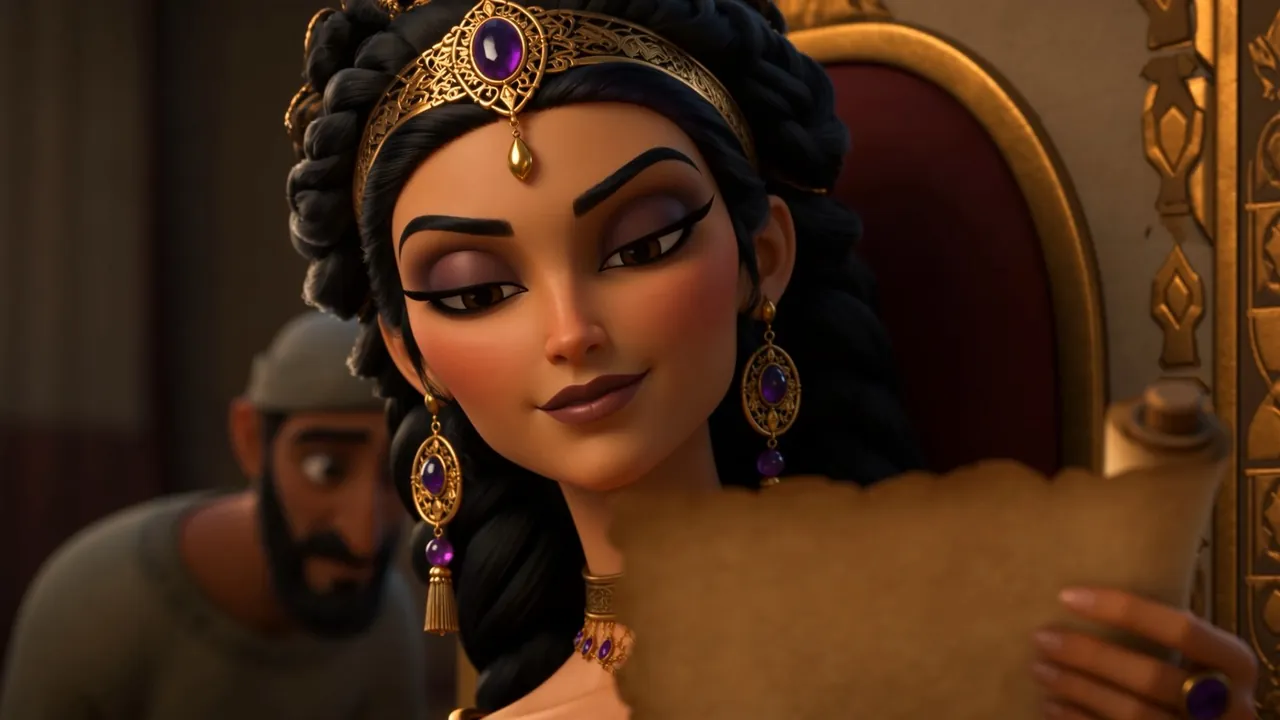

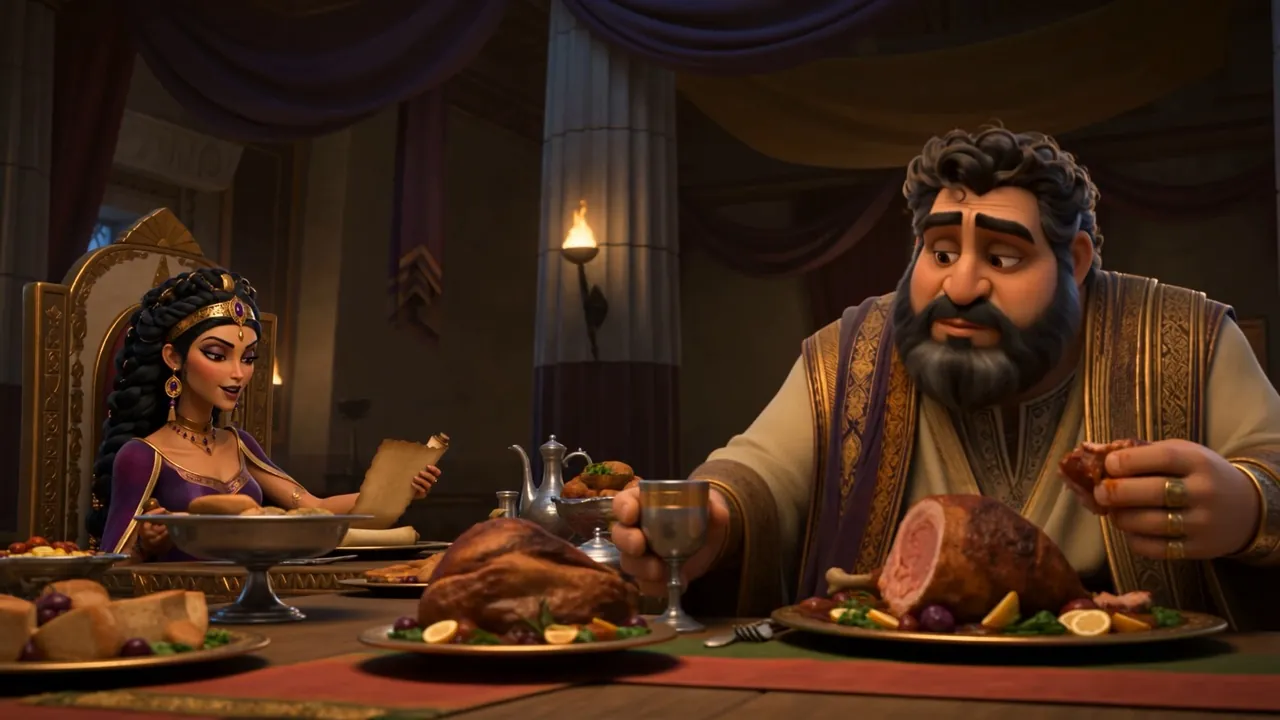
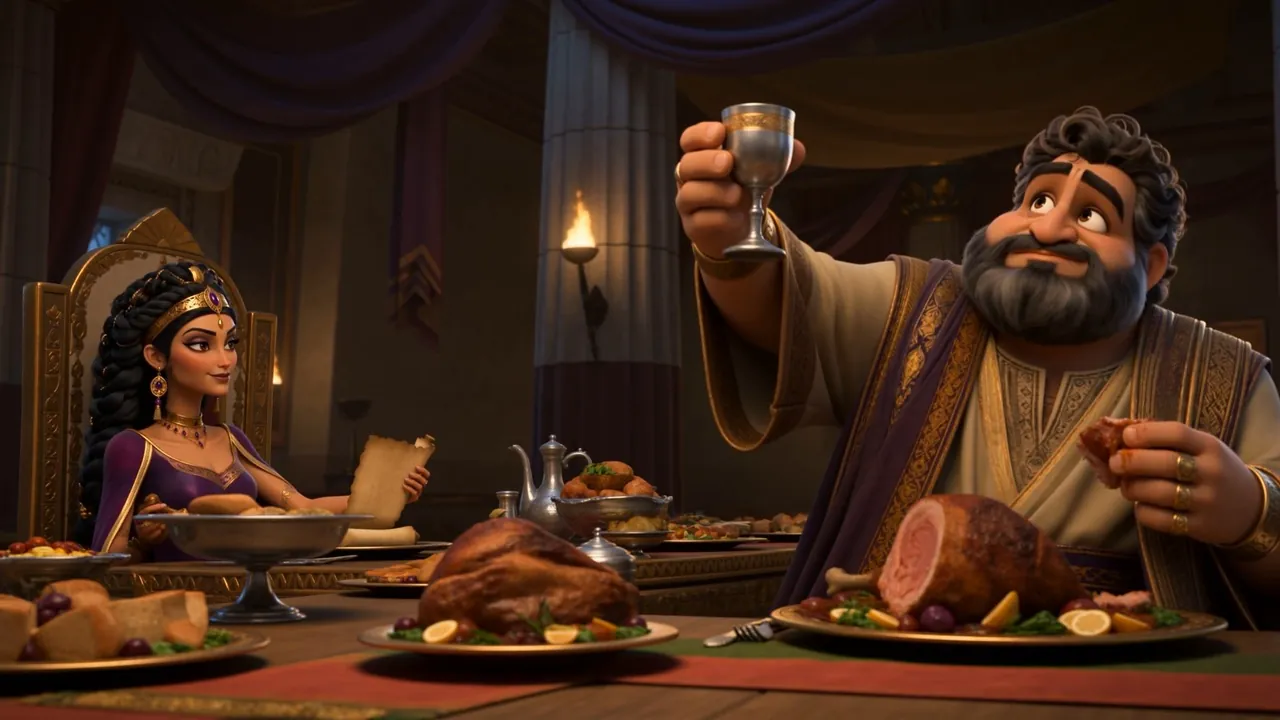
Years after Carmel, the king was still king and the queen still ran him. Ahab had palaces, ivory, an army — and a view. Next to the palace grounds at Jezreel lay a small vineyard belonging to a man named Naboth, and the king wanted it for a vegetable garden. “Give me your vineyard… and I will give you a better vineyard for it, or its worth in money.” A fair offer, on the face of it. 1 Kings 21 : 1–2

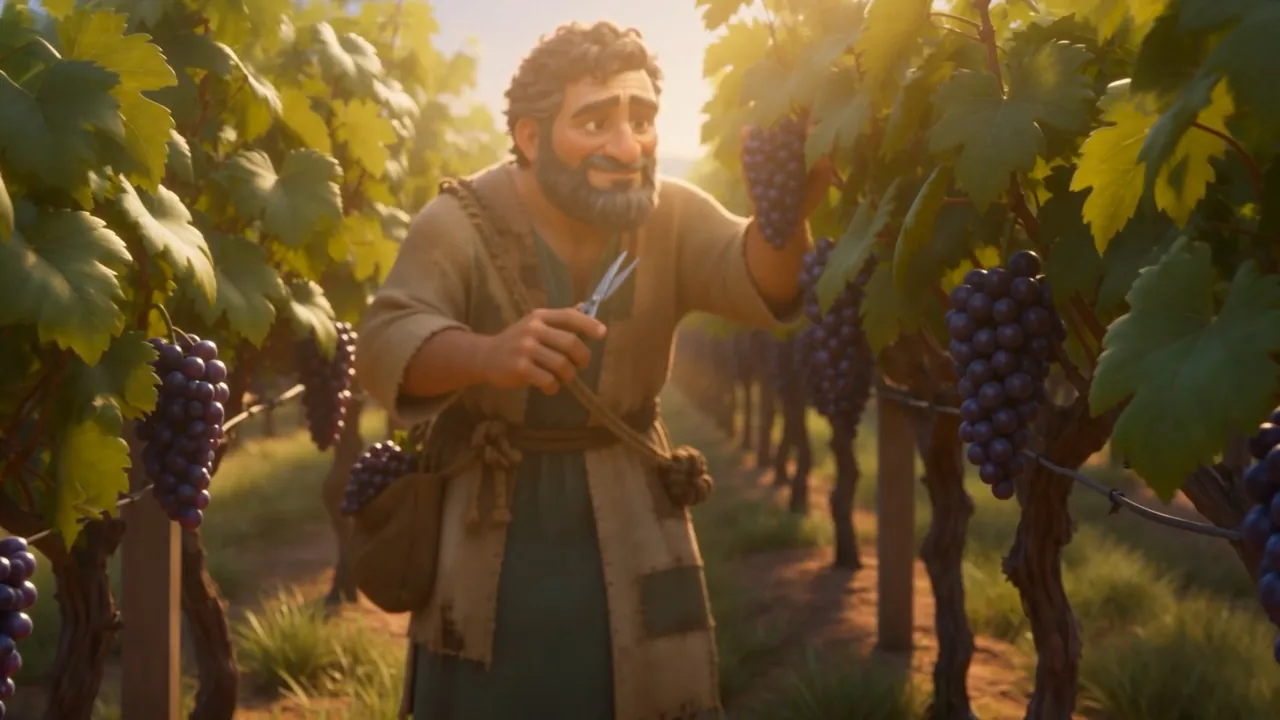
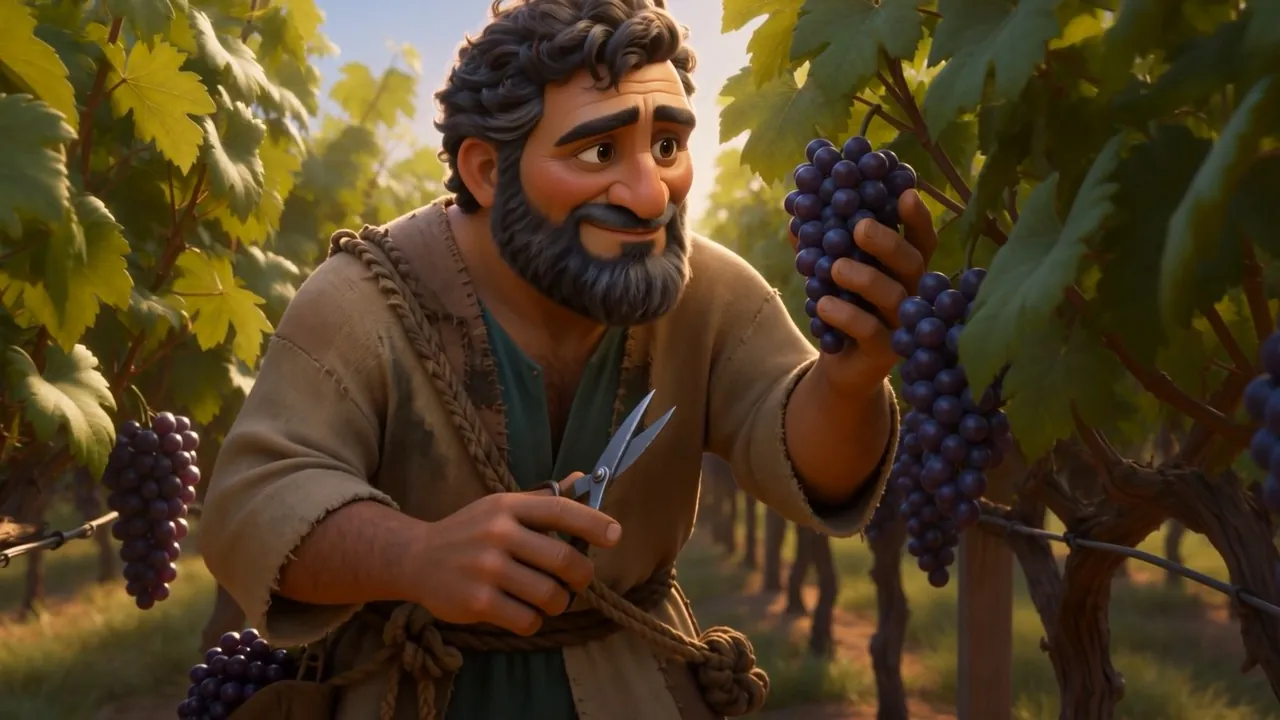
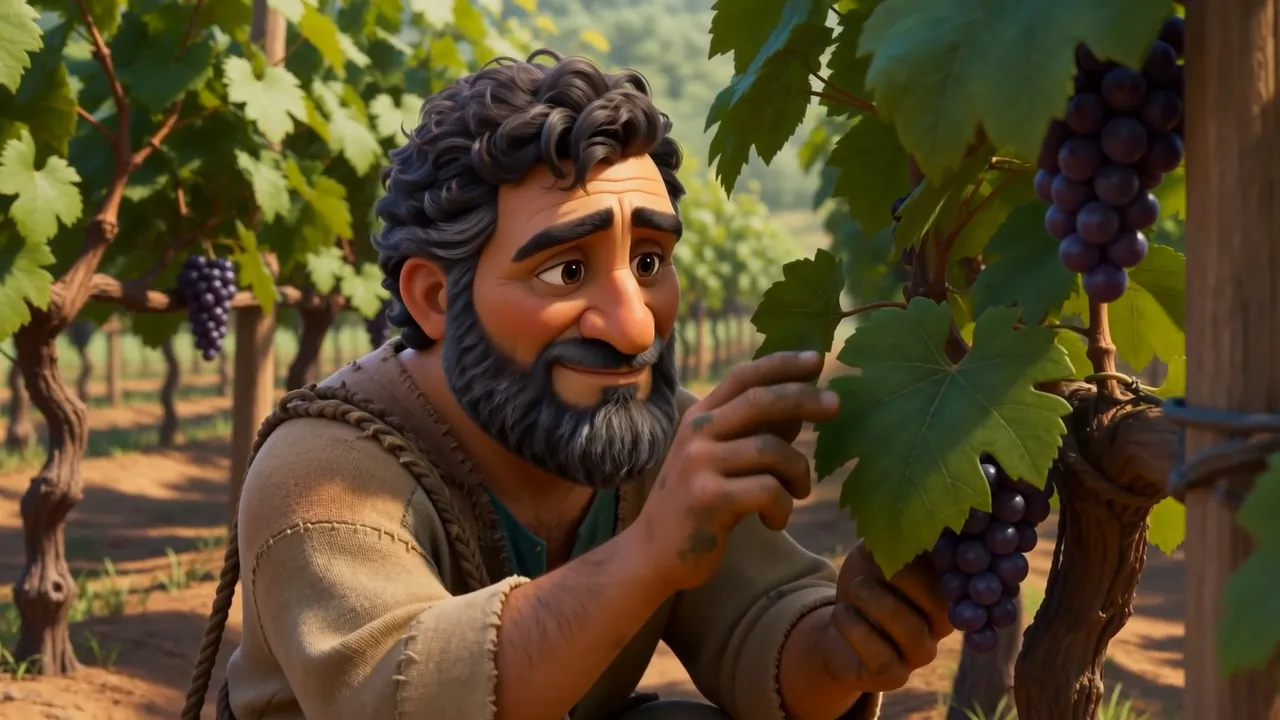
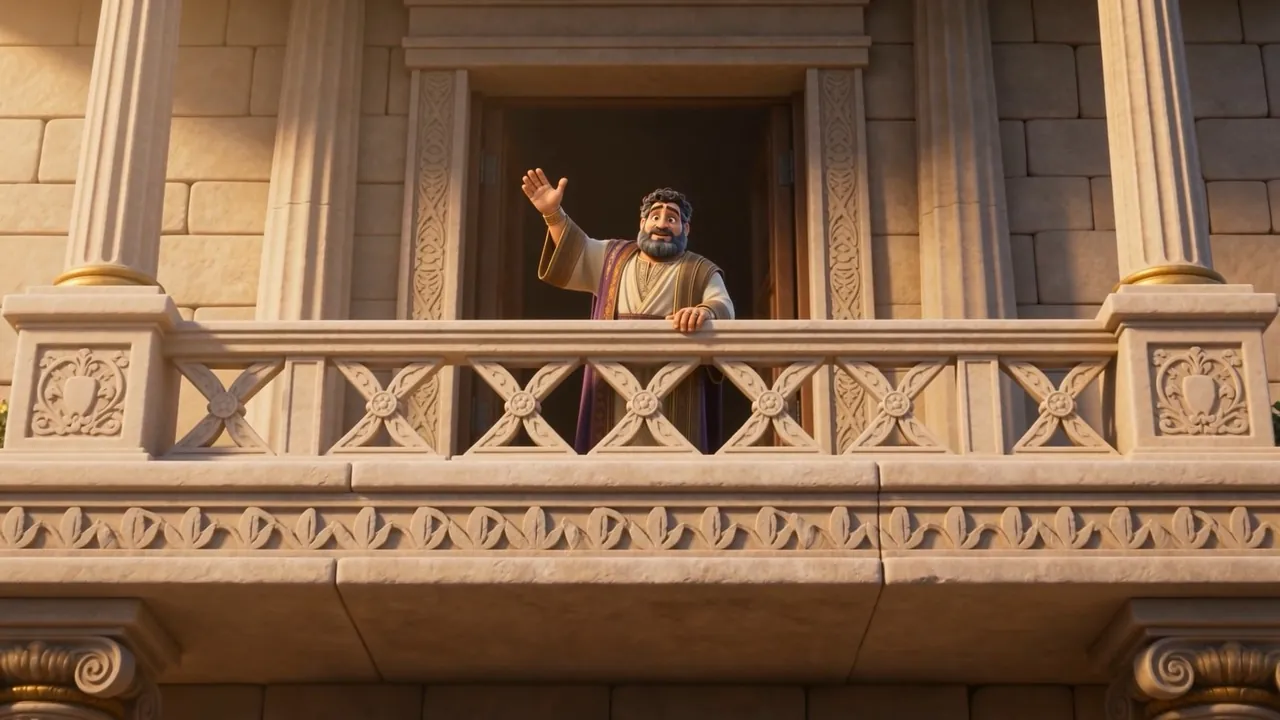
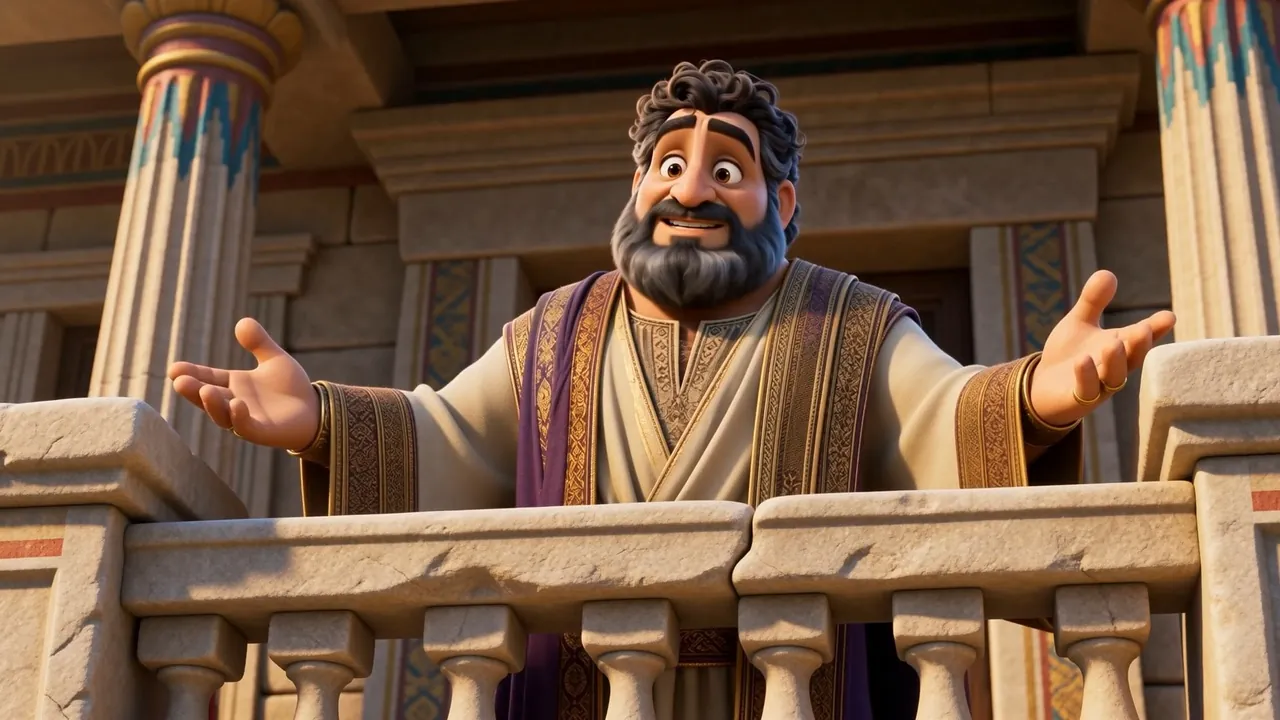
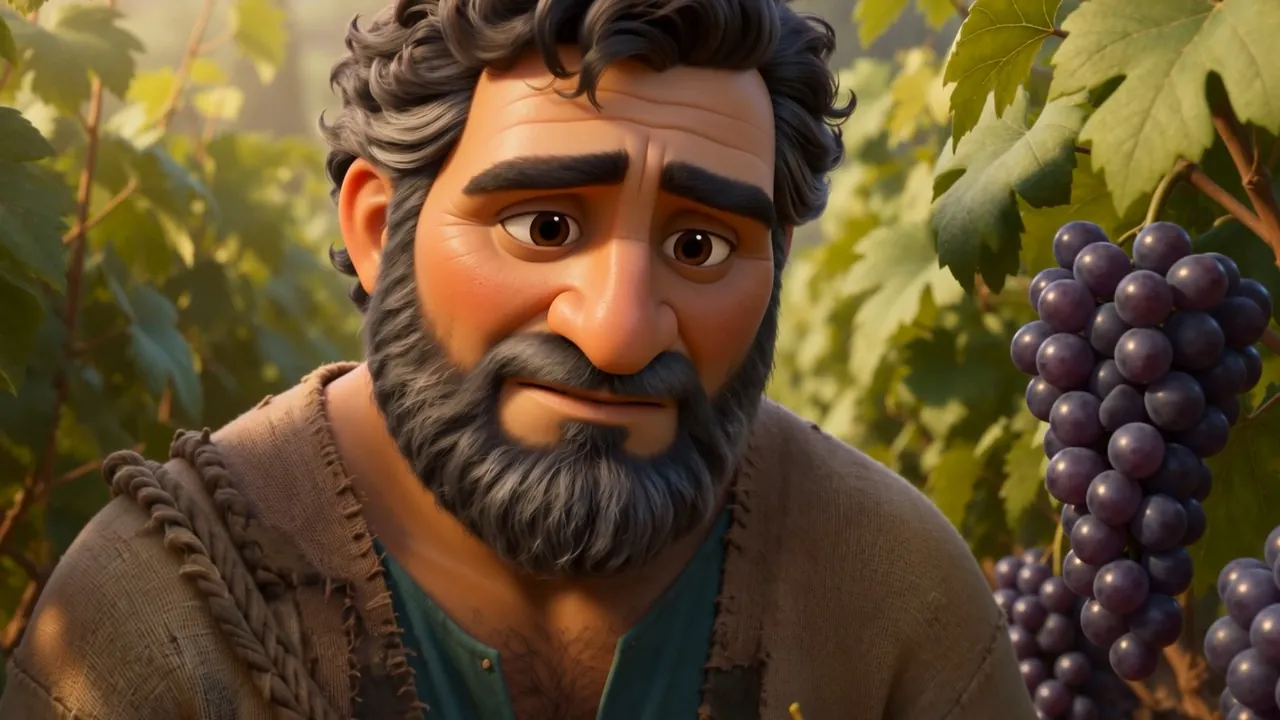
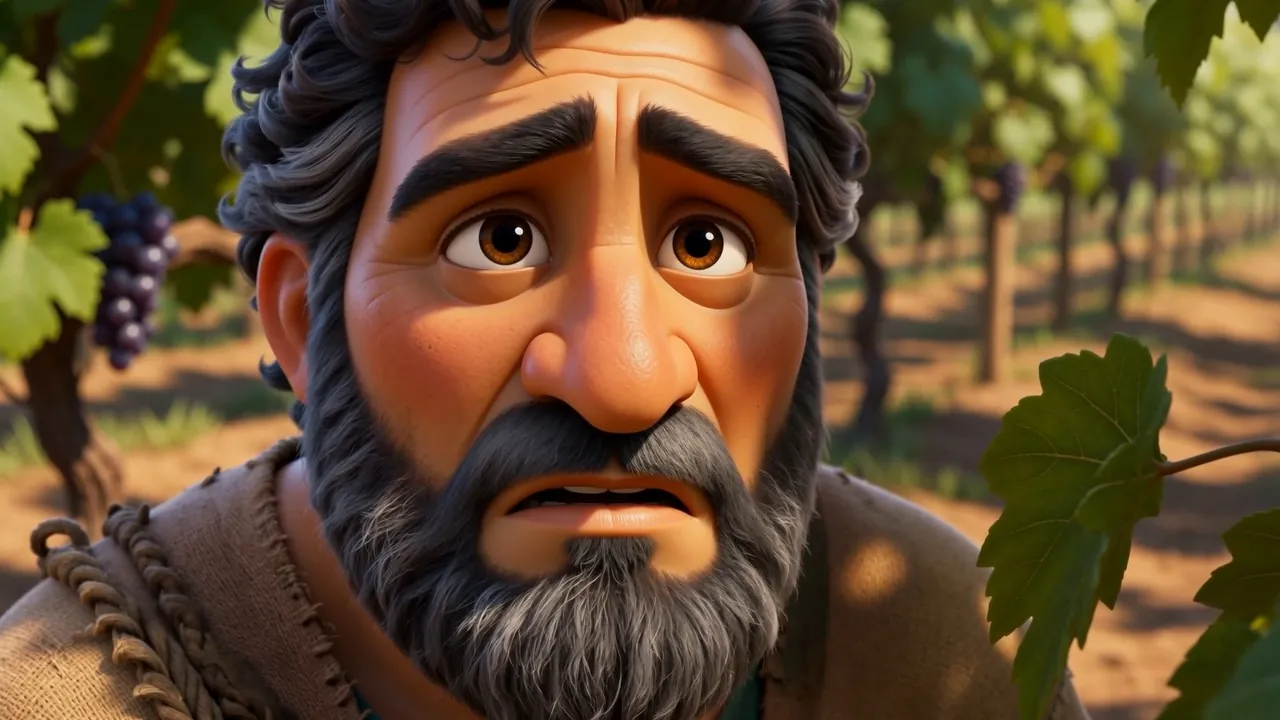
And Naboth said no. Not out of spite — out of Scripture. In Israel the land was not a commodity; it was allotted by God to families forever, and selling it off permanently was against the Law itself. “May Yahweh forbid me, that I should give the inheritance of my fathers to you!” One ordinary man, quoting God's law to a king's face. 1 Kings 21 : 3
The inheritance of my fathers.
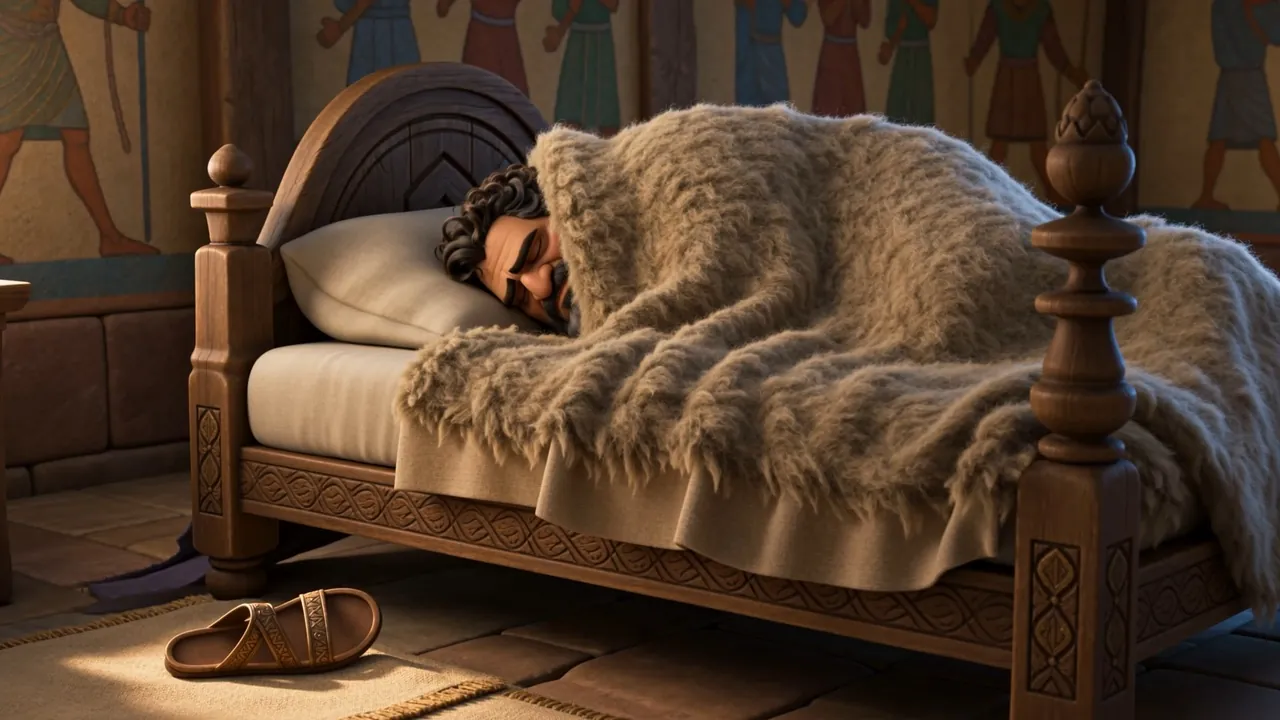
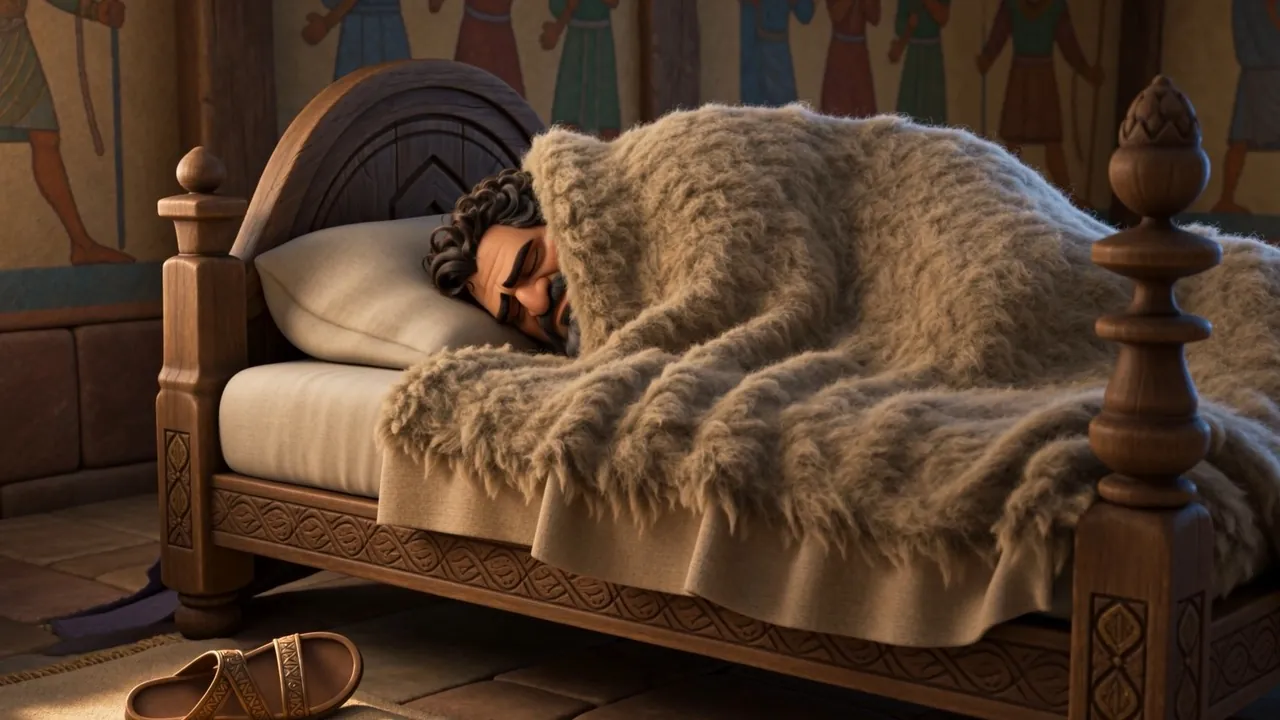
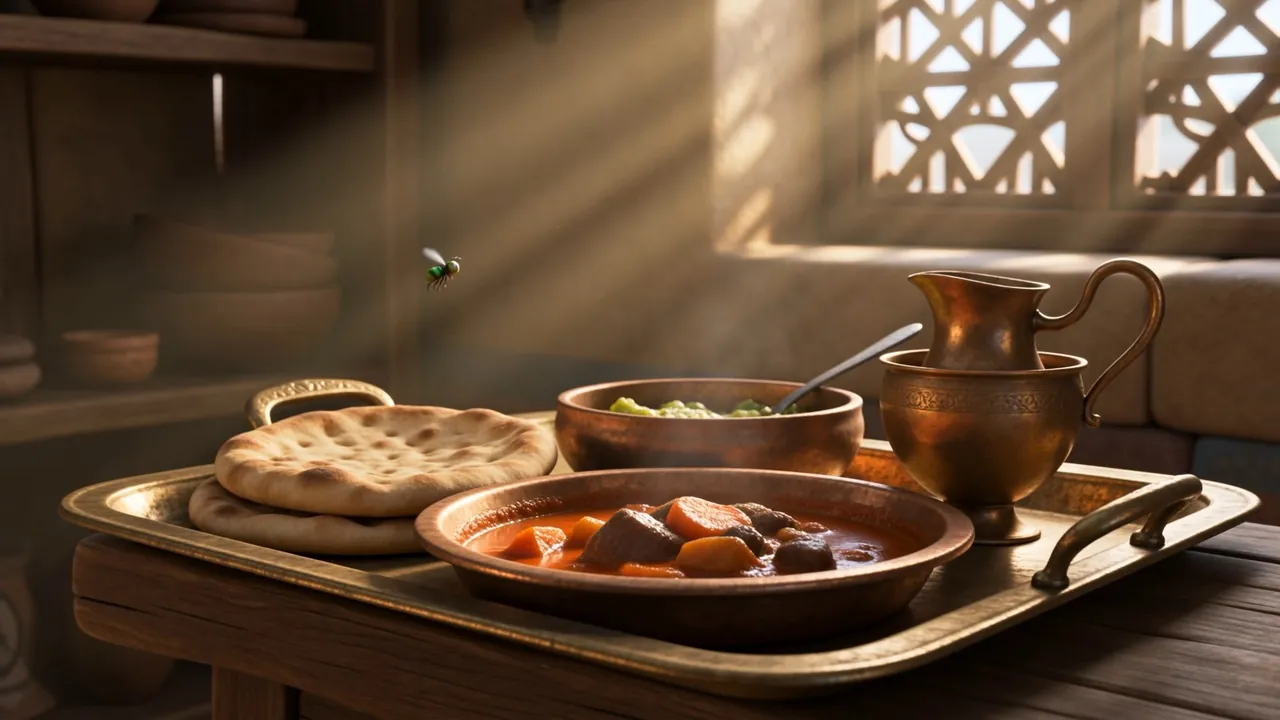

The most powerful man in Israel went home heavy and displeased… and he lay down on his bed, and turned away his face, and would eat no bread. It plays exactly as the text does — as a tantrum. A king with everything, face to the wall, over one field he could not legally have. 1 Kings 21 : 4

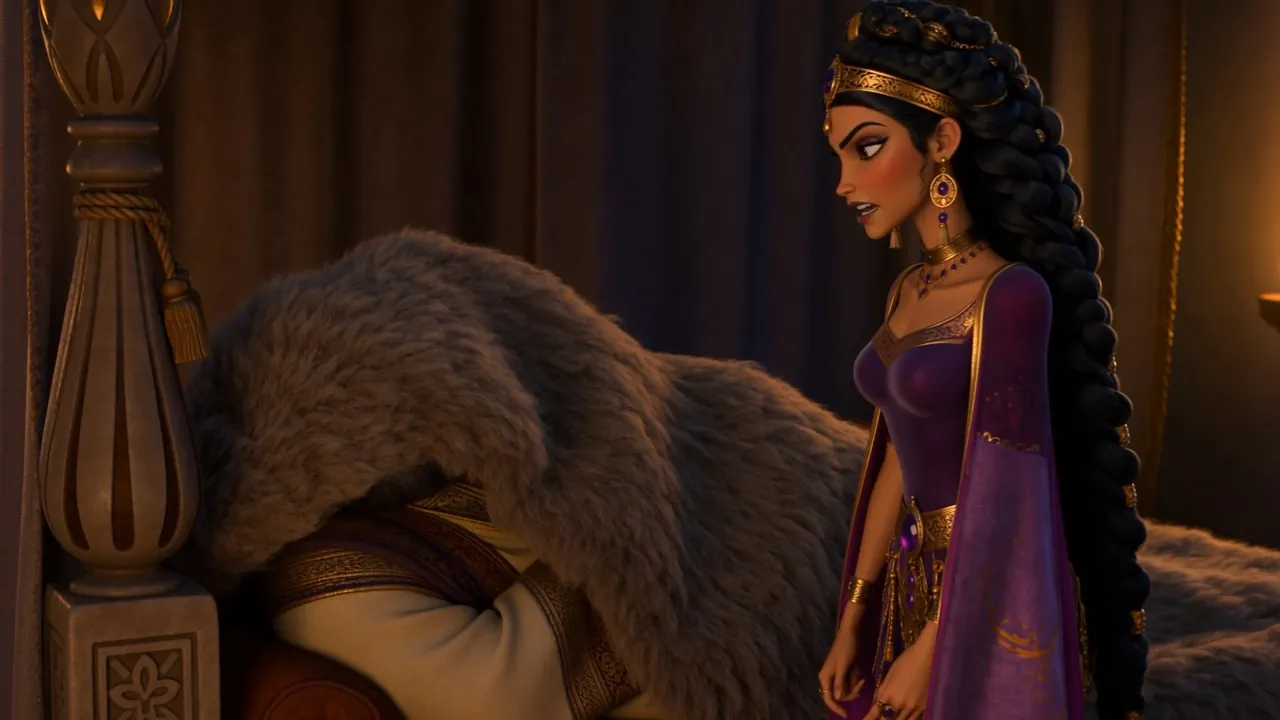
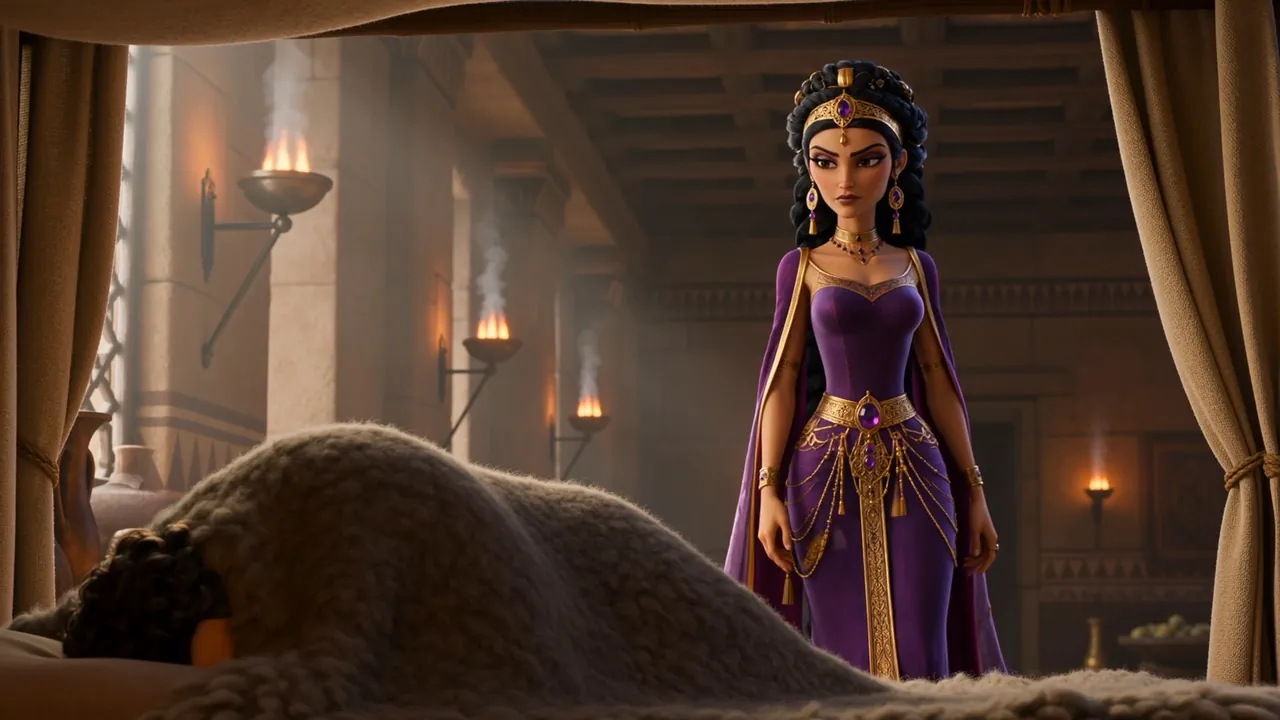




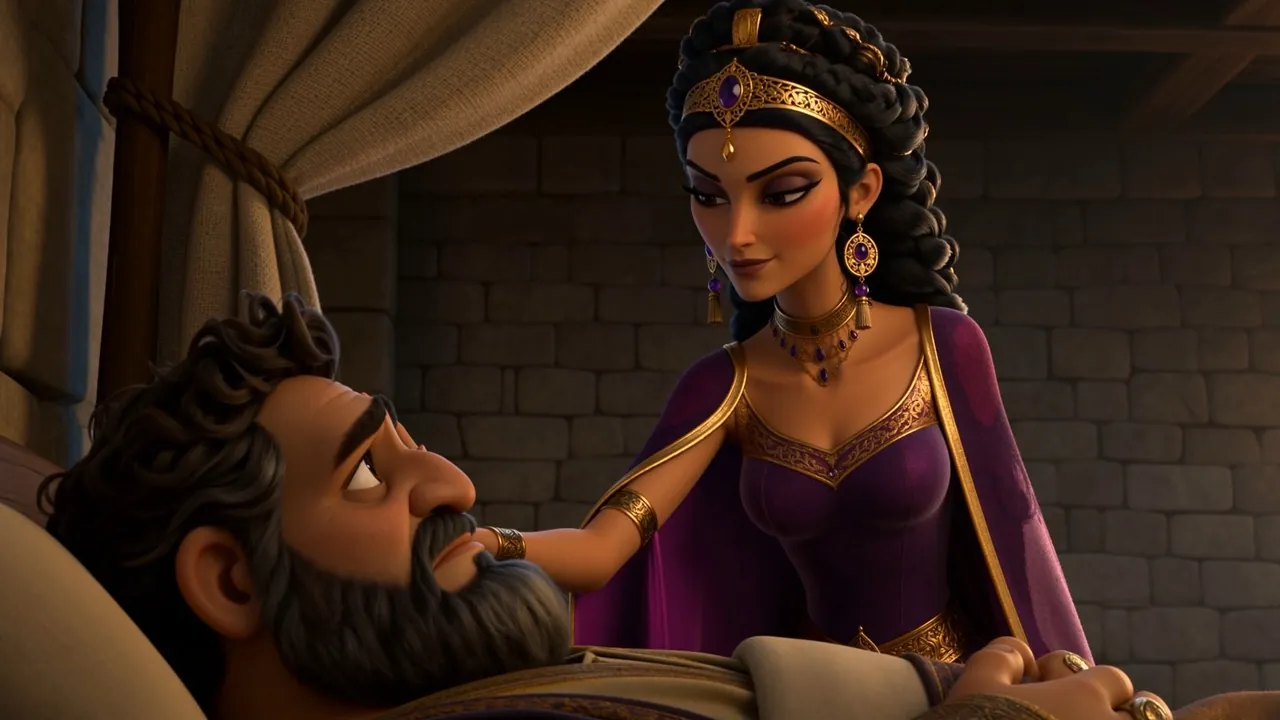
Then his wife came in, pulled the covers off him, and asked the question that has ruined a thousand men: “Do you now govern the kingdom of Israel?” Get up. Eat something. “I will give you the vineyard of Naboth the Jezreelite.” And Ahab — this is the damning part — did not ask her how. 1 Kings 21 : 5–7


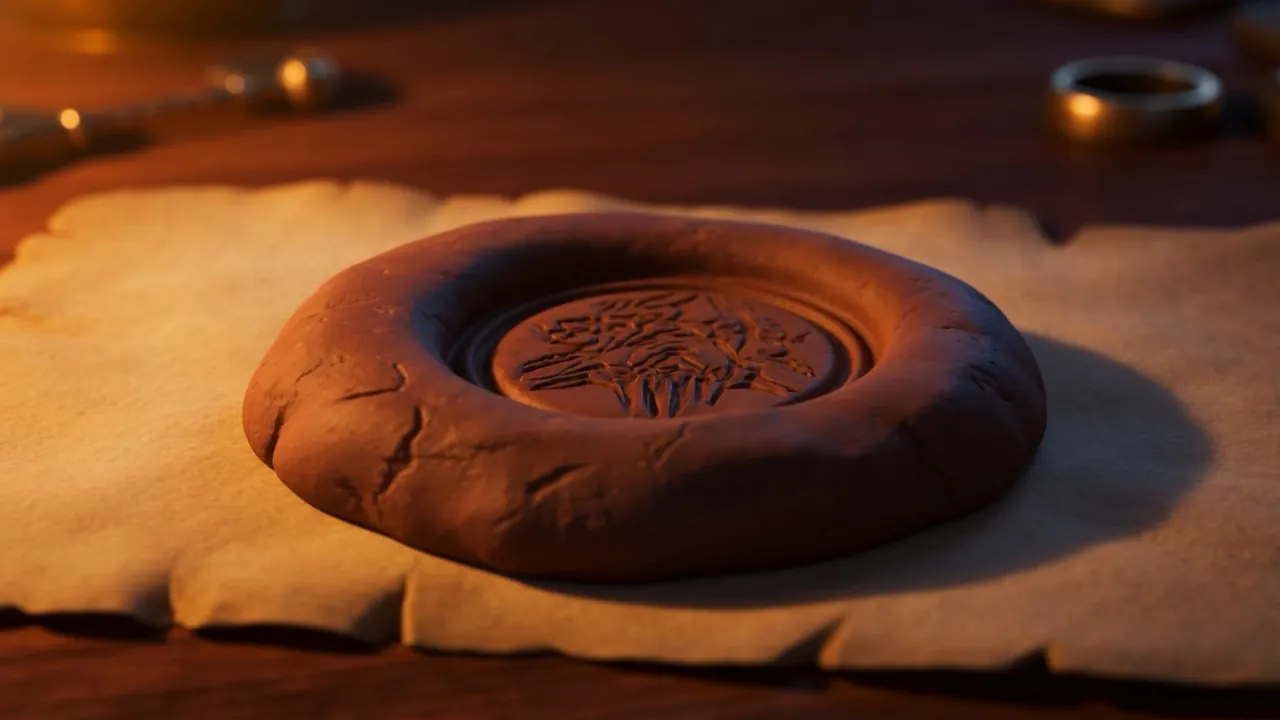
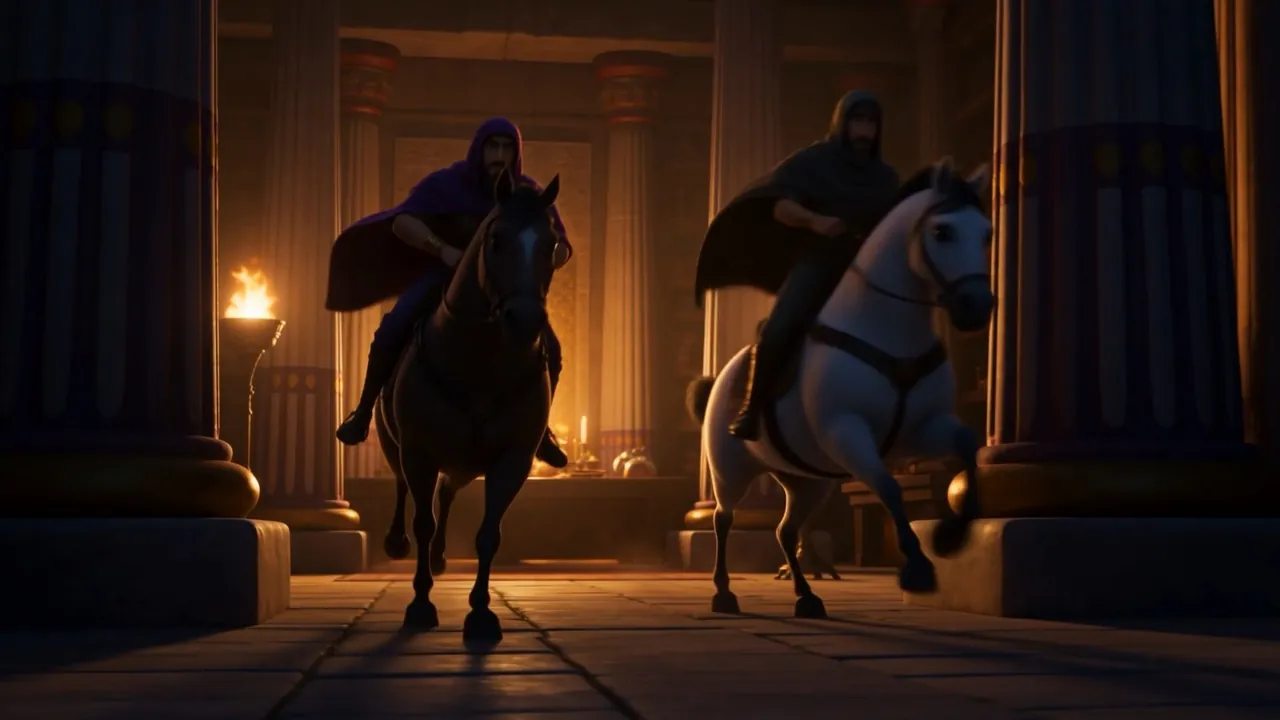
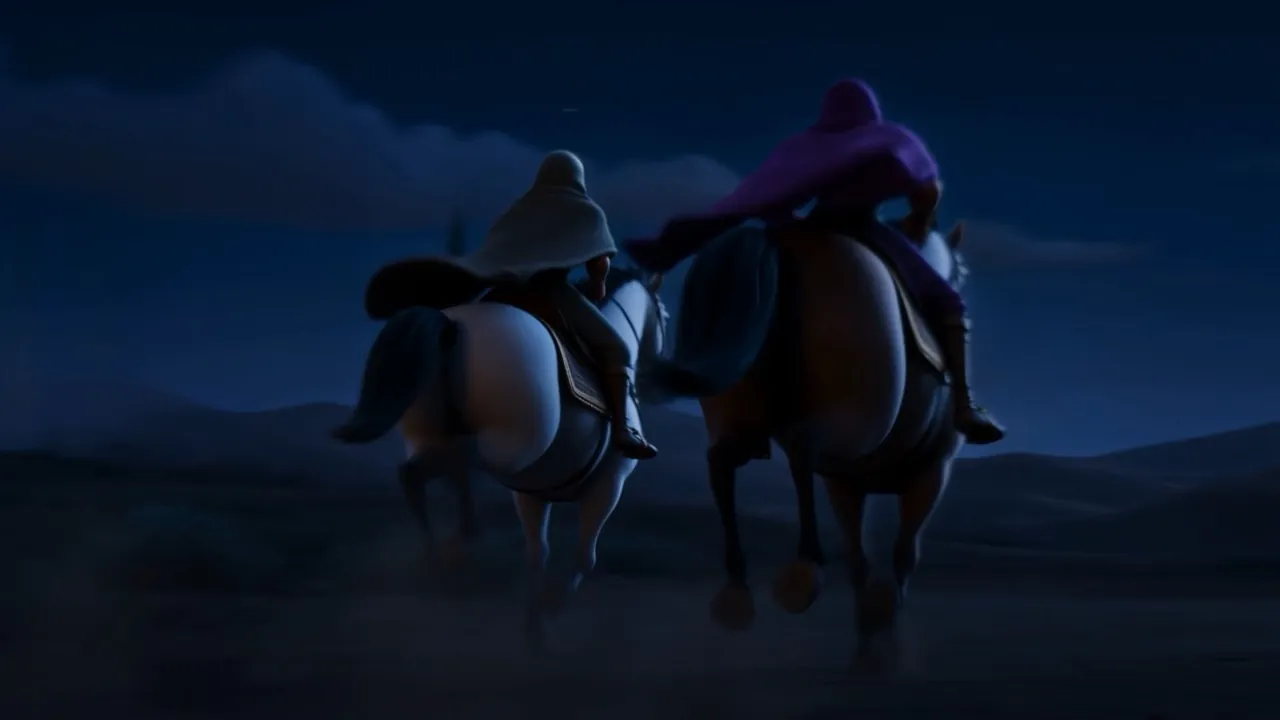

She wrote letters in Ahab's name, and sealed them with his seal, and sent the letters to the elders and to the nobles who were in his city. Proclaim a fast. Set Naboth on high among the people. And set two scoundrels before him to testify that he cursed God and the king — then carry him out, and stone him to death. Religion, law and due process, all three bent into a weapon. 1 Kings 21 : 8–10
Sealed with the king’s own seal.
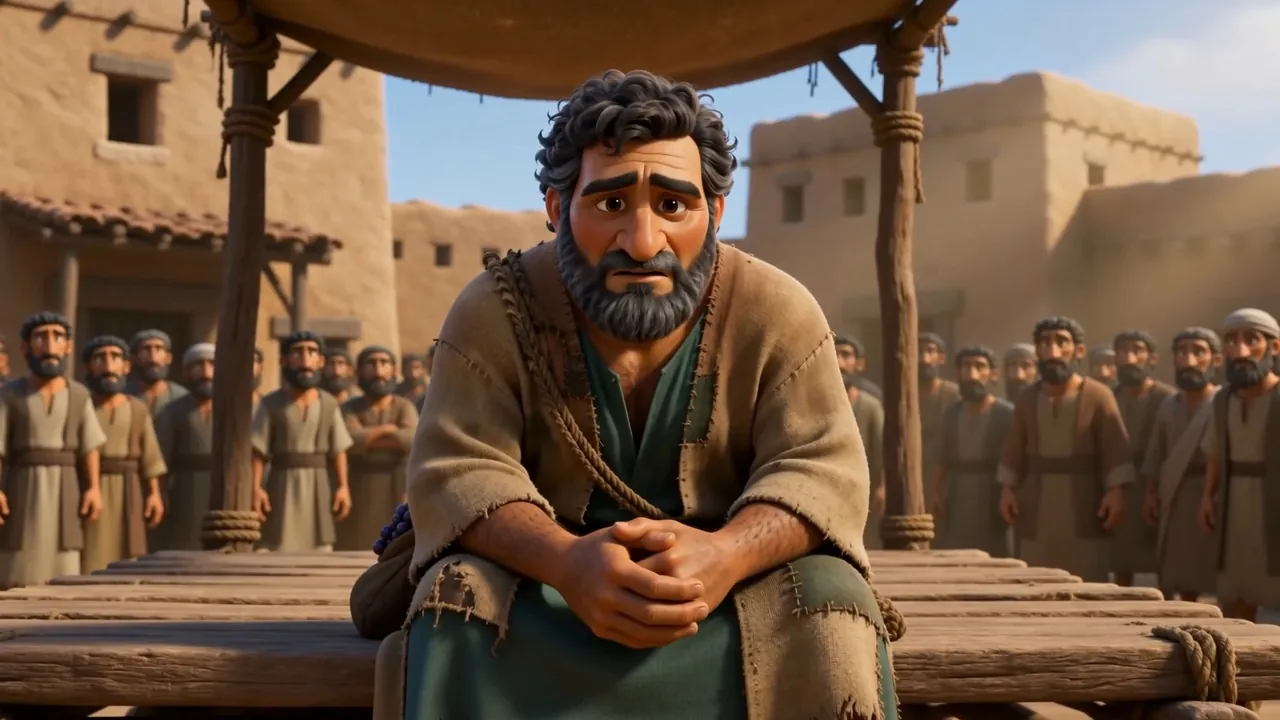
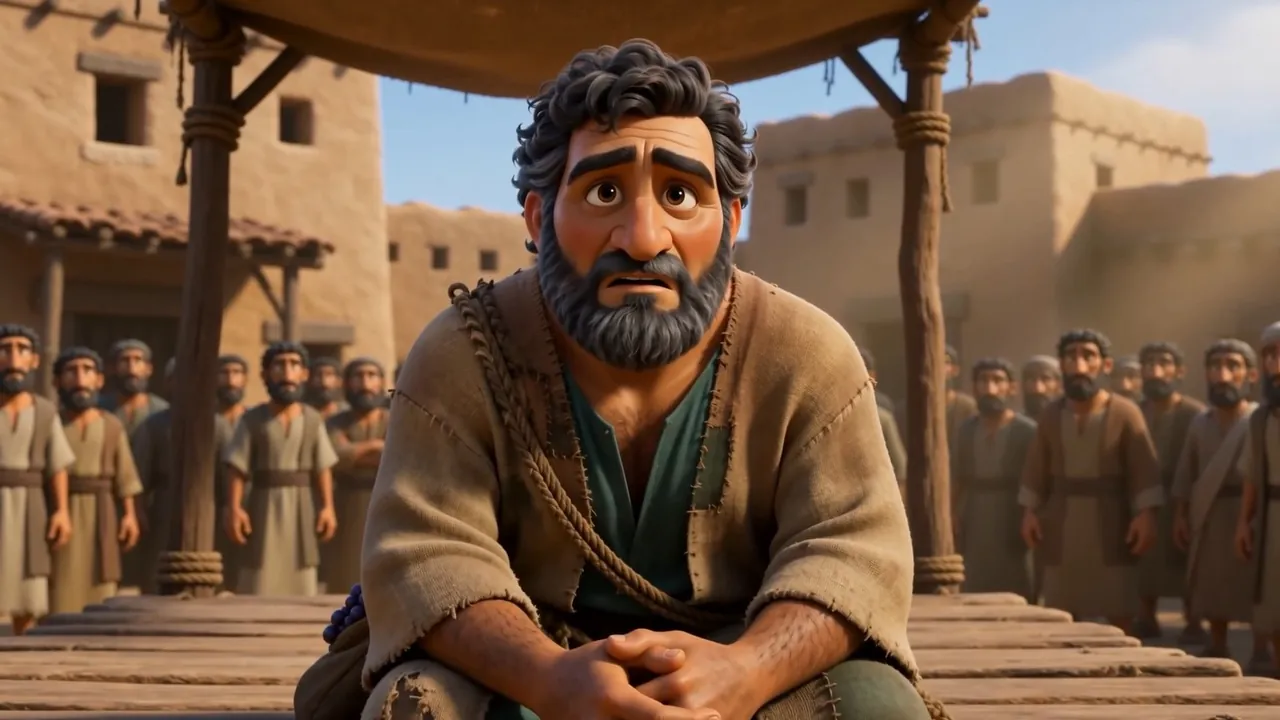
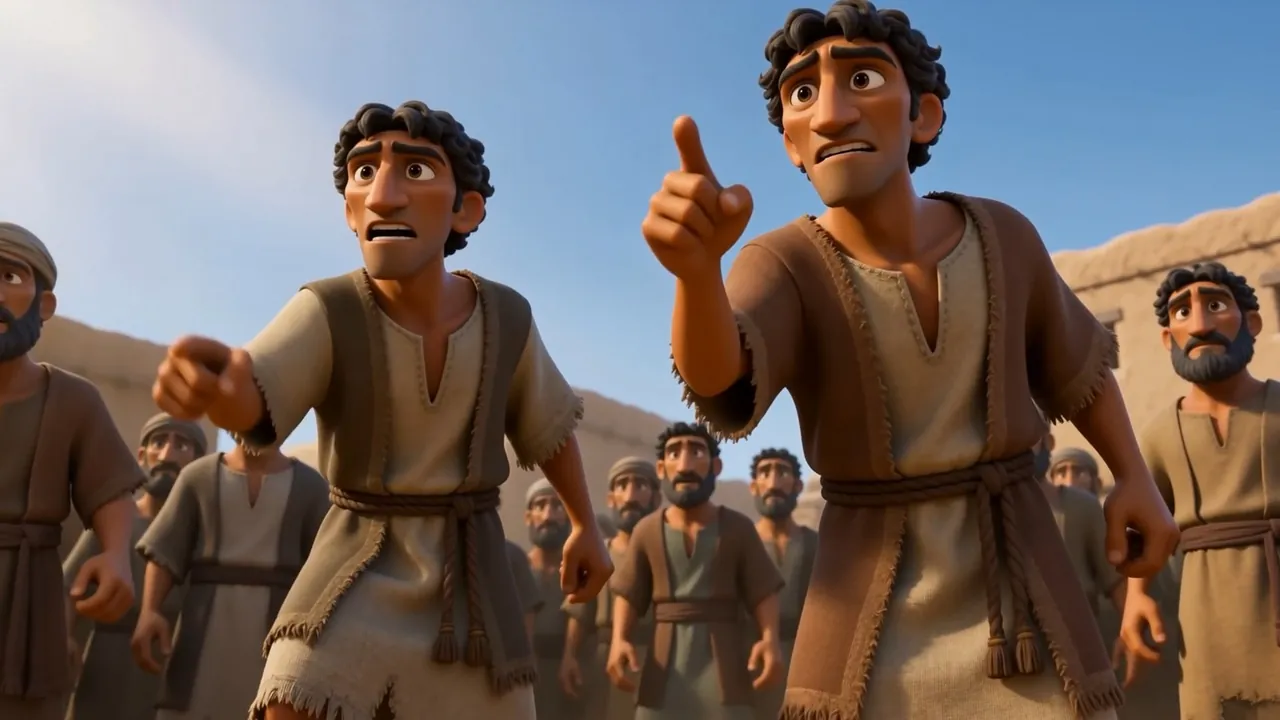
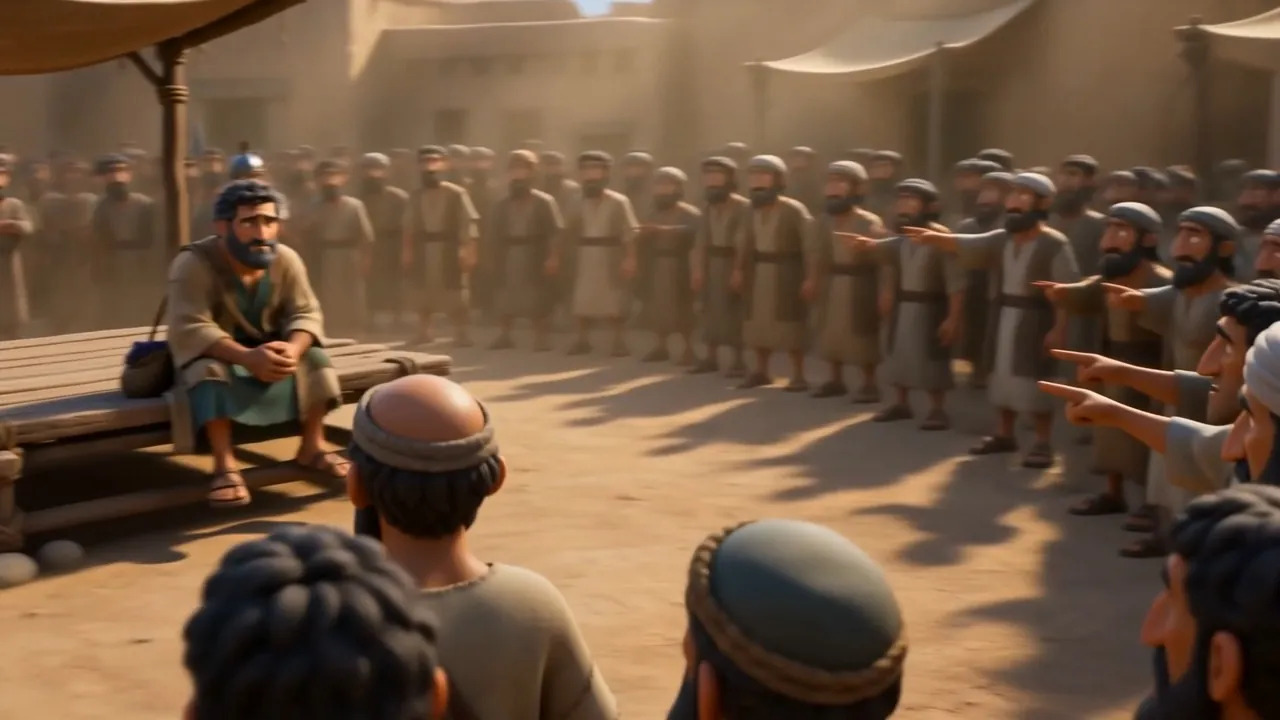
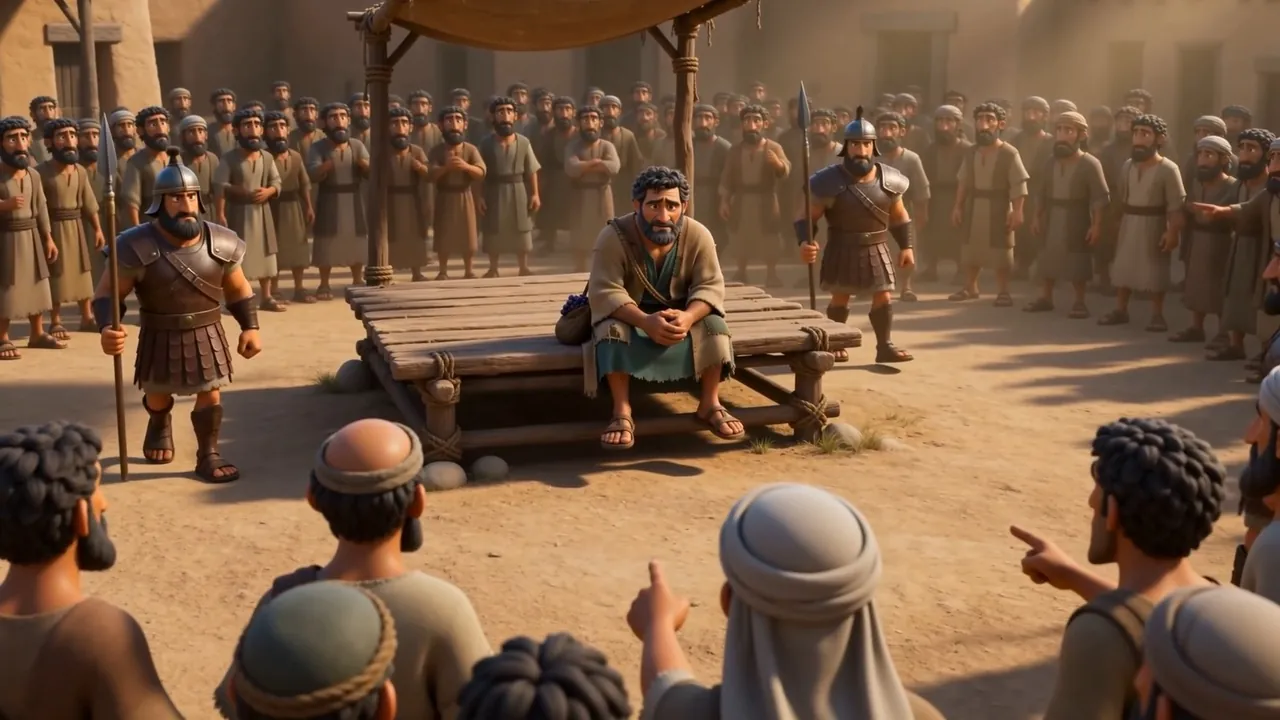
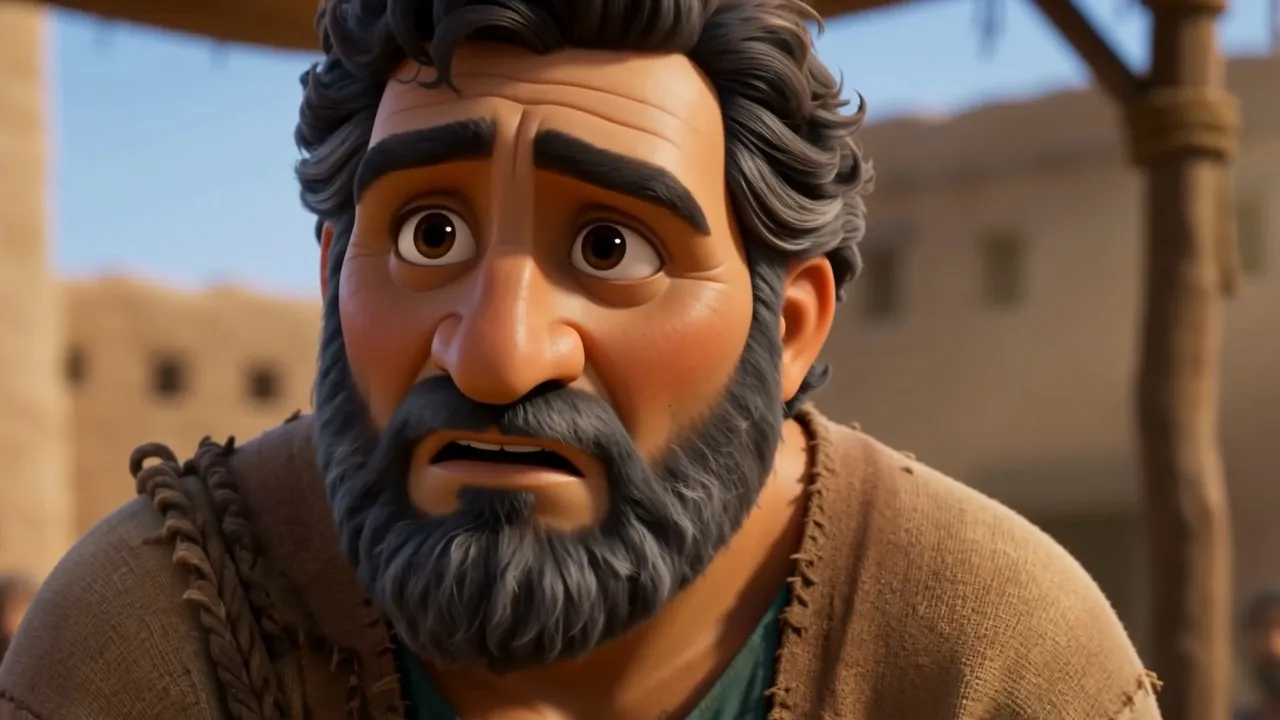
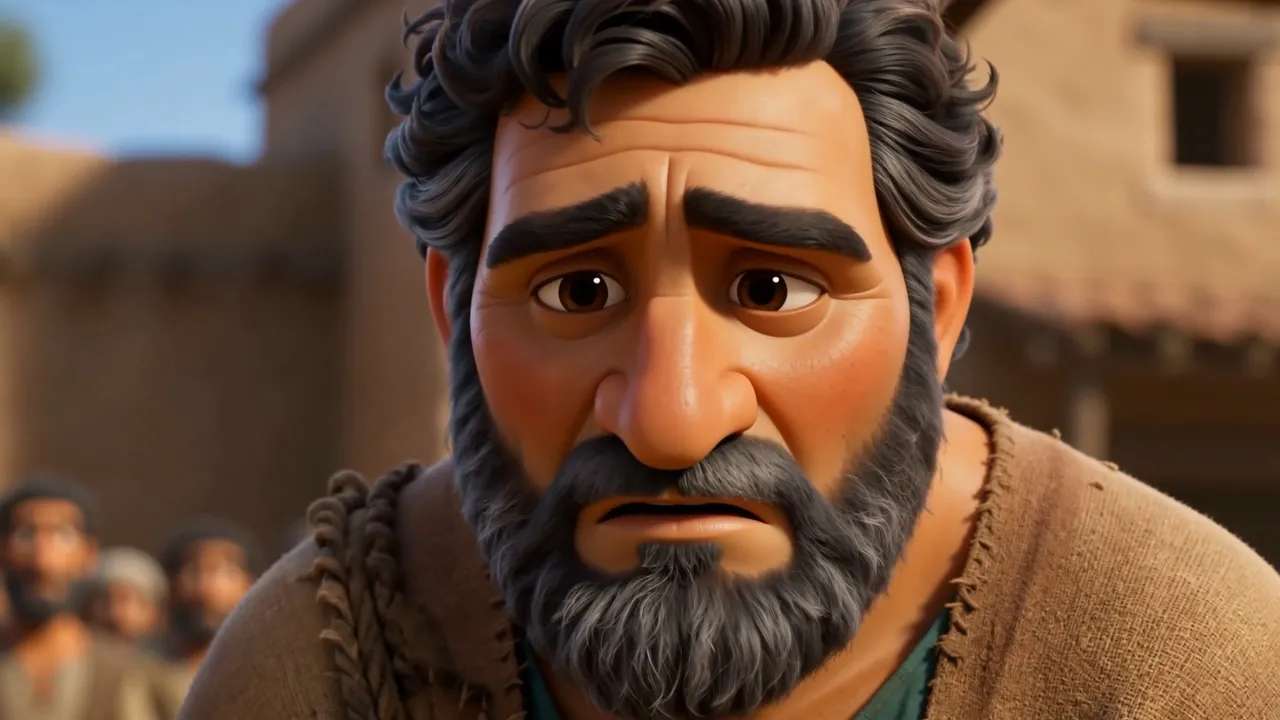
They did exactly as she wrote. A holy fast, a place of honour, two paid liars, and a verdict. Then they carried him out of the city, and stoned him to death with stones. It is never shown — only the man on the bench, and the faces of the neighbours who let it happen. Word went to the palace: Naboth has been stoned, and is dead. And Ahab got up and went down to take his garden. 1 Kings 21 : 11–16
“Have you killed, and also taken possession?”
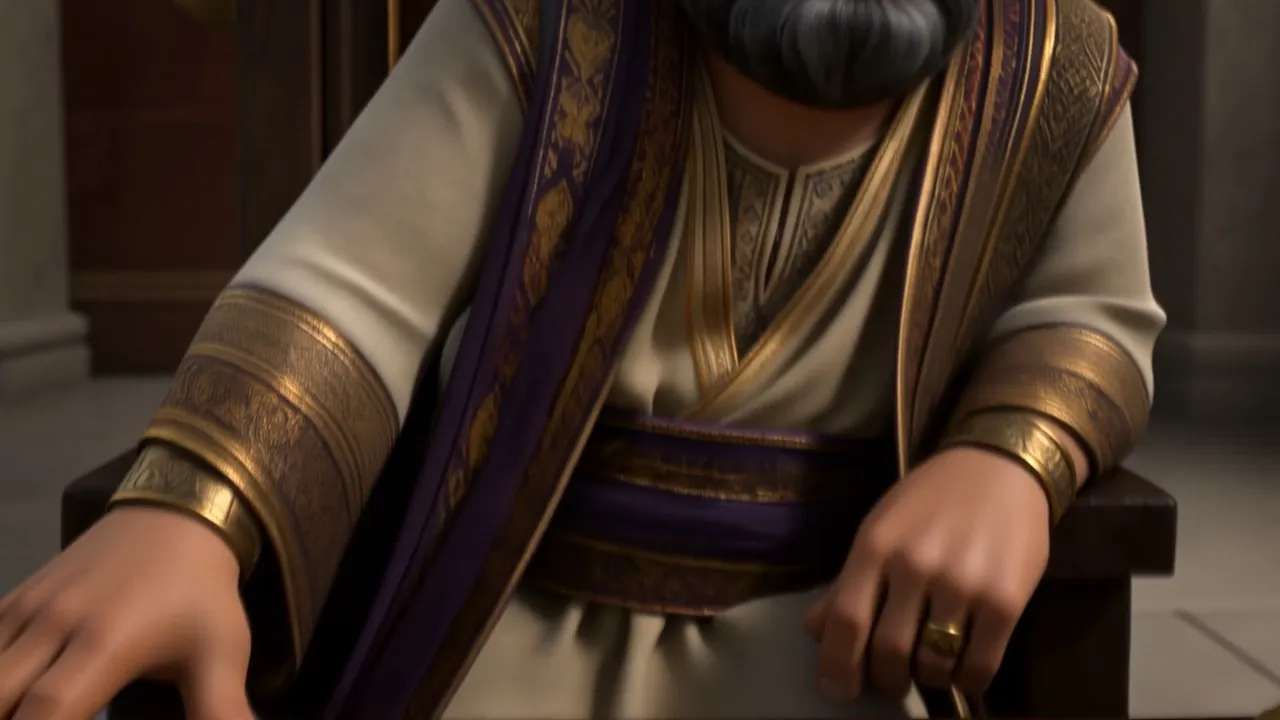
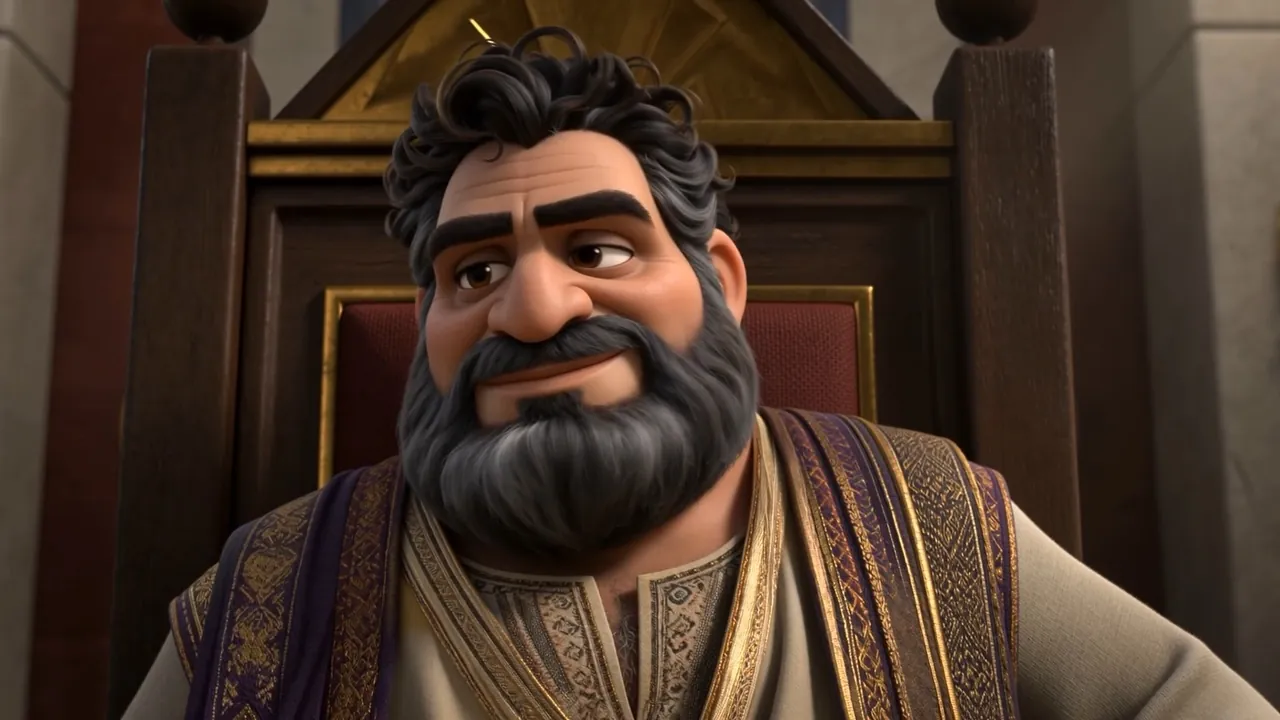
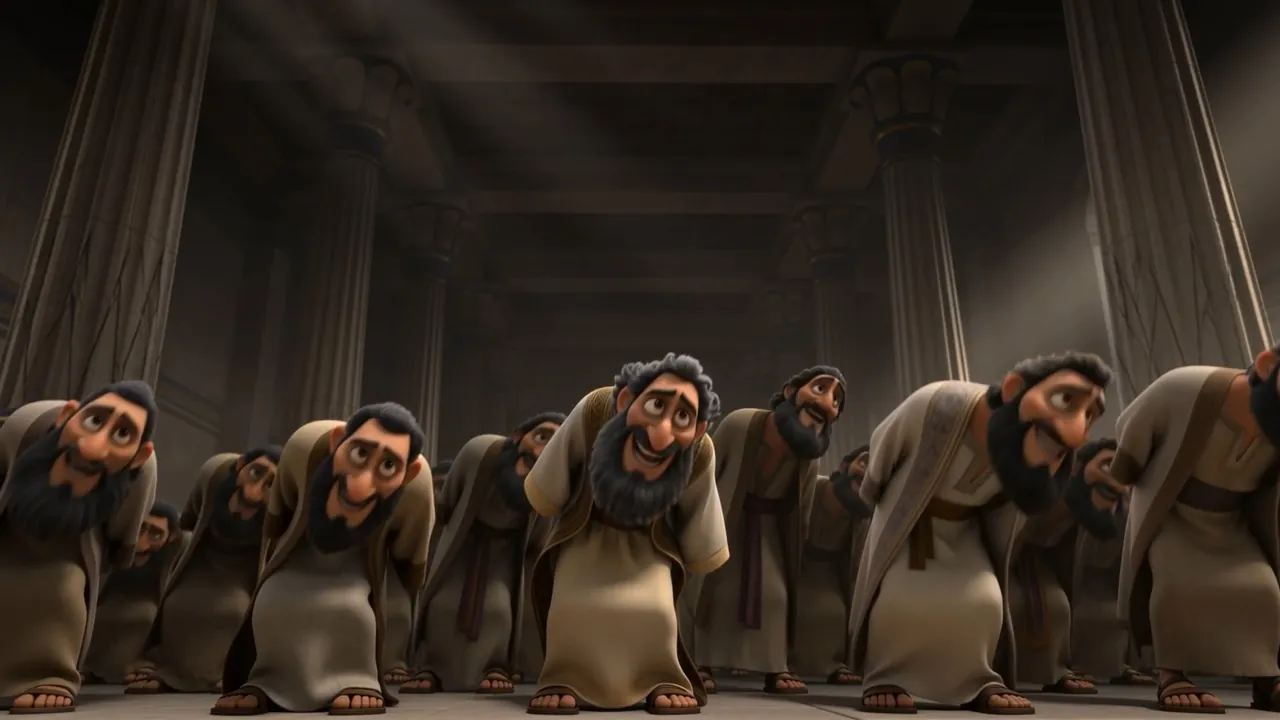
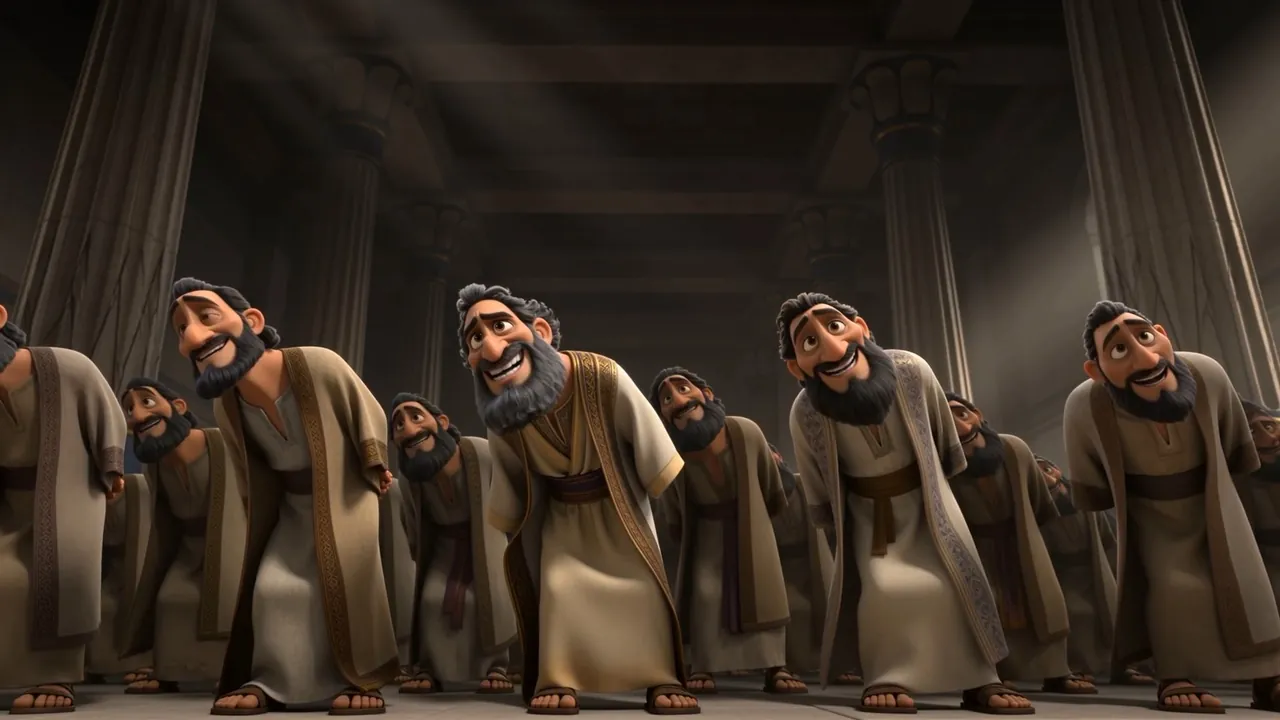
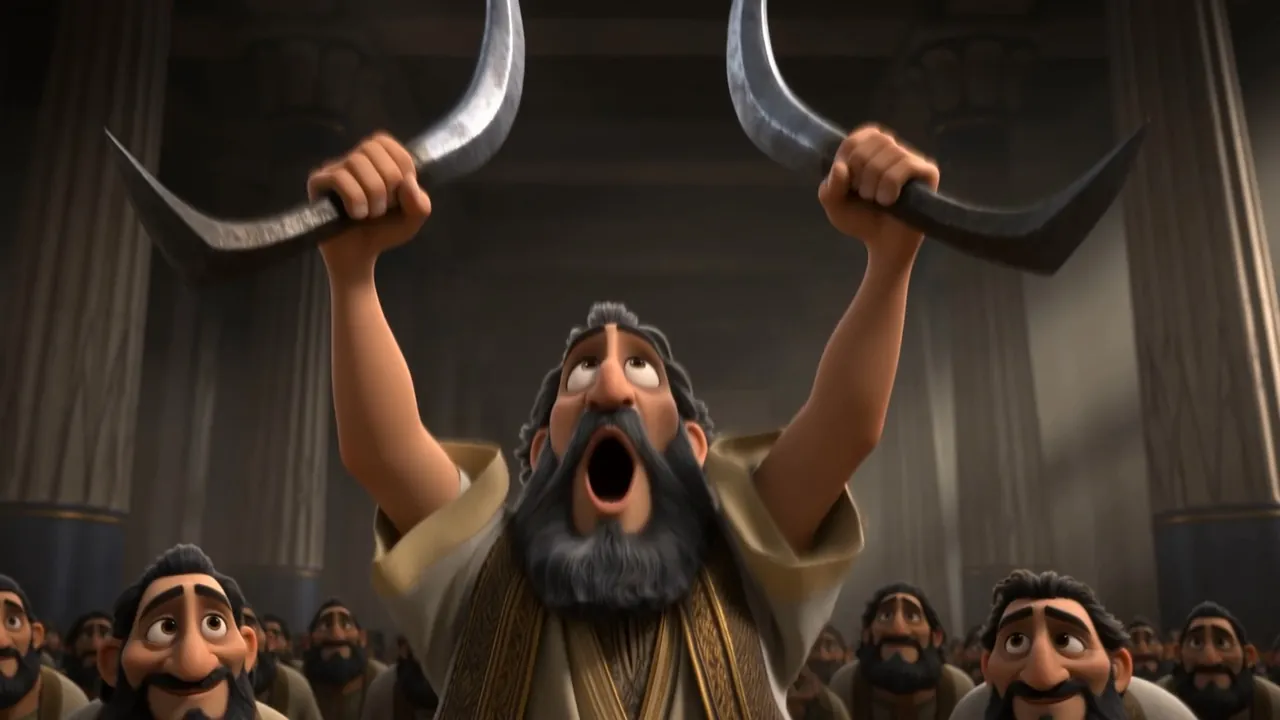
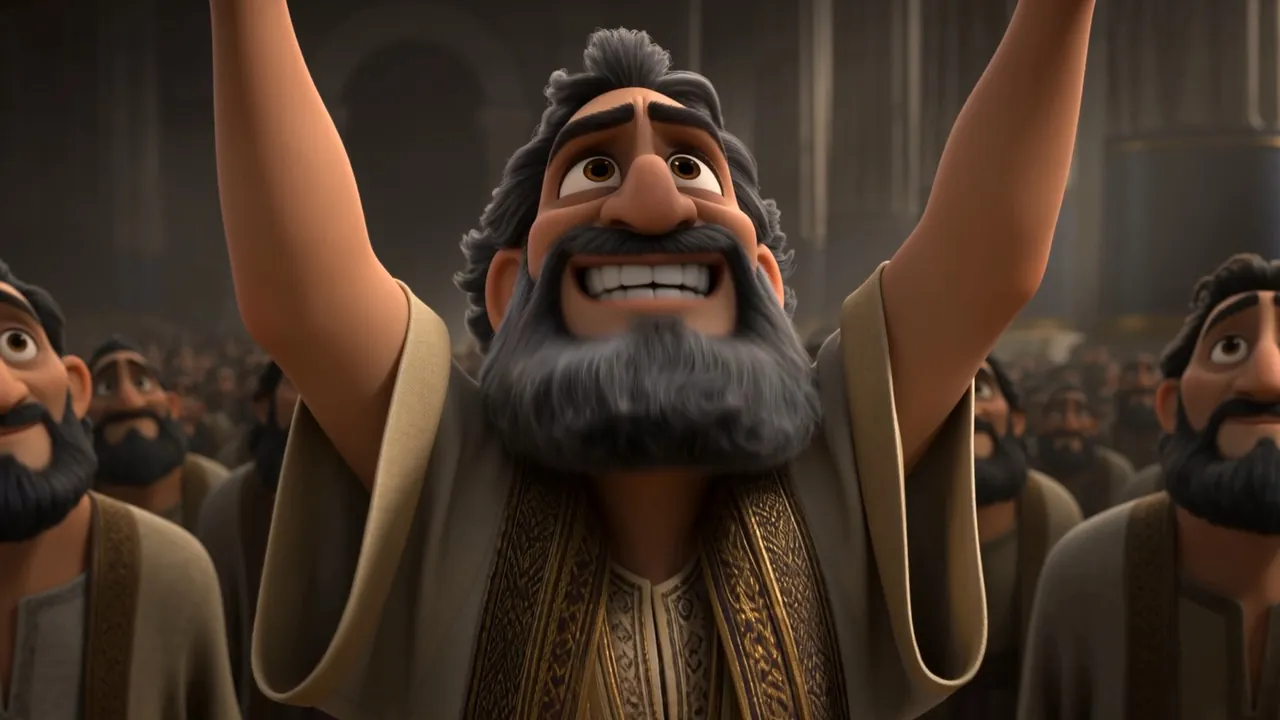
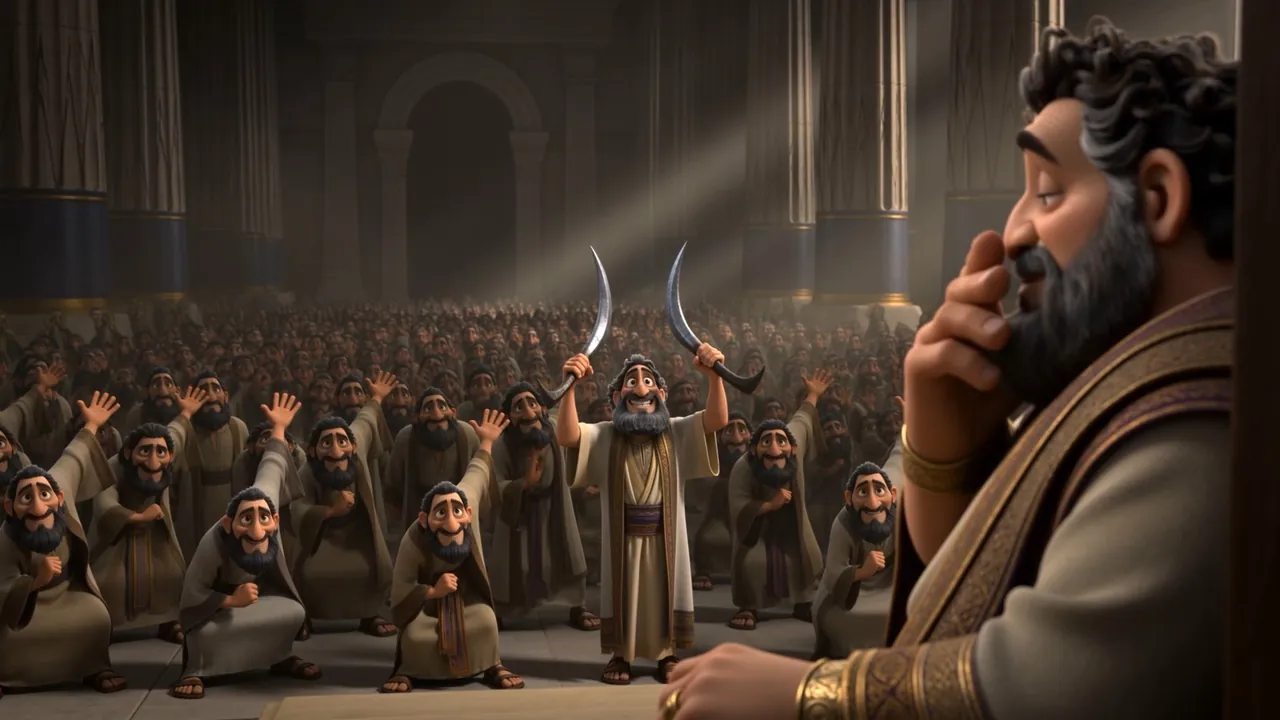
Three years later Ahab wanted a war, and gathered four hundred prophets to bless it. They did, loudly, with props. One man — Micaiah — told him the truth instead: “I saw all Israel scattered on the mountains, as sheep that have no shepherd.” Ahab's response was to have him jailed and fed on bread and water until he came back safely. He never came back. 1 Kings 22 : 6–17
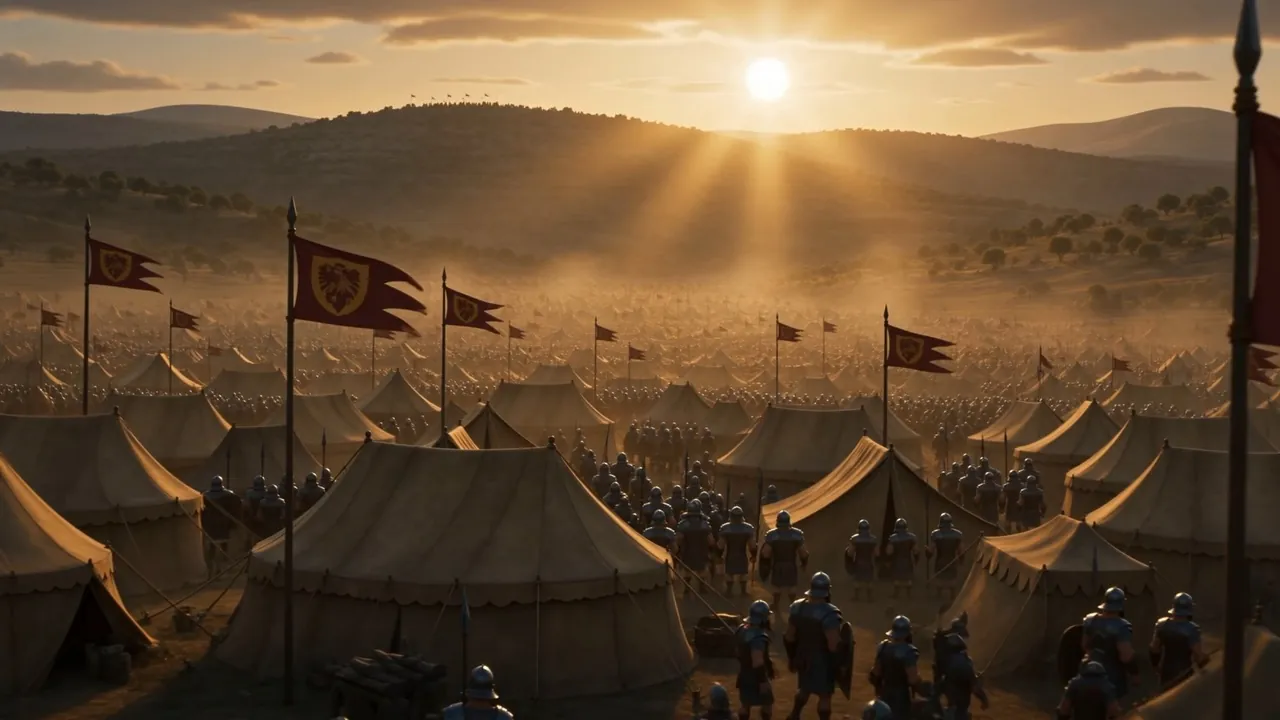
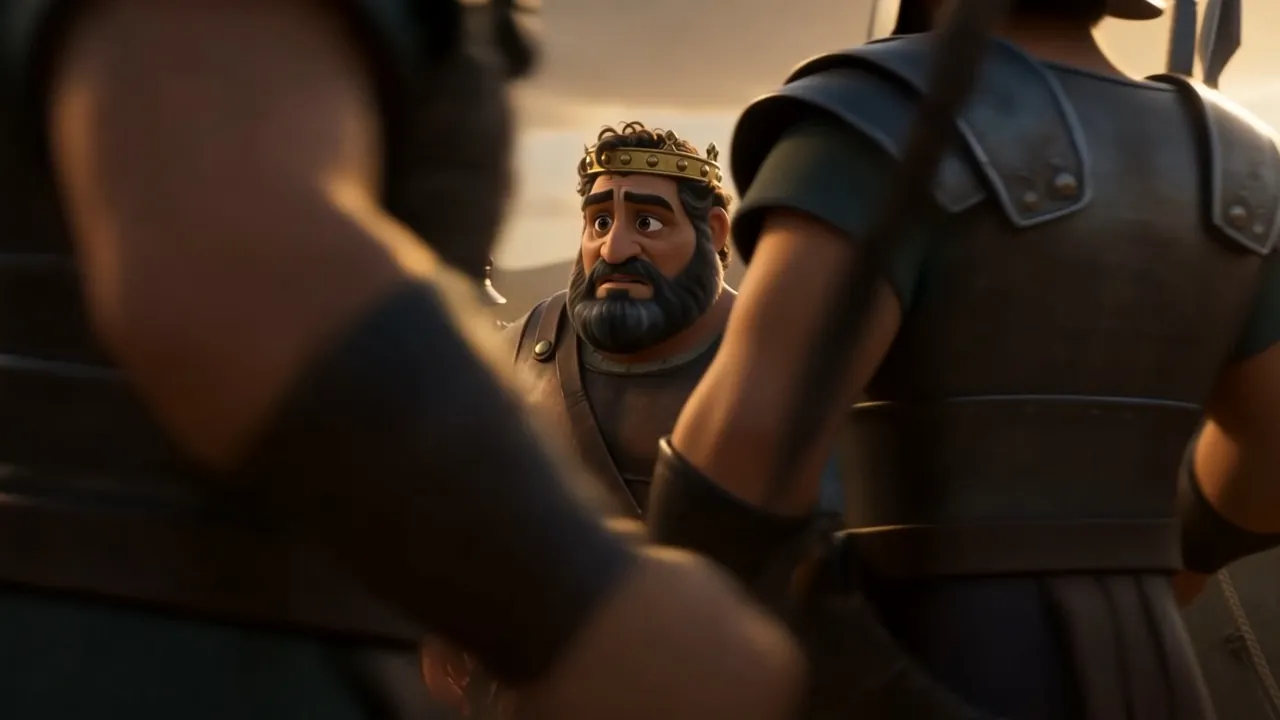
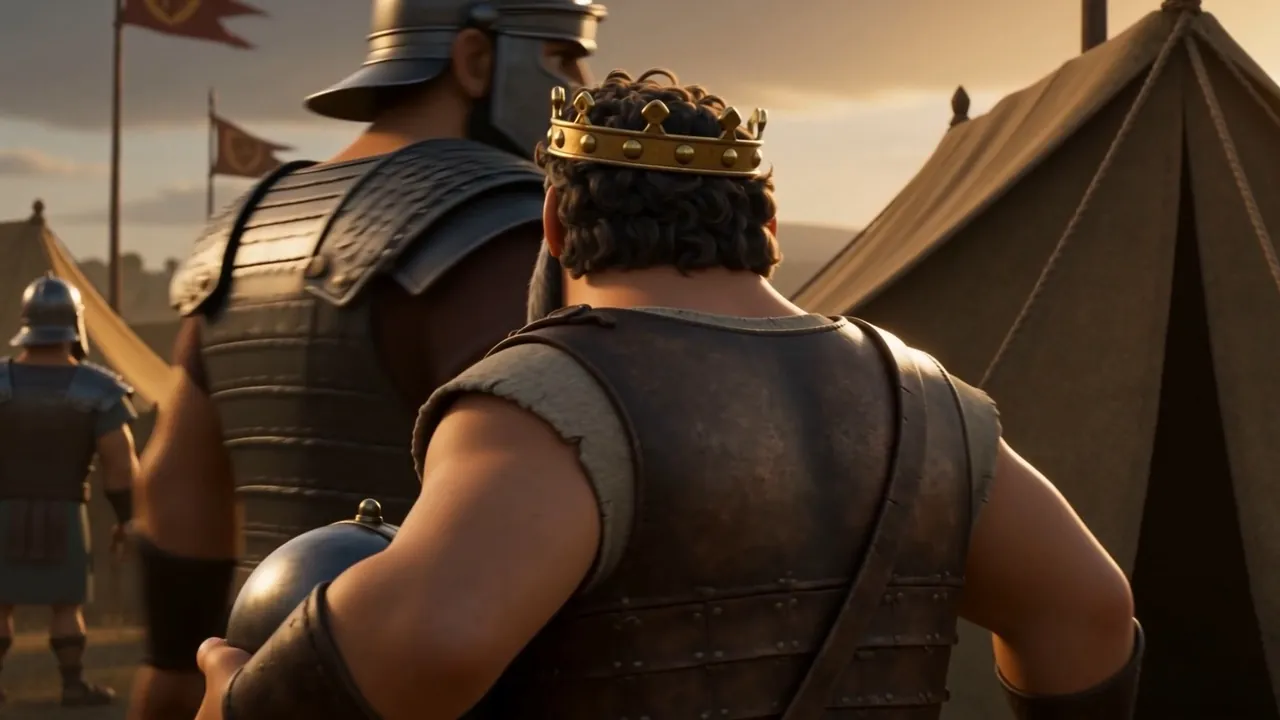
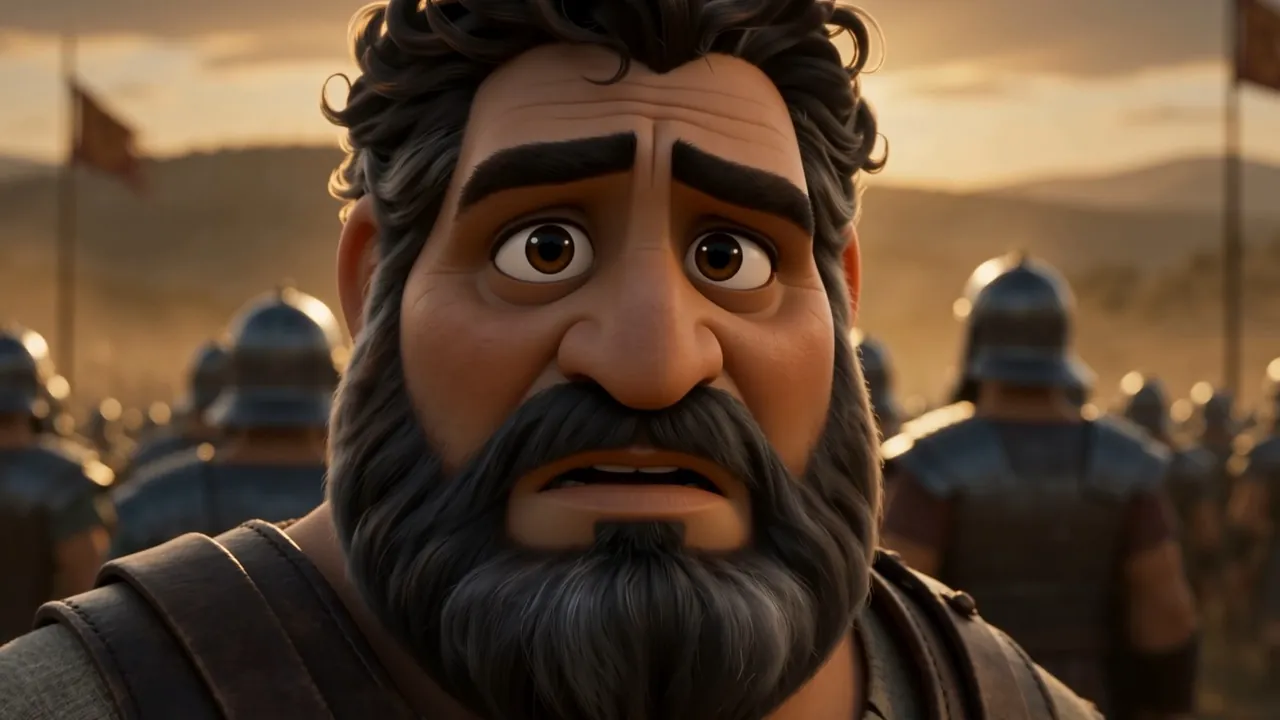
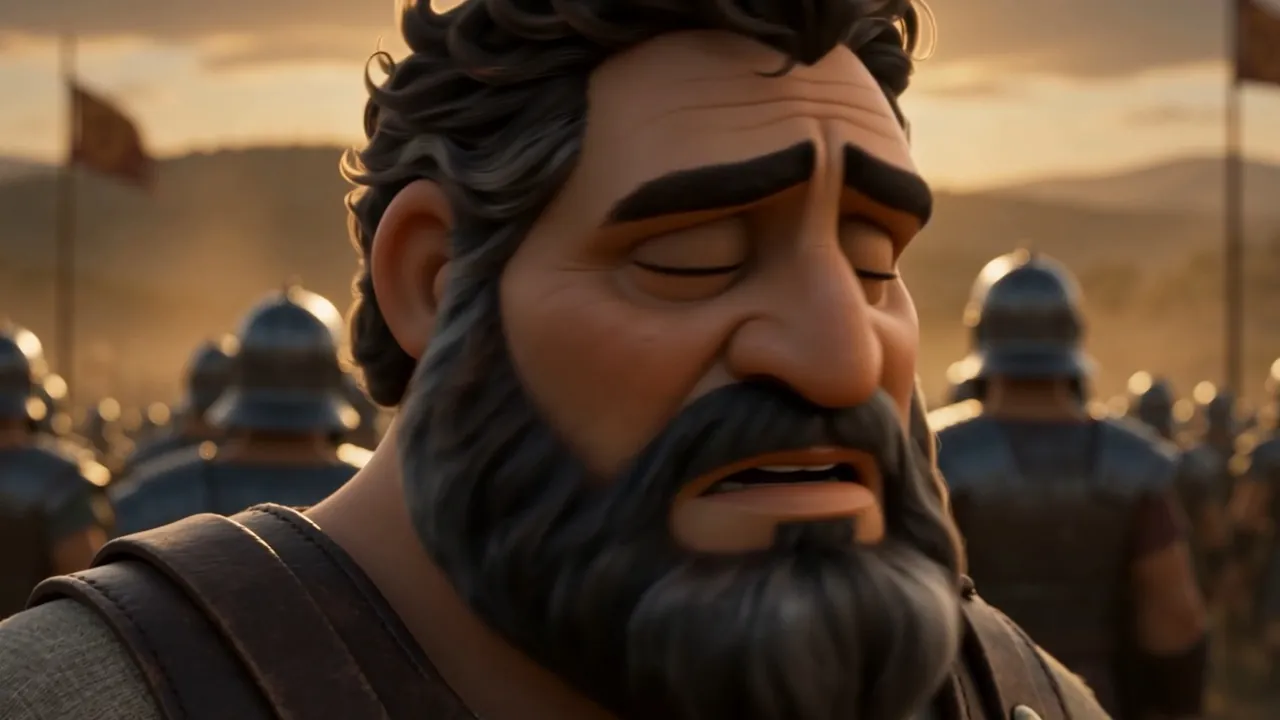
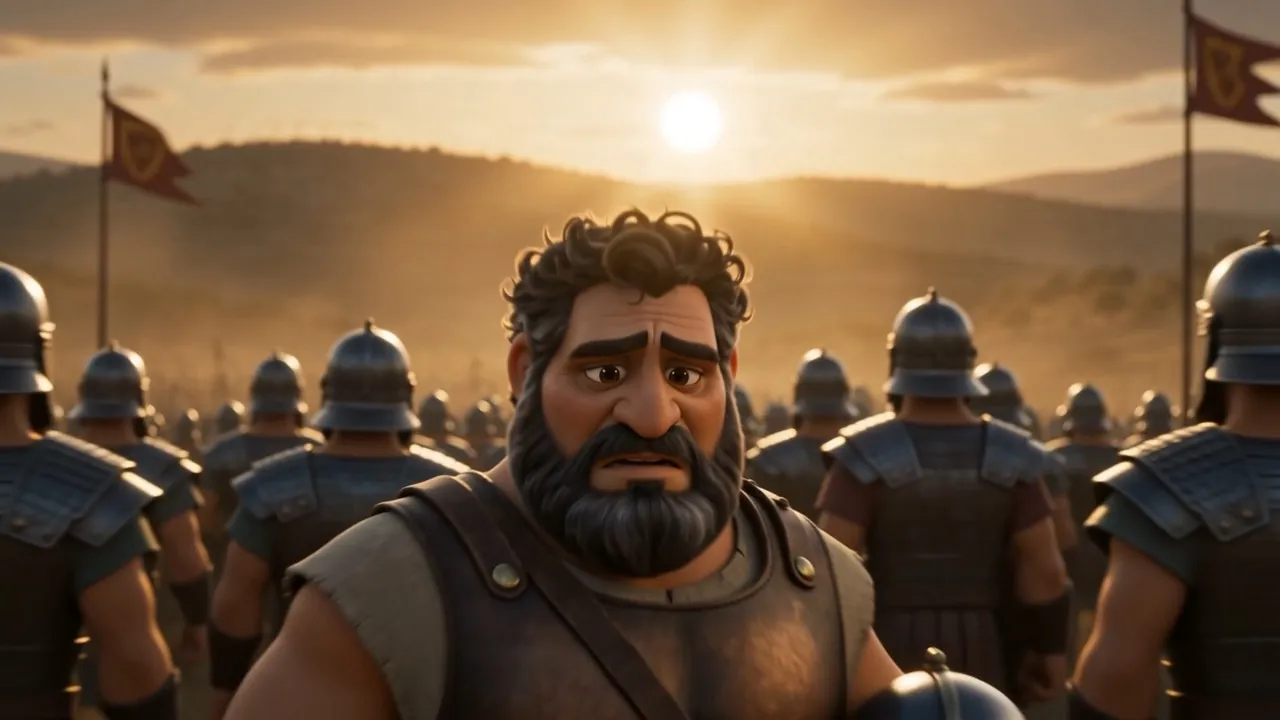
He believed the prophecy enough to hedge against it. “I will disguise myself, and go into the battle; but you put on your robes.” Take off the crown, put on a nobody's armour, and let the enemy hunt someone else. It is possible to believe God's word completely and still try to out-manoeuvre it. 1 Kings 22 : 30
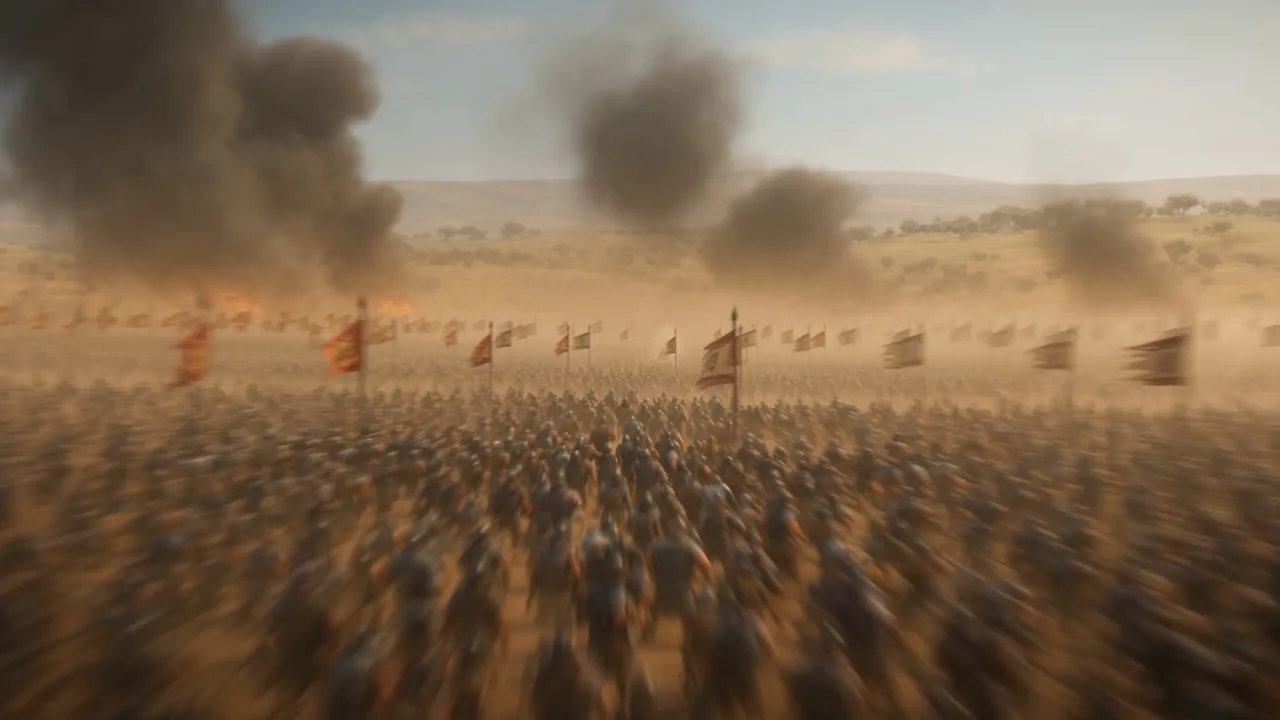
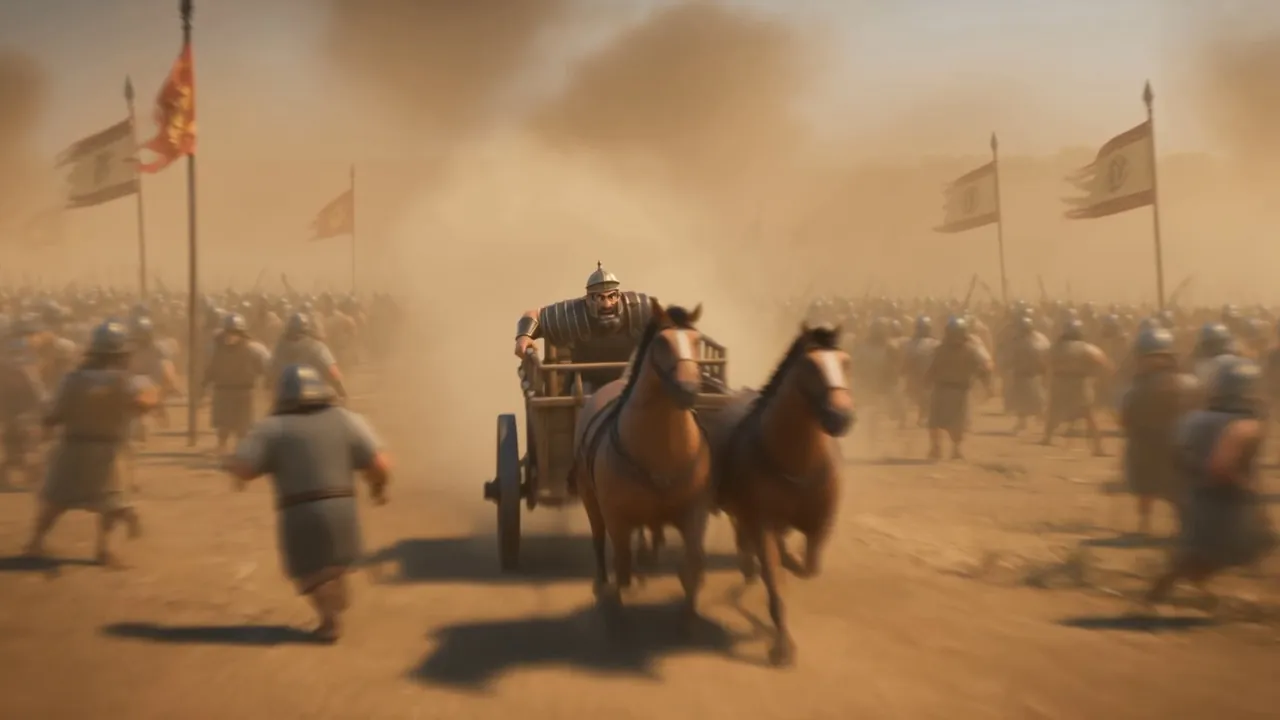
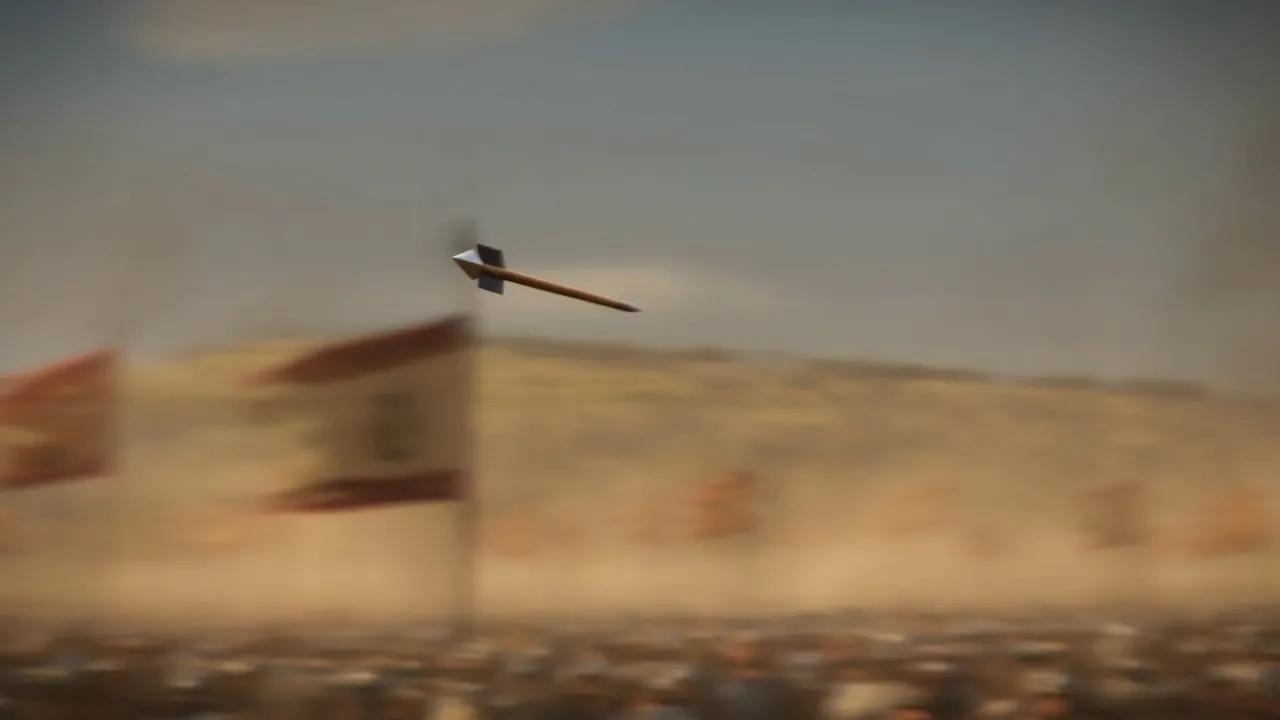
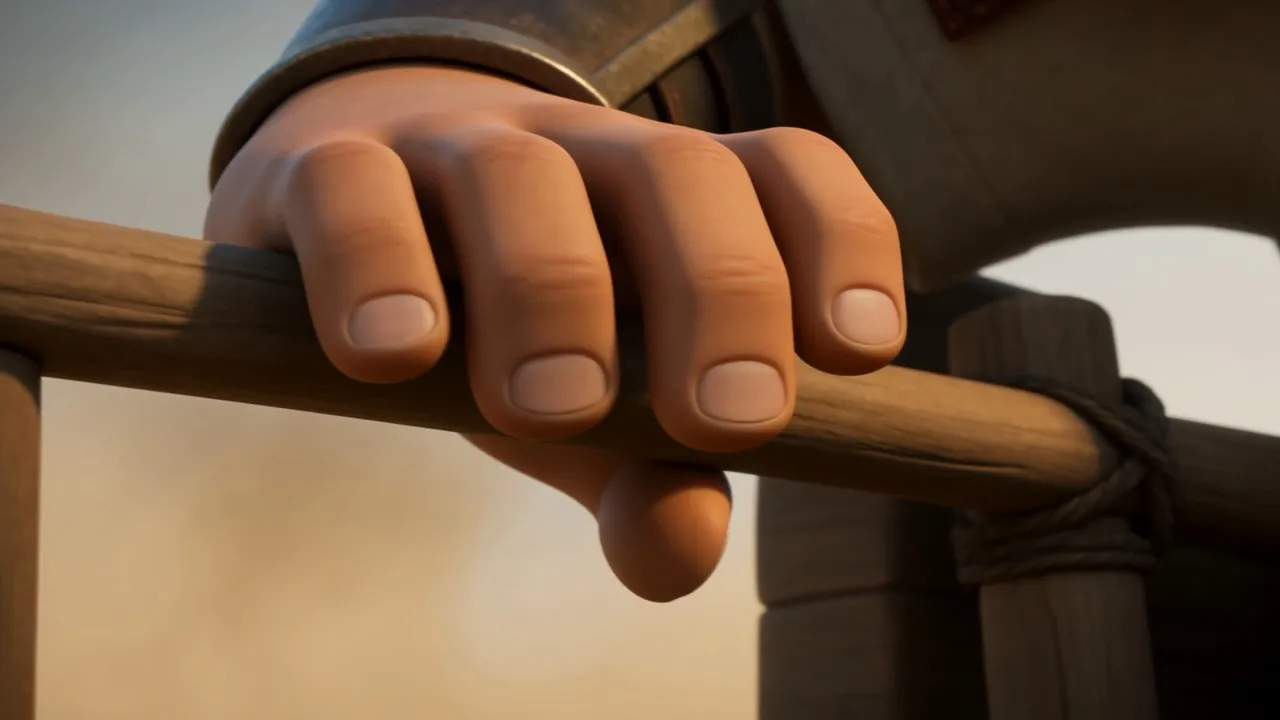
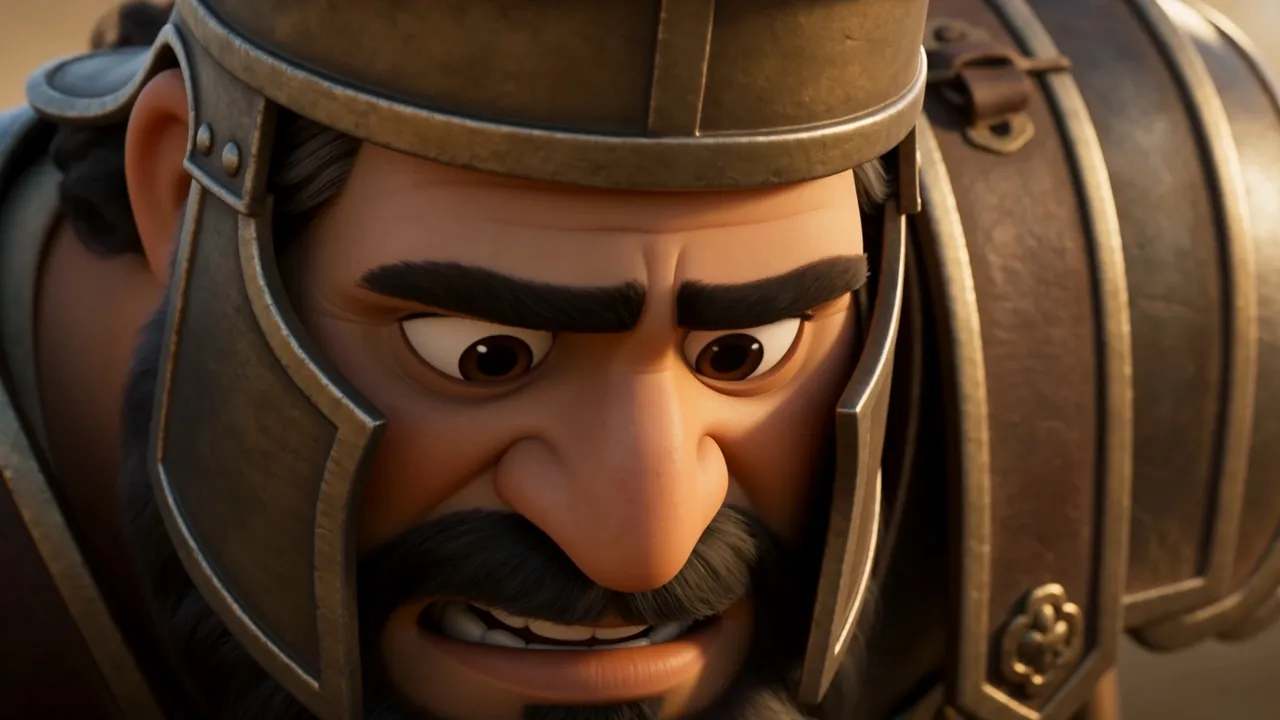
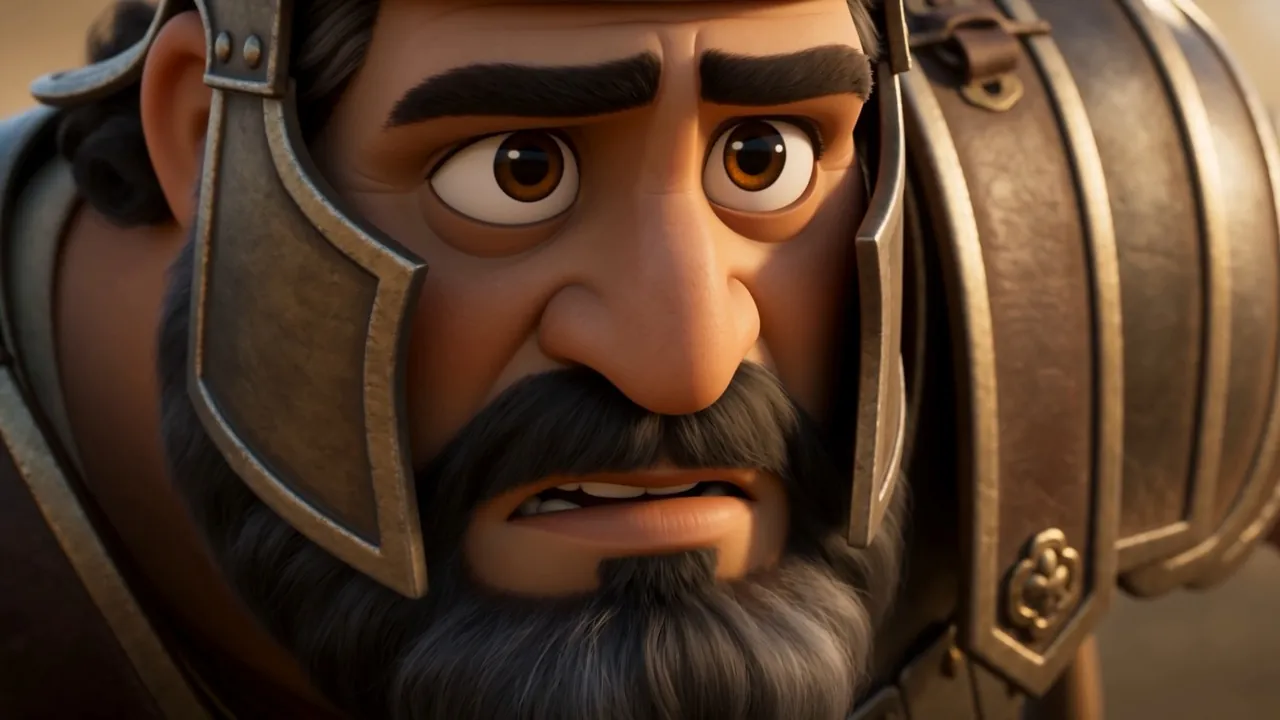
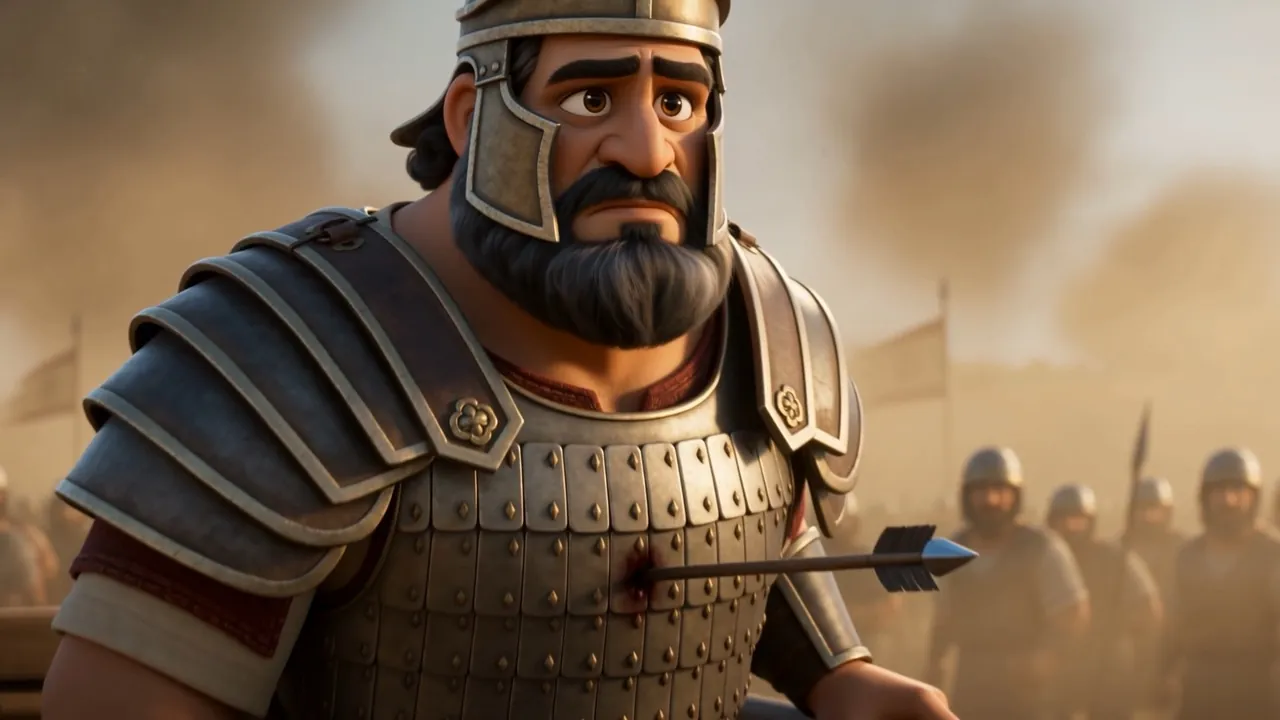
And then the quietest sentence in the book of Kings. A certain man drew his bow at random, and struck the king of Israel between the joints of the armour. No aim. No name. One arrow, out of thousands, into the one gap in a disguise designed to make him invisible. He was propped up in his chariot facing the enemy until evening, and at sunset he died. 1 Kings 22 : 34–37
A certain man drew his bow at random.
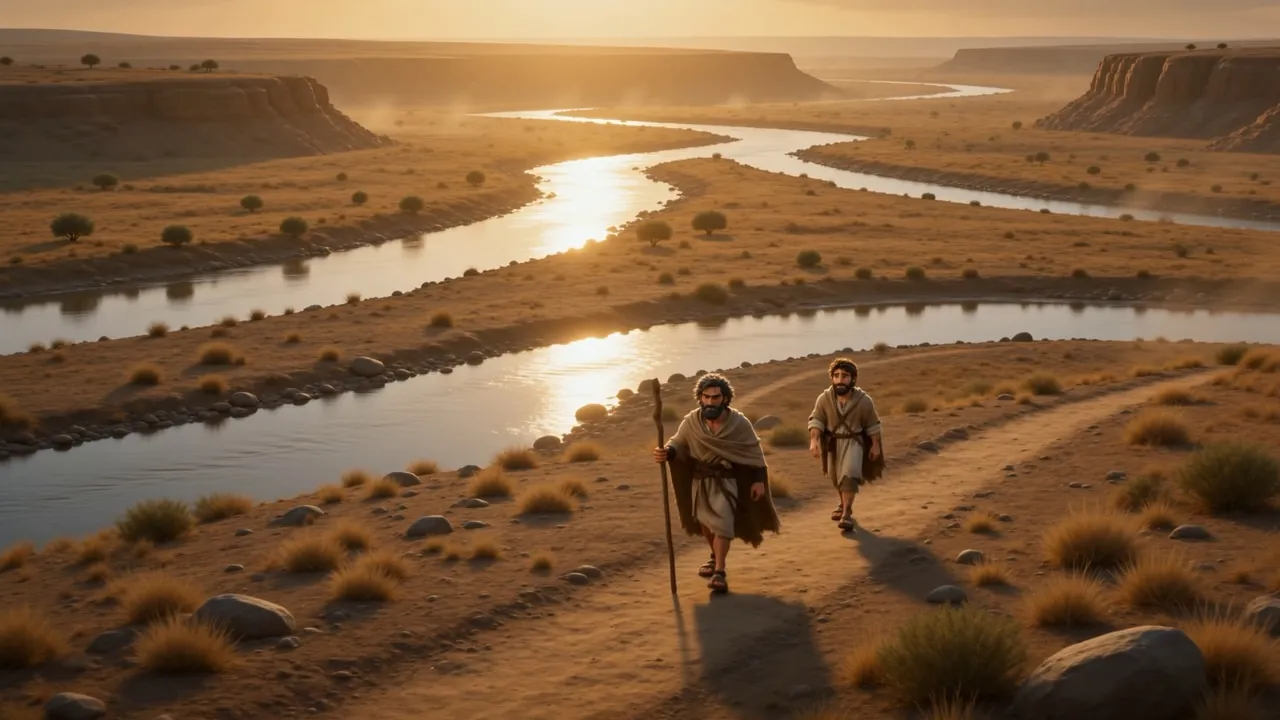
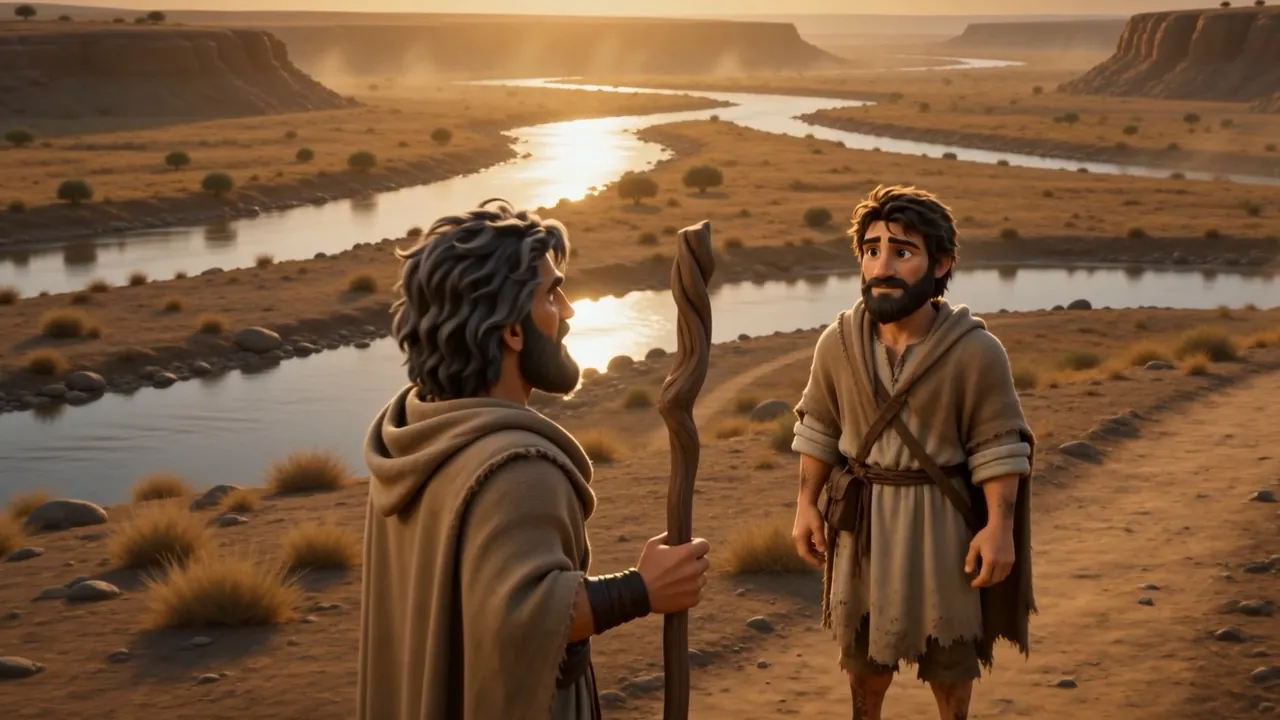
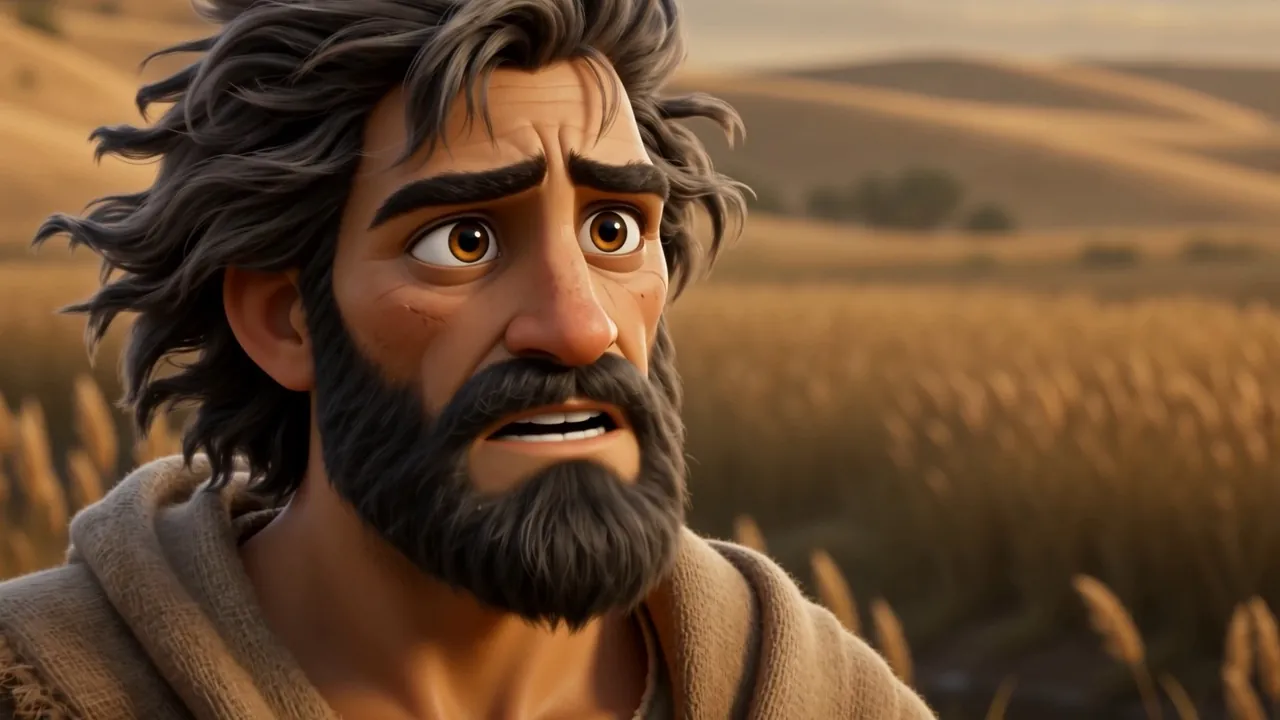
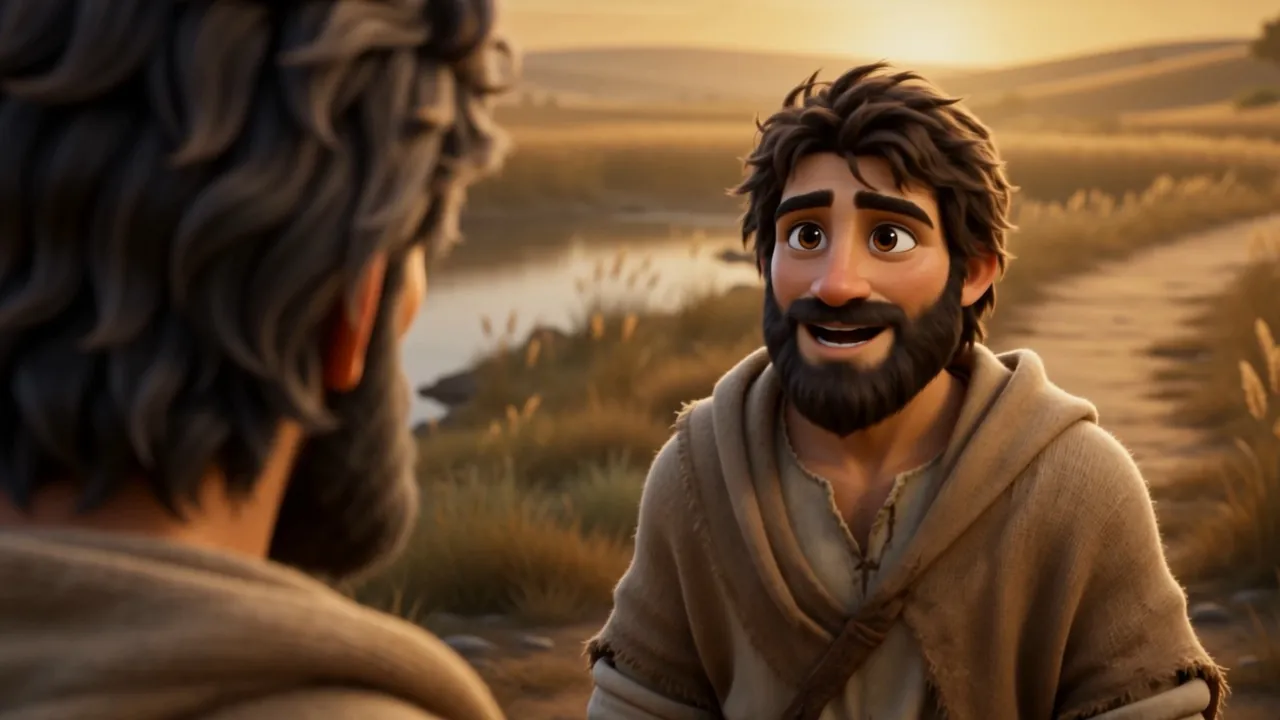

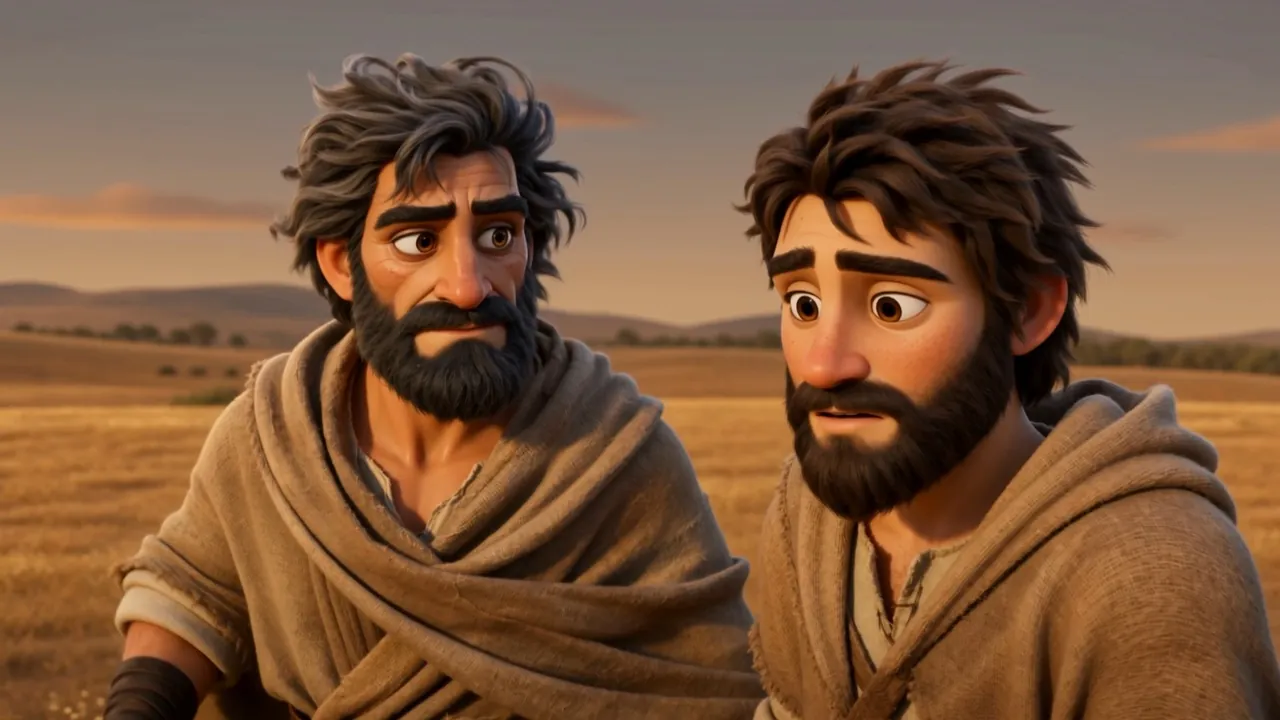
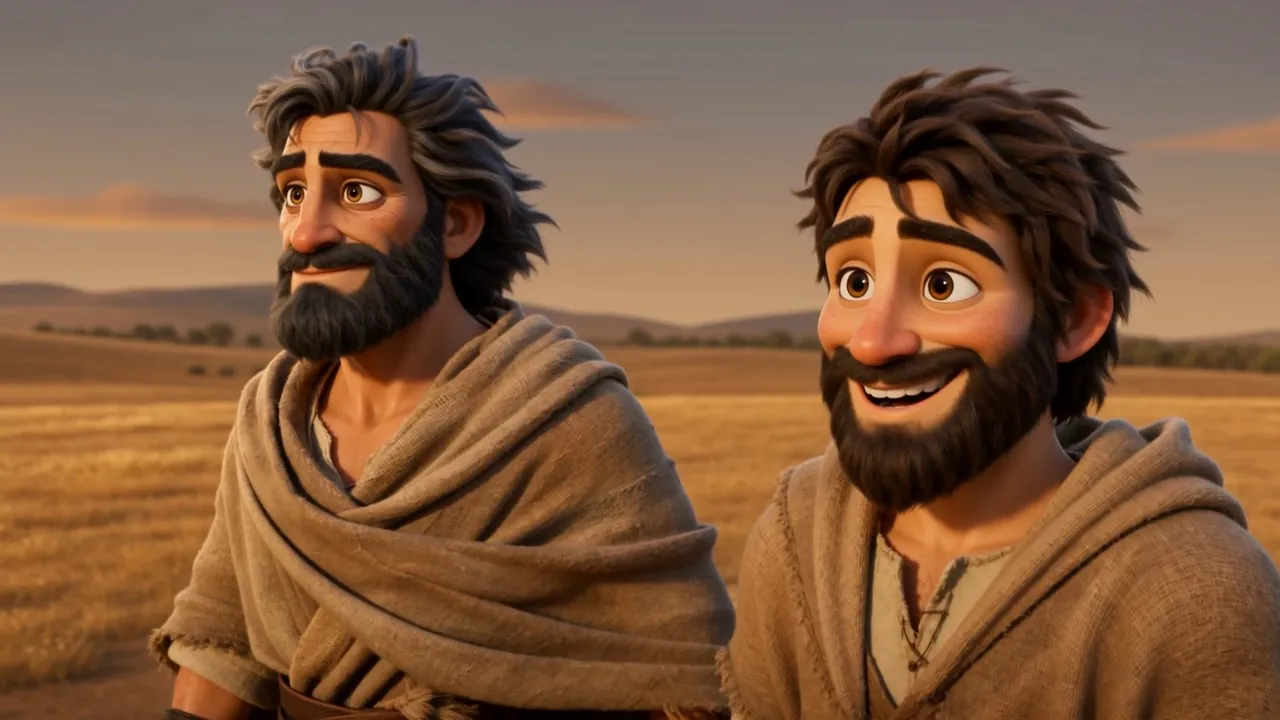

Both of them knew what day it was. Three times Elijah said stay here — at Gilgal, at Bethel, at Jericho — and three times Elisha gave the same answer: “As Yahweh lives, and as your soul lives, I will not leave you.” Everyone else stood at a distance and watched. The apprentice walked the whole way. 2 Kings 2 : 1–6
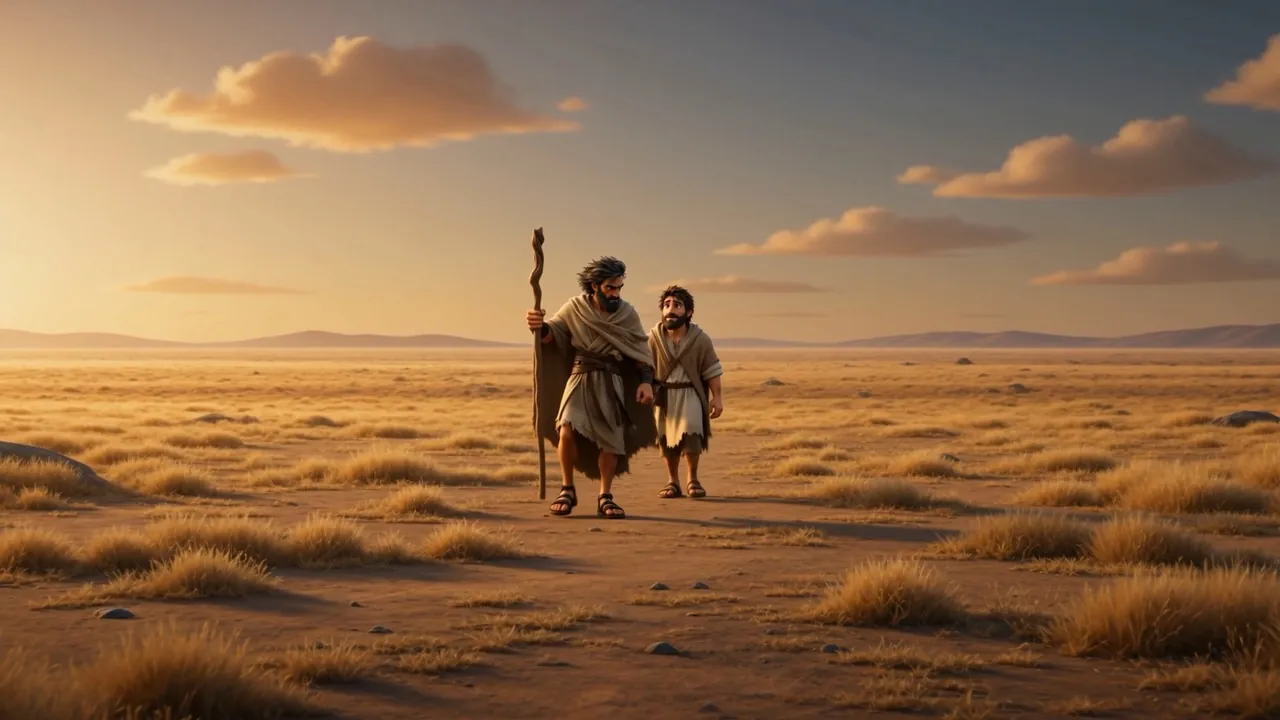
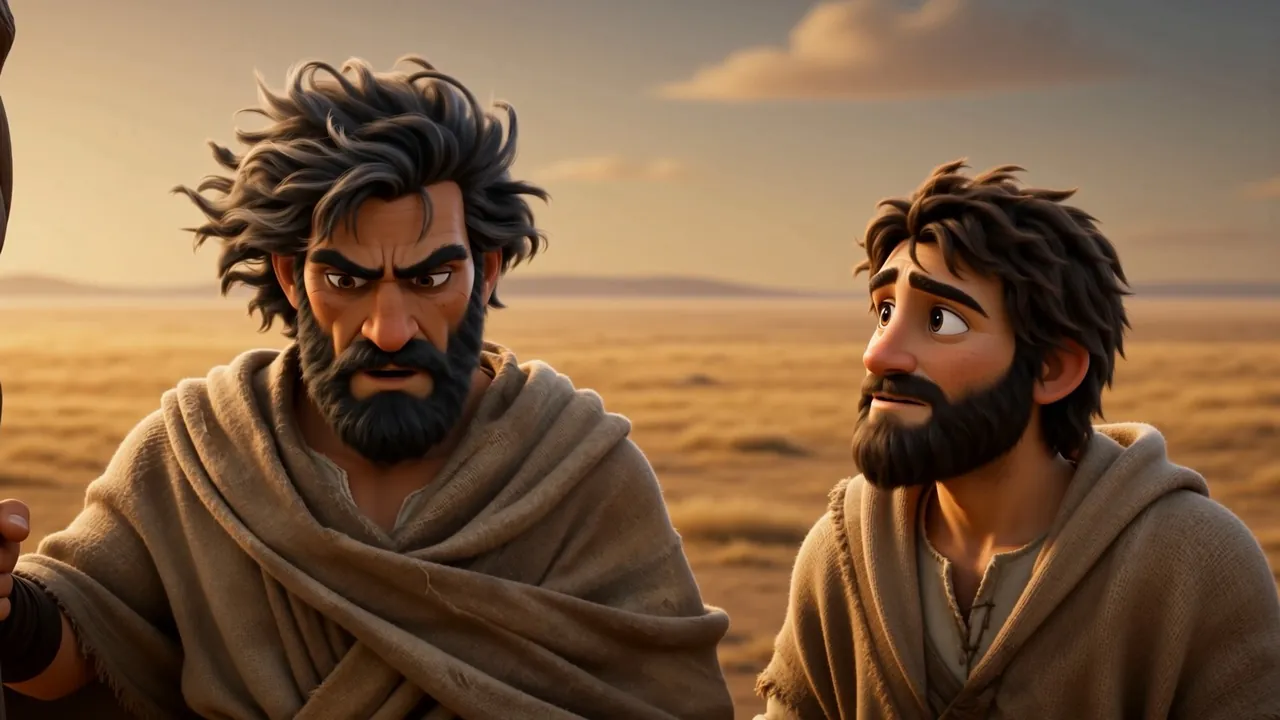
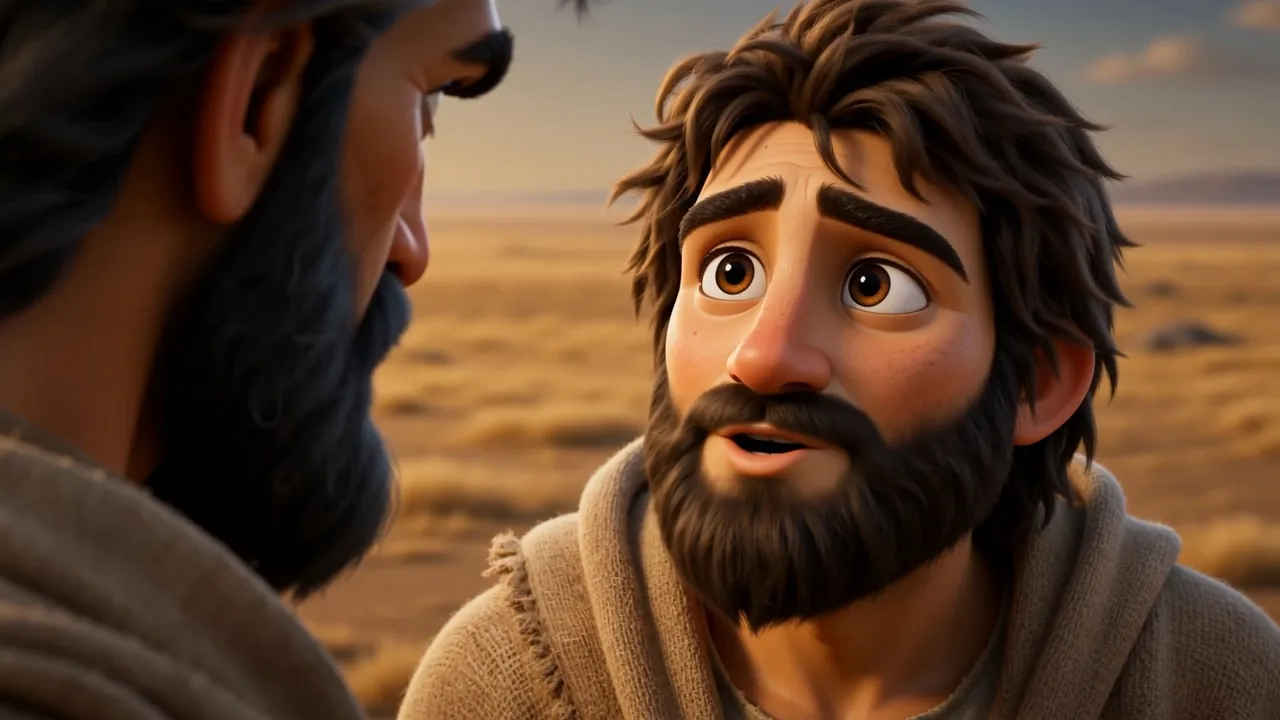

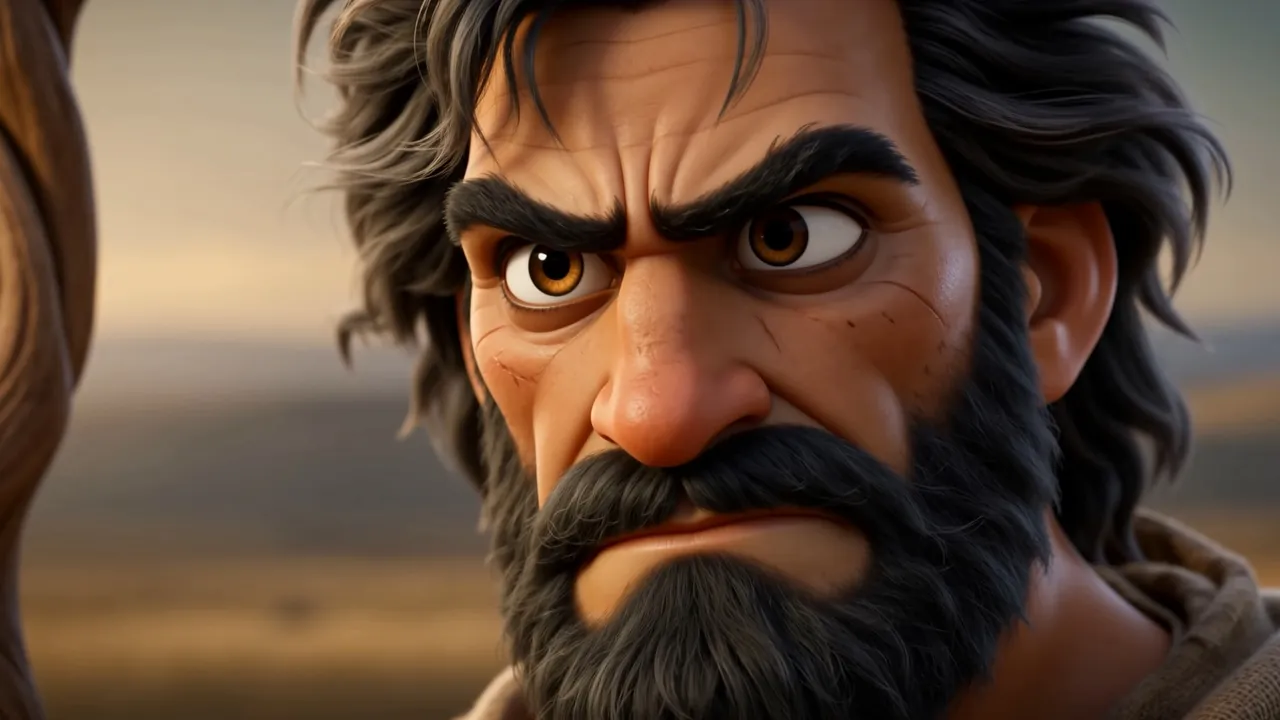


“Ask what I shall do for you, before I am taken from you.” He could have asked for anything. He asked for a double portion of your spirit — not twice the power, but the eldest son's share: let me carry the family name. “You have asked a hard thing,” said Elijah. “If you see me when I am taken from you, it shall be so.” 2 Kings 2 : 9–10
Let a double portion be on me.
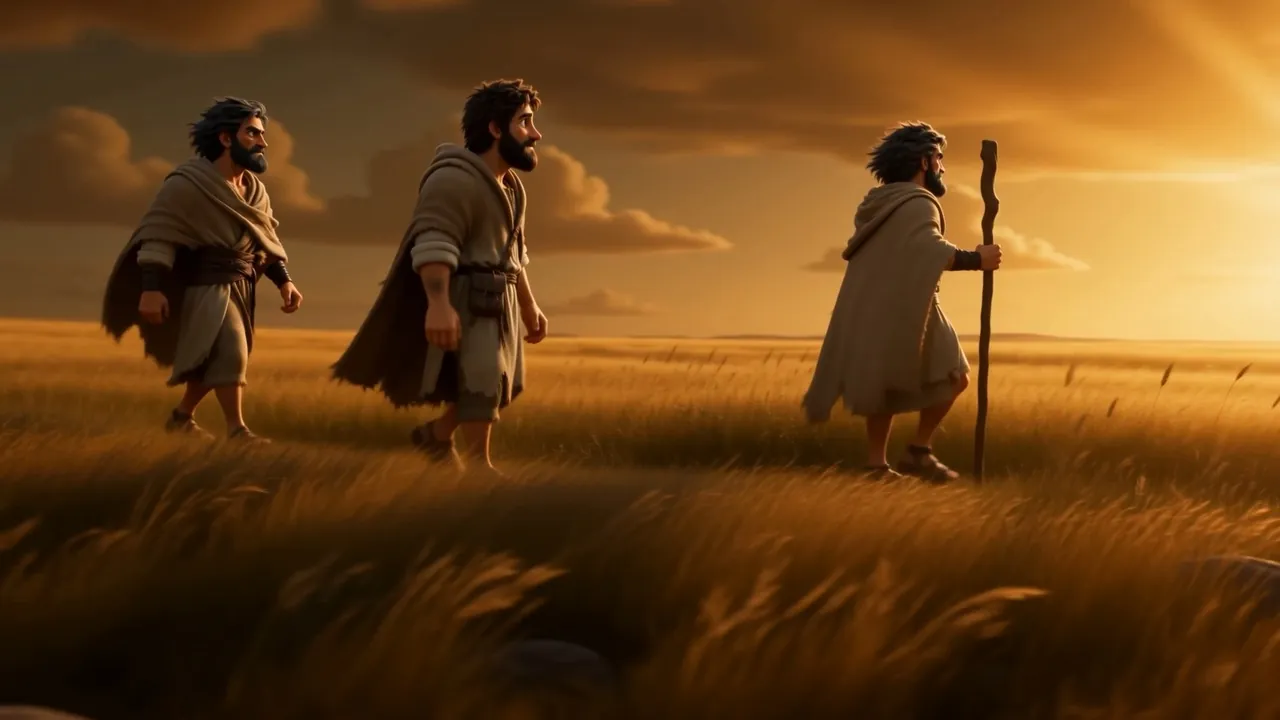




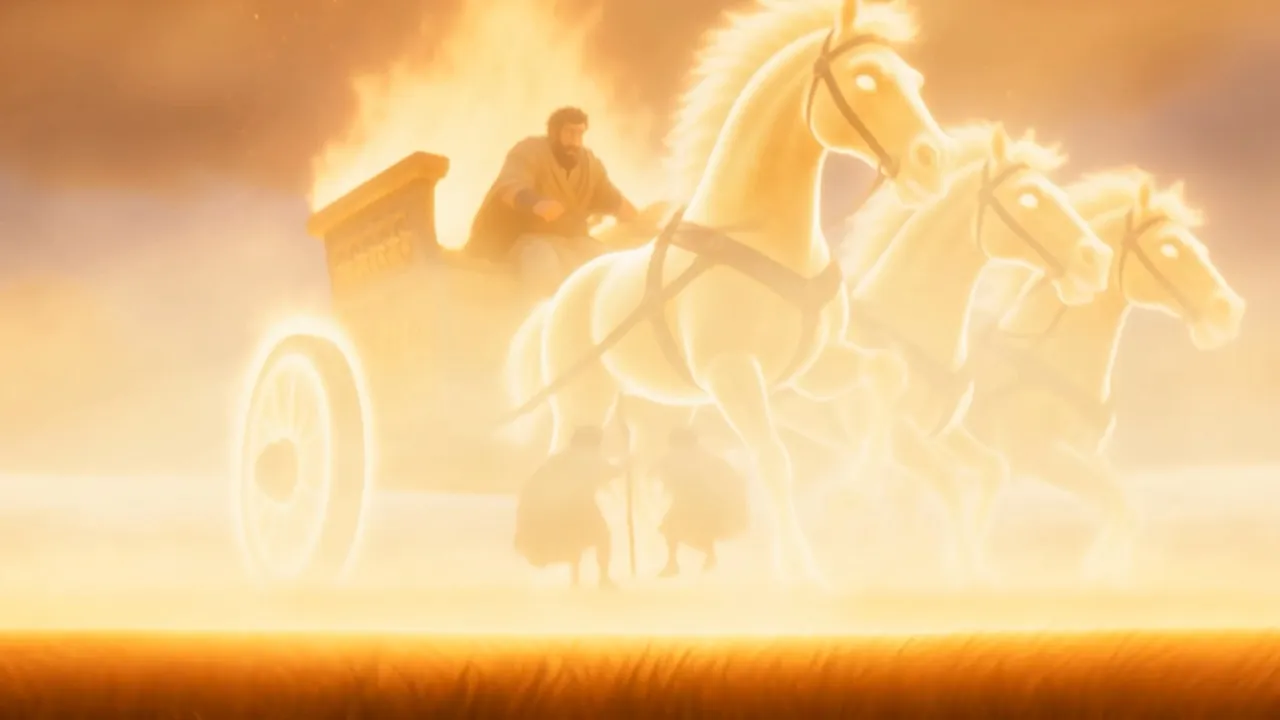
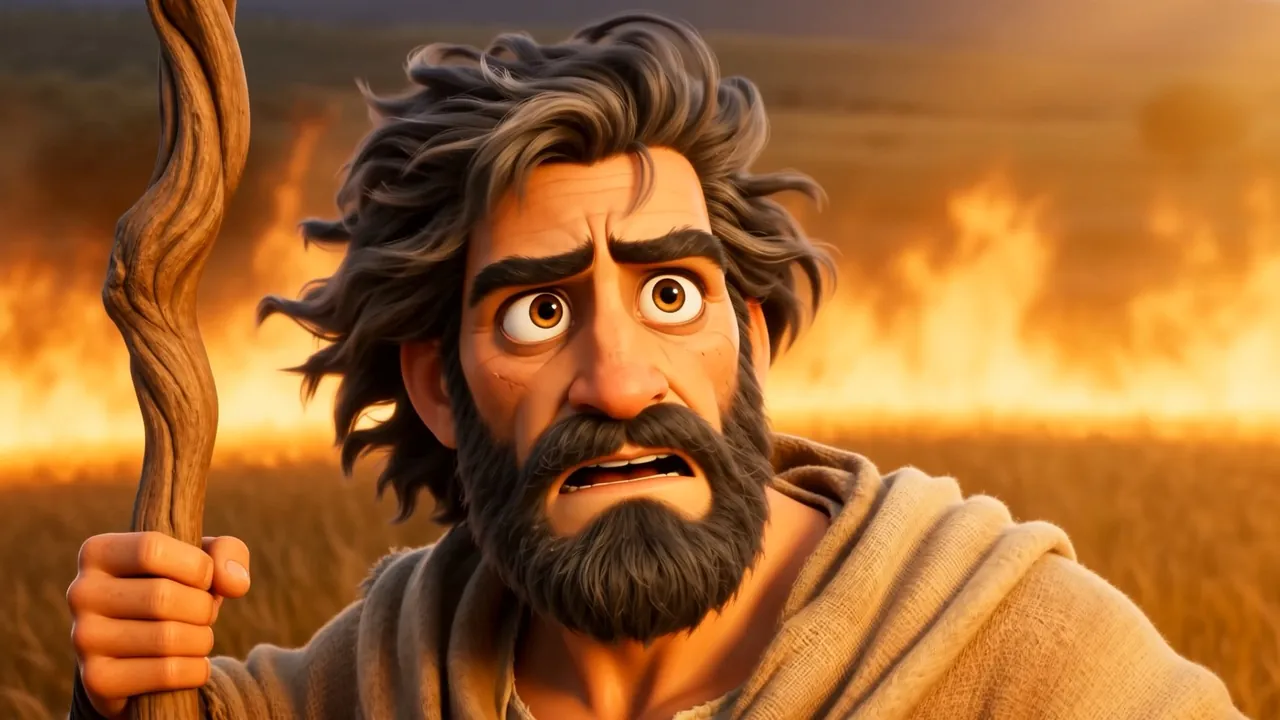


As they still went on and talked, behold, a chariot of fire and horses of fire separated them; and Elijah went up by a whirlwind into heaven. Mid-sentence. Still talking. The man who had wanted to die under a bush in the desert did not die at all — and the last thing his friend saw was fire taking him home. 2 Kings 2 : 11
He went up by a whirlwind into heaven.
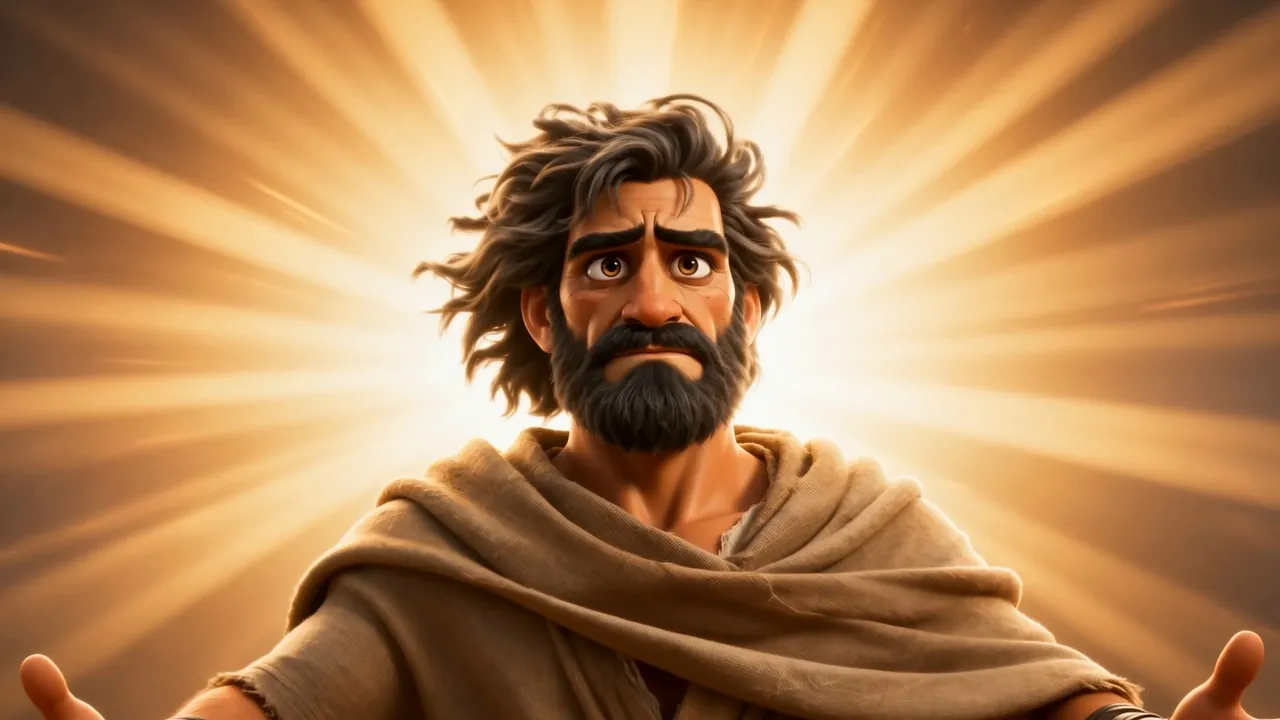
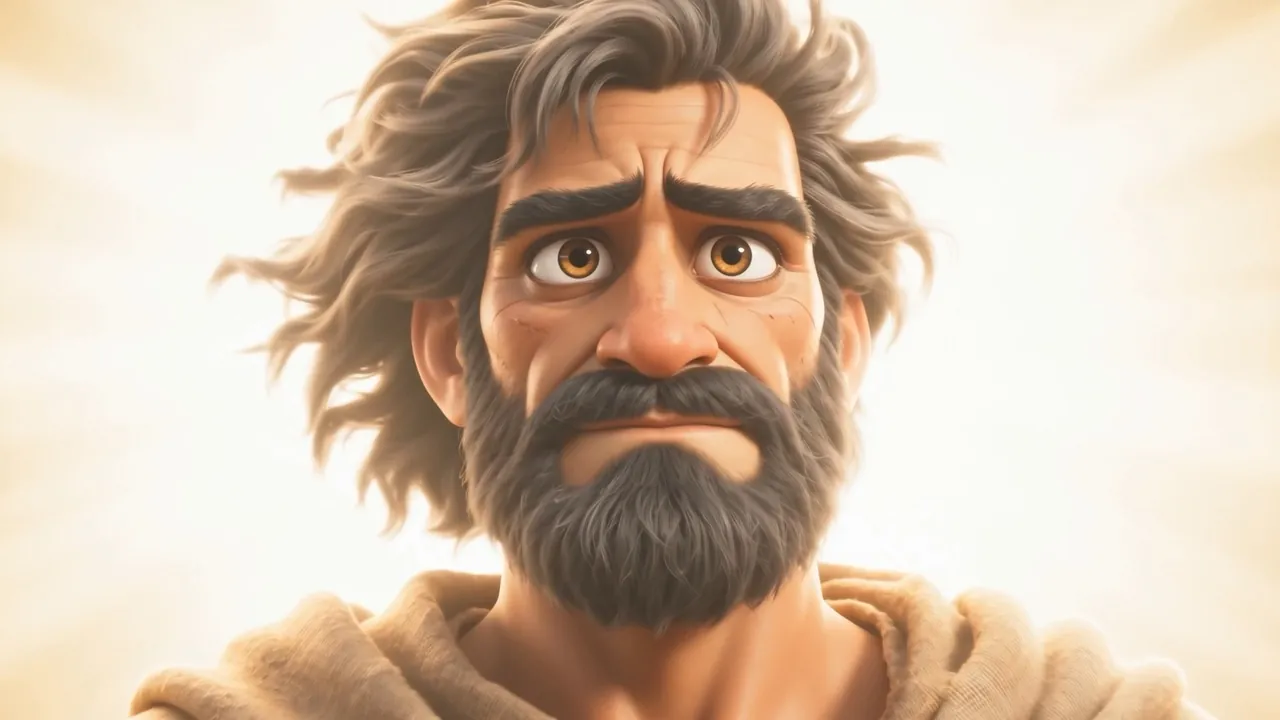



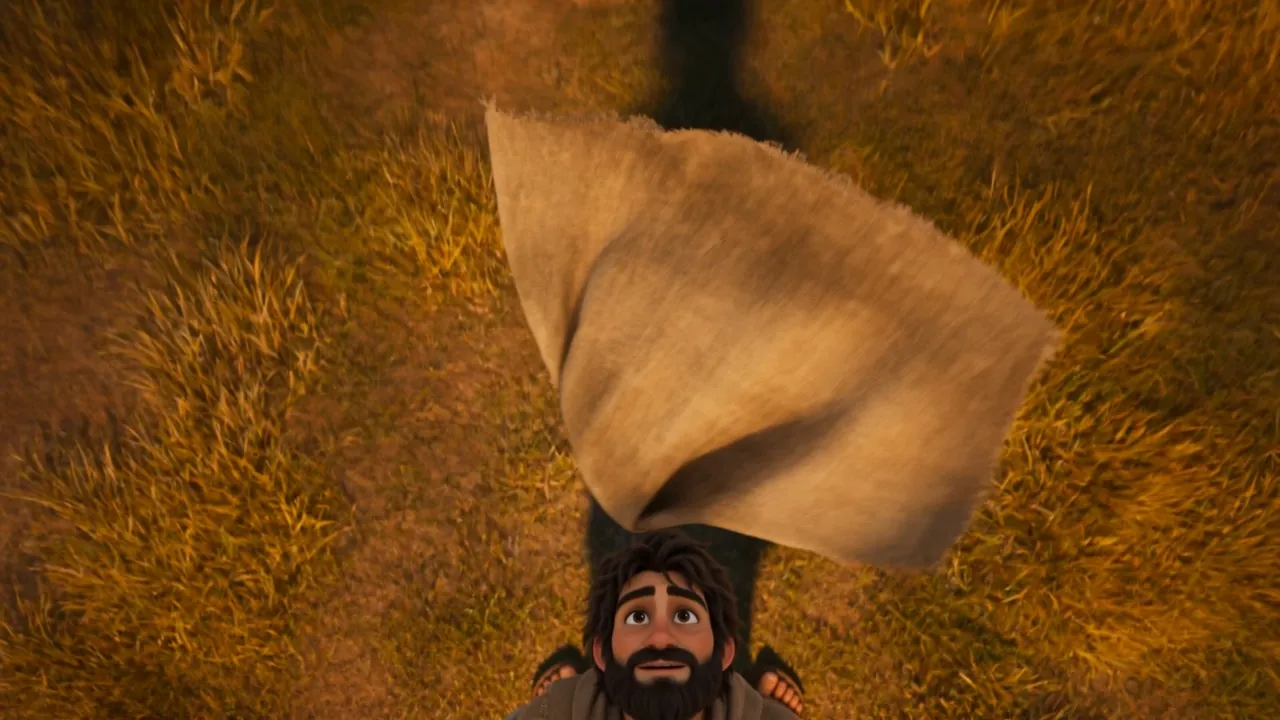
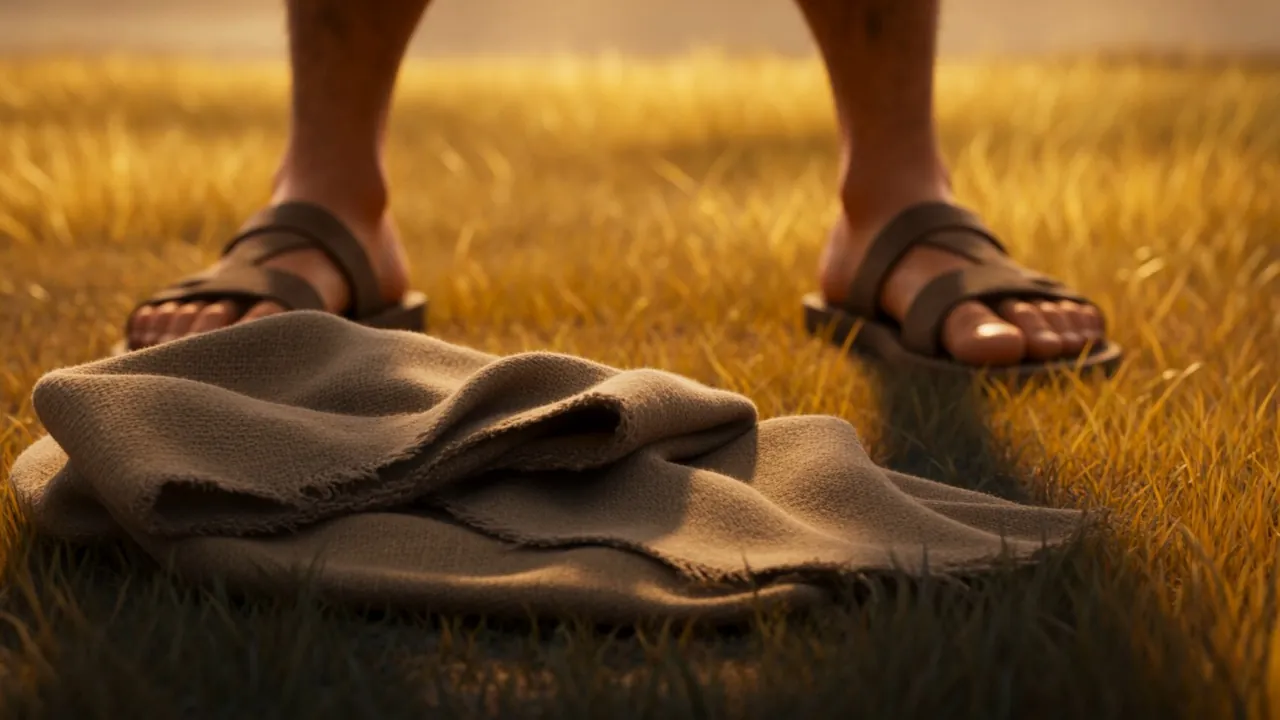
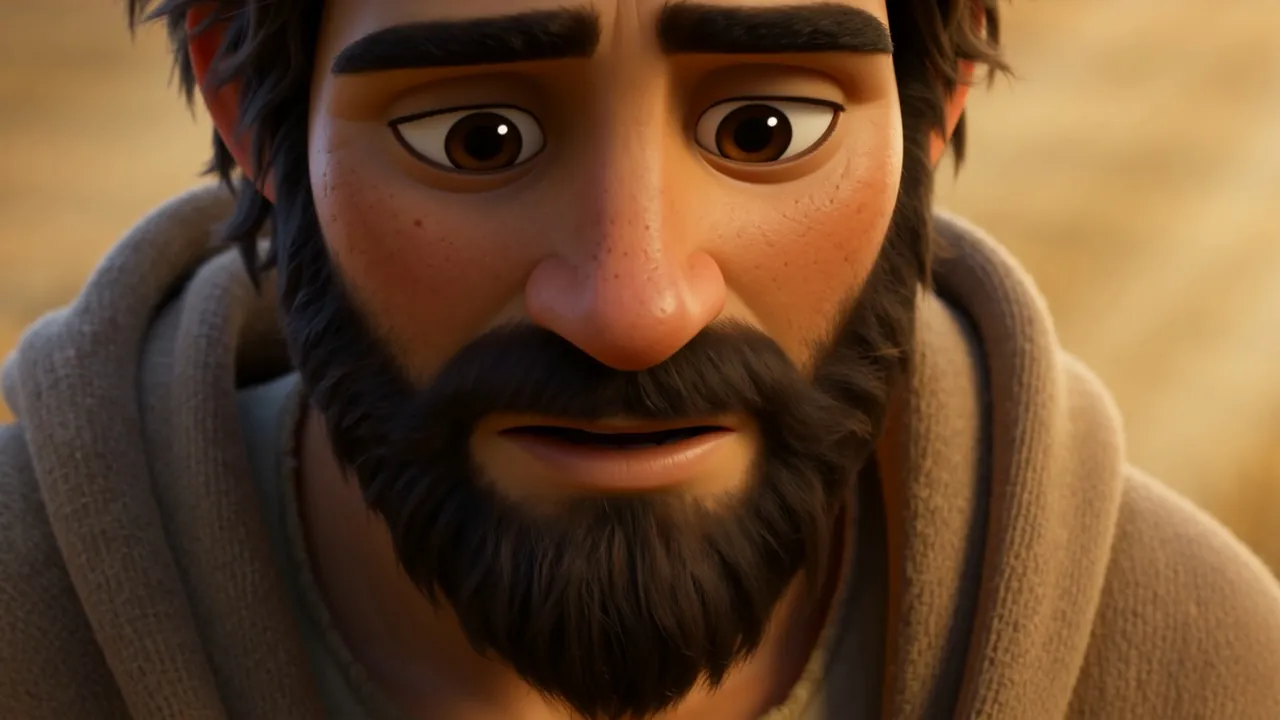

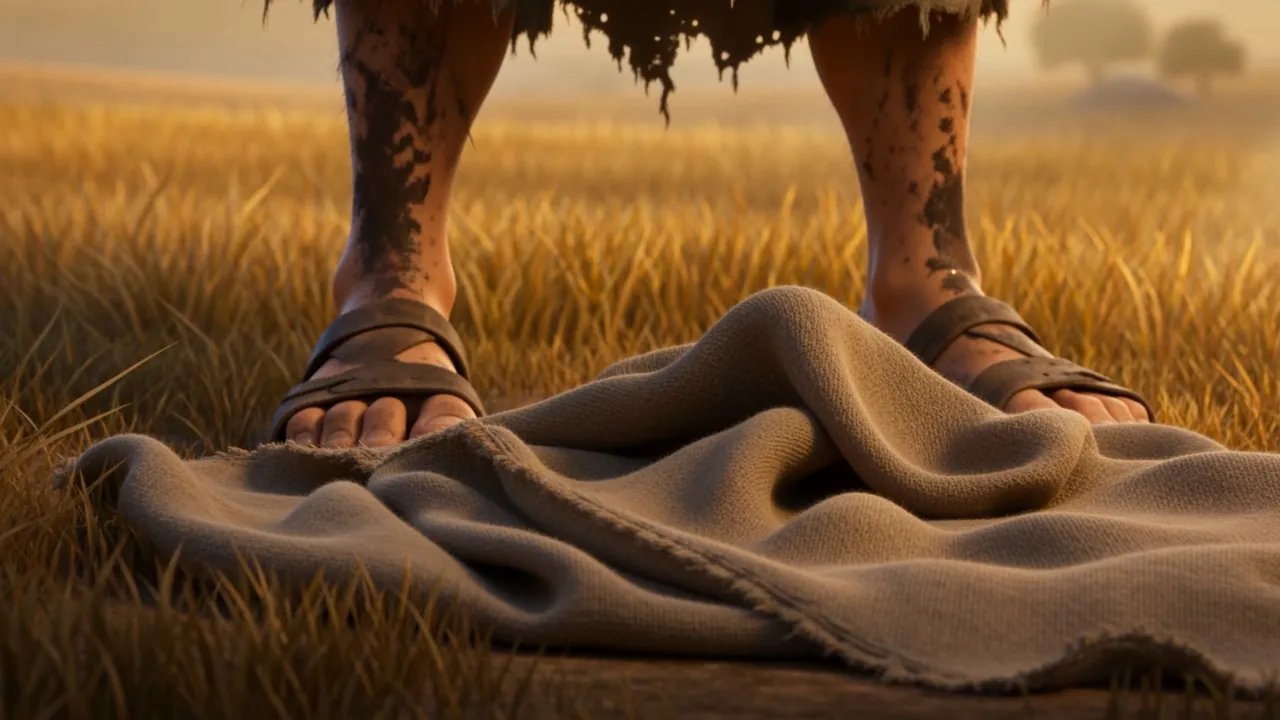
He saw it. Which means the double portion was his. Elisha saw it, and he cried, “My father, my father, the chariots of Israel and its horsemen!” He saw him no more. And then, out of an empty sky, the old hair cloak came down — the one thrown over his shoulders in a ploughed field years before. He took up Elijah's mantle that fell from him. 2 Kings 2 : 12–13
Elisha walked back to the Jordan, struck the water with the cloak, and asked one question: “Where is Yahweh, the God of Elijah?” The river opened, and the prophets watching from the far bank said, “The spirit of Elijah rests on Elisha.” The work outlived the man. And Ahab, who had everything and wanted one more field, is remembered for a vineyard he never got to plant — while the prophet who once asked to die under a bush never died at all.
Voices of the whirlwind · hover or tap to turn
Ahab
"Have you found me, my enemy?"
— 1 Kings 21:20
Jezebel
"Do you now govern the kingdom of Israel?… I will give you the vineyard of Naboth the Jezreelite."
— 1 Kings 21:7
Elisha
"Please let a double portion of your spirit be on me."
— 2 Kings 2:9One last time
How well do you know the end of Elijah?
1. Why wouldn't Naboth sell his vineyard?
"May Yahweh forbid me, that I should give the inheritance of my fathers to you!" — in Israel the land was allotted by God to families, not traded away (1 Kings 21:3).
2. How did Jezebel get the vineyard?
Letters sealed with the king's own seal: proclaim a fast, seat Naboth on high, hire two false witnesses, and stone him (1 Kings 21:8–13).
3. What brought Ahab down in the end?
He disguised himself to avoid the prophecy — and "a certain man drew his bow at random" and struck him between the joints of the armour (1 Kings 22:34).
4. What did Elisha ask Elijah for?
The eldest son's share — permission to carry the family name. "You have asked a hard thing," said Elijah (2 Kings 2:9–10).
What this story teaches
Wanting is not the sin. Taking is.
Ahab could have lived with a no. Instead he sulked until someone else did the evil for him — and then walked down and enjoyed it. Silence in the face of a crime you benefit from is not innocence.
“Have you killed, and also taken possession?” 1 Kings 21 : 19You cannot disguise your way out.
Ahab believed the warning enough to take off his crown — and an arrow fired by nobody in particular found the one gap in his armour. Cleverness is no defence against the word of God.
“A certain man drew his bow at random…” 1 Kings 22 : 34Ask for the mantle, not the fireworks.
Elisha watched a chariot of fire and asked for none of it. He wanted the coat — the ordinary, heavy, inherited work. The spectacular went to heaven; the mantle stayed on the ground for someone to pick up.
“He took up Elijah’s mantle that fell from him.” 2 Kings 2 : 13Read the scripture itself. 1 Kings 21–22 · 2 Kings 2 : 1–15 · World English Bible
1 Kings 21
1After these things, Naboth the Jezreelite had a vineyard, which was in Jezreel, next to the palace of Ahab king of Samaria.
2Ahab spoke to Naboth, saying, “Give me your vineyard, that I may have it for a garden of herbs, because it is near my house; and I will give you for it a better vineyard than it. Or, if it seems good to you, I will give you its worth in money.”
3Naboth said to Ahab, “May Yahweh forbid me, that I should give the inheritance of my fathers to you!”
4Ahab came into his house sullen and angry because of the word which Naboth the Jezreelite had spoken to him; for he had said, “I will not give you the inheritance of my fathers.” He laid himself down on his bed, and turned away his face, and would eat no bread.
5But Jezebel his wife came to him, and said to him, “Why is your spirit so sad, that you eat no bread?”
6He said to her, “Because I spoke to Naboth the Jezreelite, and said to him, ‘Give me your vineyard for money; or else, if it pleases you, I will give you another vineyard for it.’ He answered, ‘I will not give you my vineyard.’”
7Jezebel his wife said to him, “Do you now govern the kingdom of Israel? Arise, and eat bread, and let your heart be merry. I will give you the vineyard of Naboth the Jezreelite.”
8So she wrote letters in Ahab’s name, and sealed them with his seal, and sent the letters to the elders and to the nobles who were in his city, who lived with Naboth.
9She wrote in the letters, saying, “Proclaim a fast, and set Naboth on high among the people.
10Set two men, wicked fellows, before him, and let them testify against him, saying, ‘You cursed God and the king!’ Then carry him out, and stone him to death.”
11The men of his city, even the elders and the nobles who lived in his city, did as Jezebel had instructed them in the letters which she had written and sent to them.
12They proclaimed a fast, and set Naboth on high among the people.
13The two men, the wicked fellows, came in and sat before him. The wicked fellows testified against him, even against Naboth, in the presence of the people, saying, “Naboth cursed God and the king!” Then they carried him out of the city and stoned him to death with stones.
14Then they sent to Jezebel, saying, “Naboth has been stoned, and is dead.”
15When Jezebel heard that Naboth had been stoned, and was dead, Jezebel said to Ahab, “Arise, take possession of the vineyard of Naboth the Jezreelite, which he refused to give you for money; for Naboth is not alive, but dead.”
16When Ahab heard that Naboth was dead, Ahab rose up to go down to the vineyard of Naboth the Jezreelite, to take possession of it.
17Yahweh’s word came to Elijah the Tishbite, saying,
18“Arise, go down to meet Ahab king of Israel, who dwells in Samaria. Behold, he is in the vineyard of Naboth, where he has gone down to take possession of it.
19You shall speak to him, saying, ‘Yahweh says, “Have you killed and also taken possession?”’ You shall speak to him, saying, ‘Yahweh says, “In the place where dogs licked the blood of Naboth, dogs will lick your blood, even yours.”’”
20Ahab said to Elijah, “Have you found me, my enemy?” He answered, “I have found you, because you have sold yourself to do that which is evil in Yahweh’s sight.
21Behold, I will bring evil on you, and will utterly sweep you away and will cut off from Ahab everyone who urinates against a wall, and him who is shut up and him who is left at large in Israel.
22I will make your house like the house of Jeroboam the son of Nebat, and like the house of Baasha the son of Ahijah for the provocation with which you have provoked me to anger, and have made Israel to sin.”
23Yahweh also spoke of Jezebel, saying, “The dogs will eat Jezebel by the rampart of Jezreel.
24The dogs will eat he who dies of Ahab in the city; and the birds of the sky will eat he who dies in the field.”
25But there was no one like Ahab, who sold himself to do that which was evil in Yahweh’s sight, whom Jezebel his wife stirred up.
26He did very abominably in following idols, according to all that the Amorites did, whom Yahweh cast out before the children of Israel.
27When Ahab heard those words, he tore his clothes, and put sackcloth on his flesh, and fasted, and lay in sackcloth, and went softly.
28Yahweh’s word came to Elijah the Tishbite, saying,
29“See how Ahab humbles himself before me? Because he humbles himself before me, I will not bring the evil in his days; but I will bring the evil on his house in his son’s day.”
1 Kings 22 : 1–40
1They continued three years without war between Syria and Israel.
2In the third year, Jehoshaphat the king of Judah came down to the king of Israel.
3The king of Israel said to his servants, “You know that Ramoth Gilead is ours, and we do nothing, and don’t take it out of the hand of the king of Syria?”
4He said to Jehoshaphat, “Will you go with me to battle to Ramoth Gilead?” Jehoshaphat said to the king of Israel, “I am as you are, my people as your people, my horses as your horses.”
5Jehoshaphat said to the king of Israel, “Please inquire first for Yahweh’s word.”
6Then the king of Israel gathered the prophets together, about four hundred men, and said to them, “Should I go against Ramoth Gilead to battle, or should I refrain?” They said, “Go up; for the Lord will deliver it into the hand of the king.”
7But Jehoshaphat said, “Isn’t there here a prophet of Yahweh, that we may inquire of him?”
8The king of Israel said to Jehoshaphat, “There is yet one man by whom we may inquire of Yahweh, Micaiah the son of Imlah; but I hate him, for he does not prophesy good concerning me, but evil.” Jehoshaphat said, “Don’t let the king say so.”
9Then the king of Israel called an officer, and said, “Quickly get Micaiah the son of Imlah.”
10Now the king of Israel and Jehoshaphat the king of Judah were sitting each on his throne, arrayed in their robes, in an open place at the entrance of the gate of Samaria; and all the prophets were prophesying before them.
11Zedekiah the son of Chenaanah made himself horns of iron, and said, “Yahweh says, ‘With these you will push the Syrians, until they are consumed.’”
12All the prophets prophesied so, saying, “Go up to Ramoth Gilead, and prosper; for Yahweh will deliver it into the hand of the king.”
13The messenger who went to call Micaiah spoke to him, saying, “See now, the prophets declare good to the king with one mouth. Please let your word be like the word of one of them, and speak good.”
14Micaiah said, “As Yahweh lives, what Yahweh says to me, that I will speak.”
15When he had come to the king, the king said to him, “Micaiah, shall we go to Ramoth Gilead to battle, or shall we forbear?” He answered him, “Go up and prosper; and Yahweh will deliver it into the hand of the king.”
16The king said to him, “How many times do I have to adjure you that you speak to me nothing but the truth in Yahweh’s name?”
17He said, “I saw all Israel scattered on the mountains, as sheep that have no shepherd. Yahweh said, ‘These have no master. Let them each return to his house in peace.’”
18The king of Israel said to Jehoshaphat, “Didn’t I tell you that he would not prophesy good concerning me, but evil?”
19Micaiah said, “Therefore hear Yahweh’s word. I saw Yahweh sitting on his throne, and all the army of heaven standing by him on his right hand and on his left.
20Yahweh said, ‘Who will entice Ahab, that he may go up and fall at Ramoth Gilead?’ One said one thing; and another said another.
21A spirit came out and stood before Yahweh, and said, ‘I will entice him.’
22Yahweh said to him, ‘How?’ He said, ‘I will go out and will be a lying spirit in the mouth of all his prophets.’ He said, ‘You will entice him, and will also prevail. Go out and do so.’
23Now therefore, behold, Yahweh has put a lying spirit in the mouth of all these your prophets; and Yahweh has spoken evil concerning you.”
24Then Zedekiah the son of Chenaanah came near, and struck Micaiah on the cheek, and said, “Which way did Yahweh’s Spirit go from me to speak to you?”
25Micaiah said, “Behold, you will see on that day, when you go into an inner room to hide yourself.”
26The king of Israel said, “Take Micaiah, and carry him back to Amon the governor of the city, and to Joash the king’s son.
27Say, ‘Thus says the king, “Put this fellow in the prison, and feed him with bread of affliction and with water of affliction, until I come in peace.”’”
28Micaiah said, “If you return at all in peace, Yahweh has not spoken by me.” He said, “Listen, all you people!”
29So the king of Israel and Jehoshaphat the king of Judah went up to Ramoth Gilead.
30The king of Israel said to Jehoshaphat, “I will disguise myself, and go into the battle; but you put on your robes.” The king of Israel disguised himself, and went into the battle.
31Now the king of Syria had commanded the thirty-two captains of his chariots, saying, “Don’t fight with small nor great, except only with the king of Israel.”
32When the captains of the chariots saw Jehoshaphat, they said, “Surely that is the king of Israel!” and they came over to fight against him. Jehoshaphat cried out.
33When the captains of the chariots saw that it was not the king of Israel, they turned back from pursuing him.
34A certain man drew his bow at random, and struck the king of Israel between the joints of the armor. Therefore he said to the driver of his chariot, “Turn your hand, and carry me out of the battle; for I am severely wounded.”
35The battle increased that day. The king was propped up in his chariot facing the Syrians, and died at evening. The blood ran out of the wound into the bottom of the chariot.
36A cry went throughout the army about the going down of the sun, saying, “Every man to his city, and every man to his country!”
37So the king died, and was brought to Samaria; and they buried the king in Samaria.
38They washed the chariot by the pool of Samaria; and the dogs licked up his blood where the prostitutes washed themselves; according to Yahweh’s word which he spoke.
39Now the rest of the acts of Ahab, and all that he did, and the ivory house which he built, and all the cities that he built, aren’t they written in the book of the chronicles of the kings of Israel?
40So Ahab slept with his fathers; and Ahaziah his son reigned in his place.
2 Kings 2 : 1–15
1When Yahweh was about to take Elijah up by a whirlwind into heaven, Elijah went with Elisha from Gilgal.
2Elijah said to Elisha, “Please wait here, for Yahweh has sent me as far as Bethel.” Elisha said, “As Yahweh lives, and as your soul lives, I will not leave you.” So they went down to Bethel.
3The sons of the prophets who were at Bethel came out to Elisha, and said to him, “Do you know that Yahweh will take away your master from your head today?” He said, “Yes, I know it. Hold your peace.”
4Elijah said to him, “Elisha, please wait here, for Yahweh has sent me to Jericho.” He said, “As Yahweh lives, and as your soul lives, I will not leave you.” So they came to Jericho.
5The sons of the prophets who were at Jericho came near to Elisha, and said to him, “Do you know that Yahweh will take away your master from your head today?” He answered, “Yes, I know it. Hold your peace.”
6Elijah said to him, “Please wait here, for Yahweh has sent me to the Jordan.” He said, “As Yahweh lives, and as your soul lives, I will not leave you.” Then they both went on.
7Fifty men of the sons of the prophets went, and stood opposite them at a distance; and they both stood by the Jordan.
8Elijah took his mantle, and rolled it up, and struck the waters, and they were divided here and there, so that they both went over on dry ground.
9When they had gone over, Elijah said to Elisha, “Ask what I shall do for you, before I am taken from you.” Elisha said, “Please let a double portion of your spirit be on me.”
10He said, “You have asked a hard thing. If you see me when I am taken from you, it will be so for you; but if not, it will not be so.”
11As they continued on and talked, behold, a chariot of fire and horses of fire separated them, and Elijah went up by a whirlwind into heaven.
12Elisha saw it, and he cried, “My father, my father, the chariots of Israel and its horsemen!” He saw him no more. Then he took hold of his own clothes, and tore them in two pieces.
13He also took up Elijah’s mantle that fell from him, and went back, and stood by the bank of the Jordan.
14He took Elijah’s mantle that fell from him, and struck the waters, and said, “Where is Yahweh, the God of Elijah?” When he also had struck the waters, they were divided apart, and Elisha went over.
15When the sons of the prophets who were at Jericho over against him saw him, they said, “The spirit of Elijah rests on Elisha.” They came to meet him, and bowed themselves to the ground before him.
World English Bible (WEB) — a public-domain modern English translation. Read it freely, share it freely.
The Books of Kings — animated film 30% in production
These scenes are real frames from the film.
Help us finish it — and every story like it — free for the world.