The Book of Judges · Deborah
Until I arose,a mother in Israel.
A woman holding court under a palm tree while nine hundred iron chariots own the valley — and the day it rained. Every scene below is a real frame from our animated film.
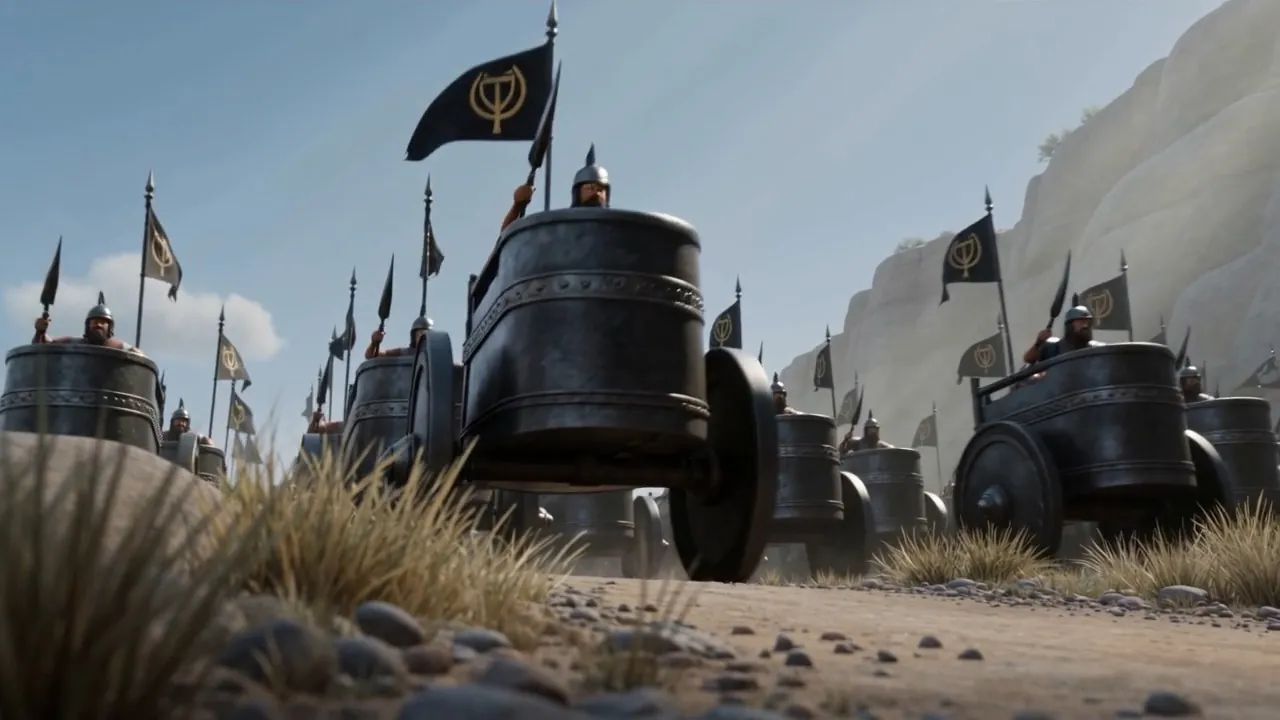
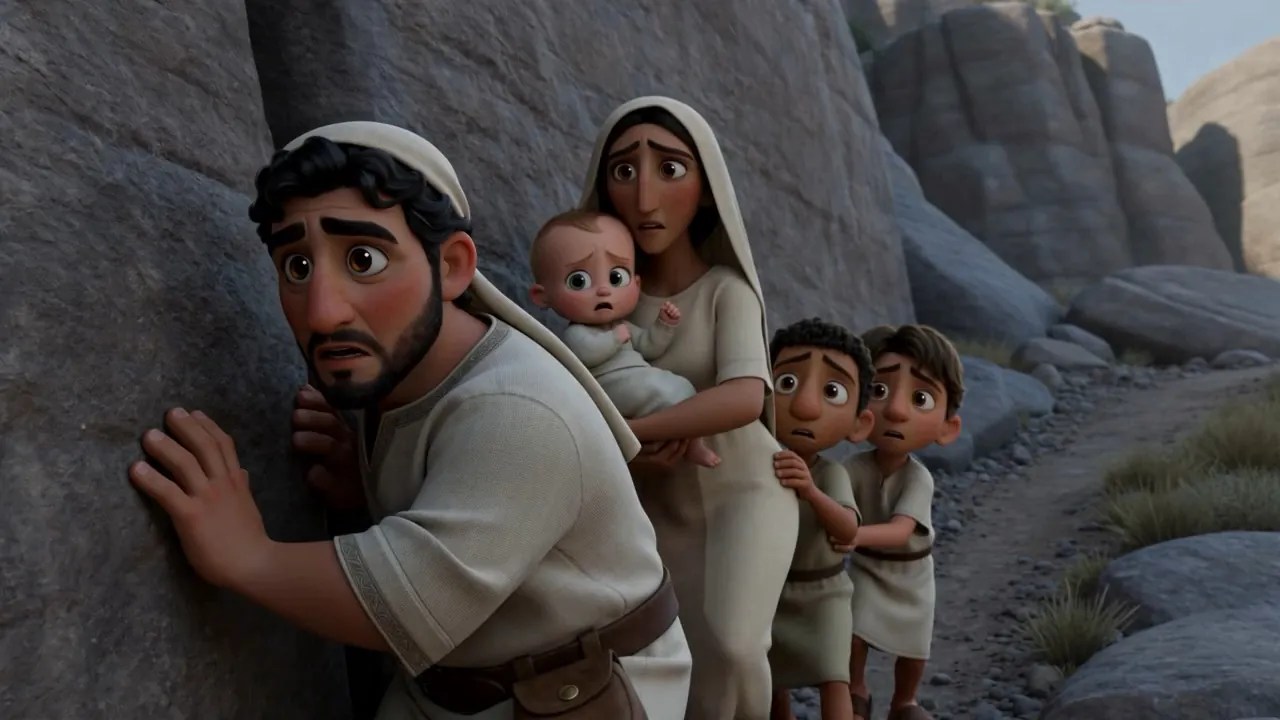
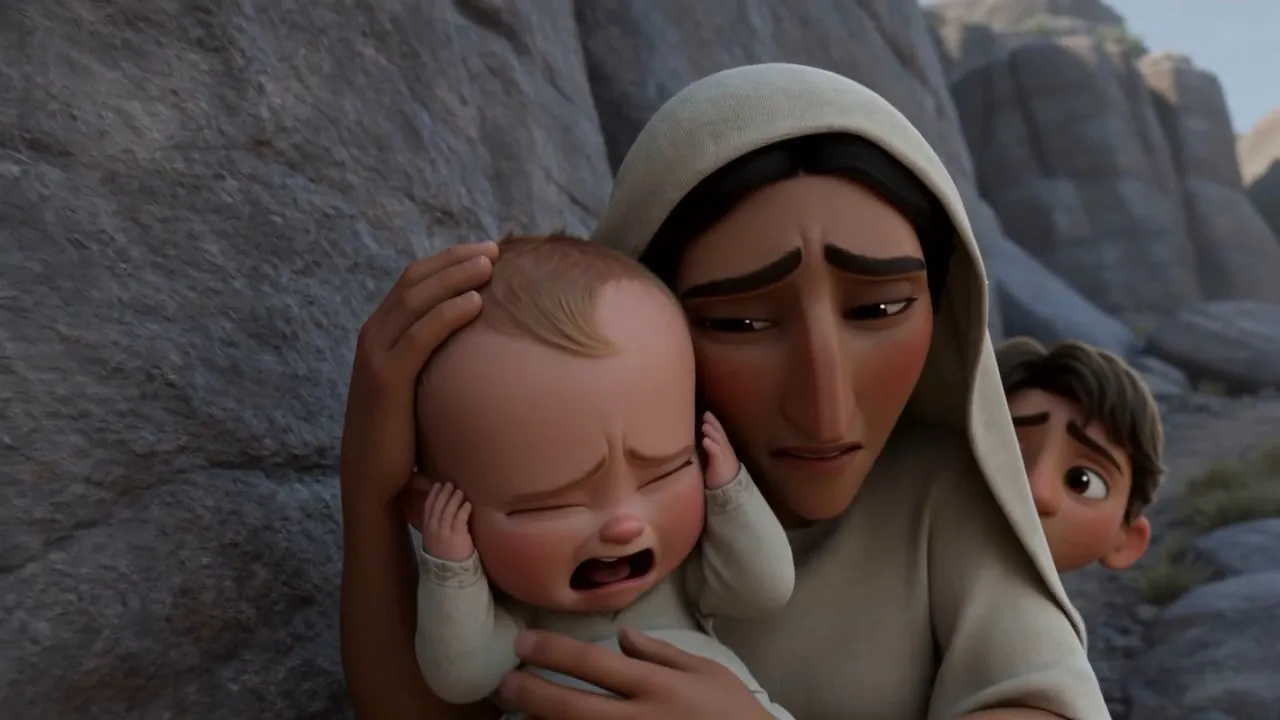

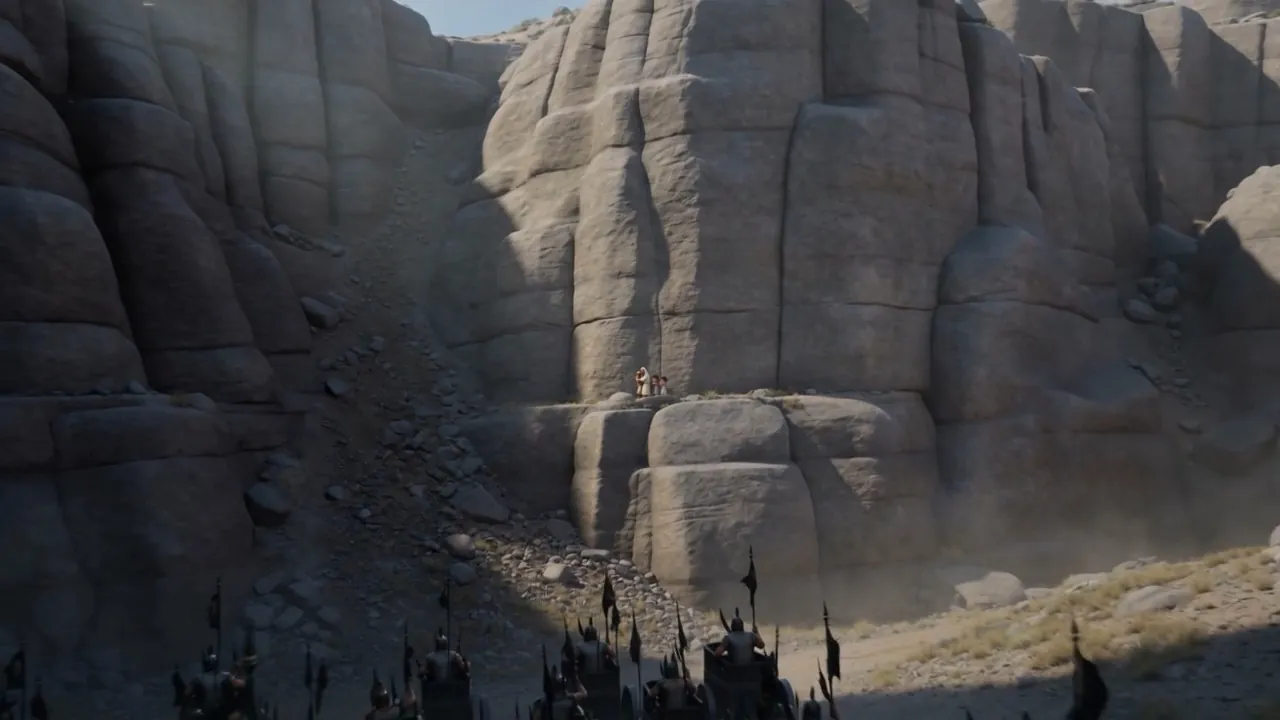
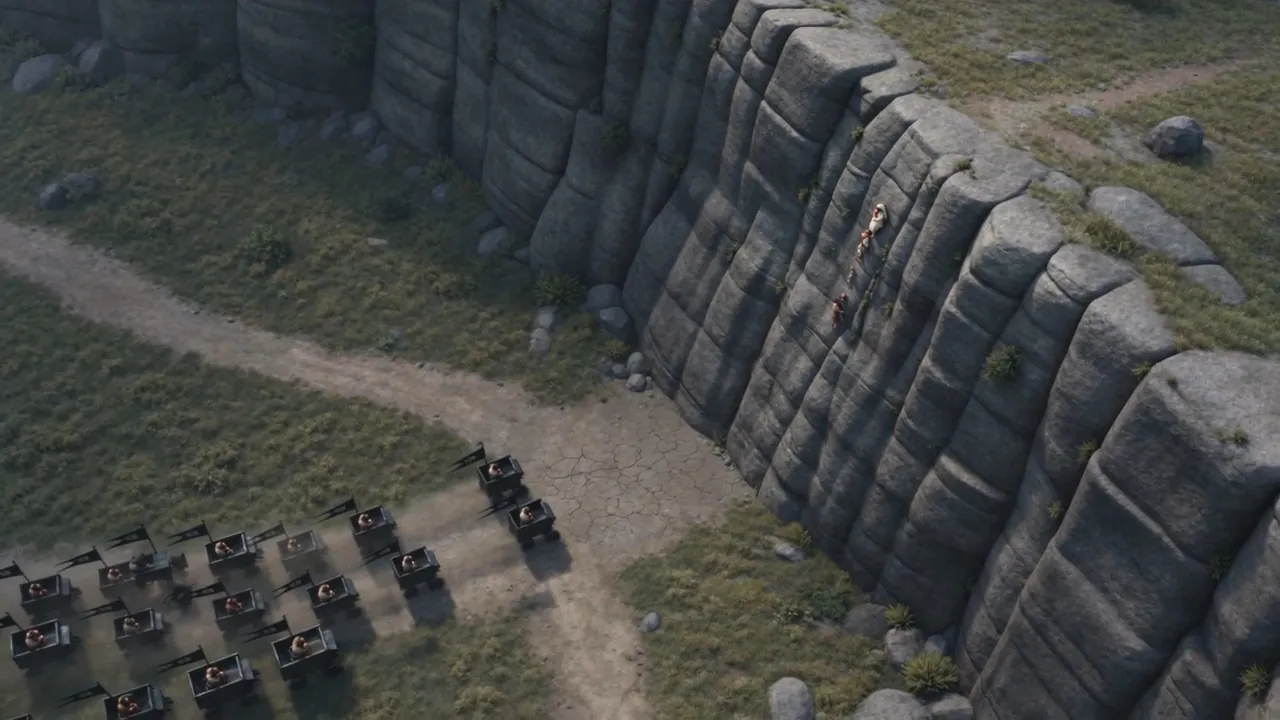
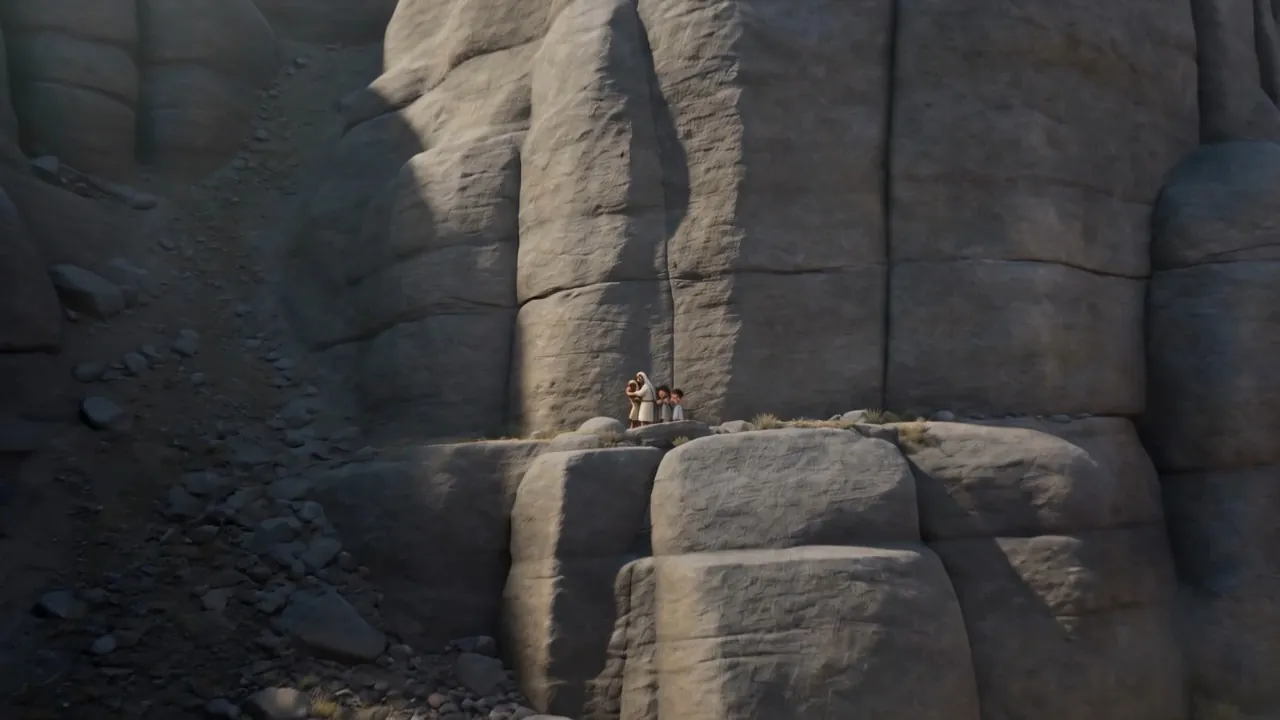
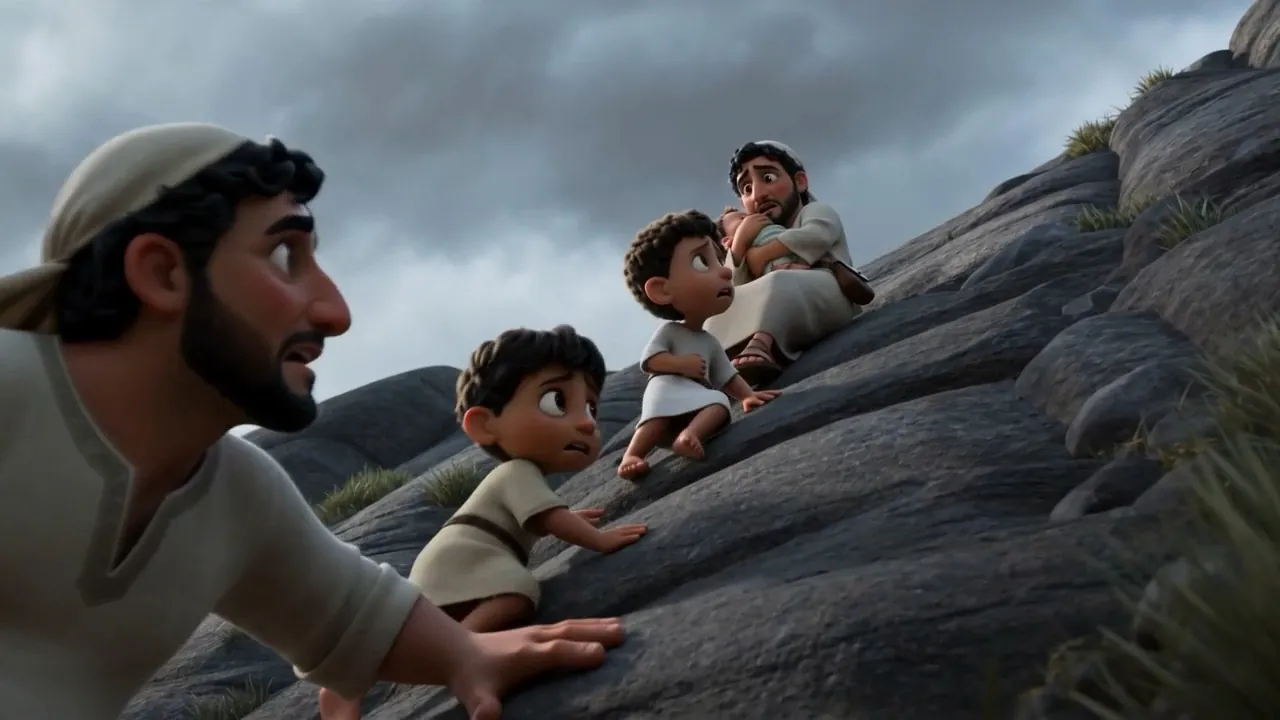
After Ehud died, Israel did evil again, and Yahweh sold them into the hand of Jabin king of Canaan. The captain of his army was Sisera — and the detail the text keeps repeating is the hardware: he had nine hundred chariots of iron; and he mightily oppressed the children of Israel for twenty years. Judges 4 : 1–3
Nine hundred chariots of iron.
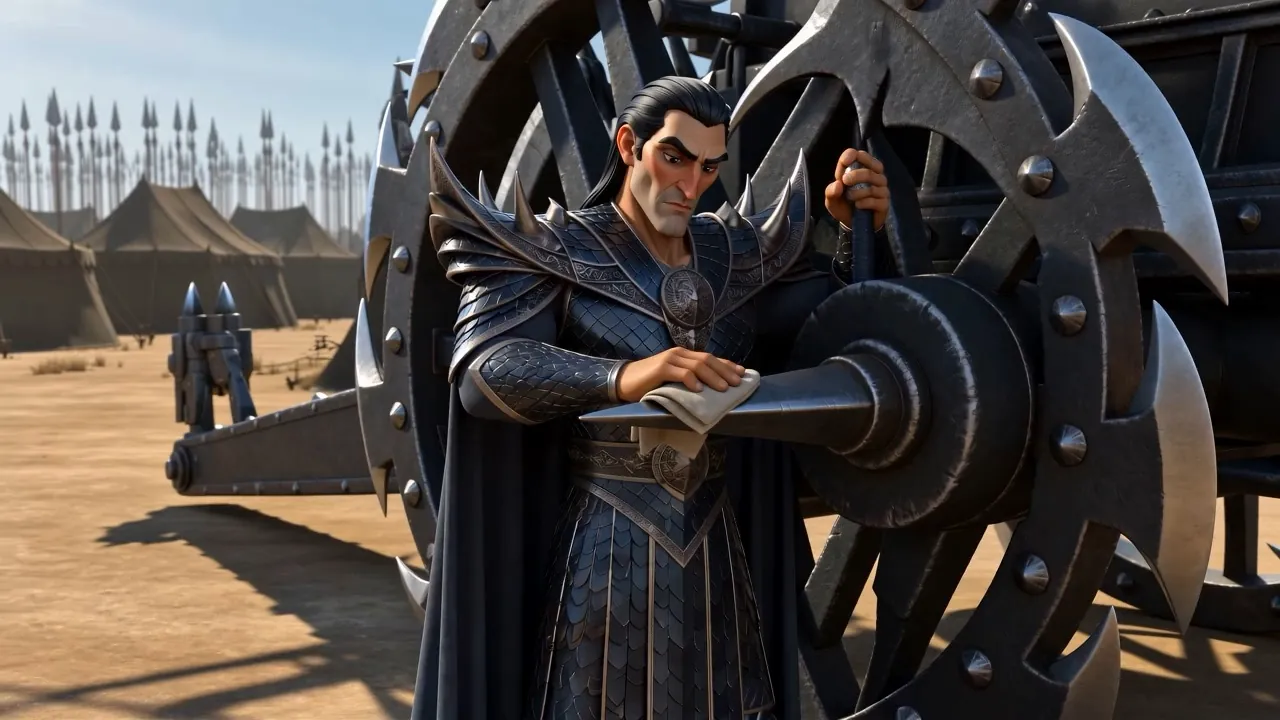

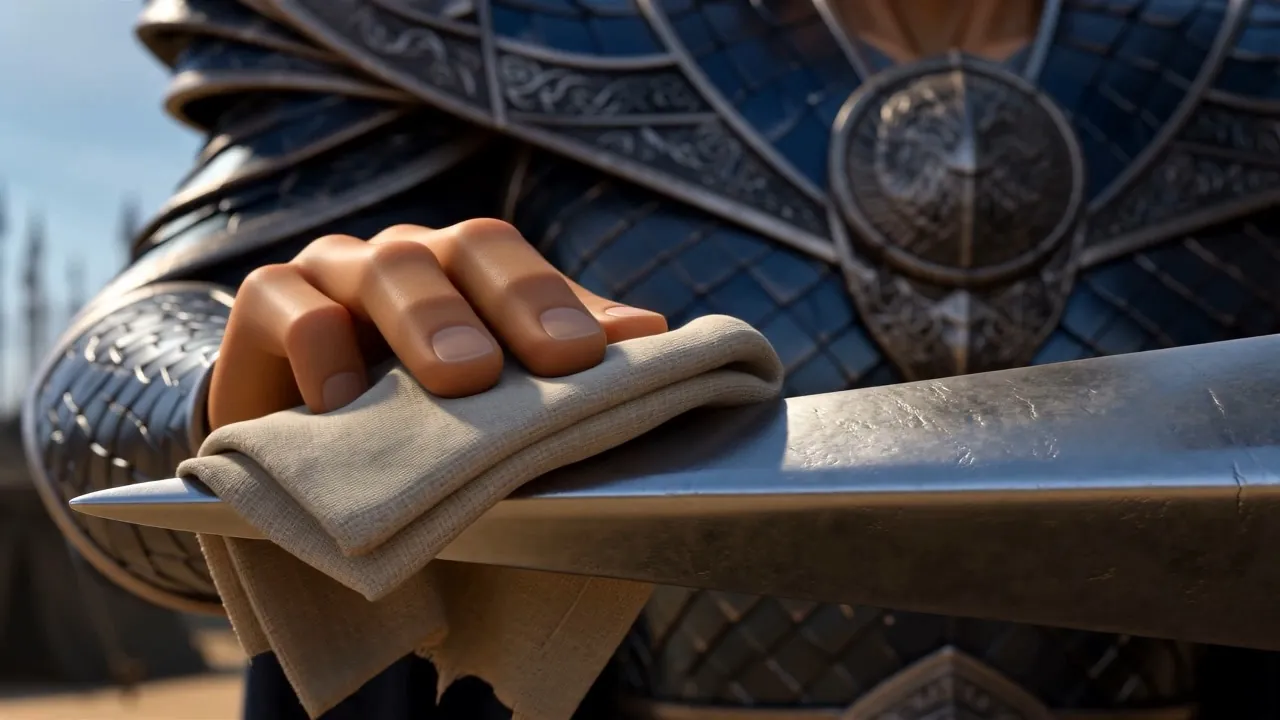
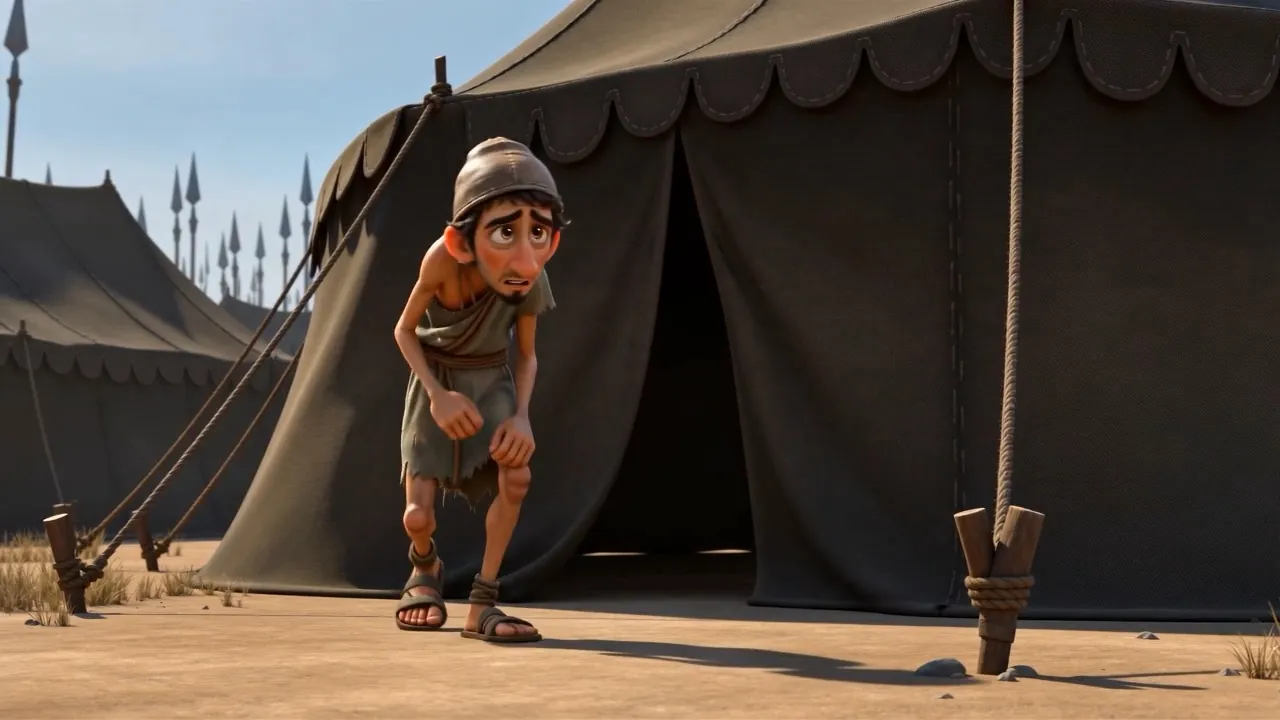
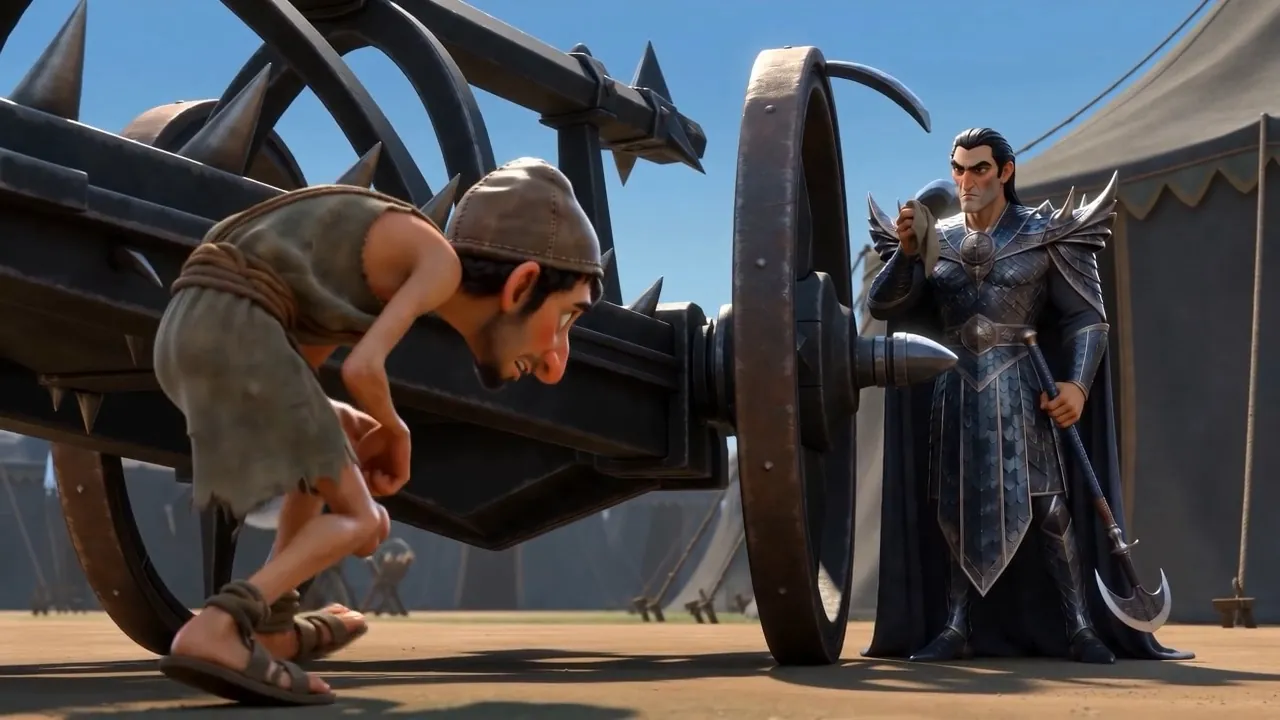
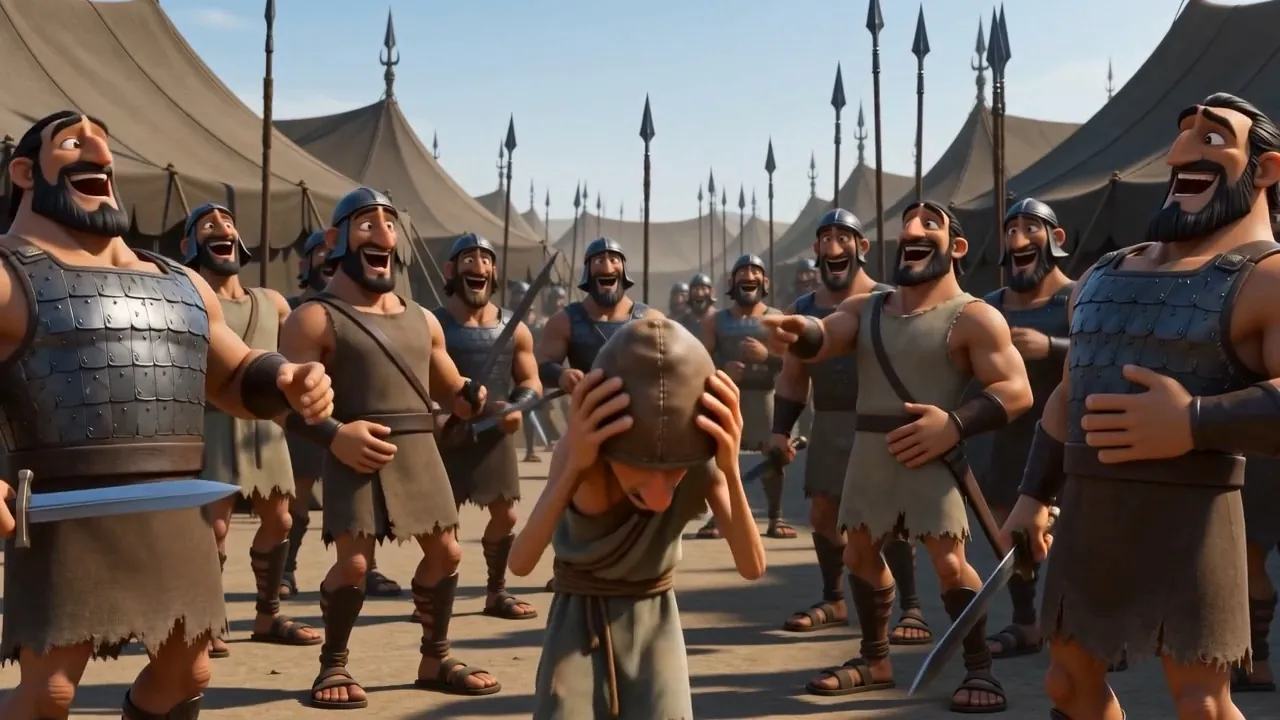
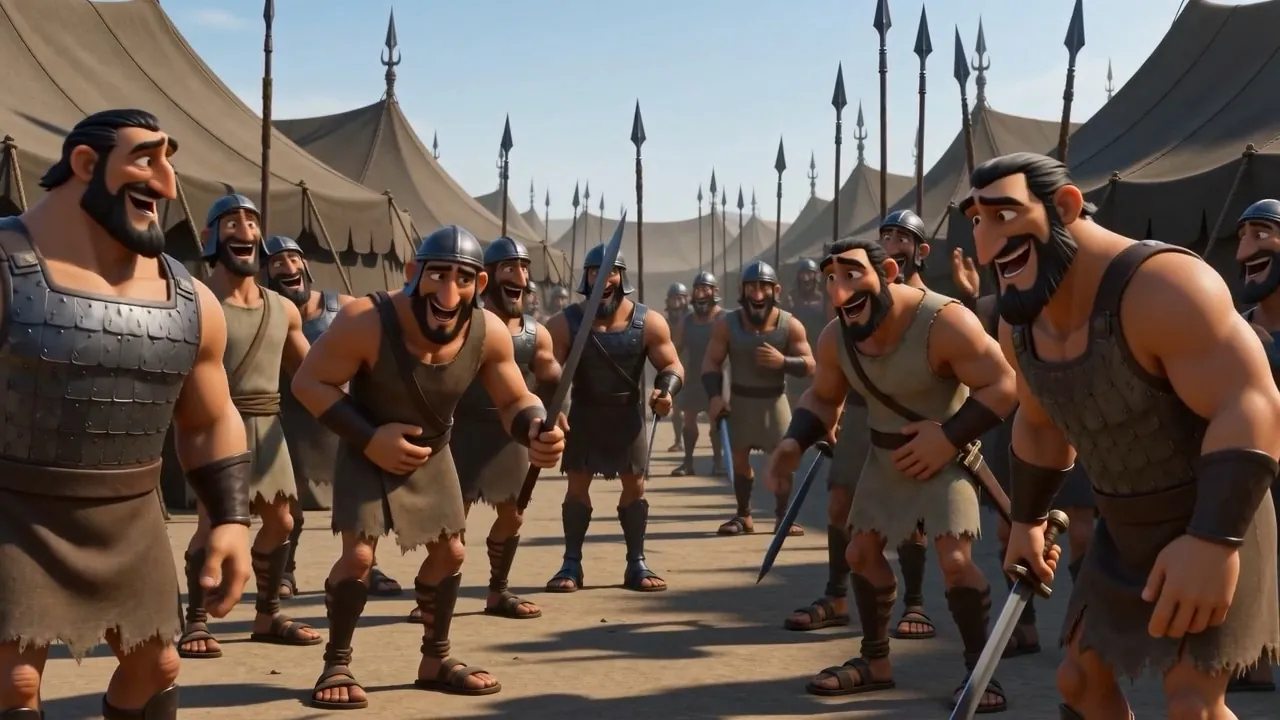
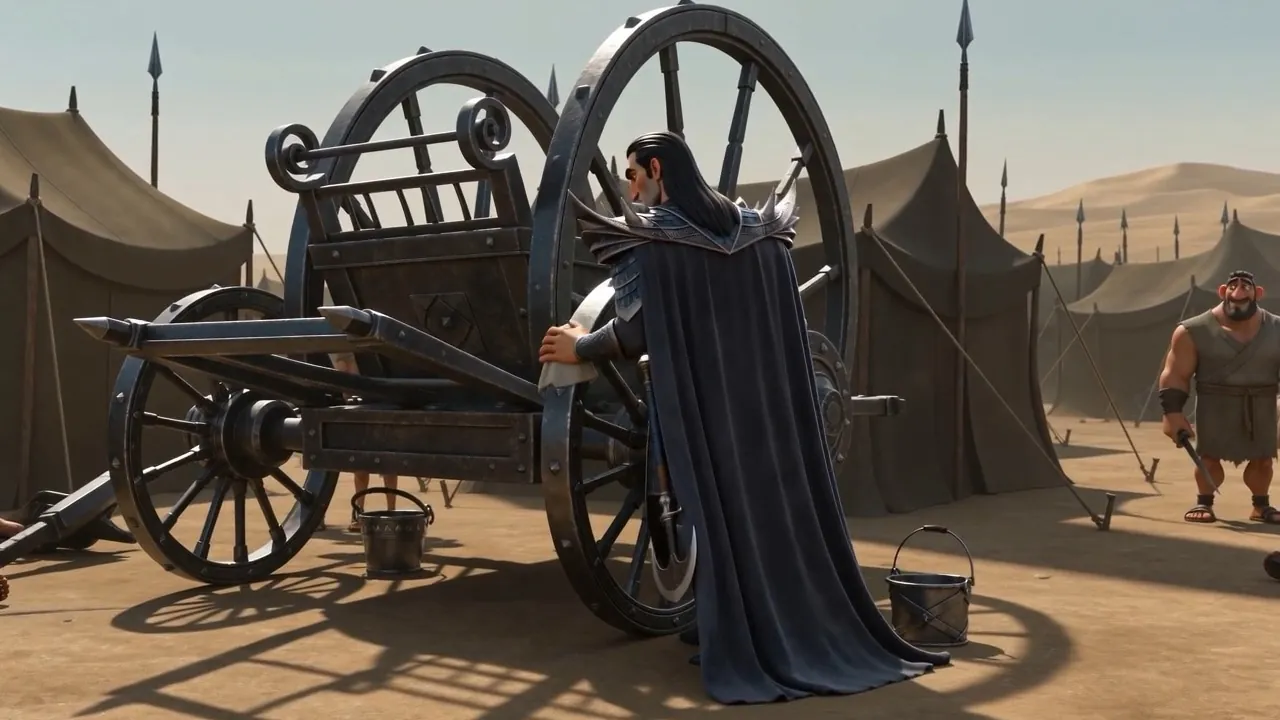
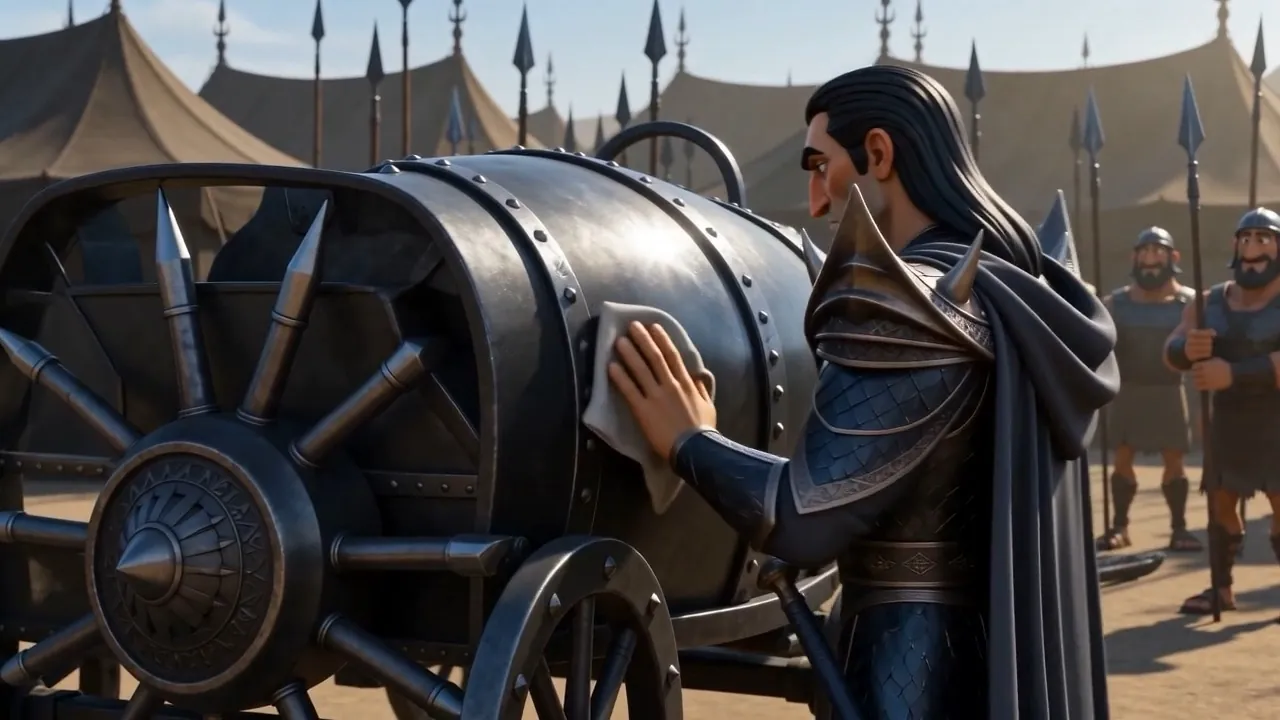
Sisera is one of the few enemies in Judges with a private life of his own — not raging, not shouting, just quietly maintaining the machine that keeps a nation afraid. Twenty years of that is why the next verse matters so much. Judges 4 : 2–3
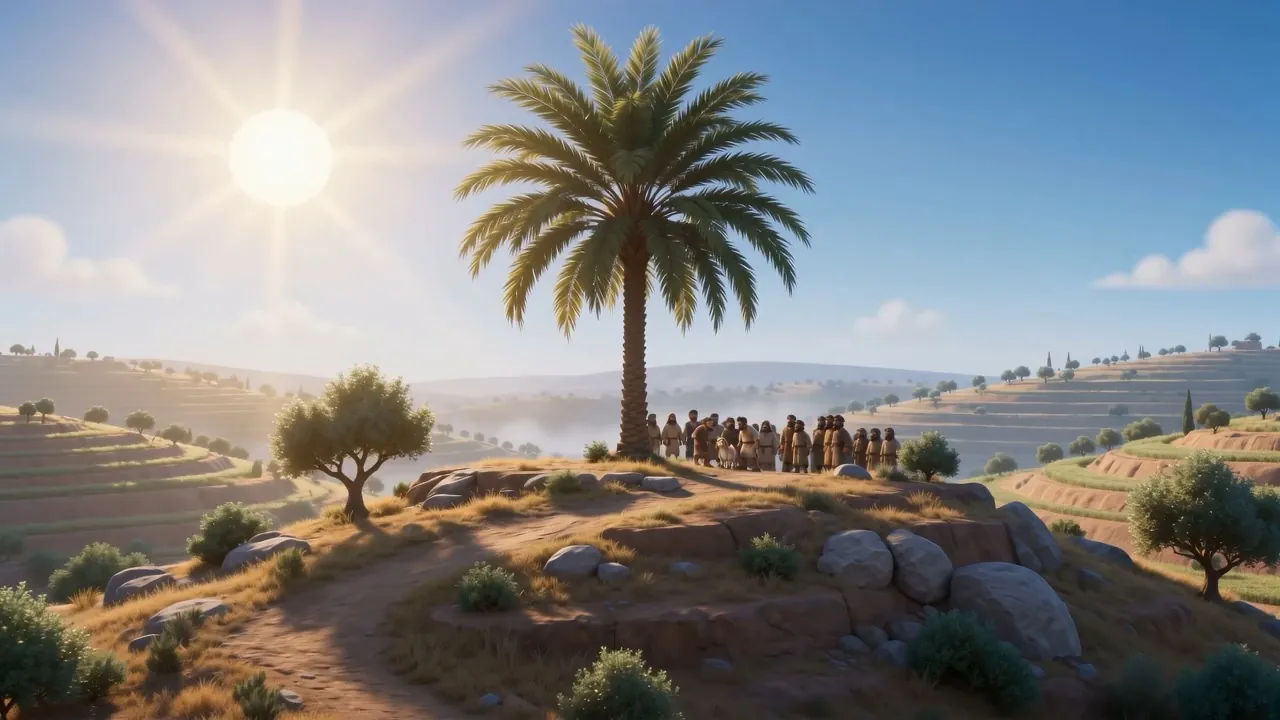
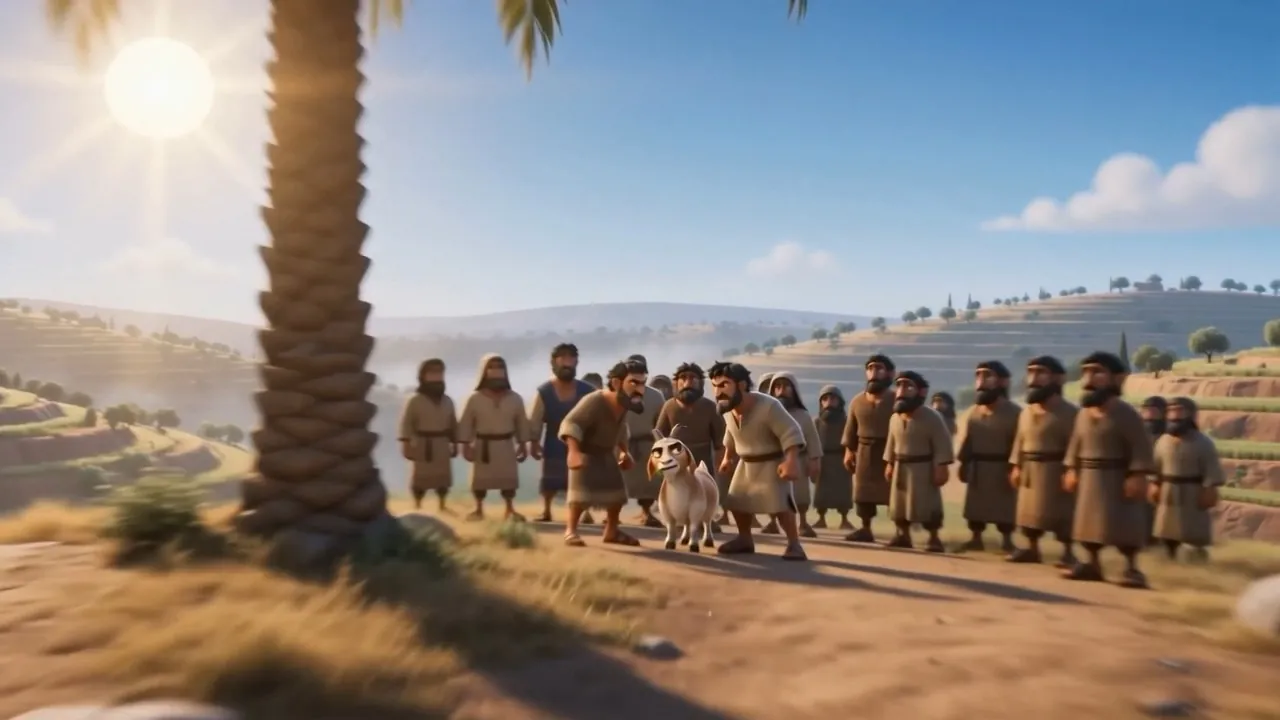
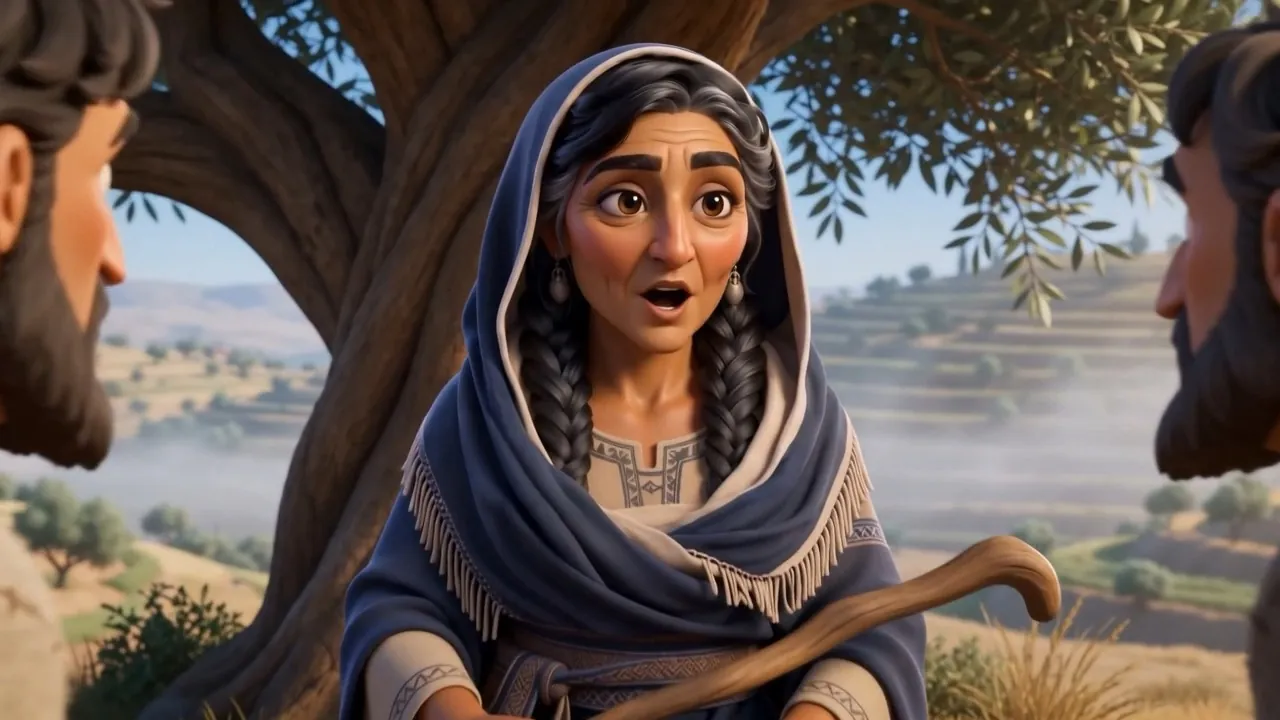
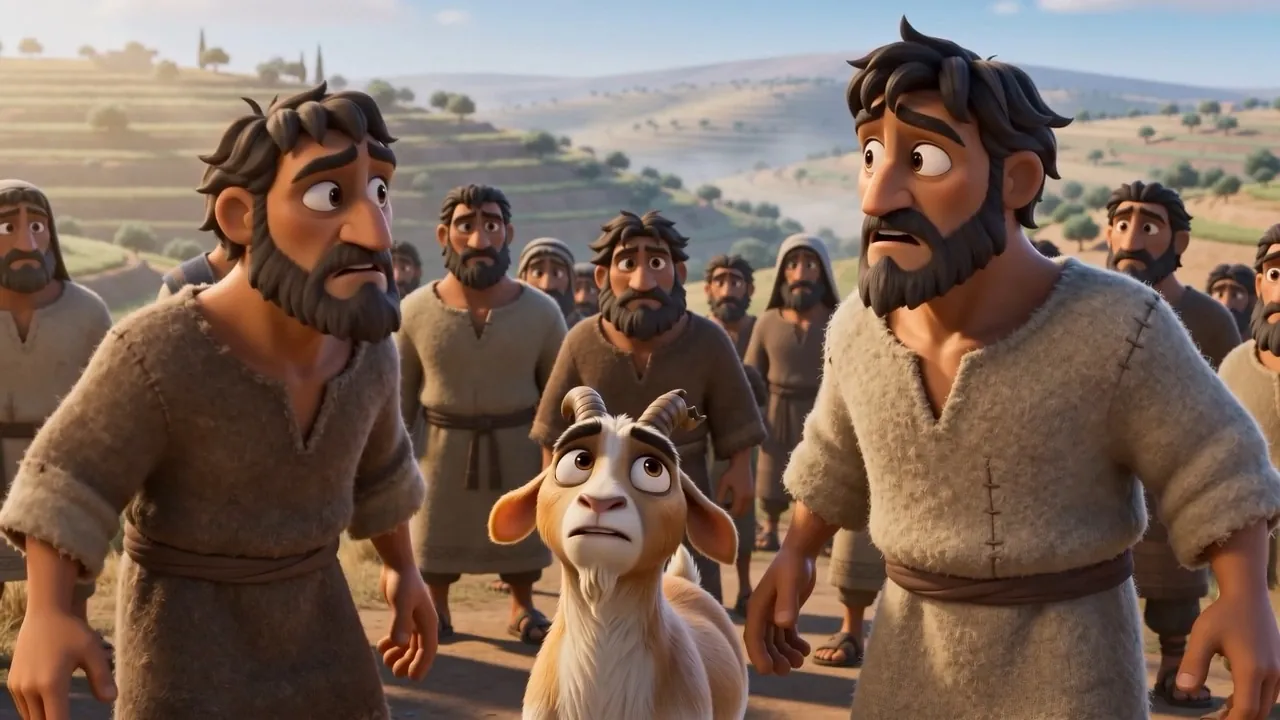
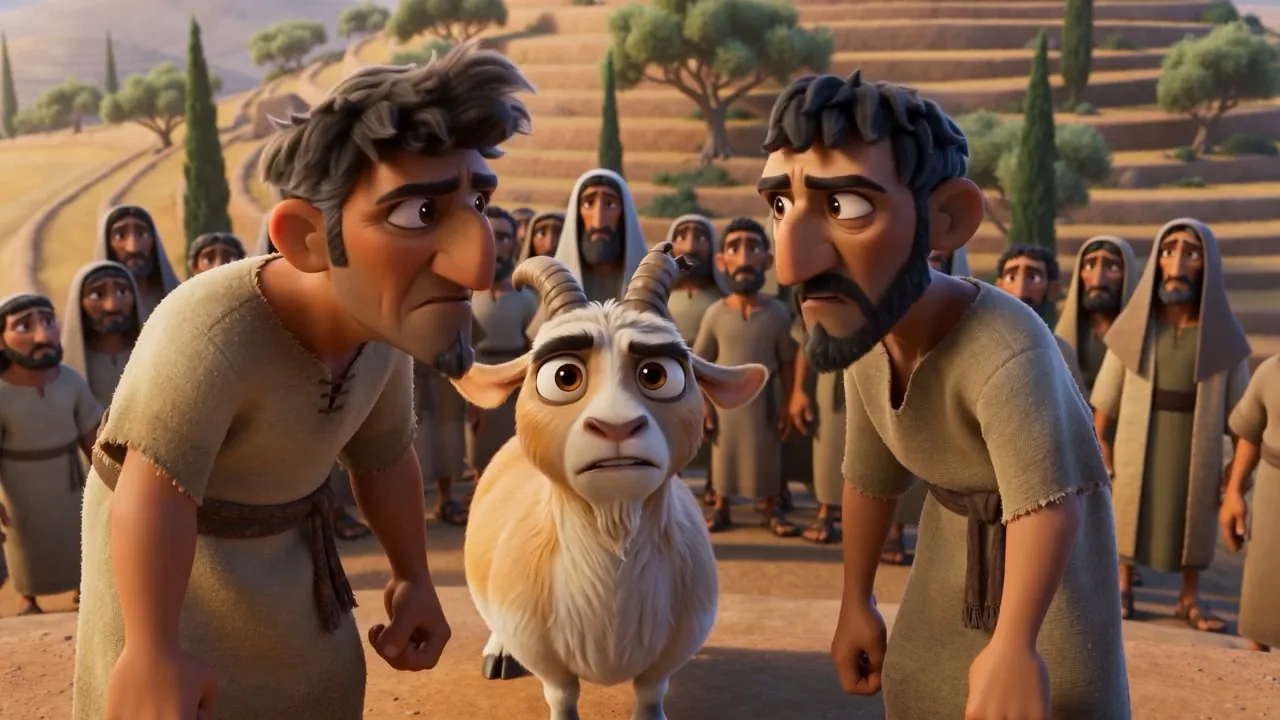

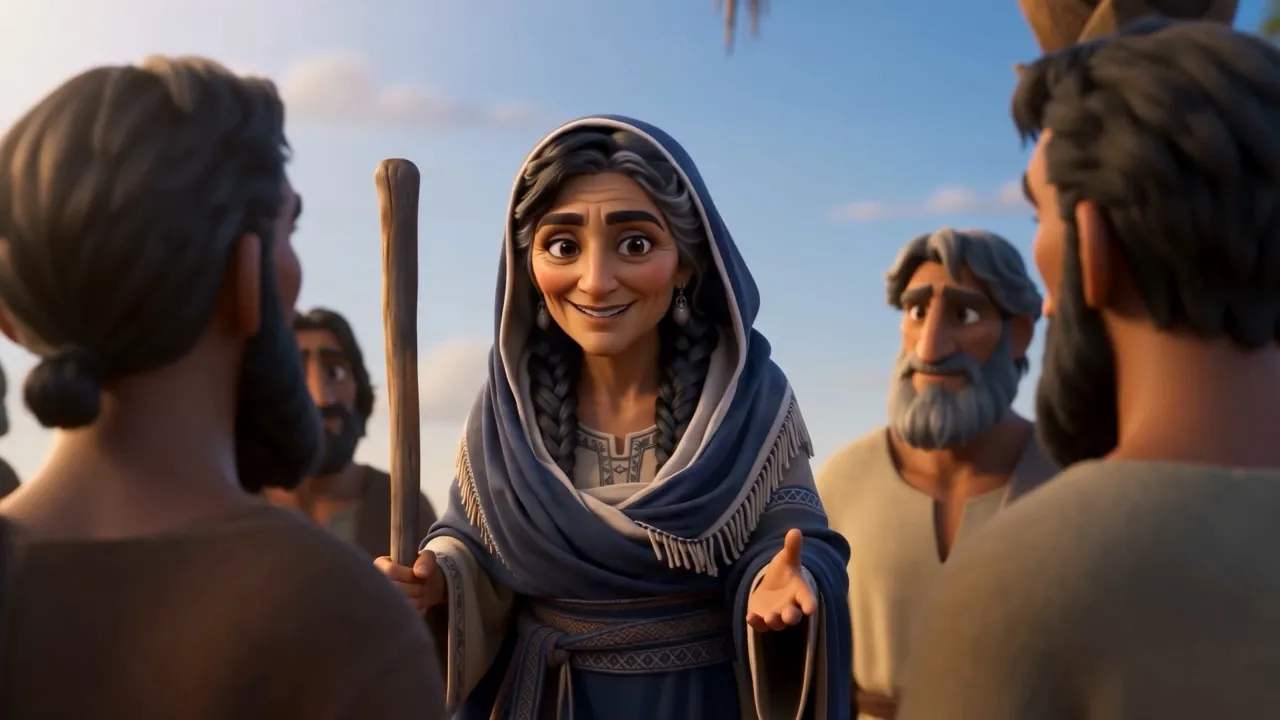
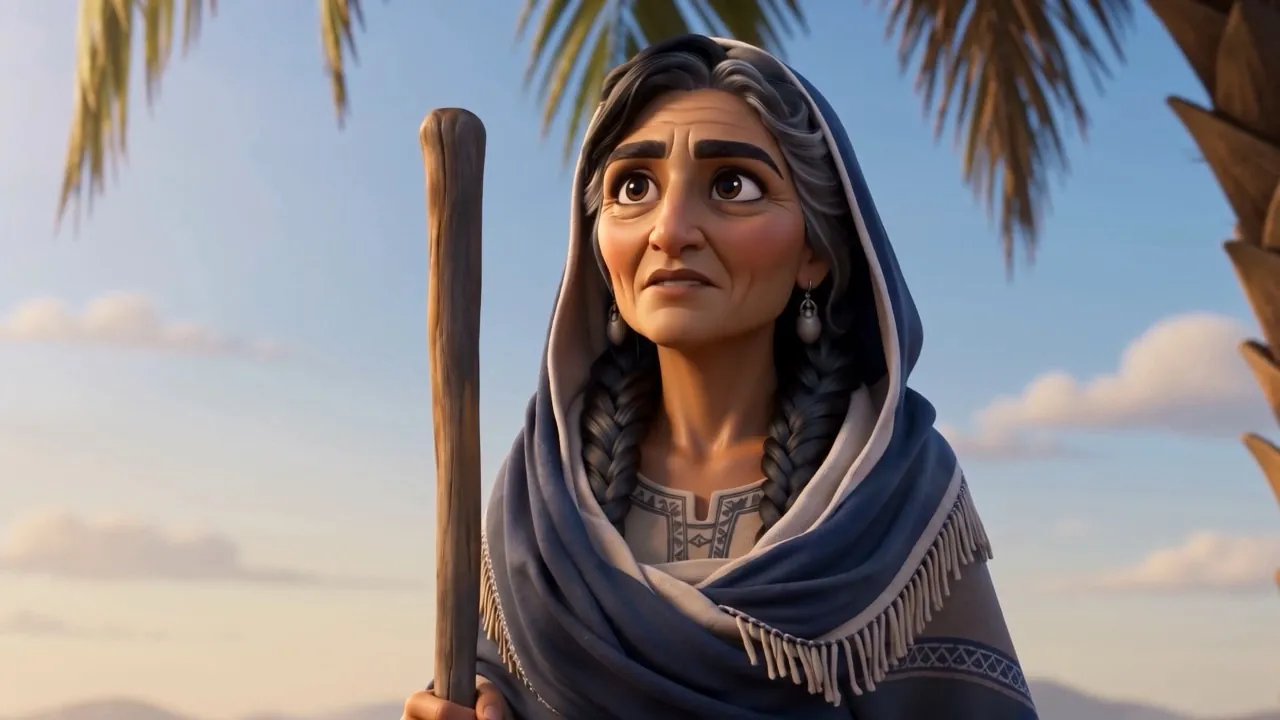
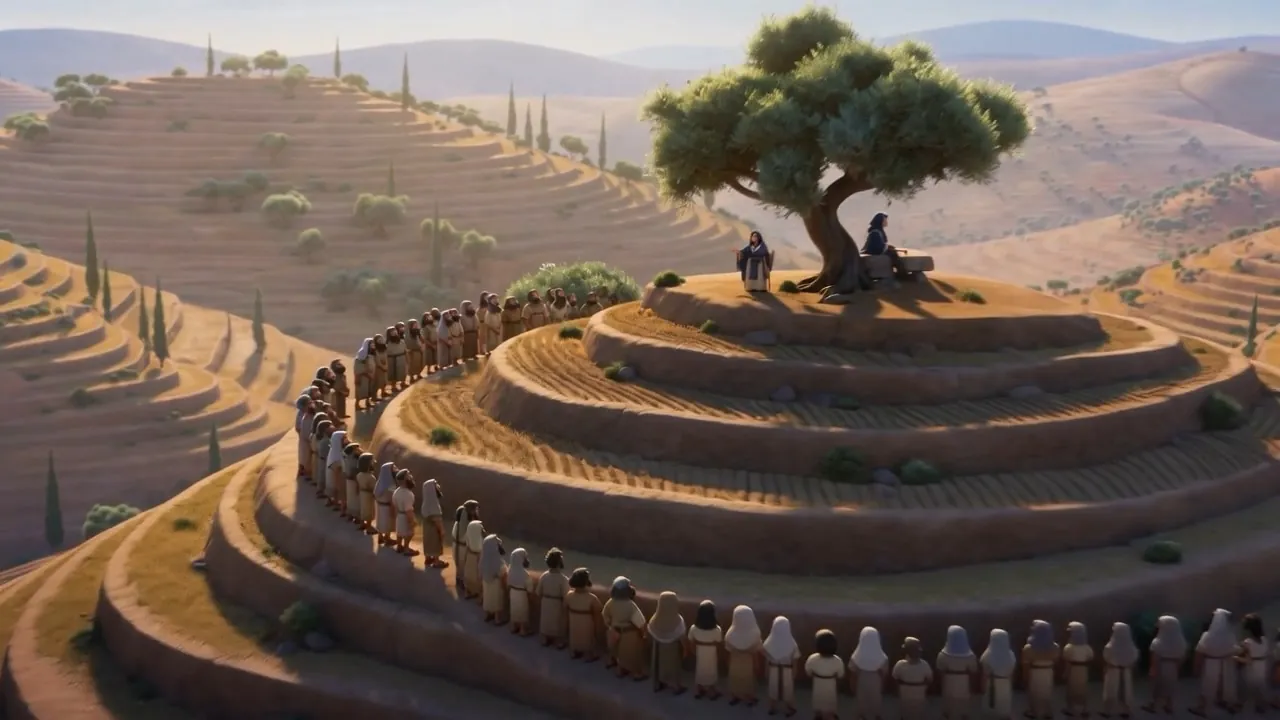
Now Deborah, a prophetess, the wife of Lappidoth, she judged Israel at that time. She lived under the palm tree of Deborah between Ramah and Bethel in the hill country of Ephraim; and the children of Israel came up to her for judgment. No throne, no city, no army. A tree, and a queue of people who trusted her. Judges 4 : 4–5
She judged Israel at that time.

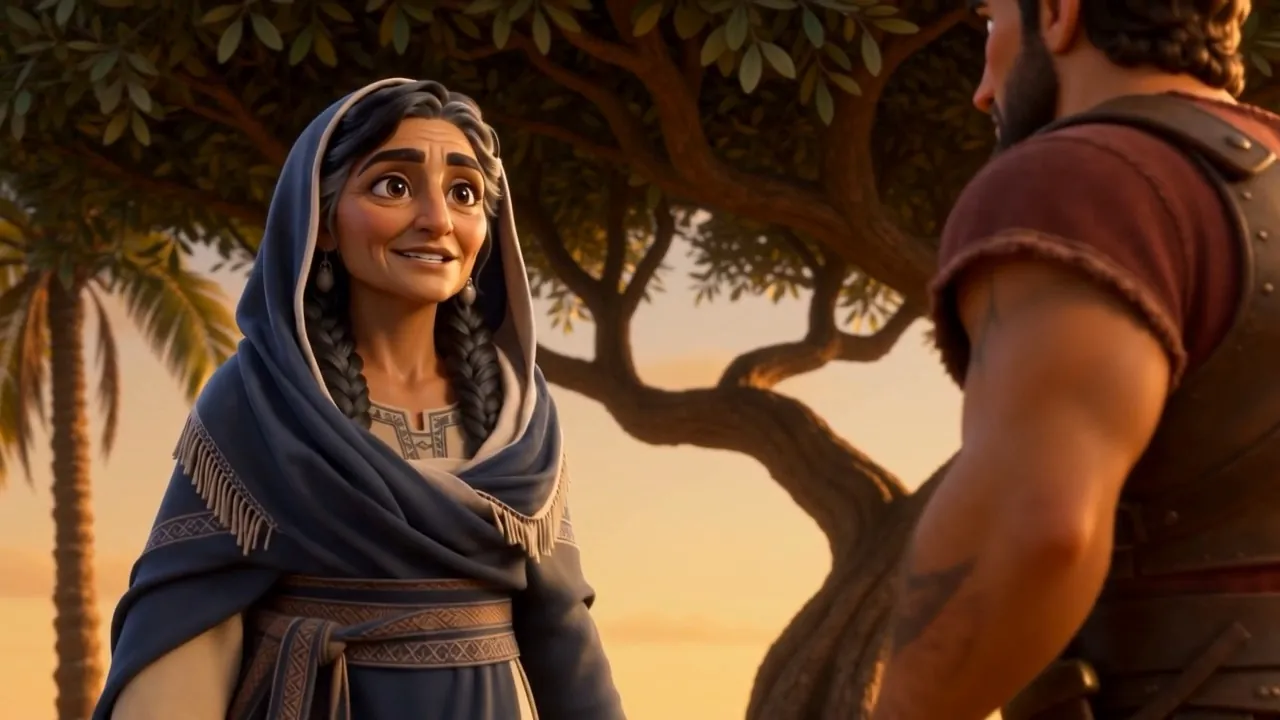
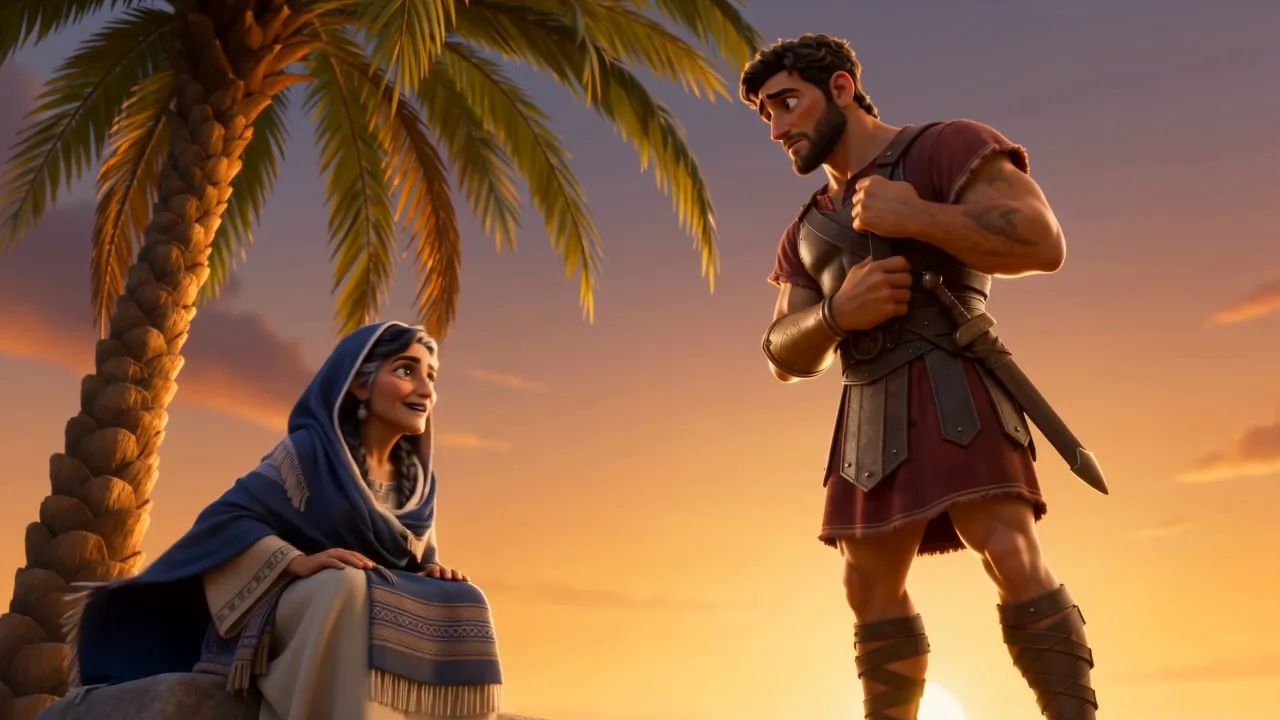
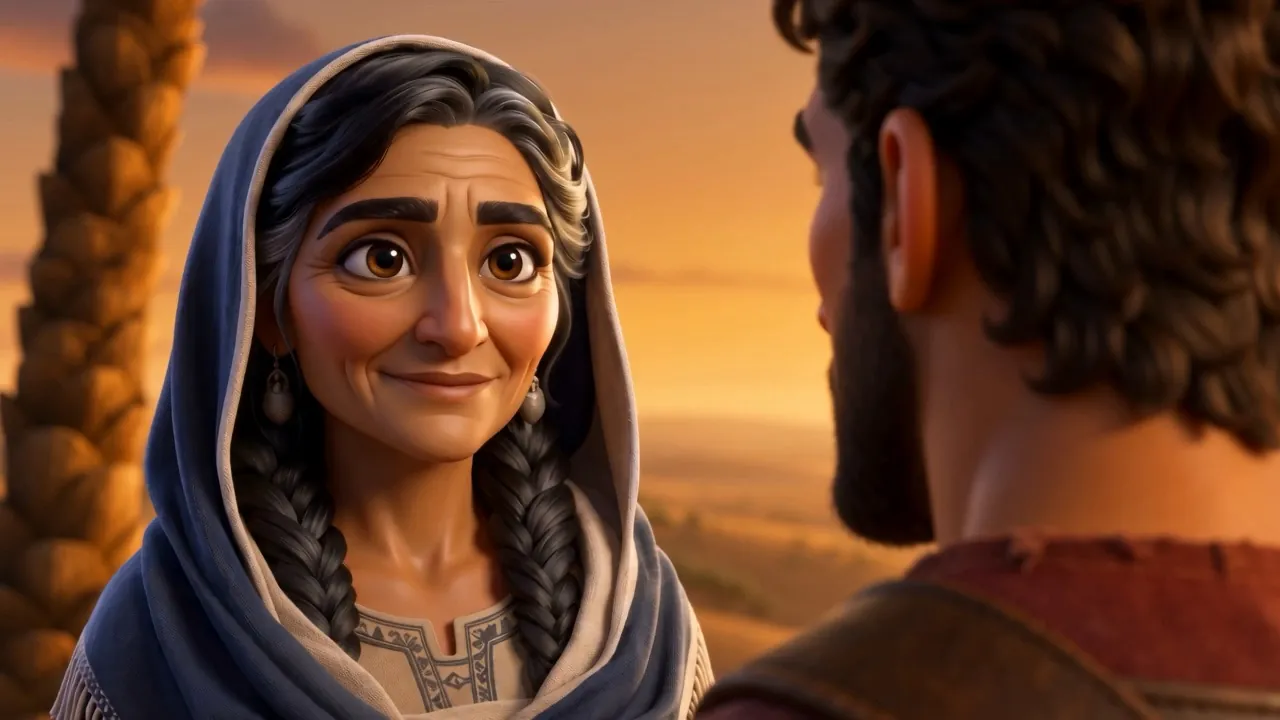
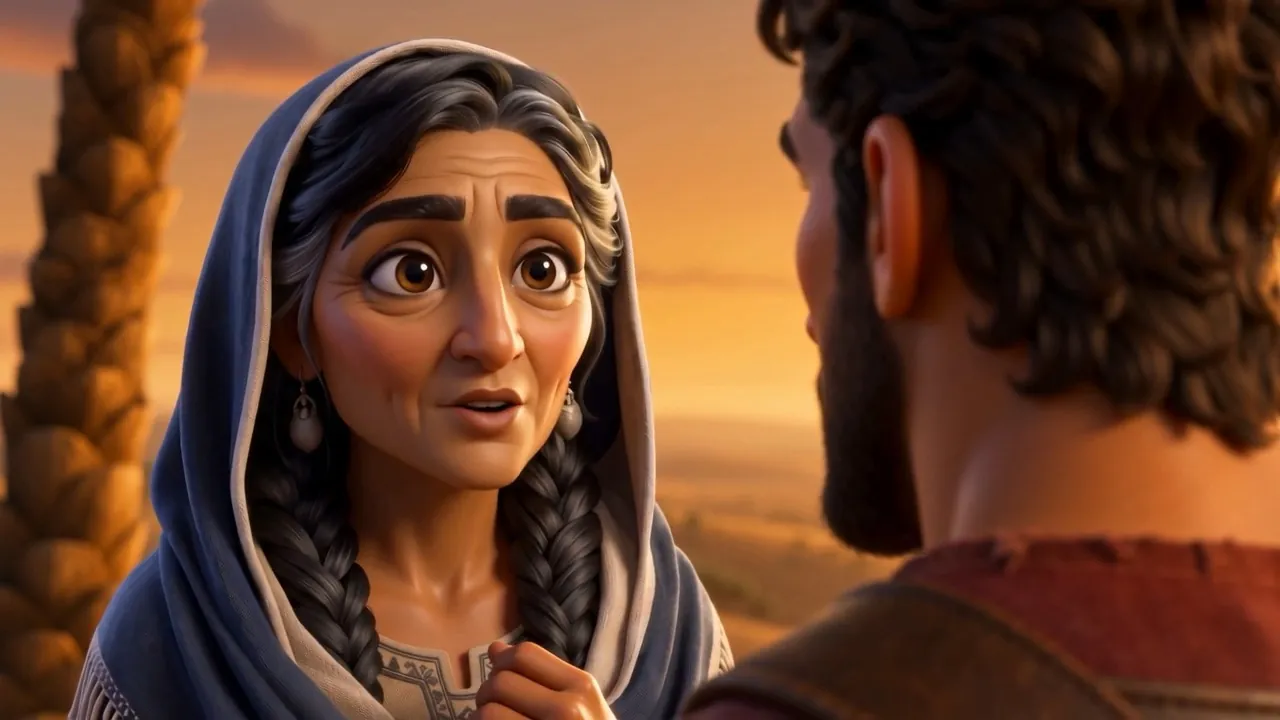


She did not ask permission and she did not soften it: “Hasn't Yahweh, the God of Israel, commanded, ‘Go and draw to Mount Tabor, and take with you ten thousand men… and I will draw to you, to the river Kishon, Sisera, and I will deliver him into your hand’?” The orders were already given. She was only repeating them. Judges 4 : 6–7



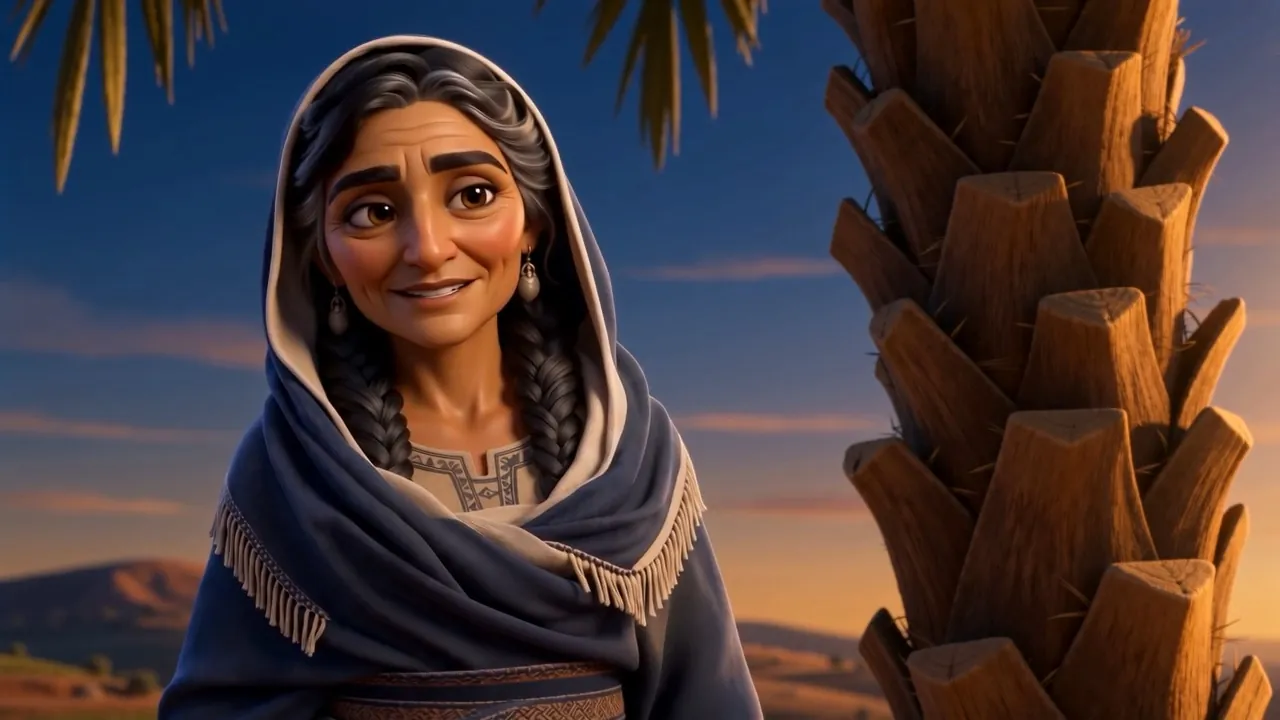
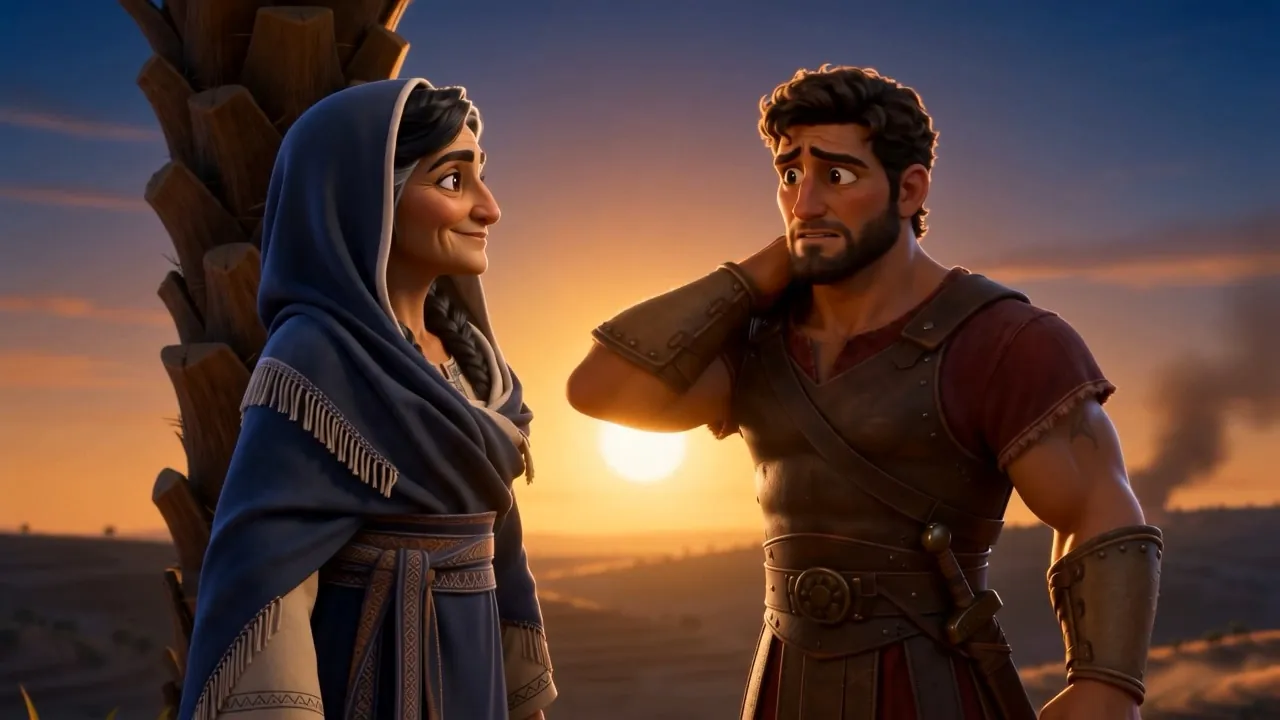
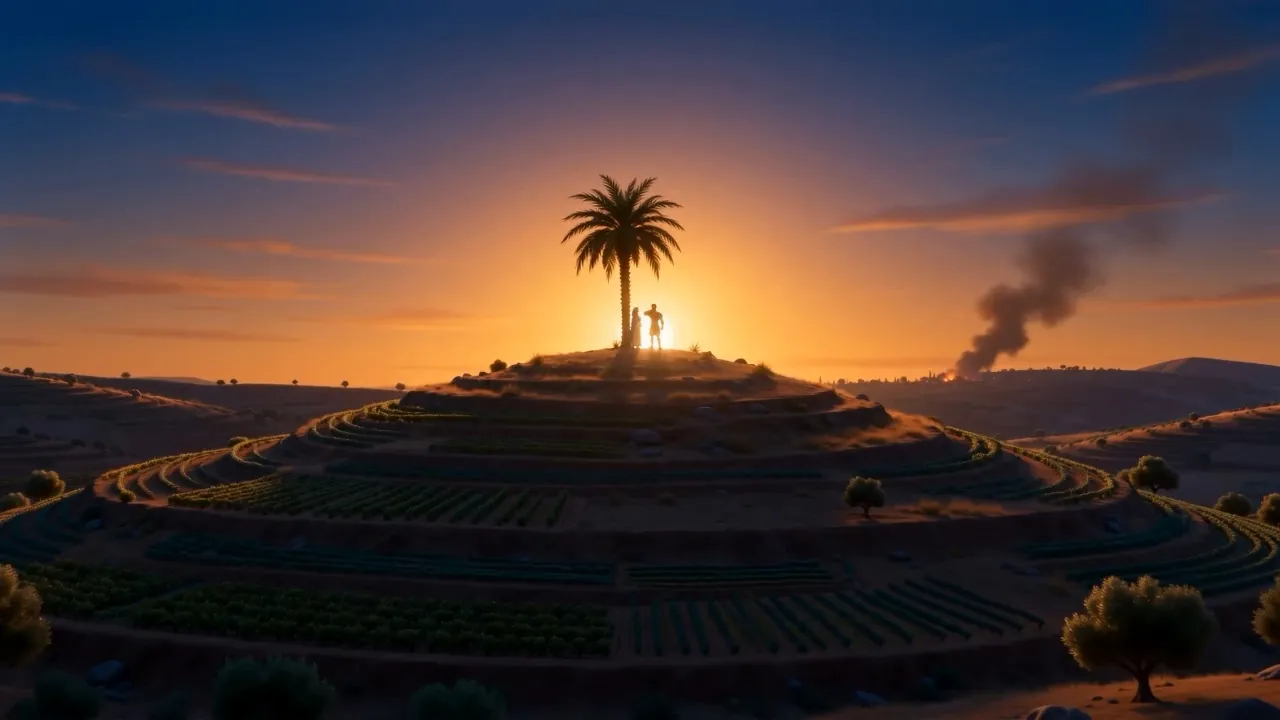
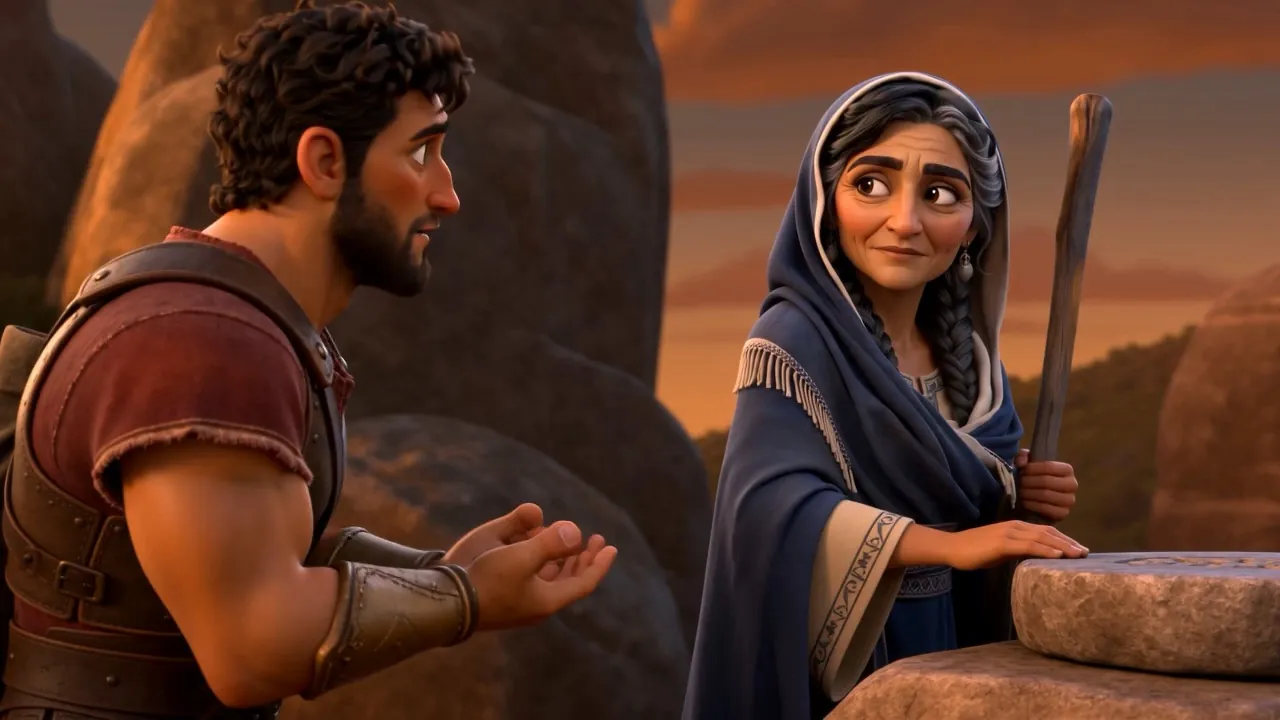

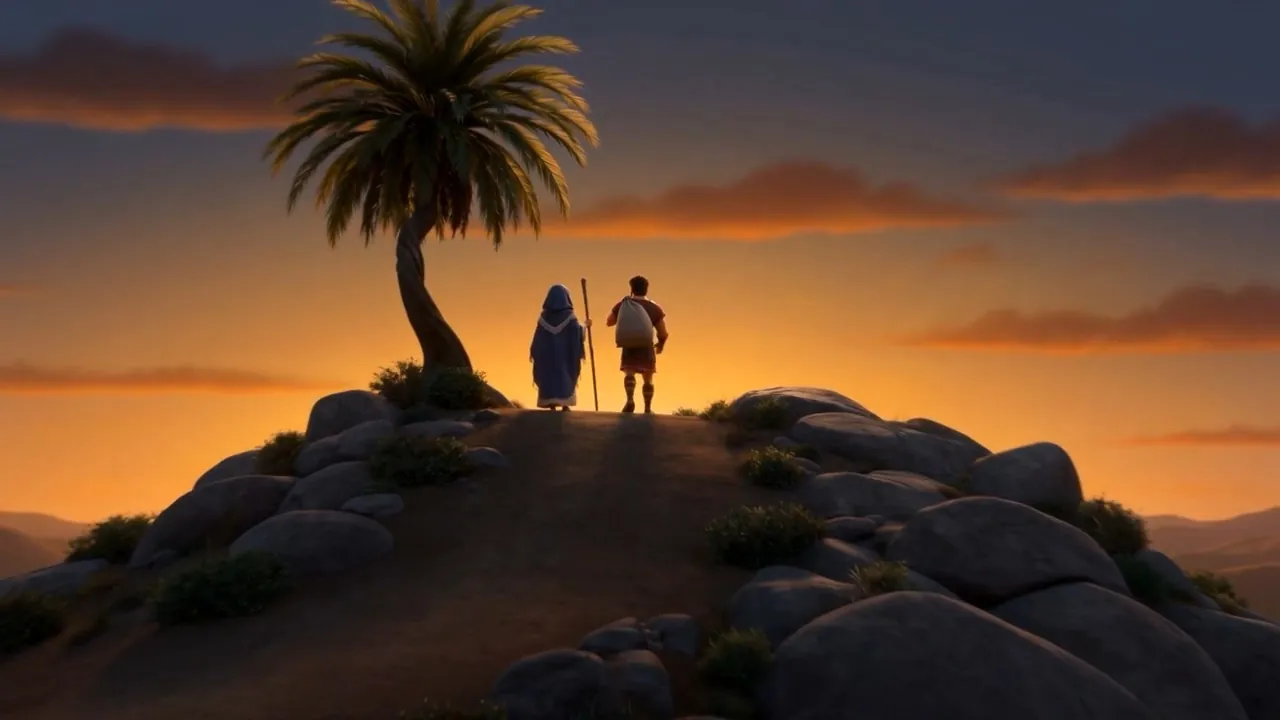
“If you will go with me, then I will go; but if you will not go with me, I will not go.” She said yes — and then told him what it would cost: “the journey that you take shall not be for your honour; for Yahweh will sell Sisera into the hand of a woman.” He got his condition. He lost the story. Judges 4 : 8–9
The honour will not be yours.
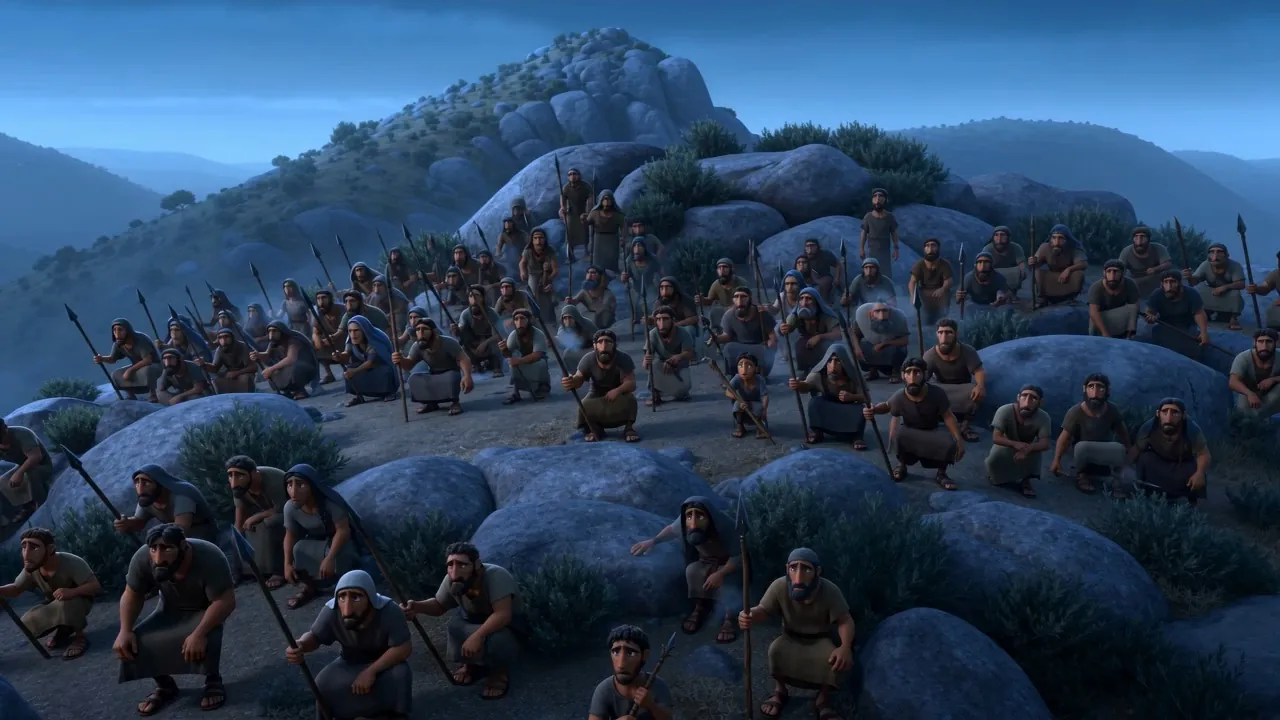

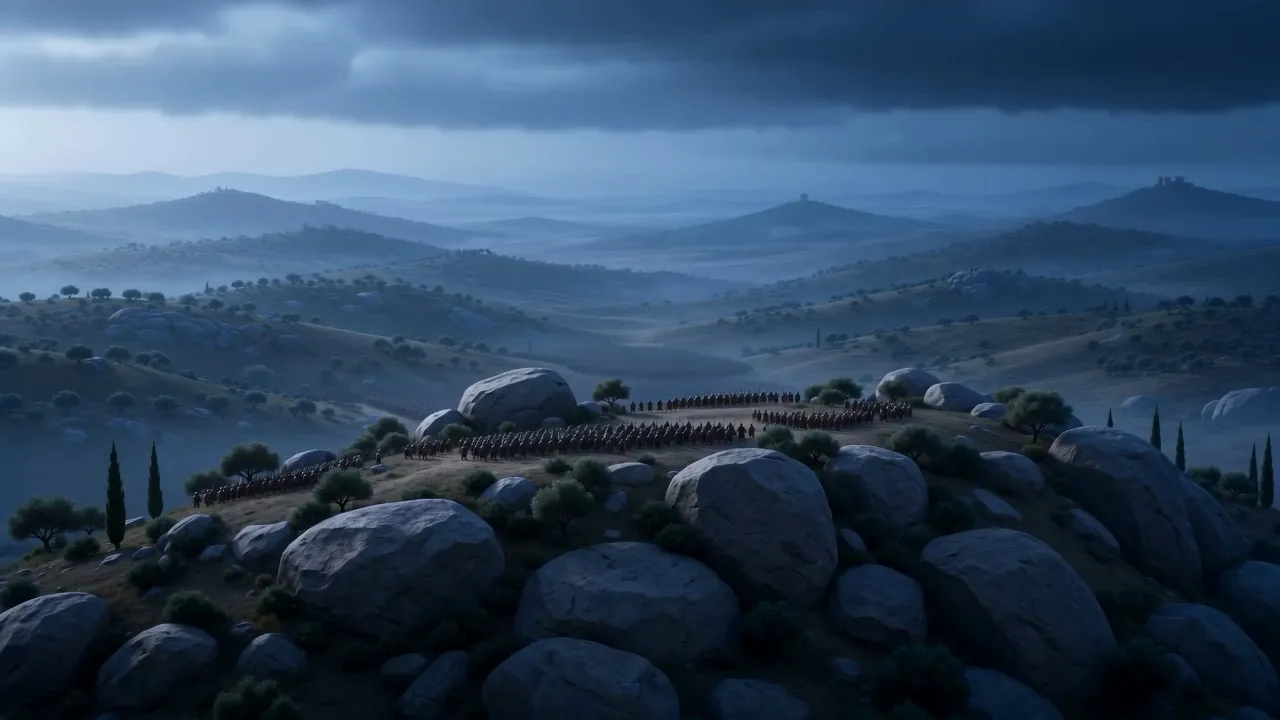
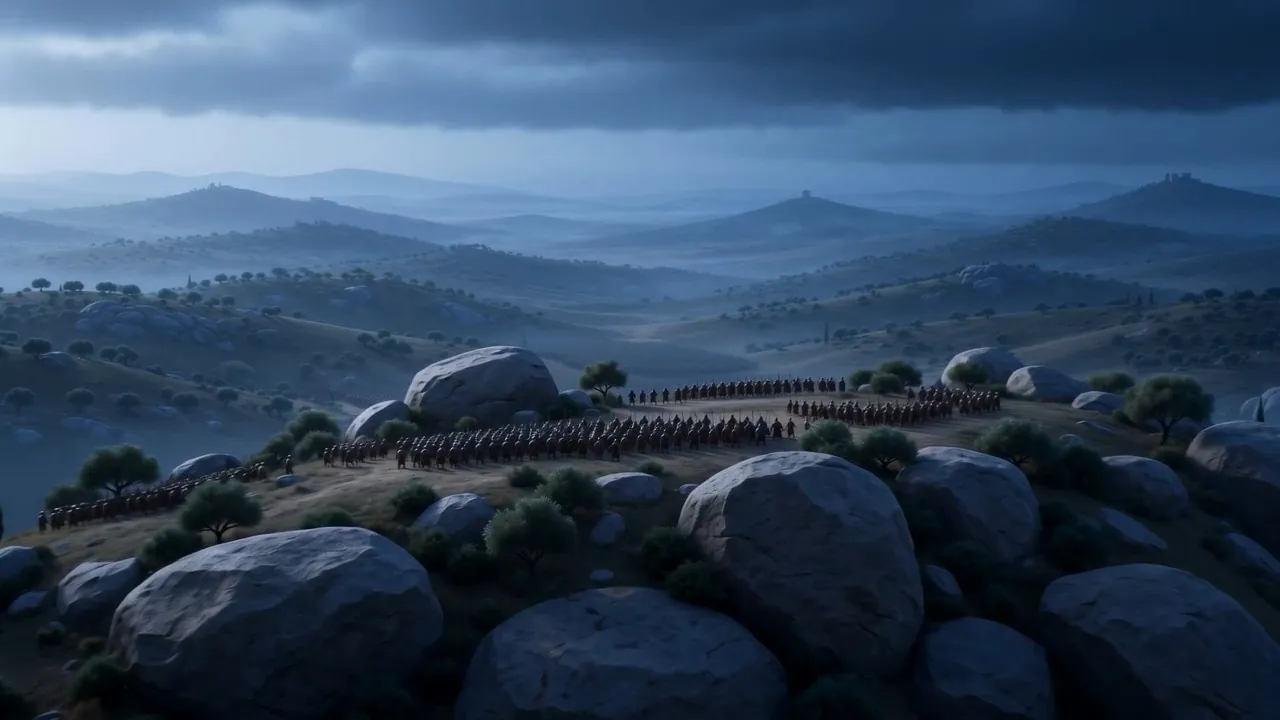
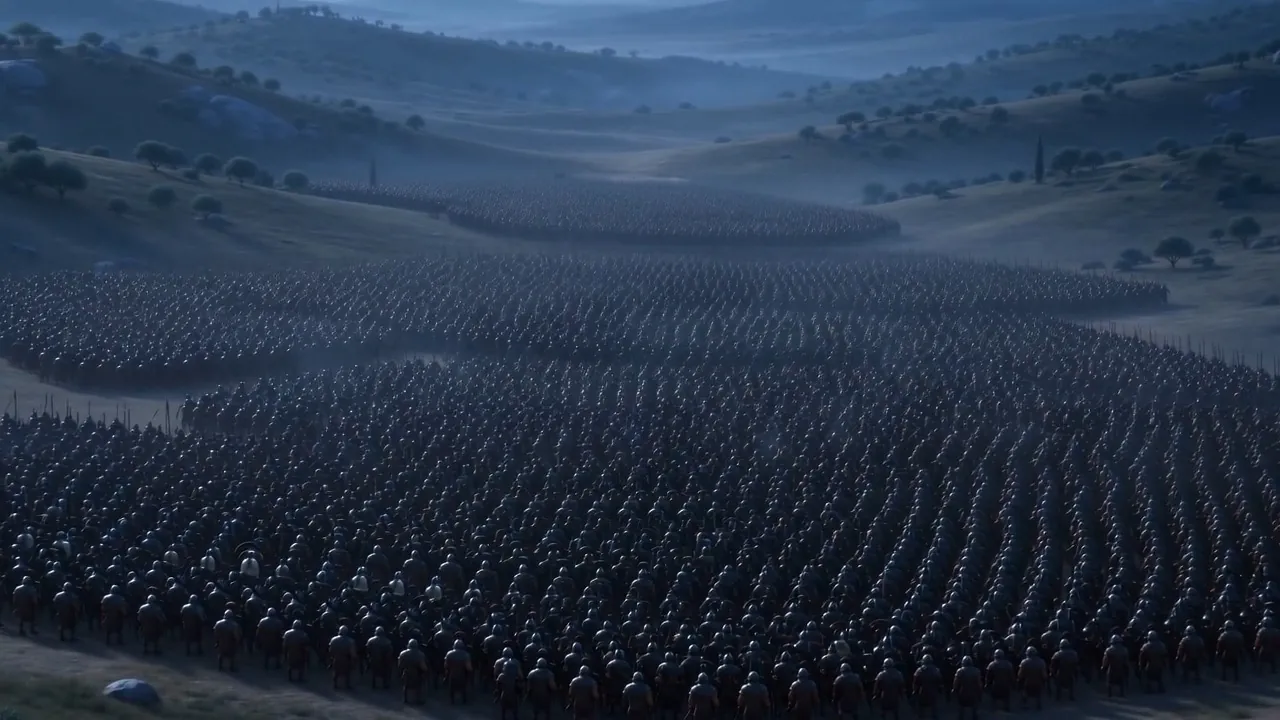


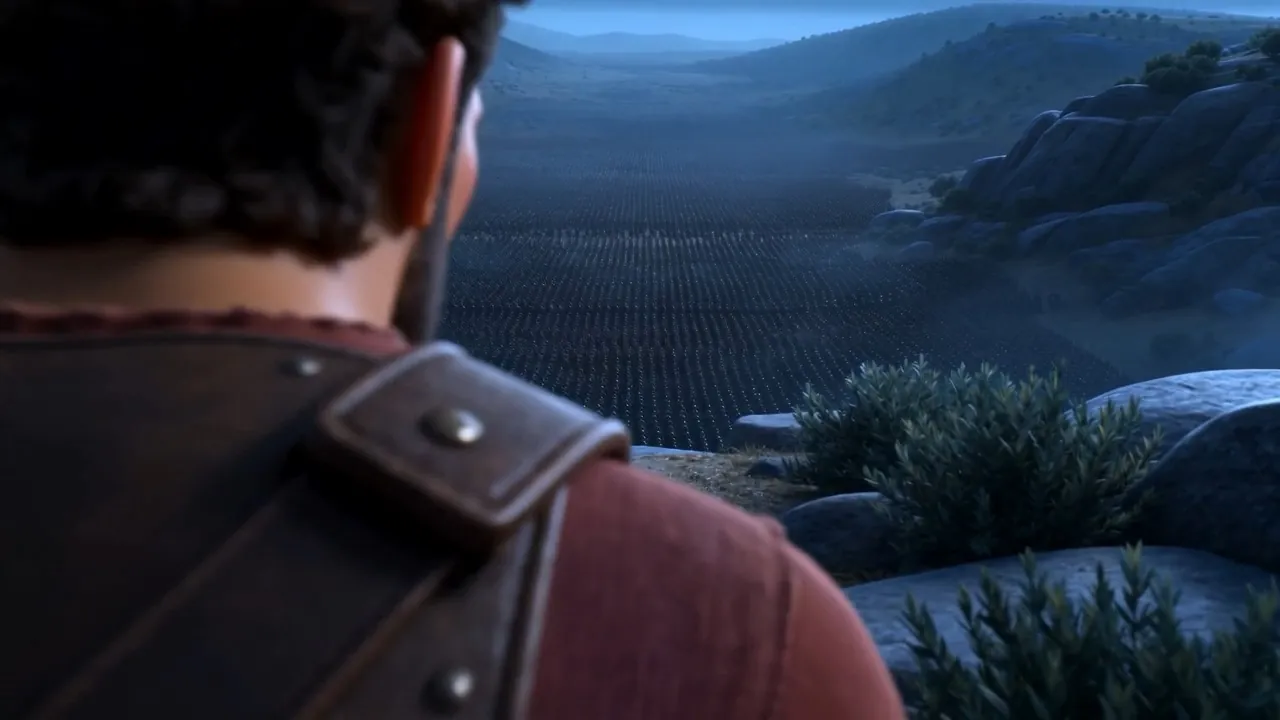
Ten thousand men went up after him, and Deborah went up with him. From the top of Tabor they could see exactly what they had been sent against: the whole plain of Esdraelon filling with chariots, on flat open ground, which is the one place foot soldiers cannot win. Judges 4 : 10–13




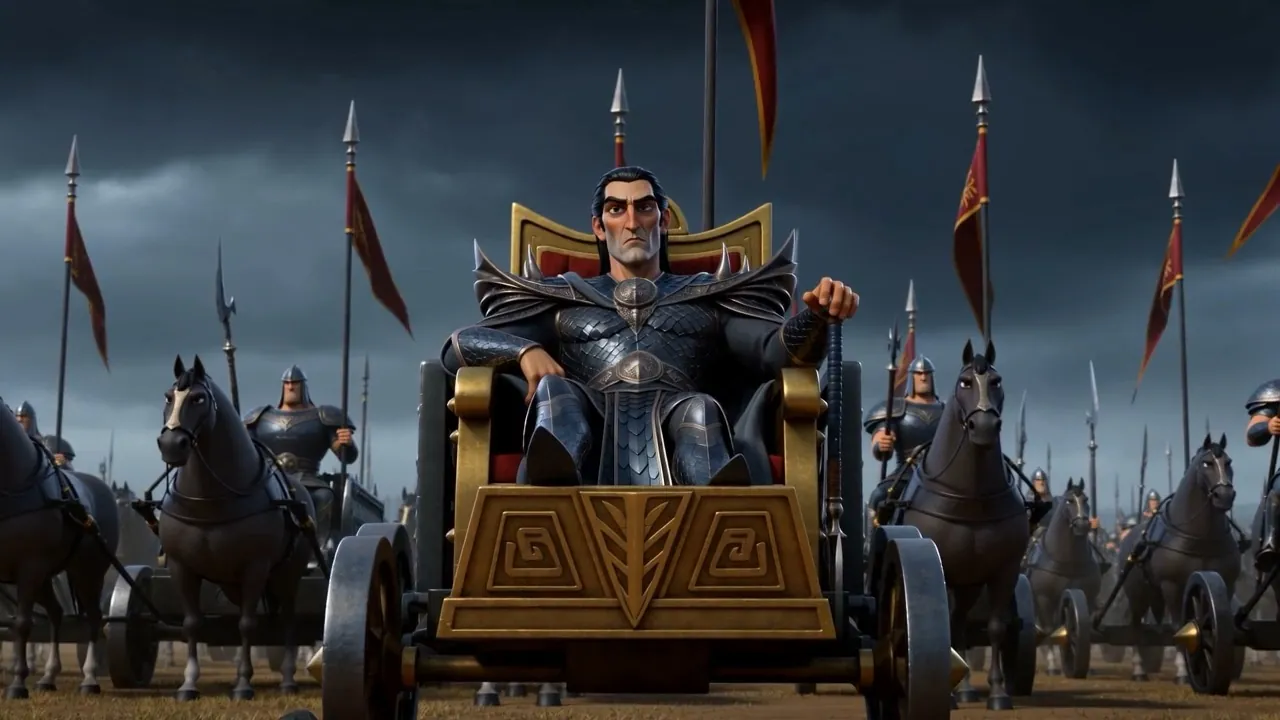
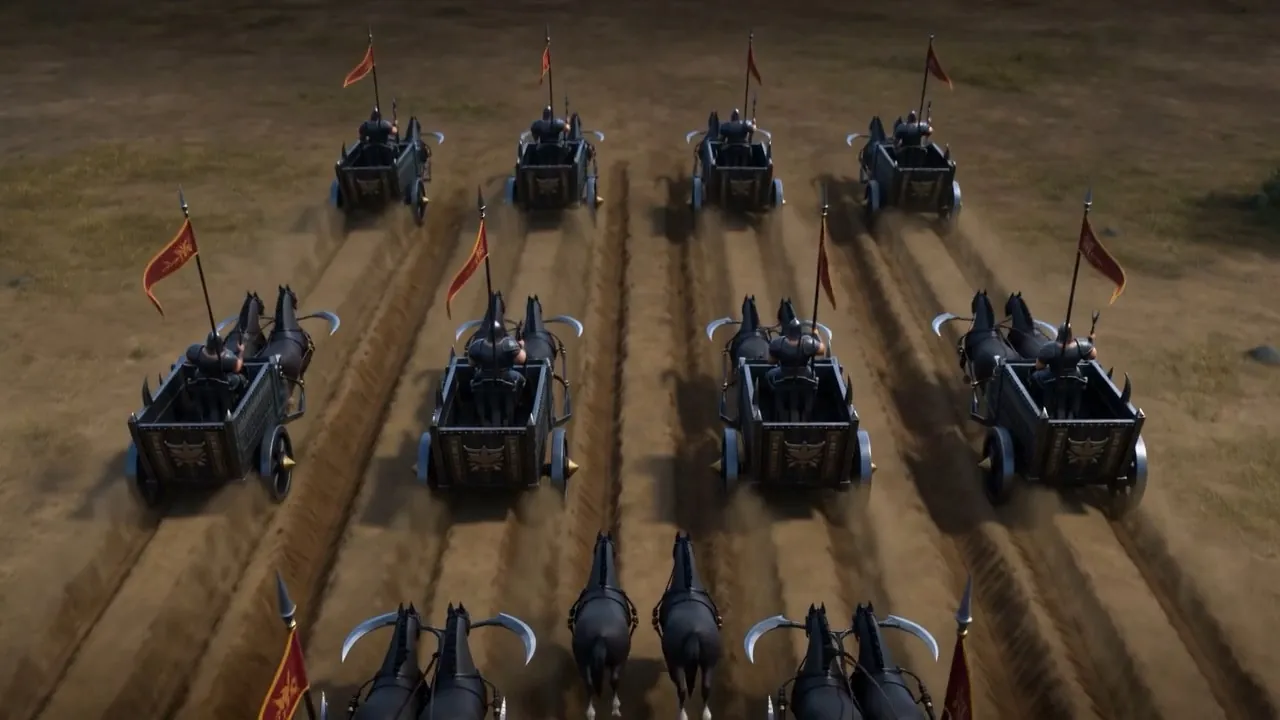
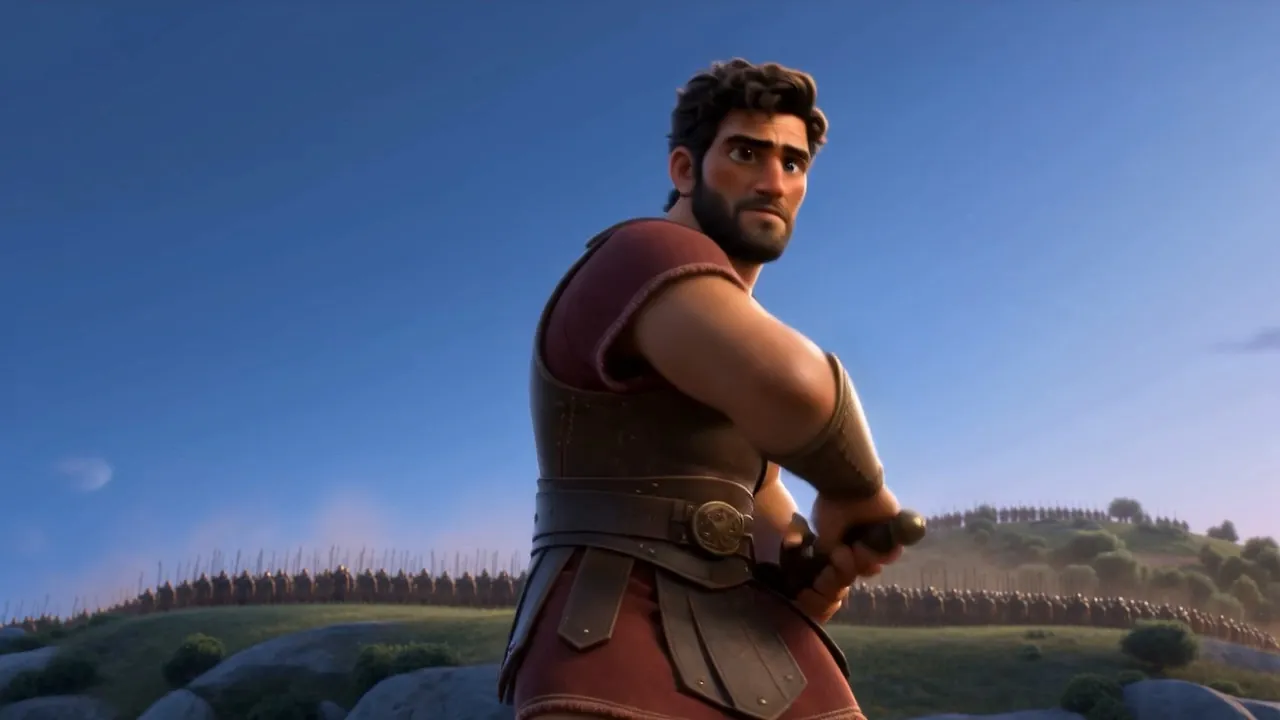
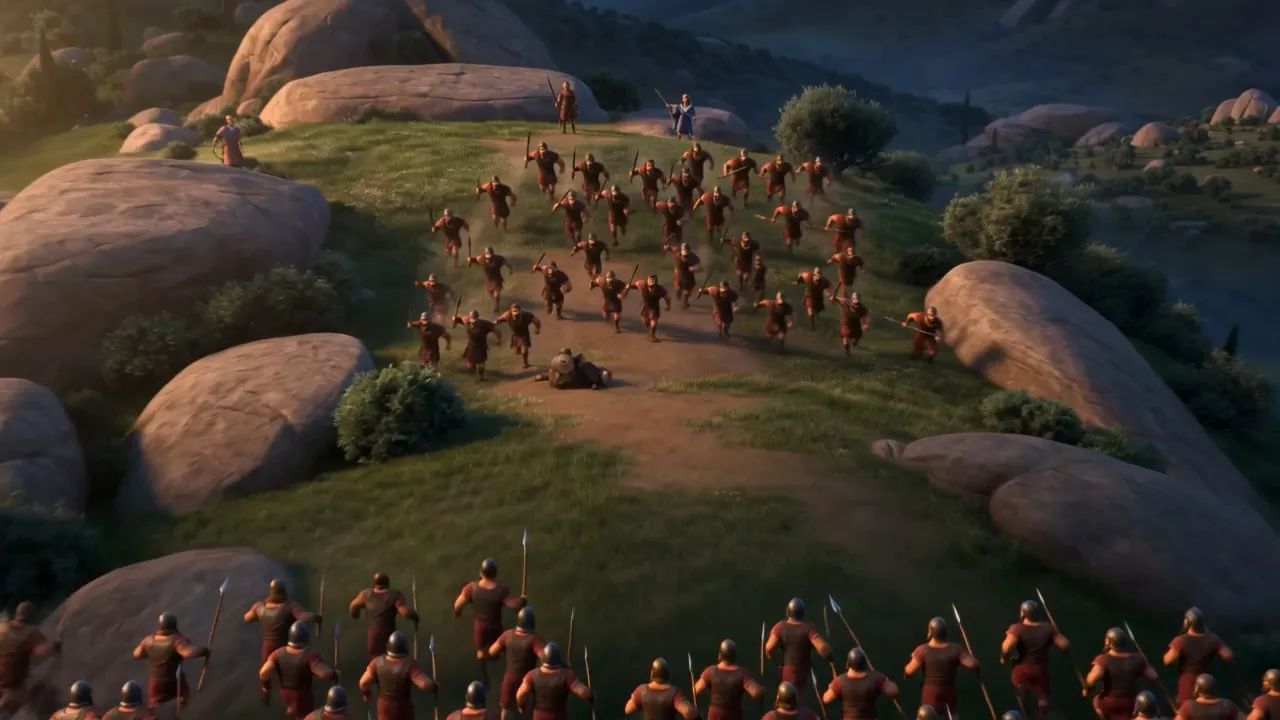
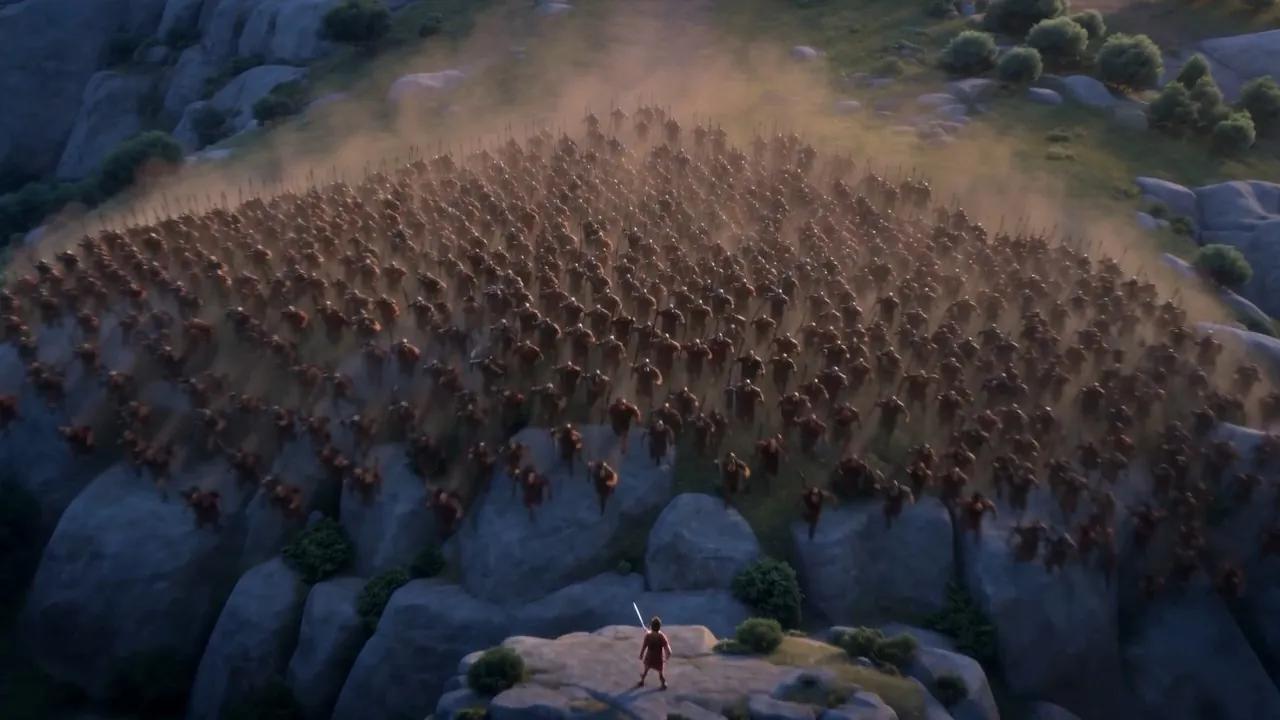
“Up! For this is the day in which Yahweh has delivered Sisera into your hand. Hasn't Yahweh gone out before you?” Barak went down from Mount Tabor with ten thousand men behind him — downhill, into nine hundred chariots, under a sky that had just turned the colour of slate. Judges 4 : 14
Up! For this is the day.
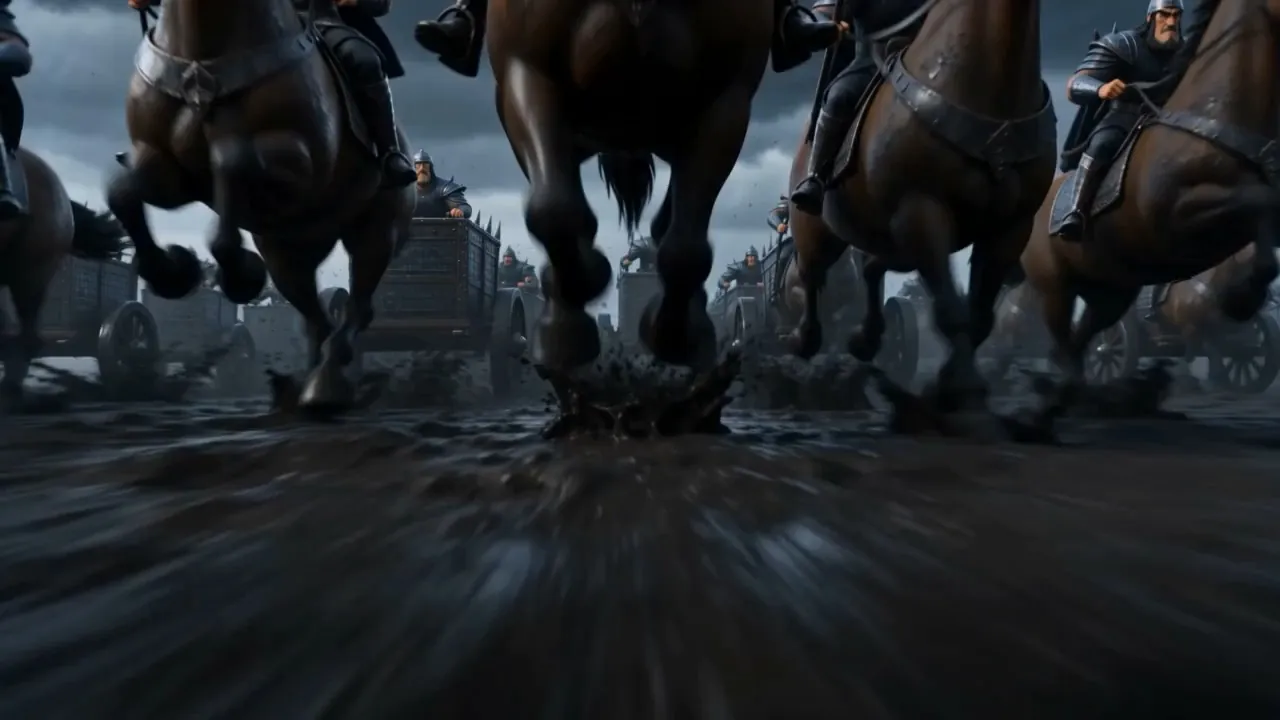



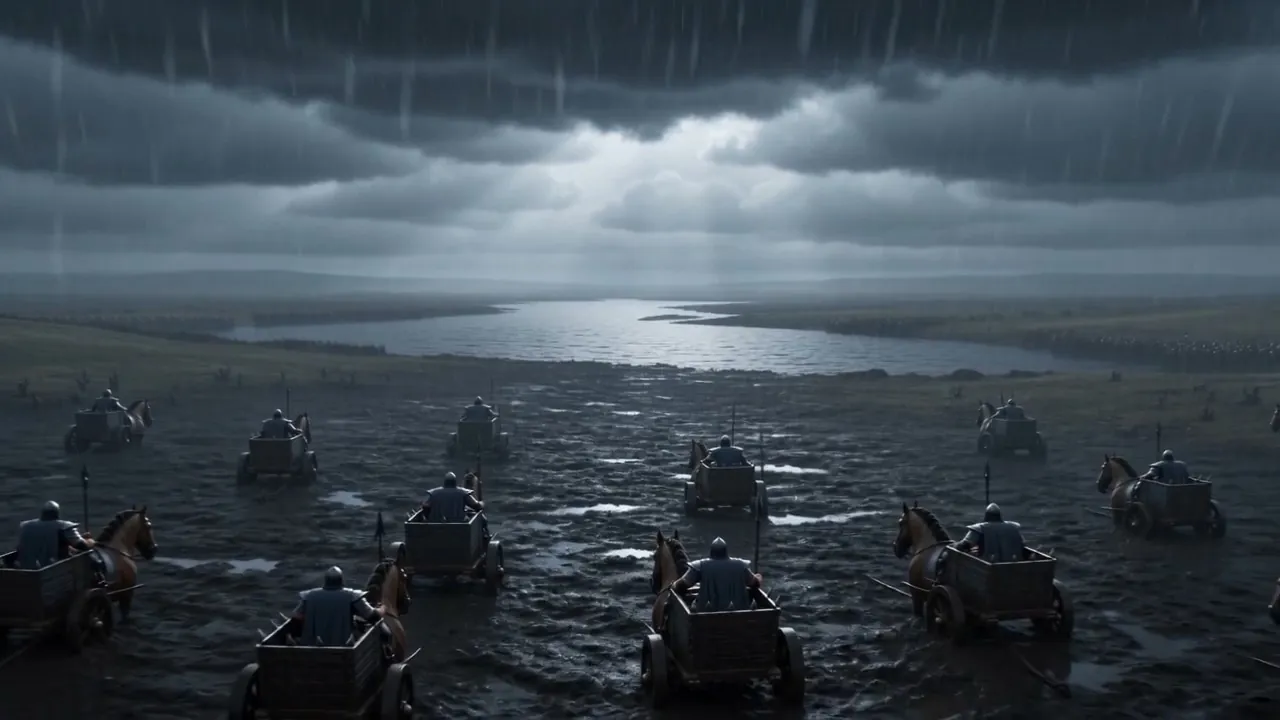
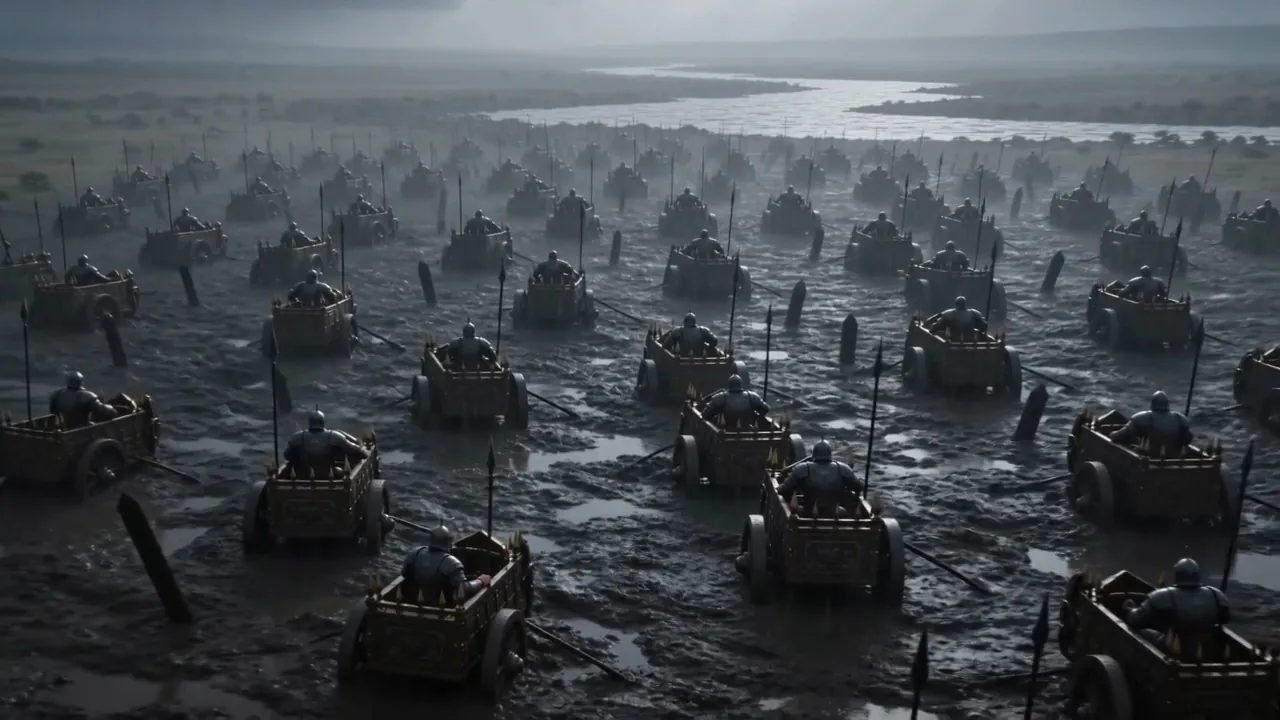



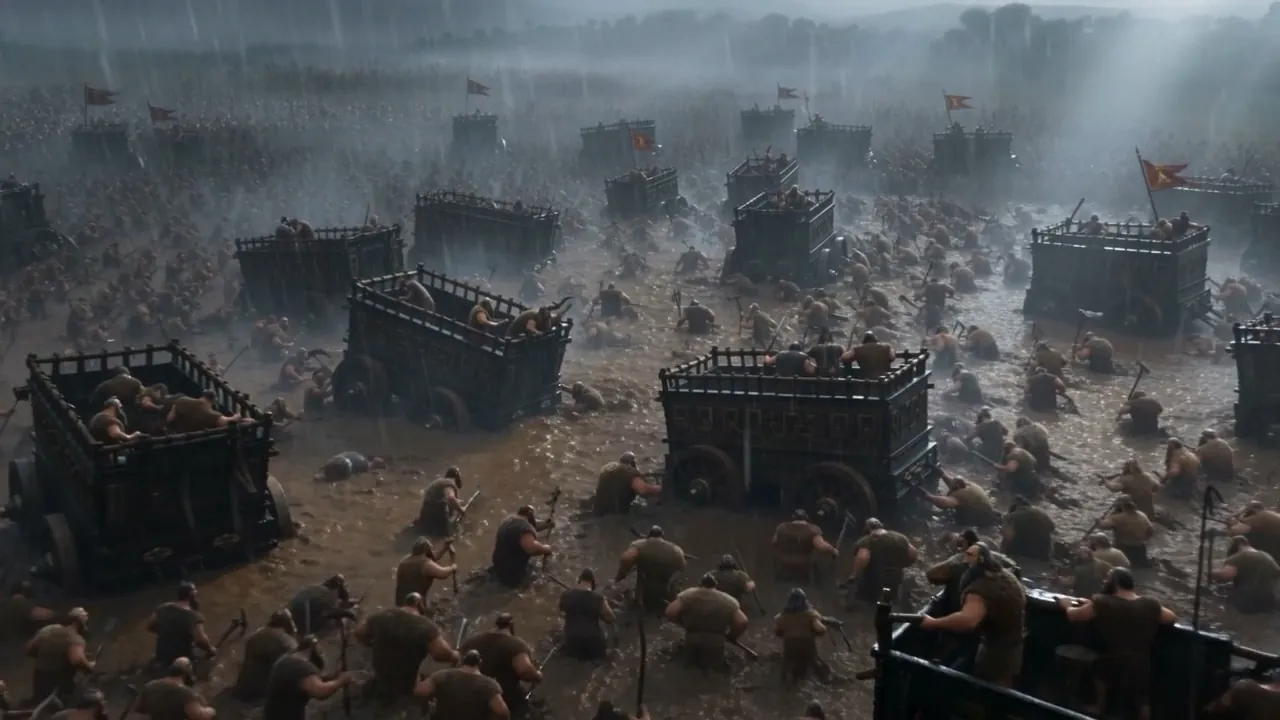
The song remembers it better than the chronicle does: they fought from the sky; the stars in their courses fought against Sisera. The river Kishon swept them away, that ancient river, the river Kishon. Nine hundred iron chariots on a flood plain in a cloudburst stopped being an army and became nine hundred things stuck in the mud. Judges 4 : 15 · 5 : 20–21
That ancient river, the river Kishon.

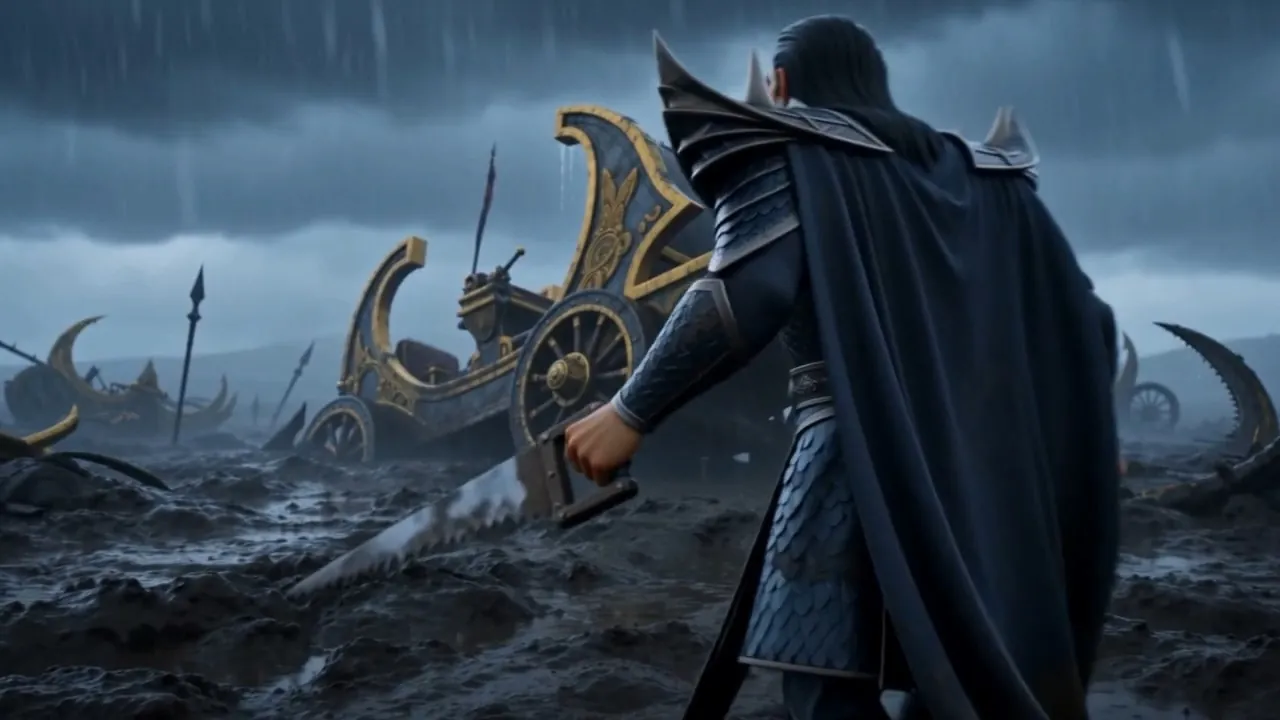
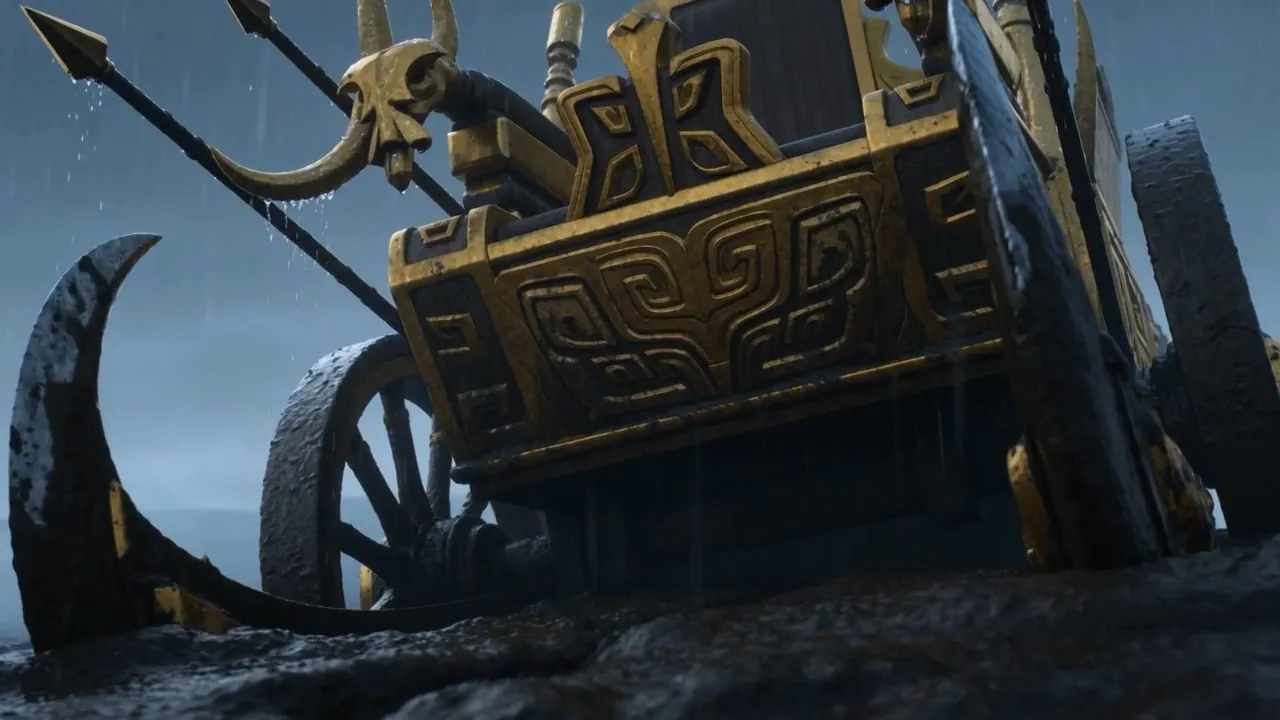

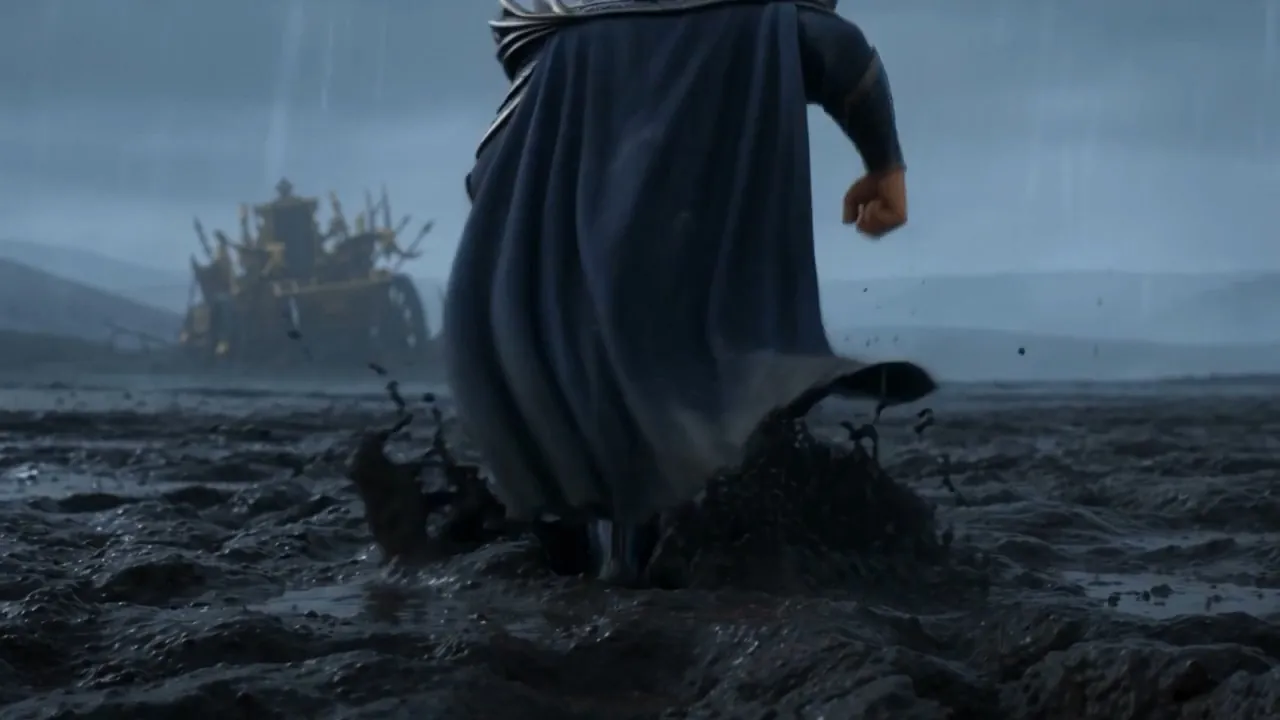
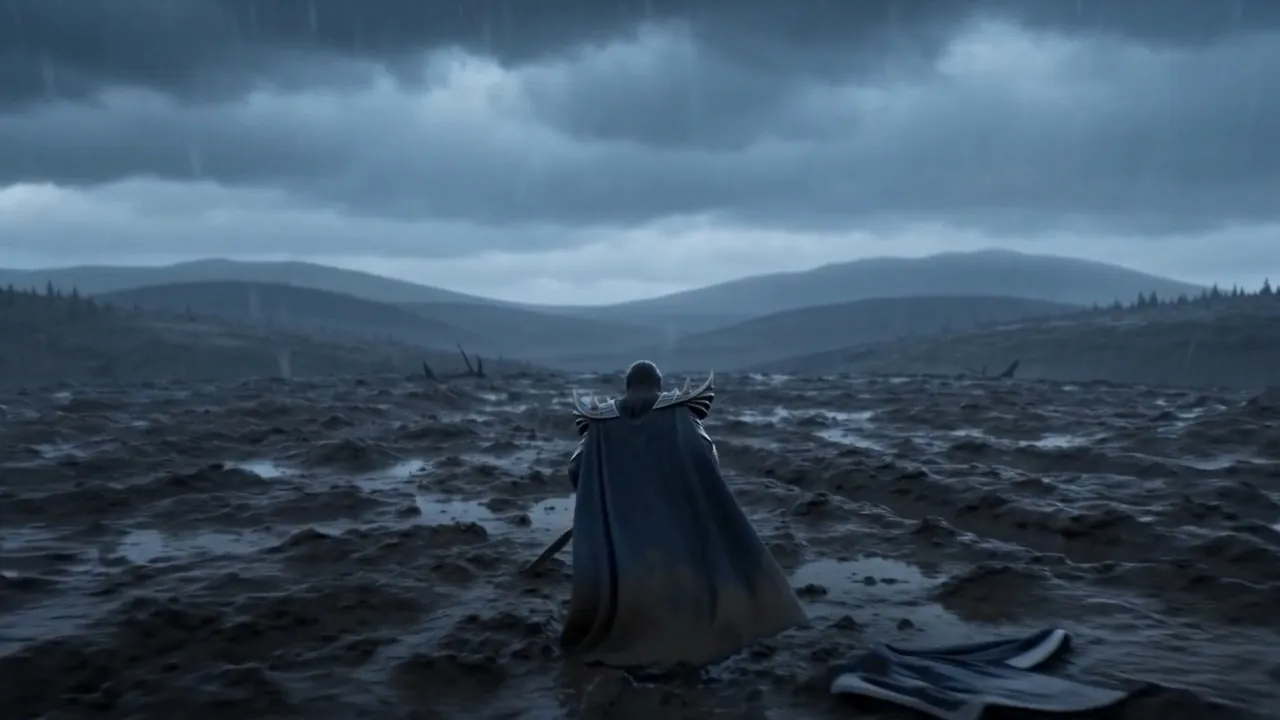
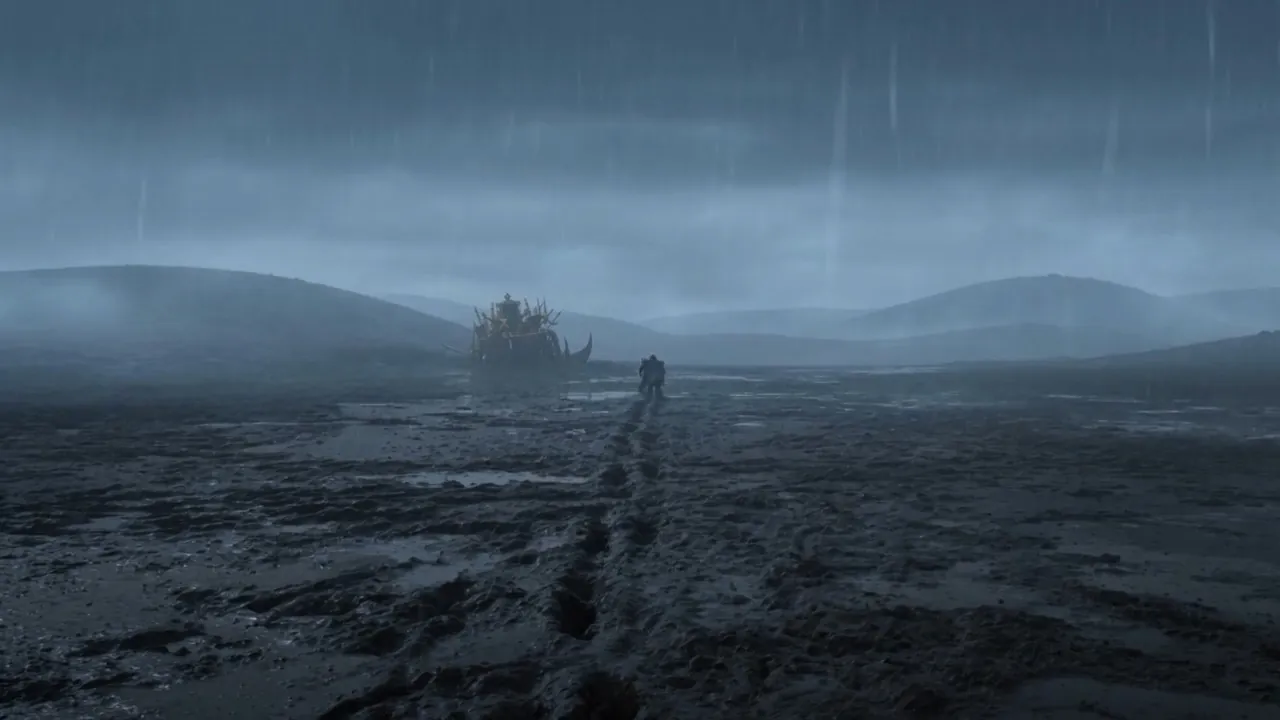
But Sisera fled away on his feet to the tent of Jael. The chariot he had spent twenty years polishing is left in a field. The commander of nine hundred of them finishes the day the way every Israelite farmer had been travelling all along — walking, in the wet, hoping not to be seen. Judges 4 : 15–17
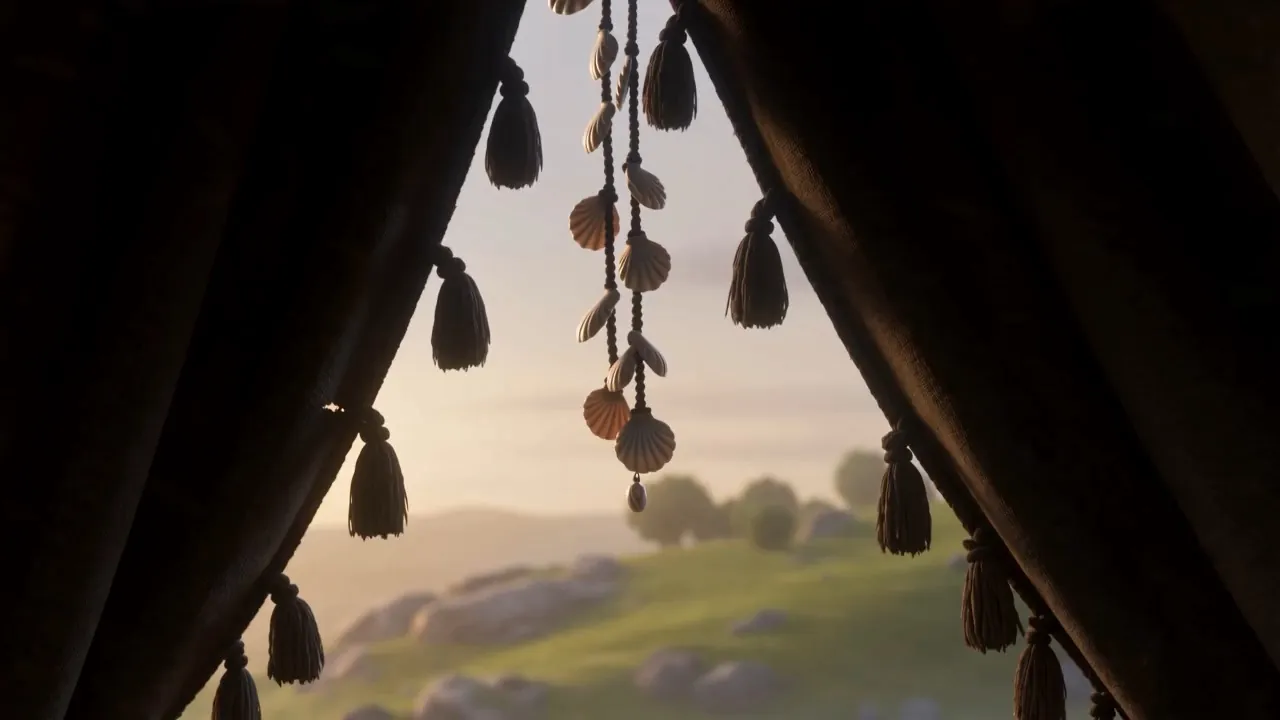

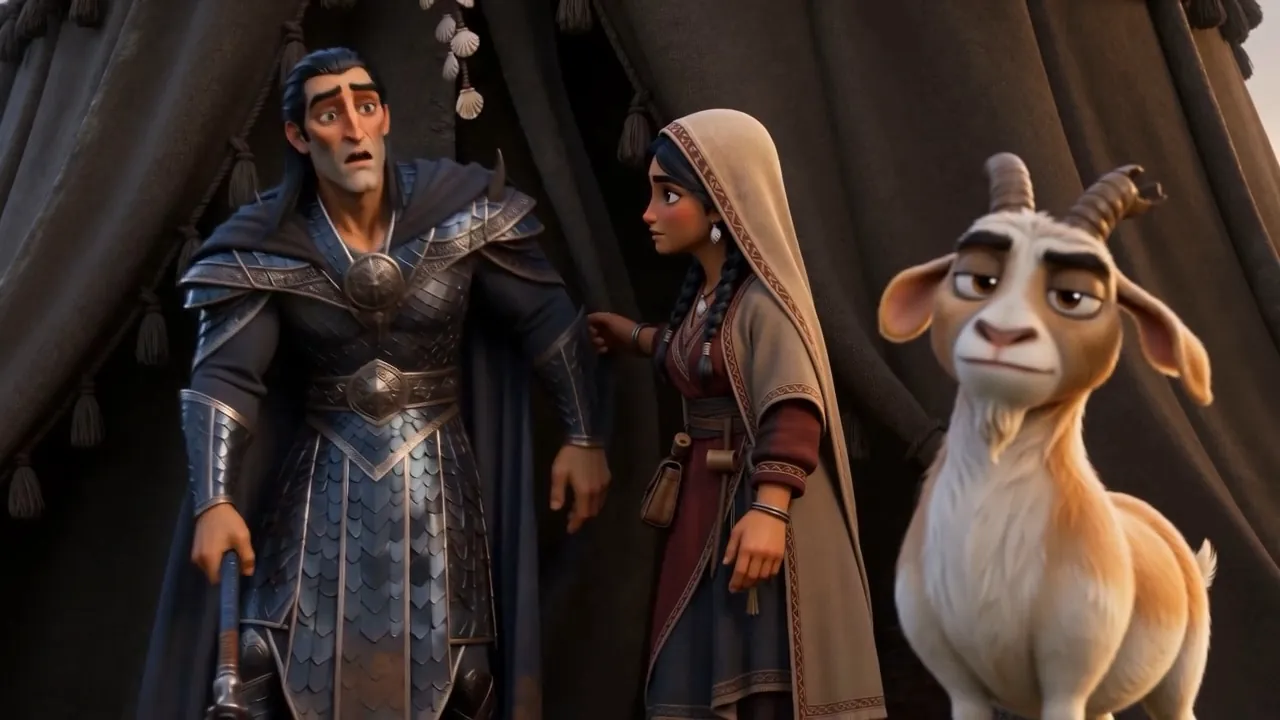
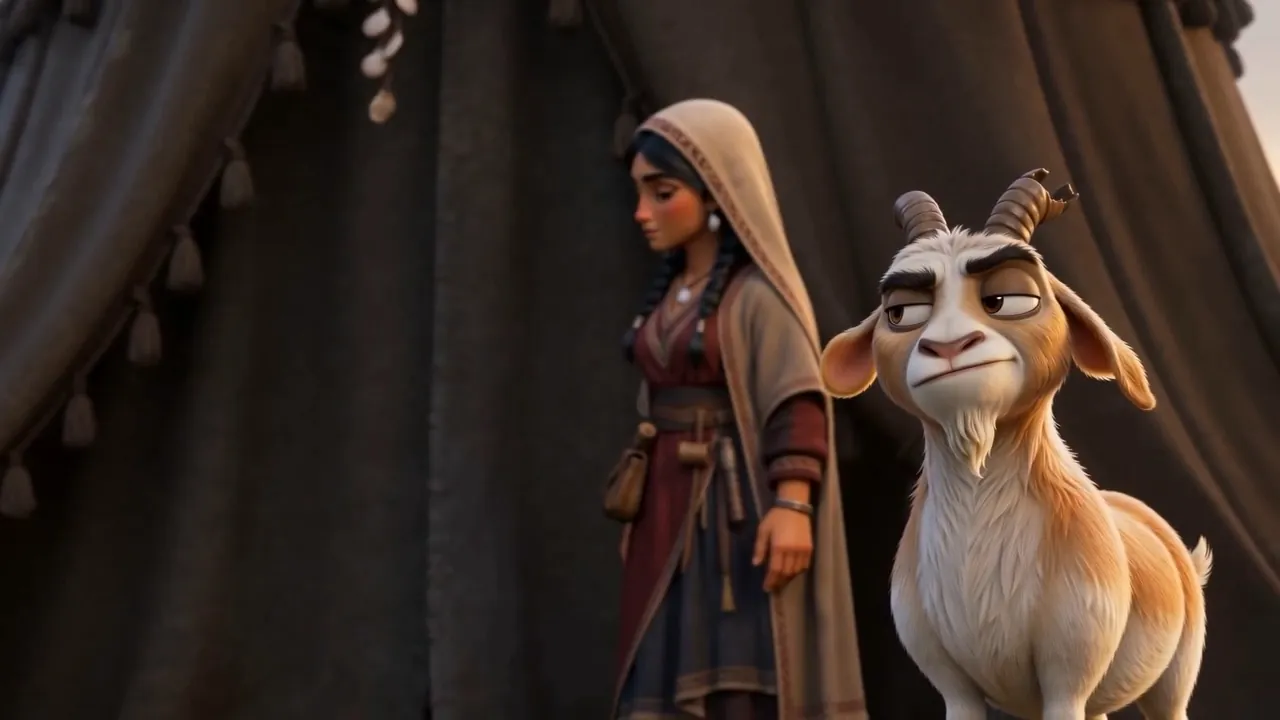
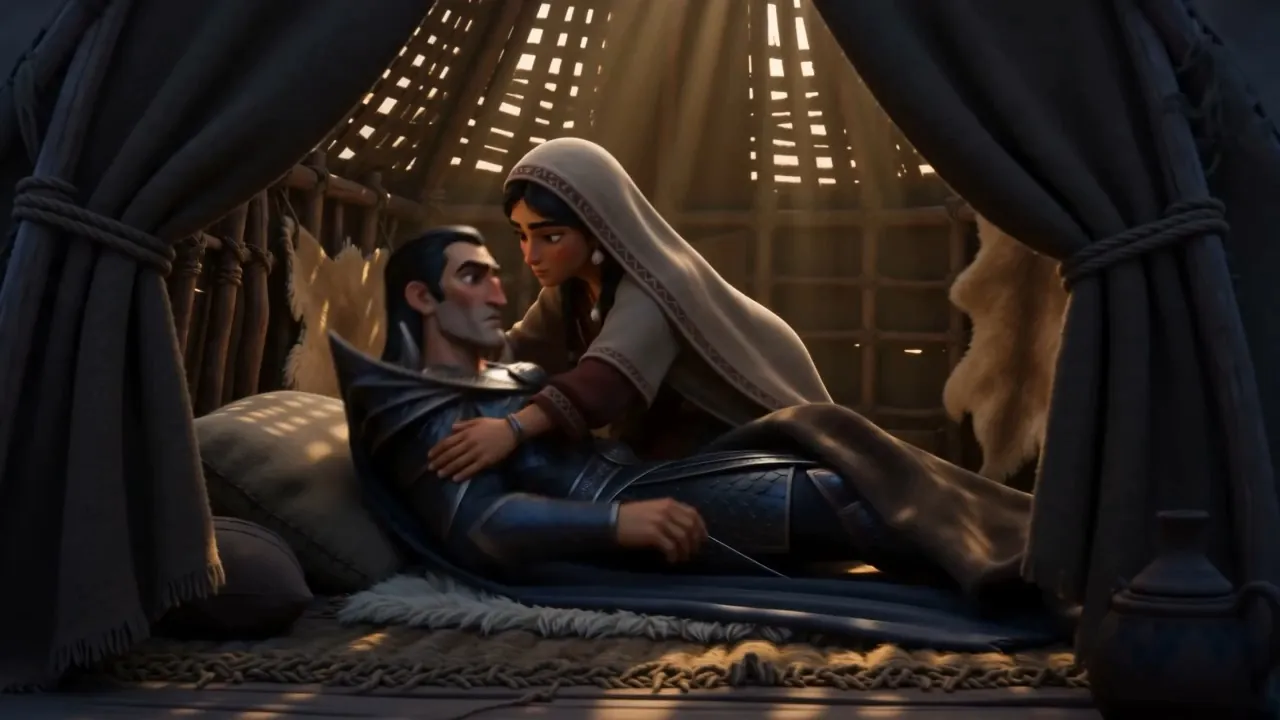
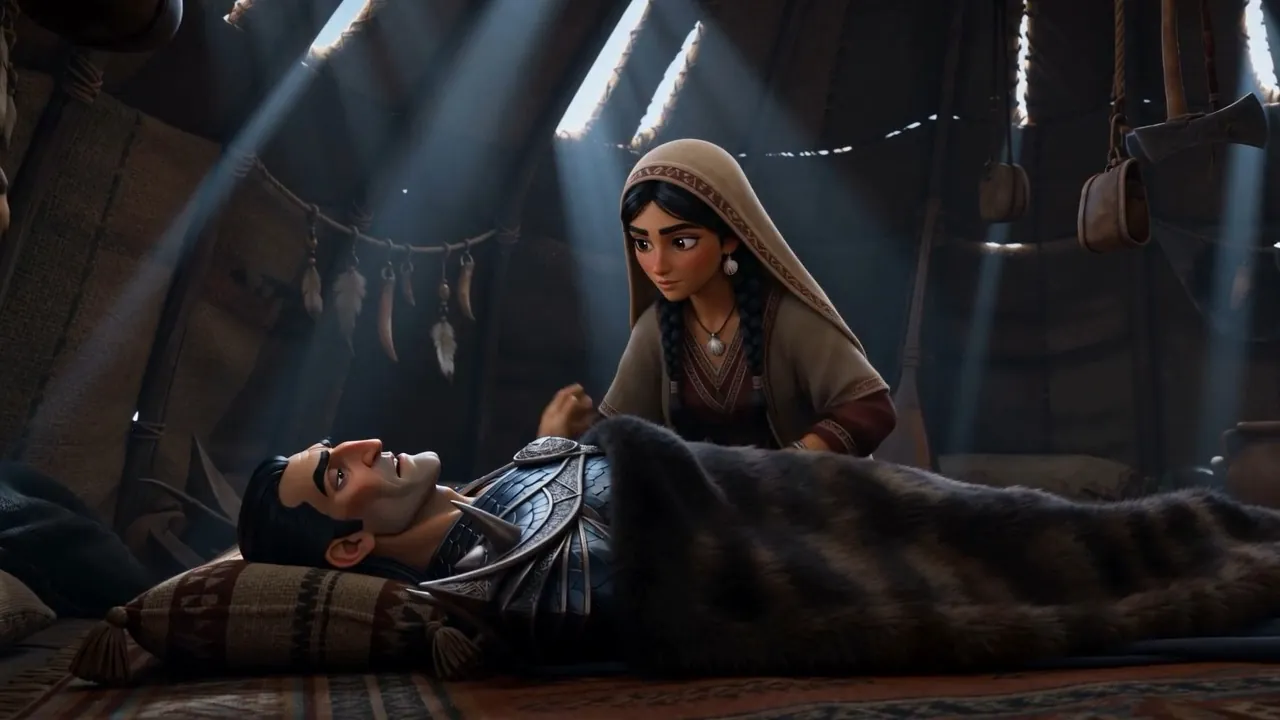

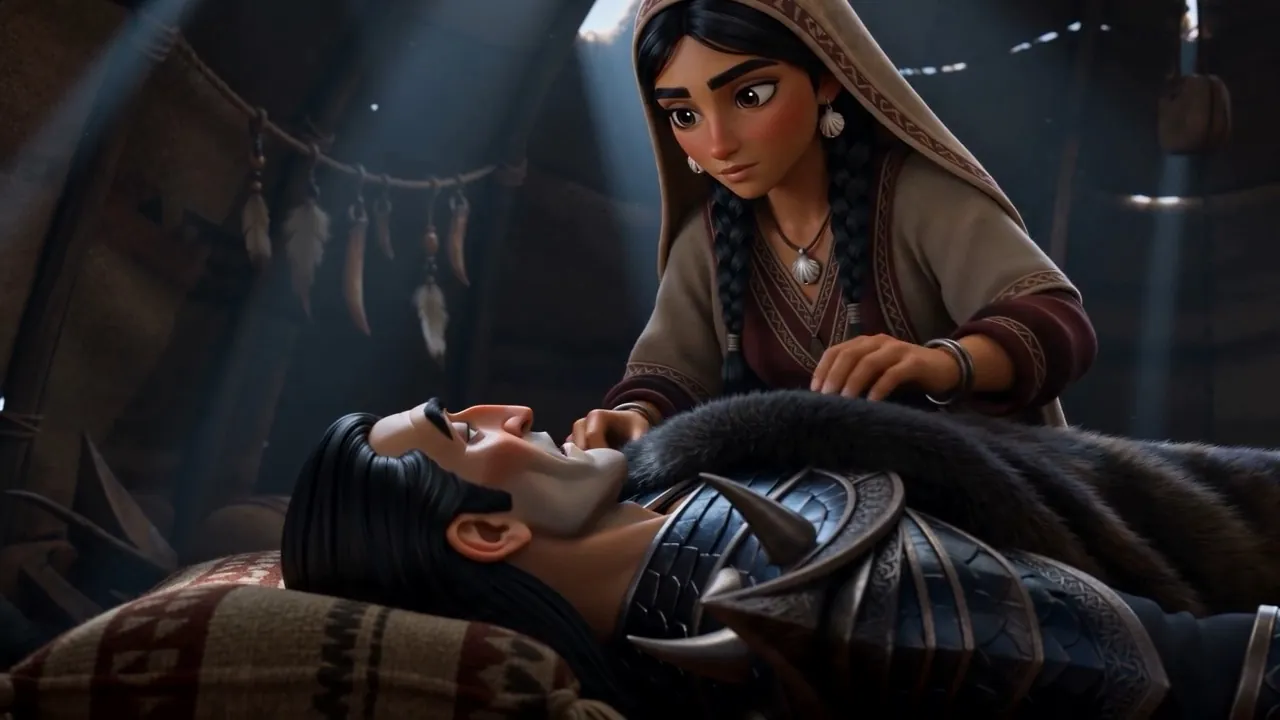

There was peace between Jabin and the house of Heber the Kenite, so this was the safest tent in the district. Jael went out to meet him: “Turn in, my lord, turn in to me; don't be afraid.” He asked for water. She gave him milk, covered him up, and he told her to stand in the door and lie to anyone who came looking. Judges 4 : 17–20
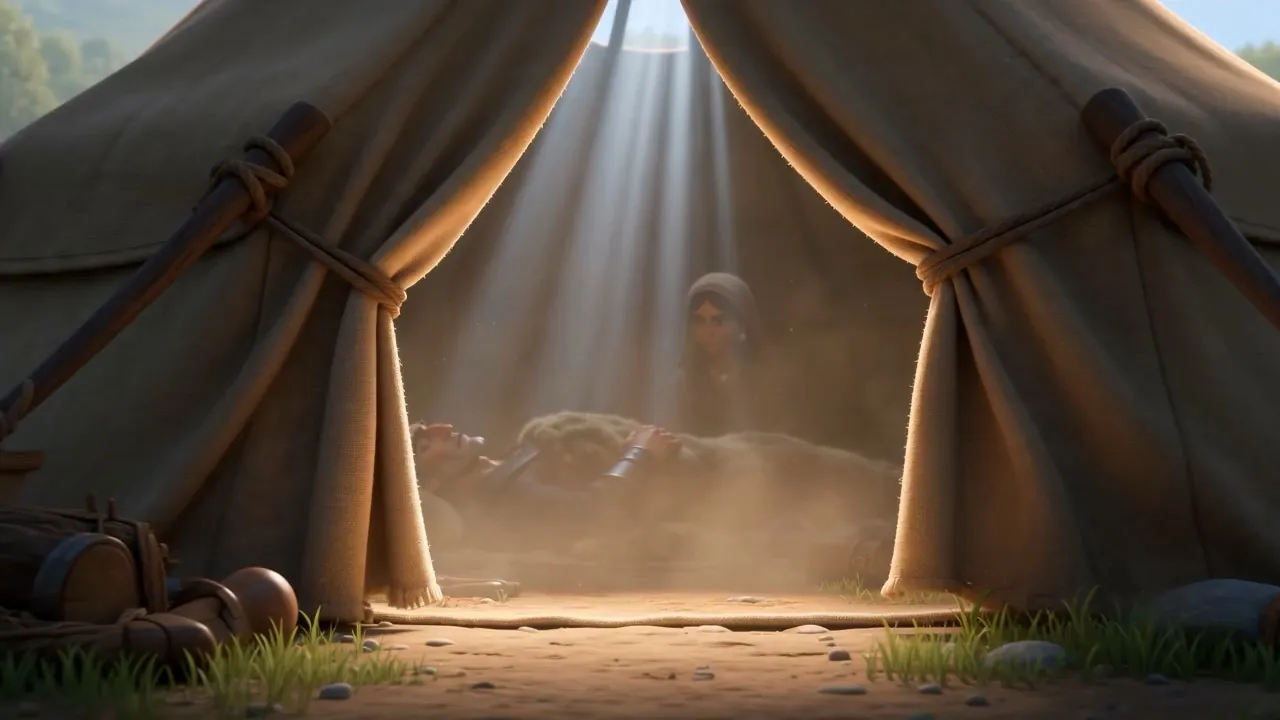
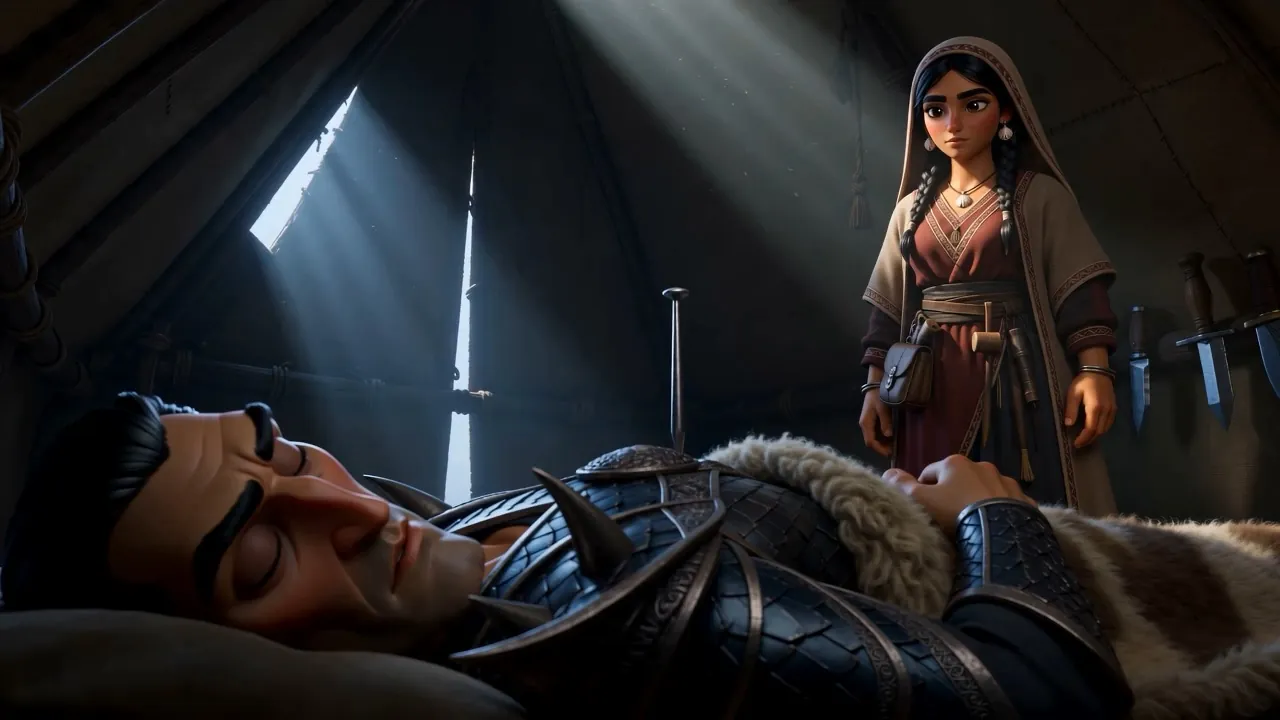
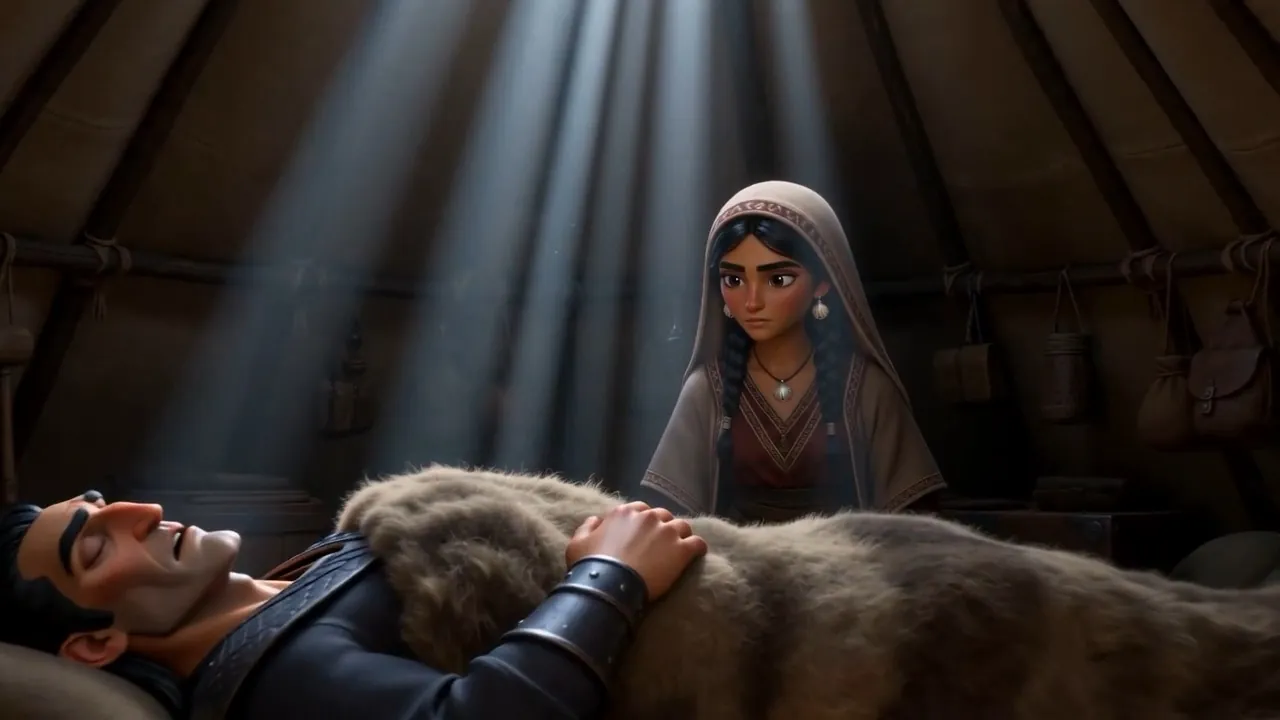
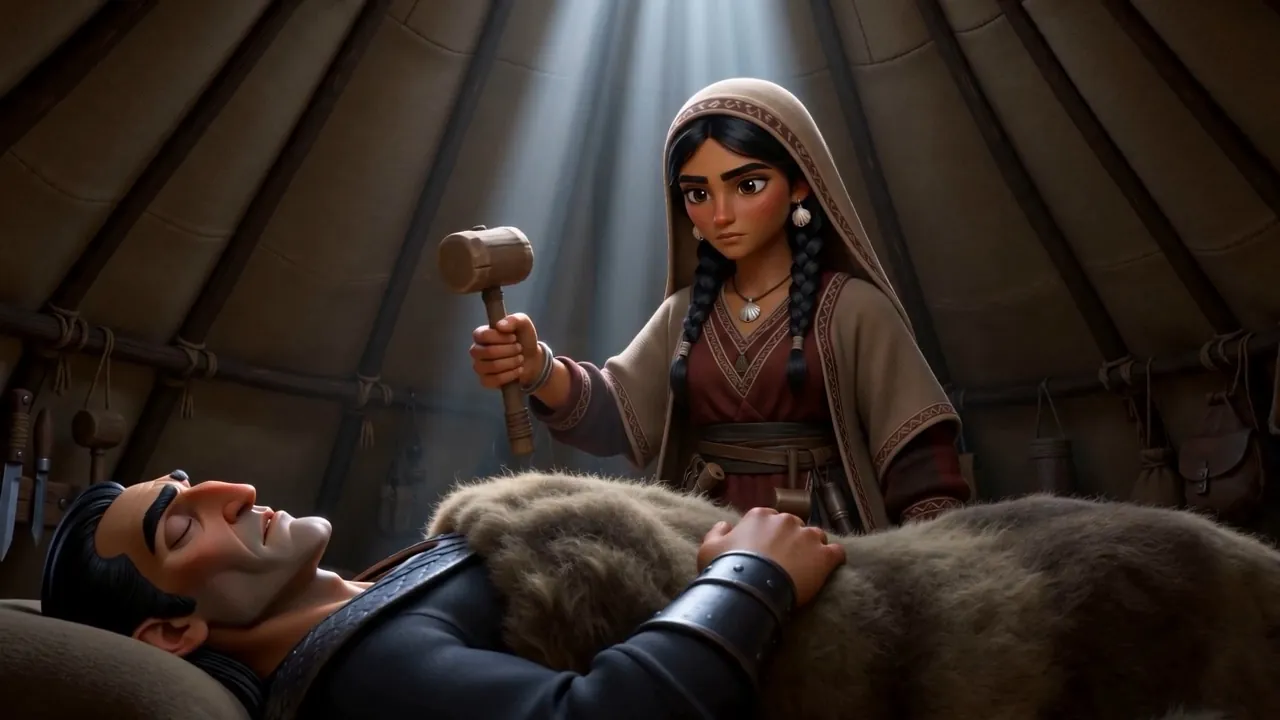

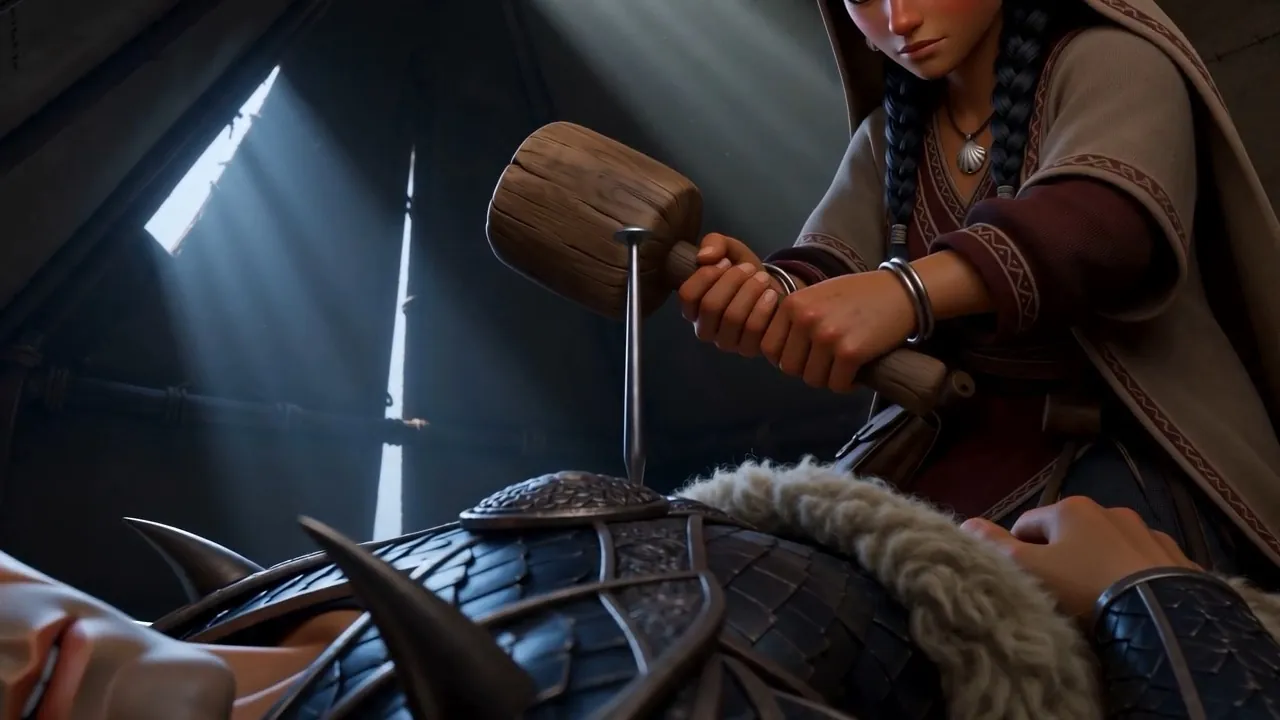


Tent pegs and mallets were a woman's tools — pitching and striking the tent was her work, and she would have driven a thousand of them. Then Jael Heber's wife took a tent peg, and took a hammer in her hand, and went softly to him. What happens next stays off-screen, and it stays off this page too. The hills outside stay completely still. Judges 4 : 21
She went softly to him.
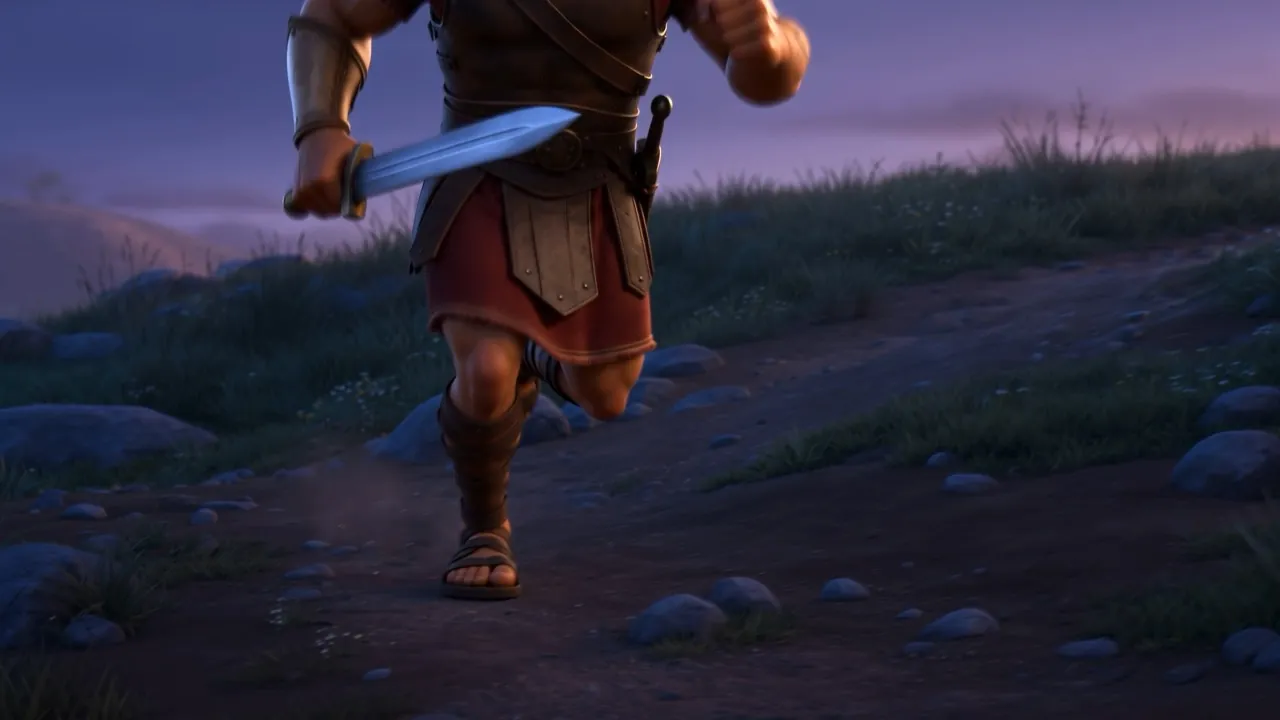

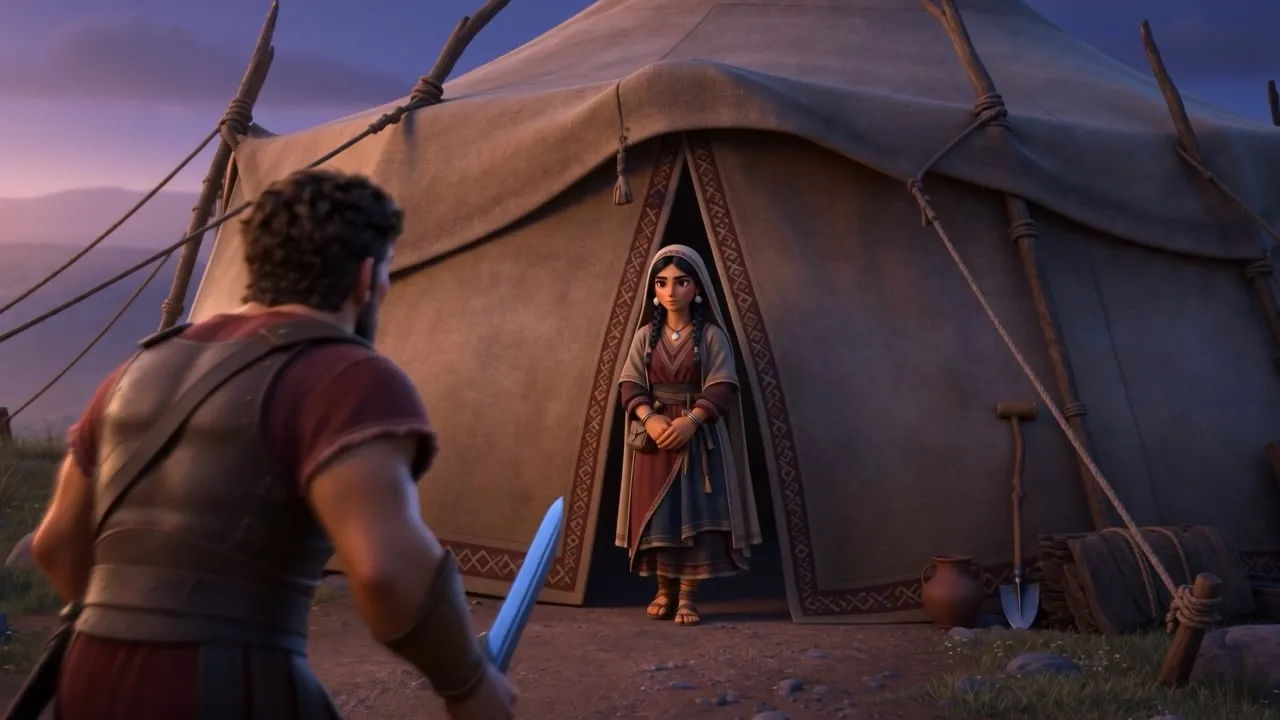
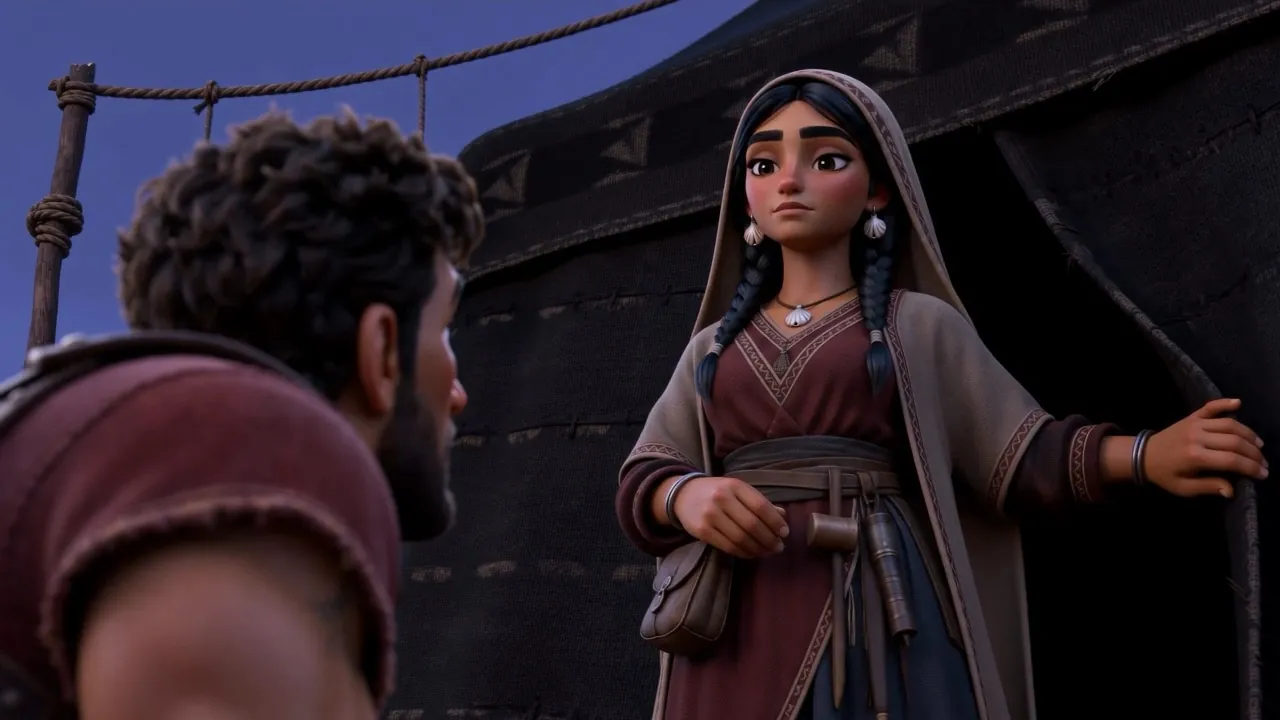


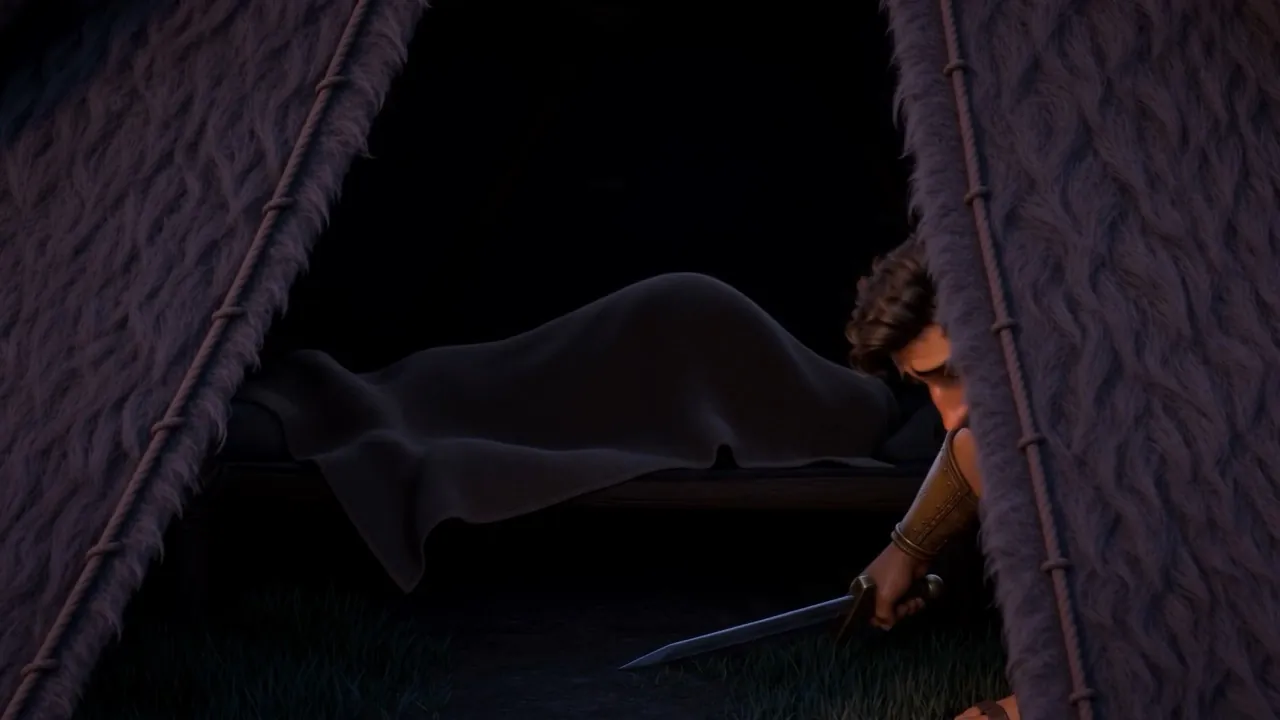

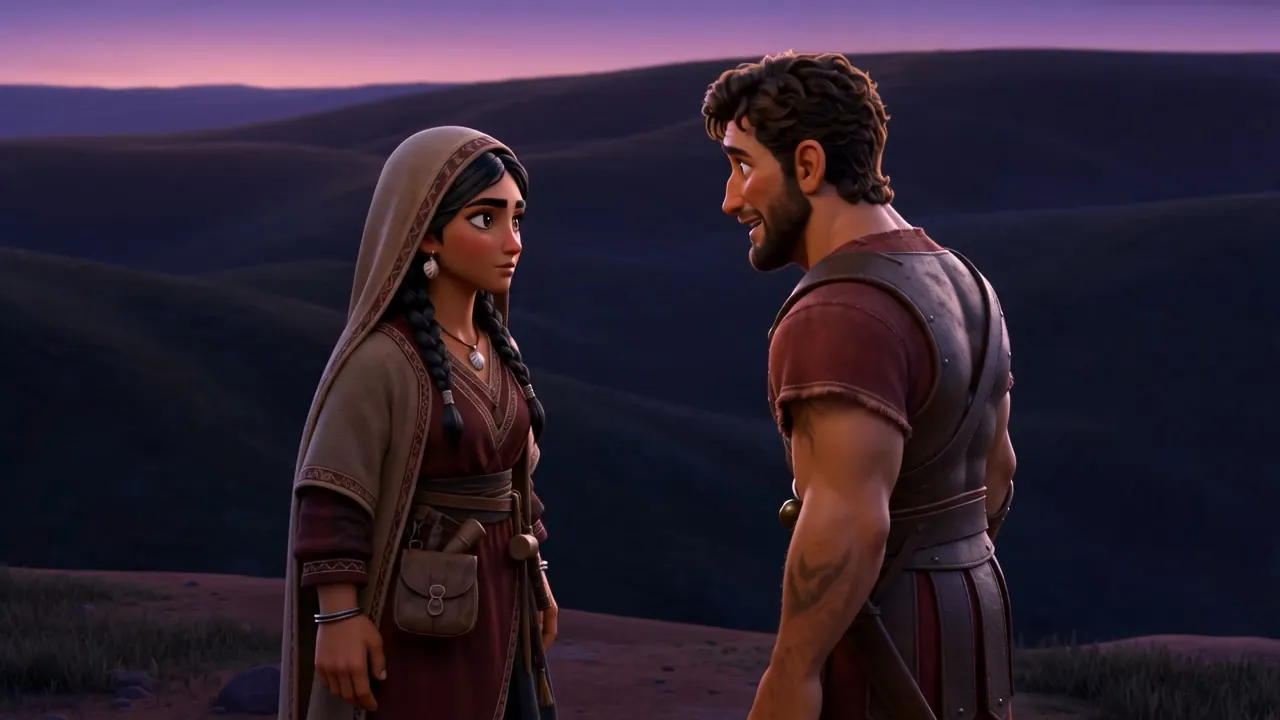
Barak came past chasing Sisera, and Jael went out to meet him: “Come, and I will show you the man whom you seek.” Deborah's sentence in chapter four had come true almost word for word — the honour of the day did not go to the general with ten thousand men. It went to a woman with a hammer and no army at all. Judges 4 : 22
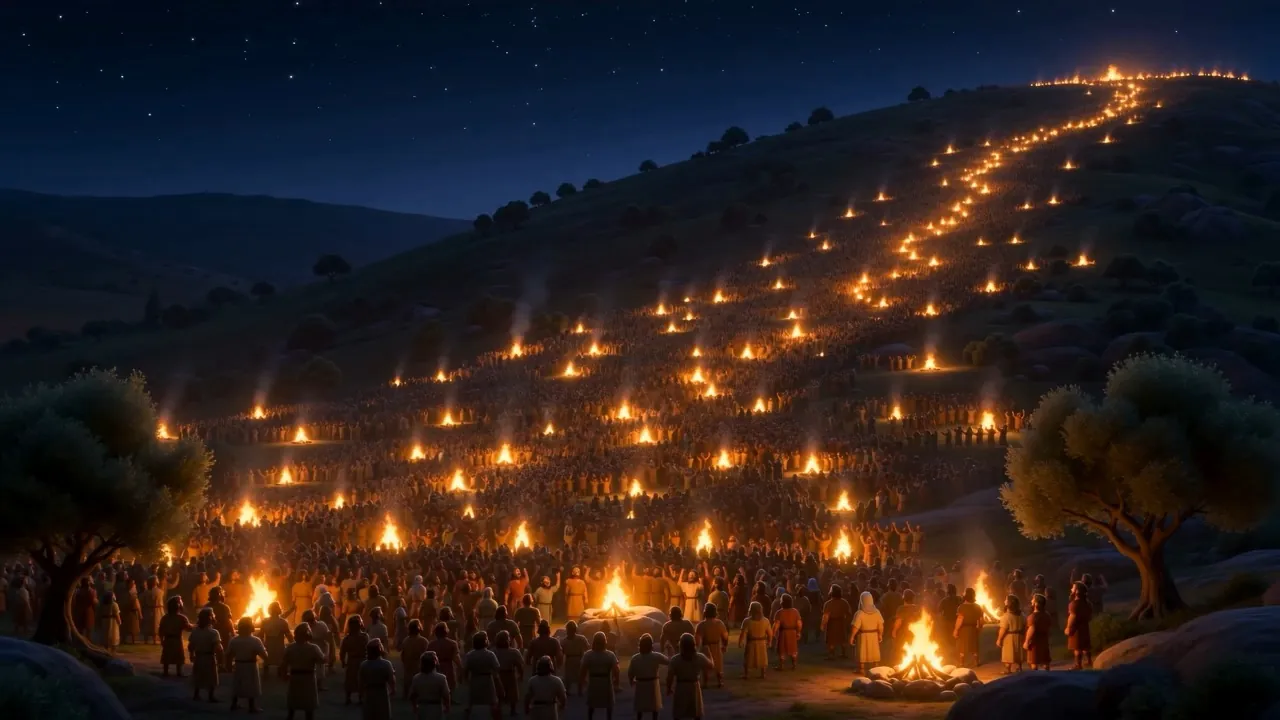
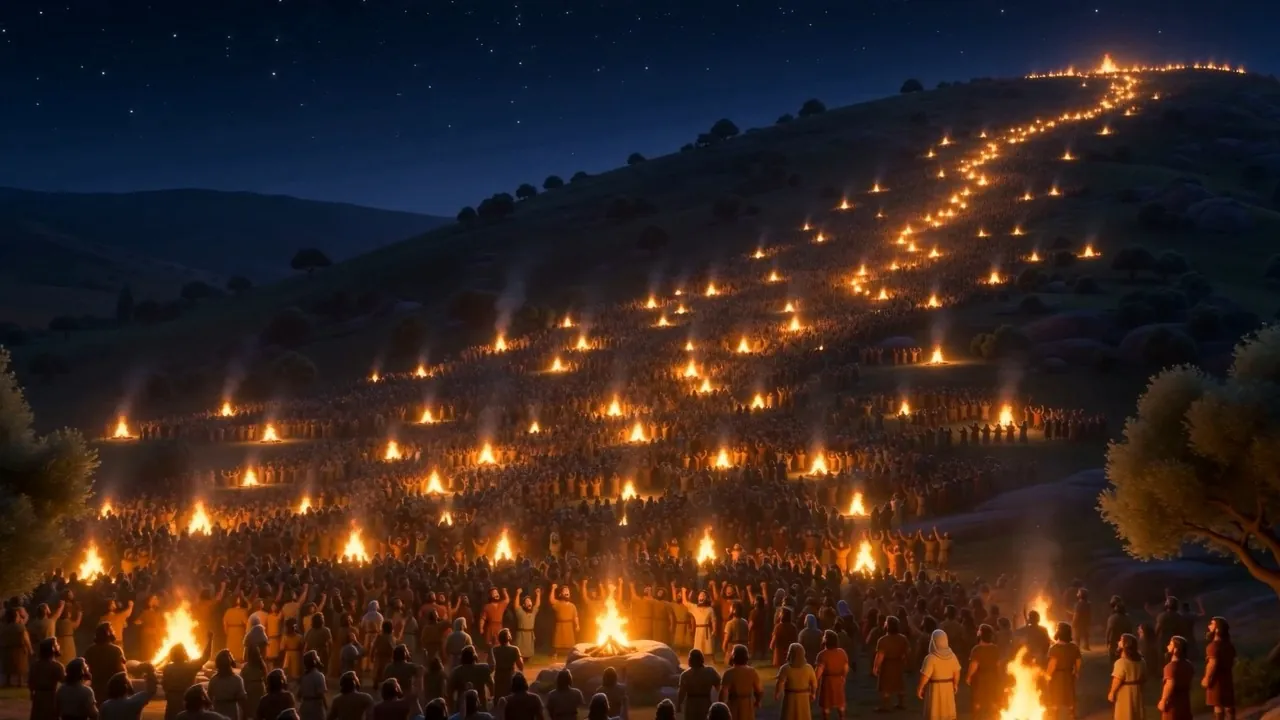
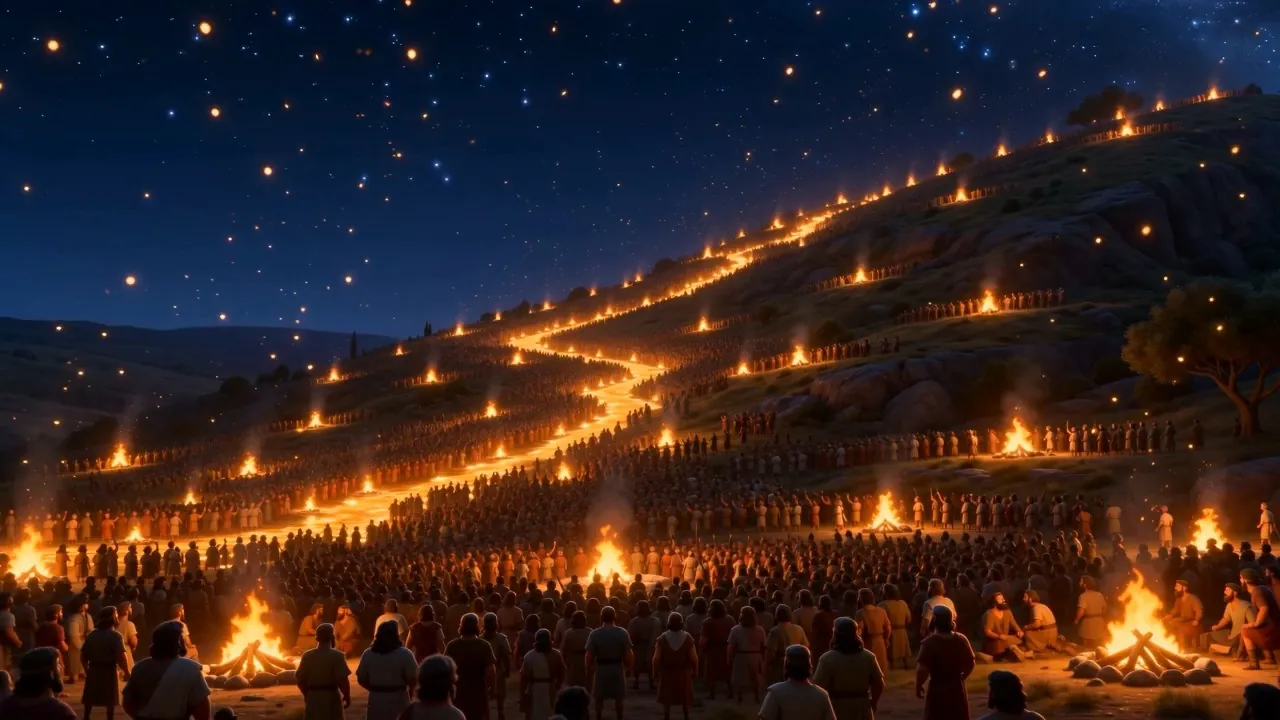
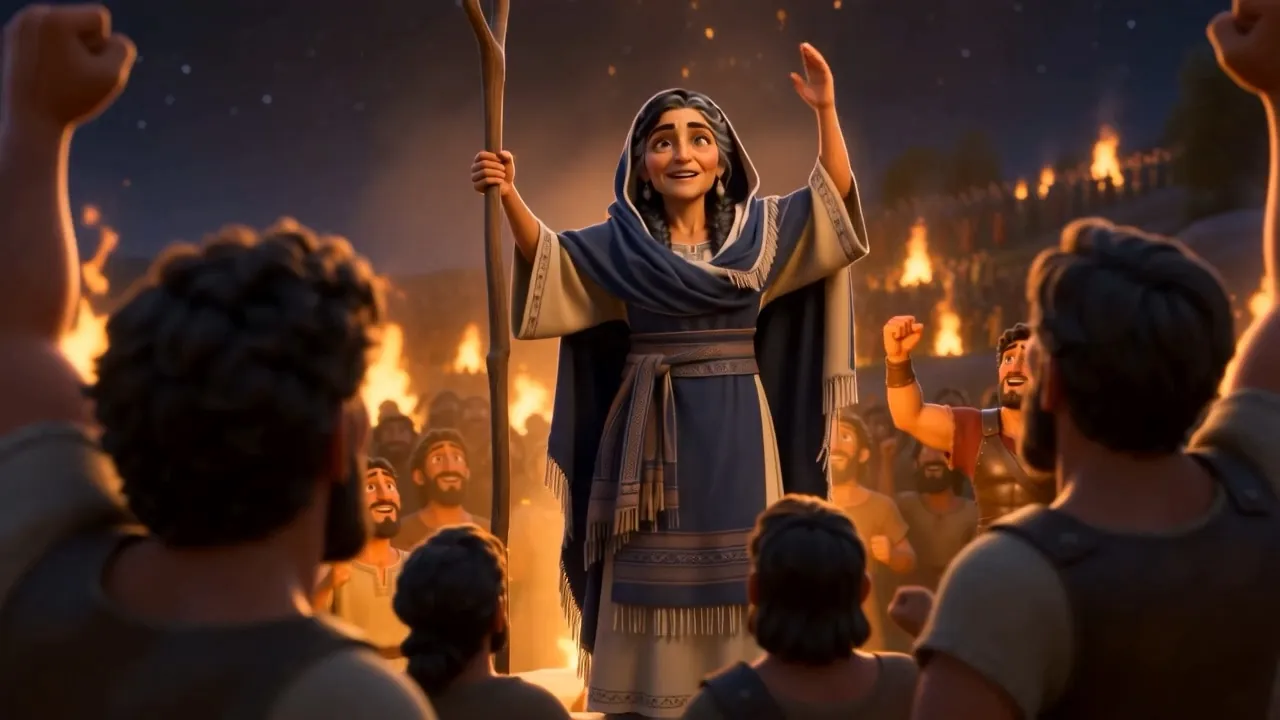

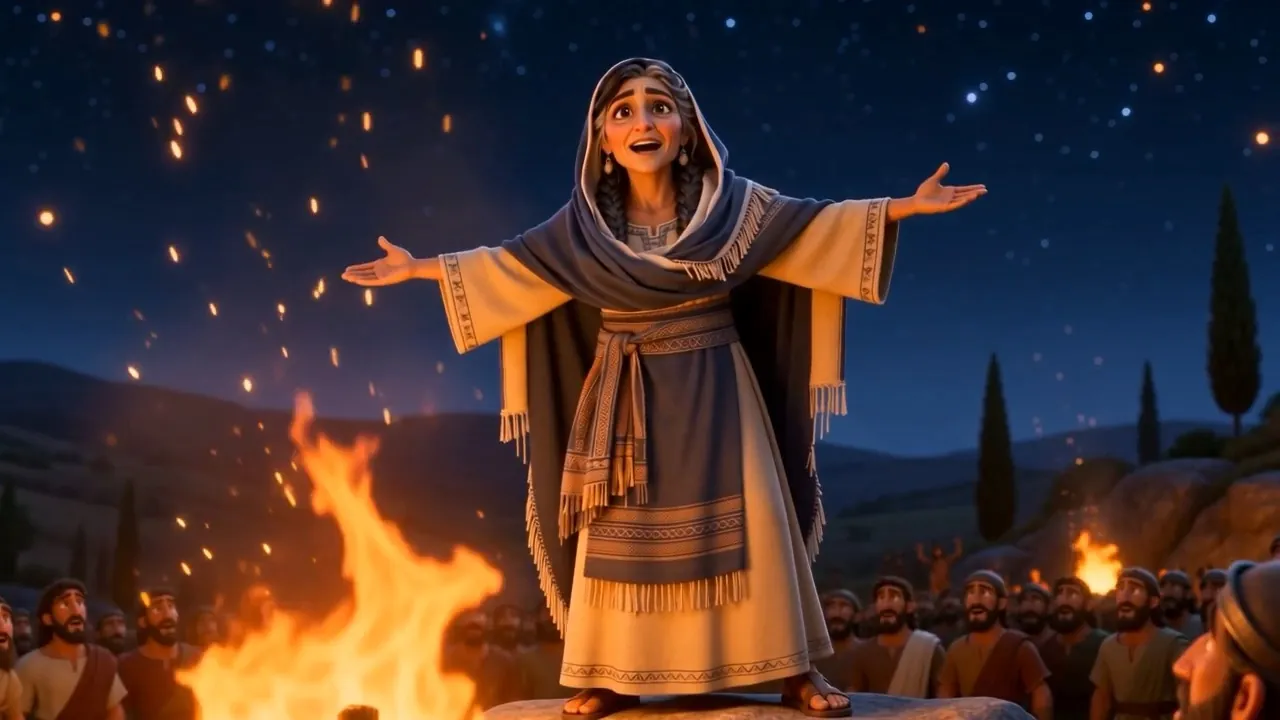
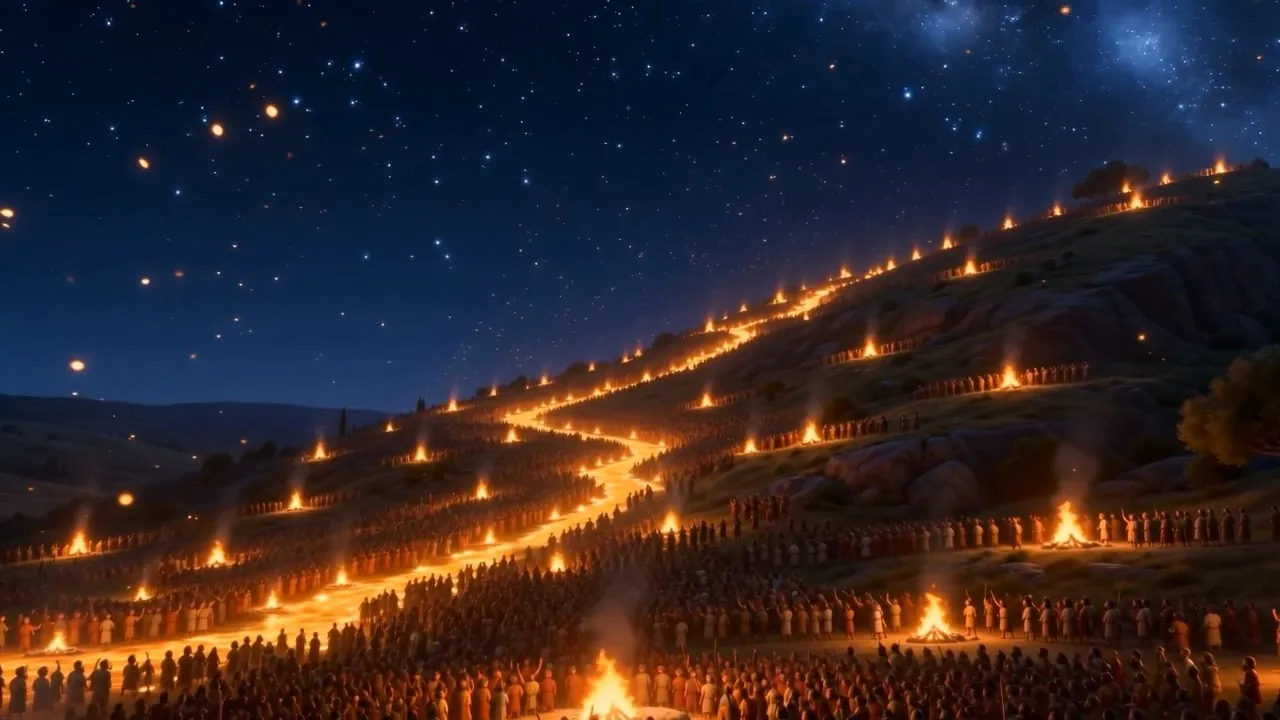
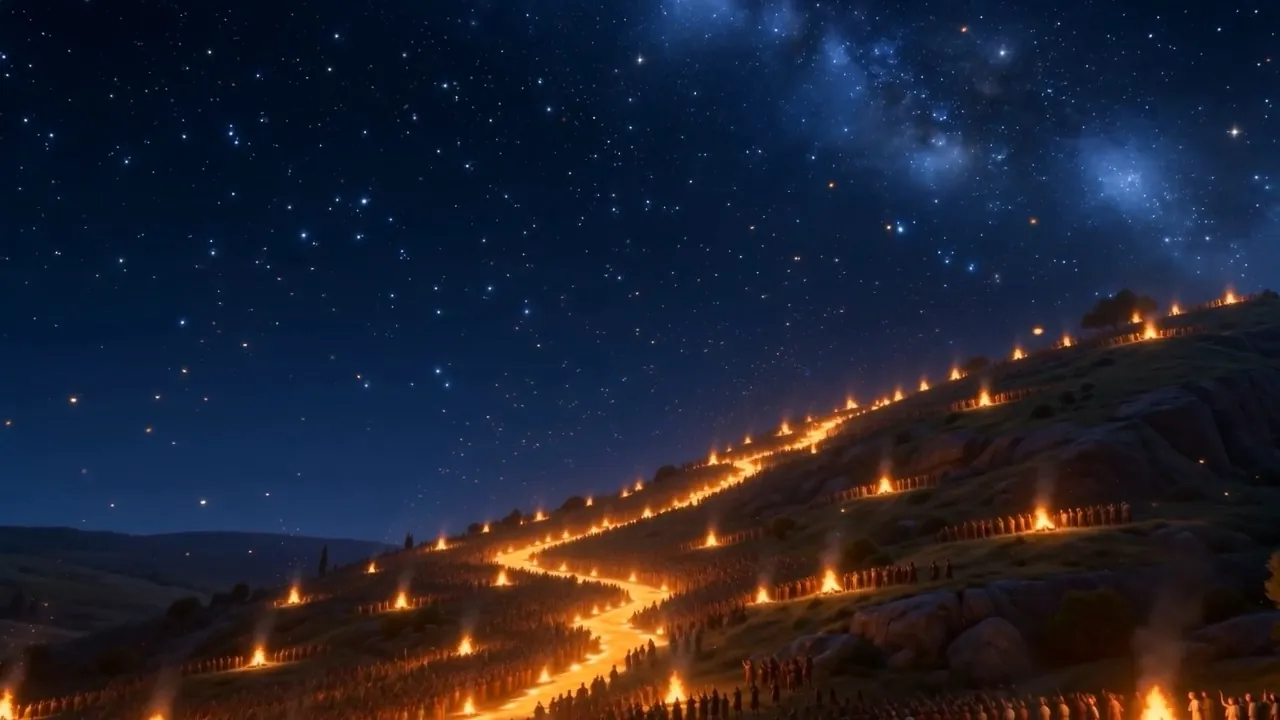
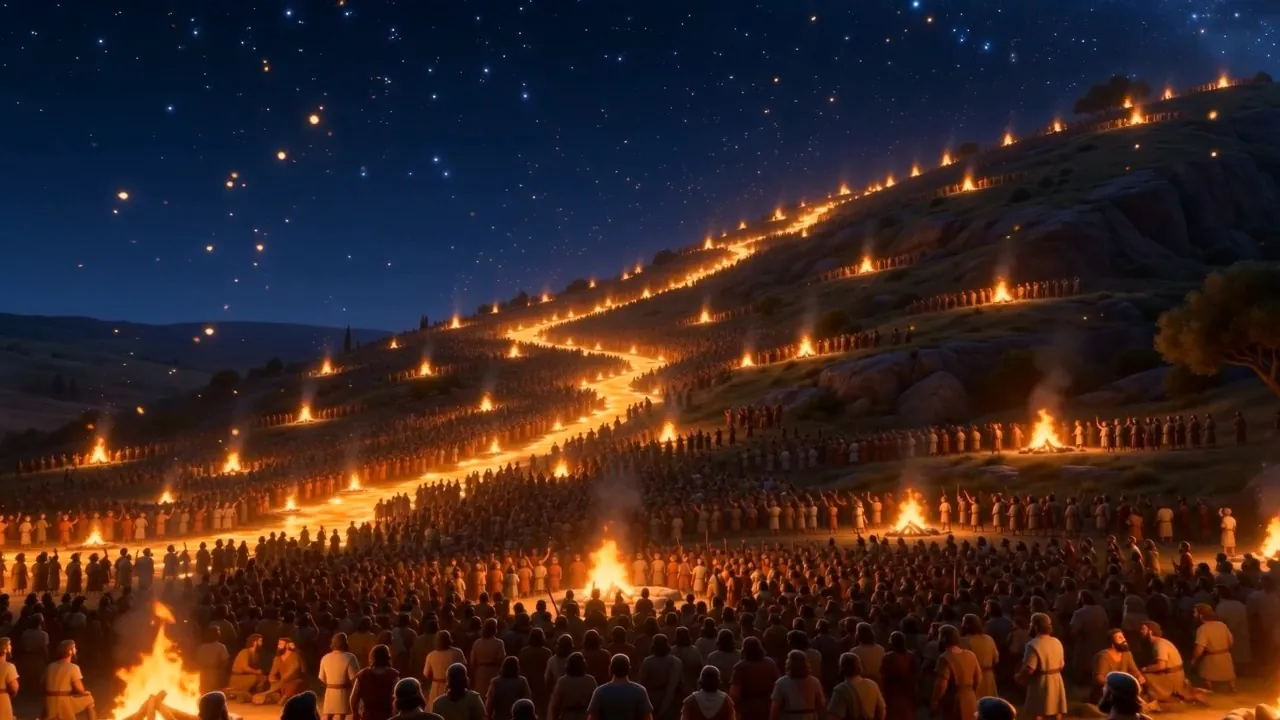
Then Deborah and Barak sang, and the song is one of the oldest pieces of poetry in the Bible. It names the tribes who came and mocks the ones who stayed home by the sheepfolds. It imagines Sisera's mother at her window, wondering why the chariot is late. And in the middle of it Deborah describes what she was: the villages were unoccupied in Israel… until I, Deborah, arose — until I arose a mother in Israel. The land had rest forty years. Judges 5 : 1–31
A mother in Israel.
After the story
The one book of the Bible where the general is the sidekick.
Judges 4 tells it as history and Judges 5 sings it — and the song is probably the older of the two, one of the oldest surviving pieces of Hebrew poetry. It keeps a scoreboard of which tribes turned up and which stayed home with the sheep, and it ends by imagining Sisera's mother at her window, counting the minutes, working out why the chariot has not come back.
Voices of the storm · hover or tap to turn
Deborah
"Go; for this is the day in which Yahweh has delivered Sisera into your hand."
— Judges 4:14
Barak
"If you will go with me, then I will go; but if you will not go with me, I will not go."
— Judges 4:8
Jael
"Turn in, my lord, turn in to me; don't be afraid."
— Judges 4:18Deborah
How closely were you watching?
1. What was Deborah's role in Israel?
She held court under a palm between Ramah and Bethel, and the children of Israel came up to her for judgment (Judges 4:4–5).
2. What condition did Barak put on going to war?
"If you will go with me, then I will go; but if you will not go with me, I will not go." She agreed, and told him the honour of the day would not be his (Judges 4:8–9).
3. What defeated the nine hundred iron chariots?
"They fought from the sky… the river Kishon swept them away." Heavy chariots need dry flat ground; the weather took it away (Judges 5:20–21).
4. Who did Sisera end up in the hands of?
Exactly as Deborah had said: "Yahweh will sell Sisera into the hand of a woman" (Judges 4:9, 21).
What this story teaches
Authority does not need a title.
Deborah had no throne, no city and no army — a palm tree and a queue of people who trusted her judgment. When the general arrived, she gave the orders, and everyone in the scene knew whose they were.
"The children of Israel came up to her for judgment." Judges 4:5You can get what you asked for and lose the story.
Barak insisted on his condition and Deborah granted it — and told him the honour would go elsewhere. He won the battle. Nobody names a child after him.
"The journey that you take won't be for your honor; for Yahweh will sell Sisera into a woman's hand." Judges 4:9The unbeatable thing is beatable.
Nine hundred iron chariots ruled that valley for twenty years, and then it rained. The advantage that made them invincible on dry flat ground is exactly what sank them on wet flat ground.
"The river Kishon swept them away, that ancient river, the river Kishon." Judges 5:21Read the scripture itself. Judges 4 – 5 · World English Bible
Judges 4
1The children of Israel again did that which was evil in Yahweh’s sight, when Ehud was dead.
2Yahweh sold them into the hand of Jabin king of Canaan, who reigned in Hazor; the captain of whose army was Sisera, who lived in Harosheth of the Gentiles.
3The children of Israel cried to Yahweh, for he had nine hundred chariots of iron; and he mightily oppressed the children of Israel for twenty years.
4Now Deborah, a prophetess, the wife of Lappidoth, judged Israel at that time.
5She lived under Deborah’s palm tree between Ramah and Bethel in the hill country of Ephraim; and the children of Israel came up to her for judgment.
6She sent and called Barak the son of Abinoam out of Kedesh Naphtali, and said to him, “Hasn’t Yahweh, the God of Israel, commanded, ‘Go and lead the way to Mount Tabor, and take with you ten thousand men of the children of Naphtali and of the children of Zebulun?
7I will draw to you, to the river Kishon, Sisera, the captain of Jabin’s army, with his chariots and his multitude; and I will deliver him into your hand.’”
8Barak said to her, “If you will go with me, then I will go; but if you will not go with me, I will not go.”
9She said, “I will surely go with you. Nevertheless, the journey that you take won’t be for your honor; for Yahweh will sell Sisera into a woman’s hand.” Deborah arose, and went with Barak to Kedesh.
10Barak called Zebulun and Naphtali together to Kedesh; and ten thousand men followed him; and Deborah went up with him.
11Now Heber the Kenite had separated himself from the Kenites, even from the children of Hobab, Moses’ brother-in-law, and had pitched his tent as far as the oak in Zaanannim, which is by Kedesh.
12They told Sisera that Barak the son of Abinoam was gone up to Mount Tabor.
13Sisera gathered together all his chariots, even nine hundred chariots of iron, and all the people who were with him, from Harosheth of the Gentiles, to the river Kishon.
14Deborah said to Barak, “Go; for this is the day in which Yahweh has delivered Sisera into your hand. Hasn’t Yahweh gone out before you?” So Barak went down from Mount Tabor, and ten thousand men after him.
15Yahweh confused Sisera, all his chariots, and all his army, with the edge of the sword before Barak. Sisera abandoned his chariot and fled away on his feet.
16But Barak pursued the chariots and the army to Harosheth of the Gentiles; and all the army of Sisera fell by the edge of the sword. There was not a man left.
17However Sisera fled away on his feet to the tent of Jael the wife of Heber the Kenite; for there was peace between Jabin the king of Hazor and the house of Heber the Kenite.
18Jael went out to meet Sisera, and said to him, “Turn in, my lord, turn in to me; don’t be afraid.” He came in to her into the tent, and she covered him with a rug.
19He said to her, “Please give me a little water to drink; for I am thirsty.” She opened a bottle of milk, and gave him a drink, and covered him.
20He said to her, “Stand in the door of the tent, and if any man comes and inquires of you, and says, ‘Is there any man here?’ you shall say, ‘No.’”
21Then Jael Heber’s wife took a tent peg, and took a hammer in her hand, and went softly to him, and struck the pin into his temples, and it pierced through into the ground; for he was in a deep sleep; so he fainted and died.
22Behold, as Barak pursued Sisera, Jael came out to meet him, and said to him, “Come, and I will show you the man whom you seek.” He came to her; and behold, Sisera lay dead, and the tent peg was in his temples.
23So God subdued Jabin the king of Canaan before the children of Israel on that day.
24The hand of the children of Israel prevailed more and more against Jabin the king of Canaan, until they had destroyed Jabin king of Canaan.
Judges 5
1Then Deborah and Barak the son of Abinoam sang on that day, saying,
2“Because the leaders took the lead in Israel, because the people offered themselves willingly, be blessed, Yahweh!
3“Hear, you kings! Give ear, you princes! I, even I, will sing to Yahweh. I will sing praise to Yahweh, the God of Israel.
4“Yahweh, when you went out of Seir, when you marched out of the field of Edom, the earth trembled, the sky also dropped. Yes, the clouds dropped water.
5The mountains quaked Yahweh’s presence, even Sinai at the presence of Yahweh, the God of Israel.
6“In the days of Shamgar the son of Anath, in the days of Jael, the highways were unoccupied. The travelers walked through byways.
7The rulers ceased in Israel. They ceased until I, Deborah, arose; Until I arose a mother in Israel.
8They chose new gods. Then war was in the gates. Was there a shield or spear seen among forty thousand in Israel?
9My heart is toward the governors of Israel, who offered themselves willingly among the people. Bless Yahweh!
10“Speak, you who ride on white donkeys, you who sit on rich carpets, and you who walk by the way.
11Far from the noise of archers, in the places of drawing water, there they will rehearse Yahweh’s righteous acts, the righteous acts of his rule in Israel. “Then Yahweh’s people went down to the gates.
12‘Awake, awake, Deborah! Awake, awake, utter a song! Arise, Barak, and lead away your captives, you son of Abinoam.’
13“Then a remnant of the nobles and the people came down. Yahweh came down for me against the mighty.
14Those whose root is in Amalek came out of Ephraim, after you, Benjamin, among your peoples. Governors come down out of Machir. Those who handle the marshal’s staff came out of Zebulun.
15The princes of Issachar were with Deborah. As was Issachar, so was Barak. They rushed into the valley at his feet. By the watercourses of Reuben, there were great resolves of heart.
16Why did you sit among the sheepfolds? To hear the whistling for the flocks? At the watercourses of Reuben, there were great searchings of heart.
17Gilead lived beyond the Jordan. Why did Dan remain in ships? Asher sat still at the haven of the sea, and lived by his creeks.
18Zebulun was a people that jeopardized their lives to the death; Naphtali also, on the high places of the field.
19“The kings came and fought, then the kings of Canaan fought at Taanach by the waters of Megiddo. They took no plunder of silver.
20From the sky the stars fought. From their courses, they fought against Sisera.
21The river Kishon swept them away, that ancient river, the river Kishon. My soul, march on with strength.
22Then the horse hoofs stamped because of the prancing, the prancing of their strong ones.
23‘Curse Meroz,’ said Yahweh’s angel. ‘Curse bitterly its inhabitants, because they didn’t come to help Yahweh, to help Yahweh against the mighty.’
24“Jael shall be blessed above women, the wife of Heber the Kenite; blessed shall she be above women in the tent.
25He asked for water. She gave him milk. She brought him butter in a lordly dish.
26She put her hand to the tent peg, and her right hand to the workmen’s hammer. With the hammer she struck Sisera. She struck through his head. Yes, she pierced and struck through his temples.
27At her feet he bowed, he fell, he lay. At her feet he bowed, he fell. Where he bowed, there he fell down dead.
28“Through the window she looked out, and cried: Sisera’s mother looked through the lattice. ‘Why is his chariot so long in coming? Why do the wheels of his chariots wait?’
29Her wise ladies answered her, Yes, she returned answer to herself,
30‘Have they not found, have they not divided the plunder? A lady, two ladies to every man; to Sisera a plunder of dyed garments, a plunder of dyed garments embroidered, of dyed garments embroidered on both sides, on the necks of the plunder?’
31“So let all your enemies perish, Yahweh, but let those who love him be as the sun when it rises in its strength.” Then the land had rest forty years.
World English Bible (WEB) — a public-domain modern English translation. Read it freely, share it freely.
The Book of Judges — animated film in production
These scenes are real frames from the film.
Help us finish it — and every story like it — free for the world.