The Book of Exodus · Passover and the Night of the Passing
The way out of Egyptwas going to be a door.
After nine plagues and nine refusals, what Israel is handed is not a battle plan but a recipe and a date. A lamb per household, bread with no time to rise, and a mark over the doorway — and a small girl who asks her father the question every Passover table has asked since. Every scene below is a real frame from our animated film.
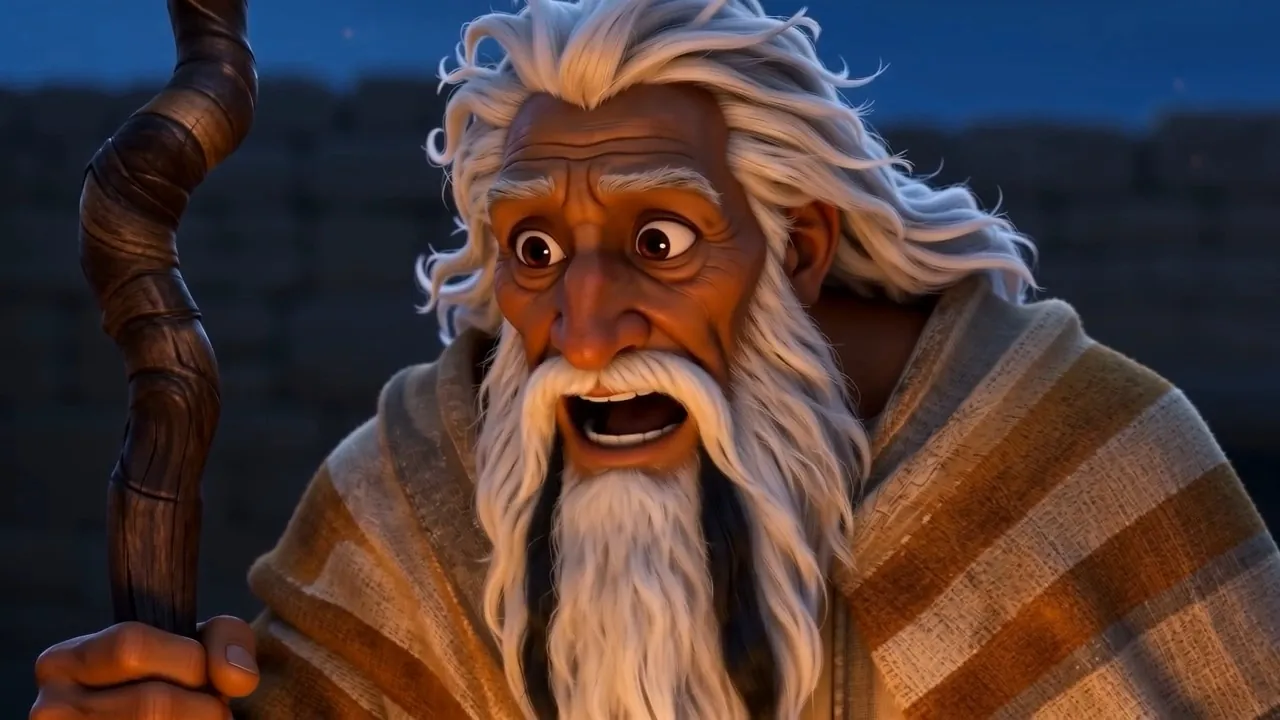
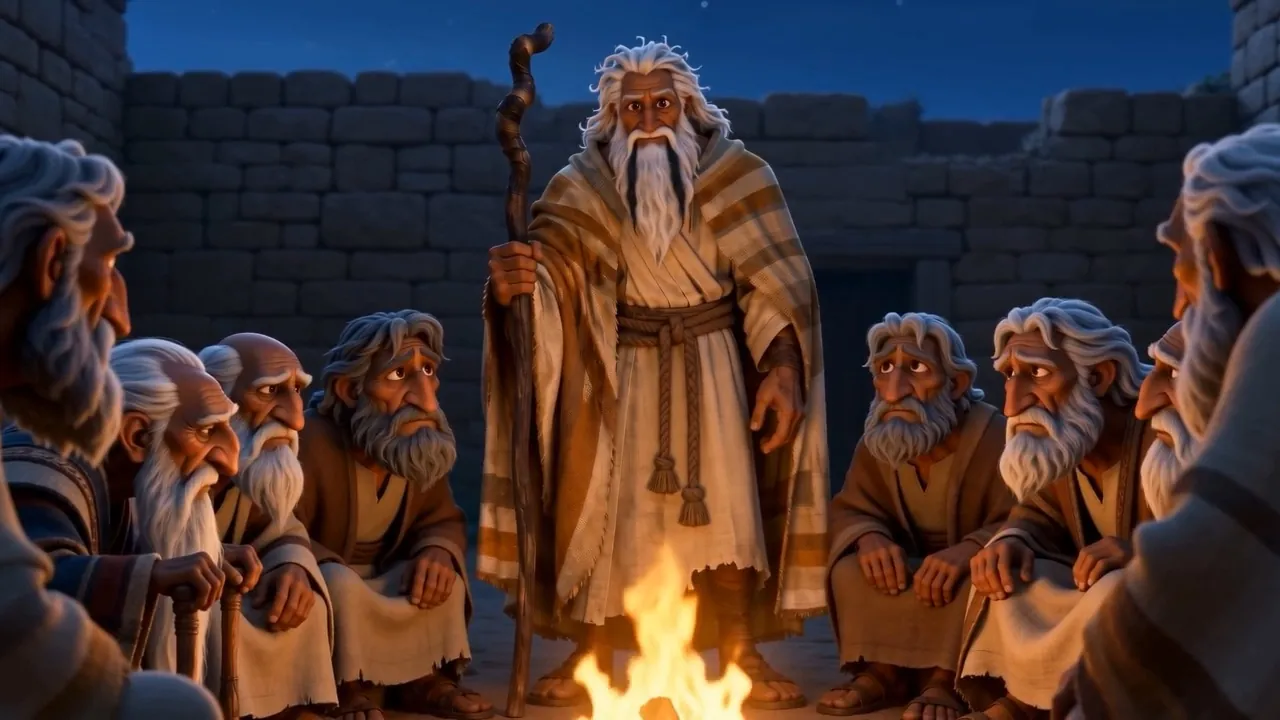
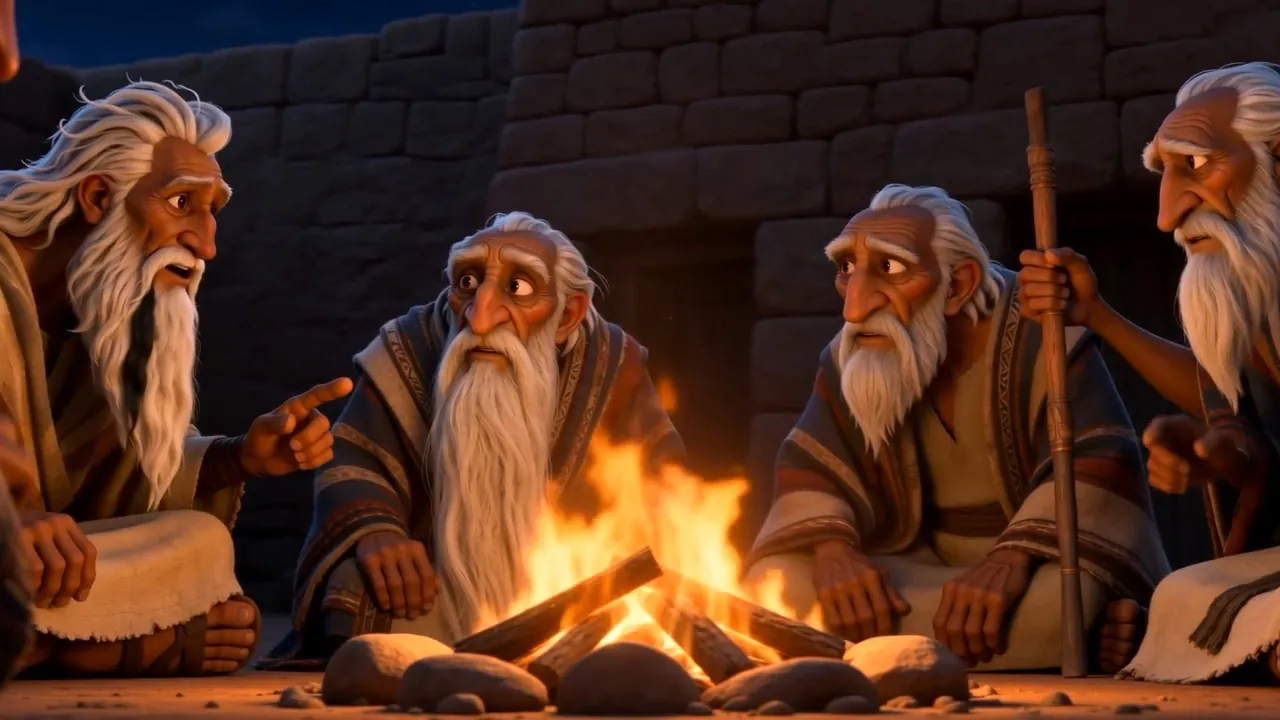
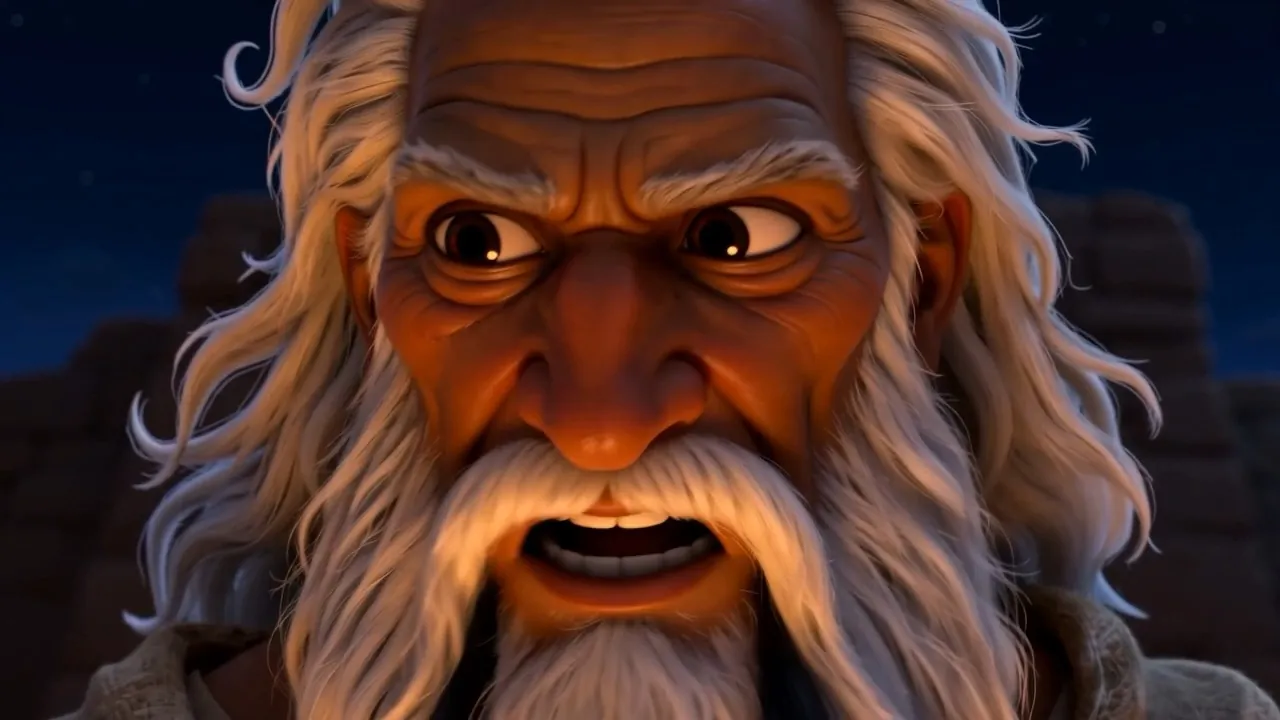
After nine plagues and nine refusals, the tenth is announced — and what Israel is given to prepare with is not a battle plan or a route. It is a recipe and a date. A lamb per household, roasted, eaten standing up, with the doorway marked. The way out of Egypt is going to be a door, and every family has to walk through their own. Exodus 12 : 1–6
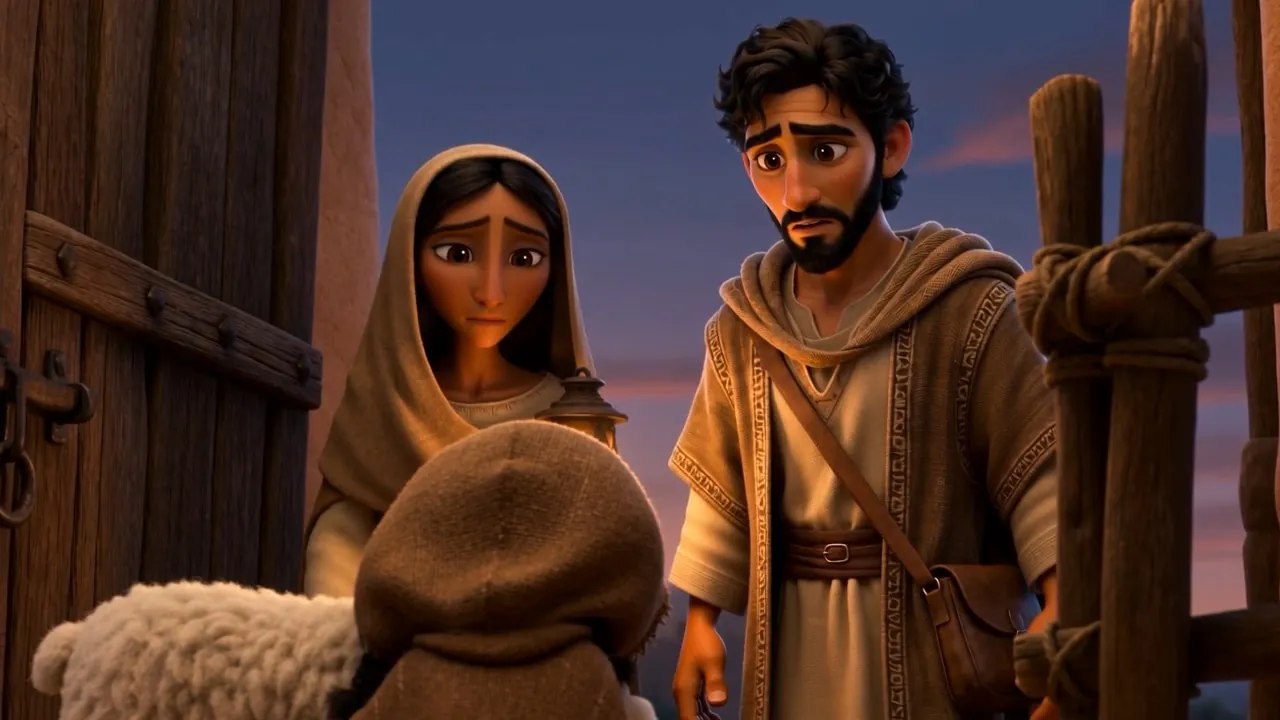
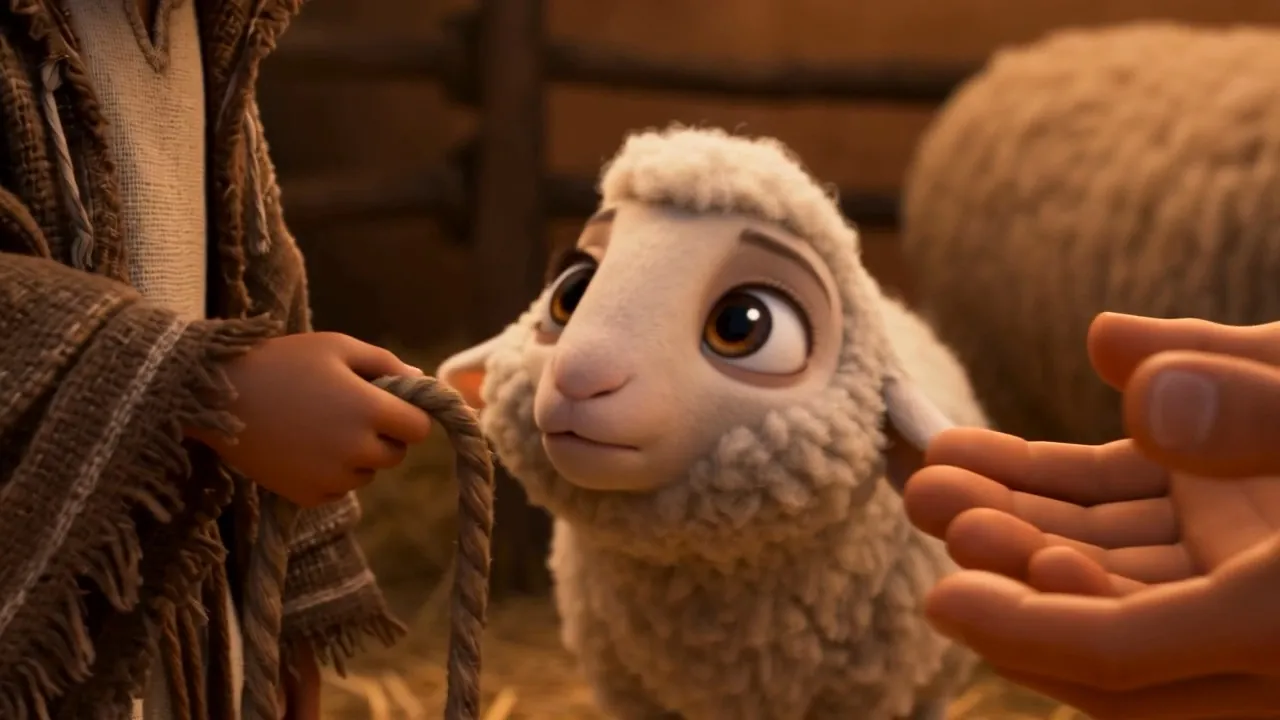
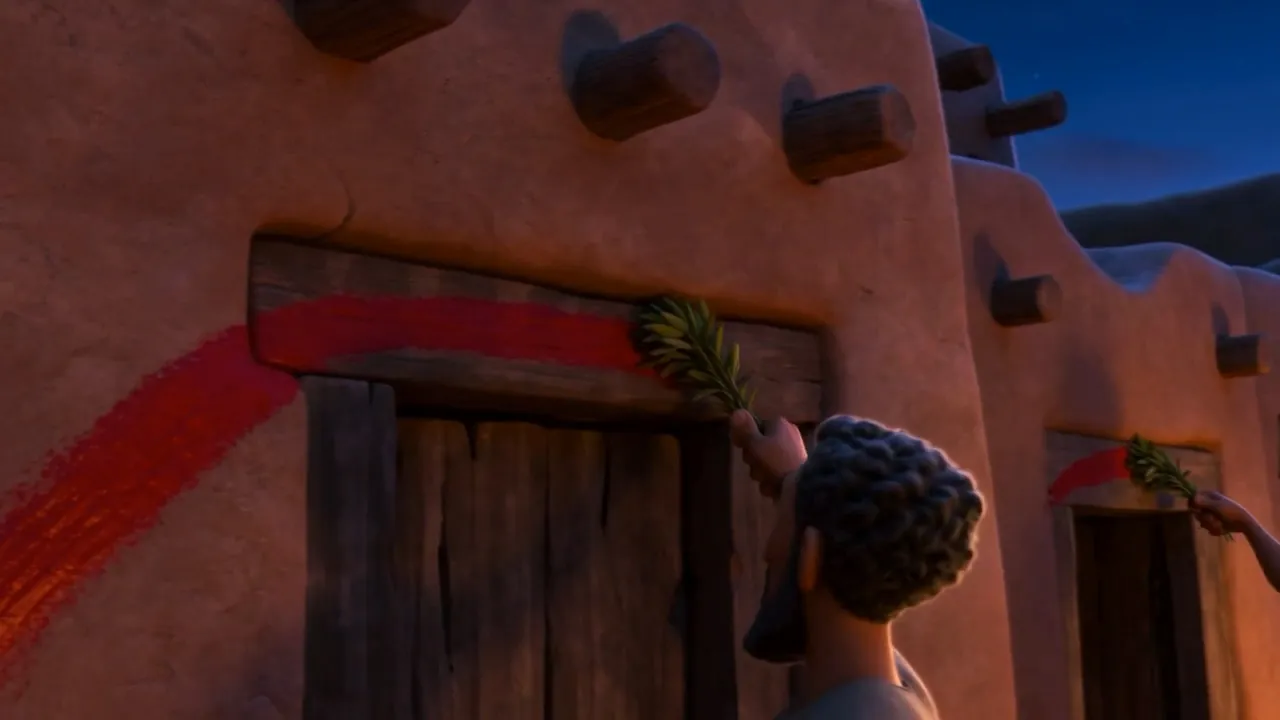
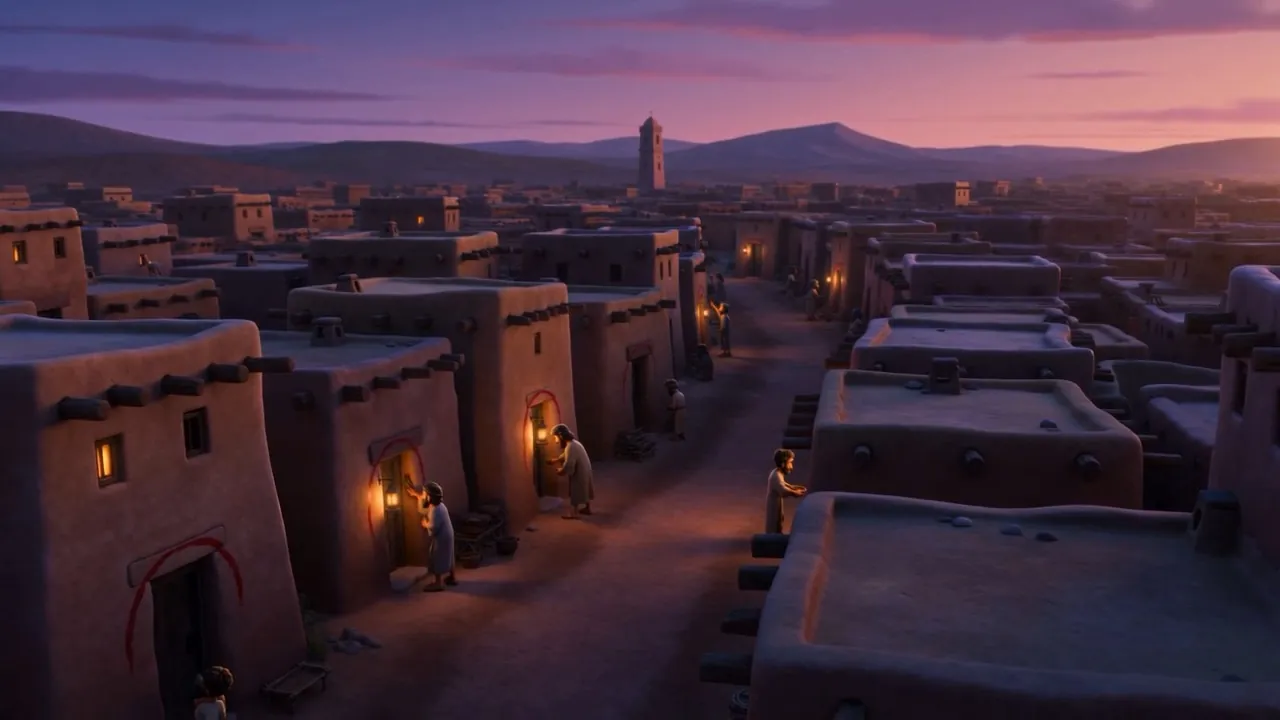
The lamb is chosen four days before — long enough, pointedly, for the children in the house to have named it. And then the mark goes up over the doorway, one door after another all down the street, until the whole quarter is signed. Nobody in Egypt has ever seen a street look like this, and nobody in Israel has ever done anything like it before. Exodus 12 : 3–7
Interlude · Your turn
Take the bunch of hyssop. Mark your own door.
Two doorposts and the lintel — every family had to sign its own house.
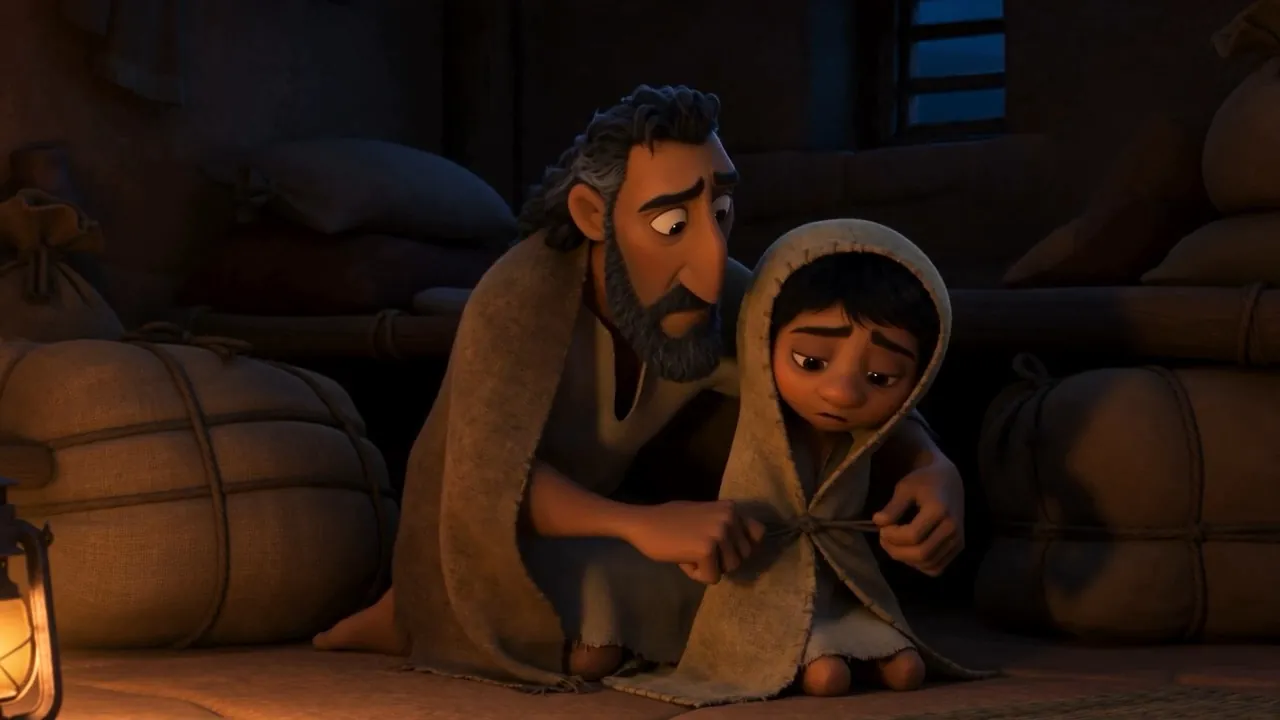
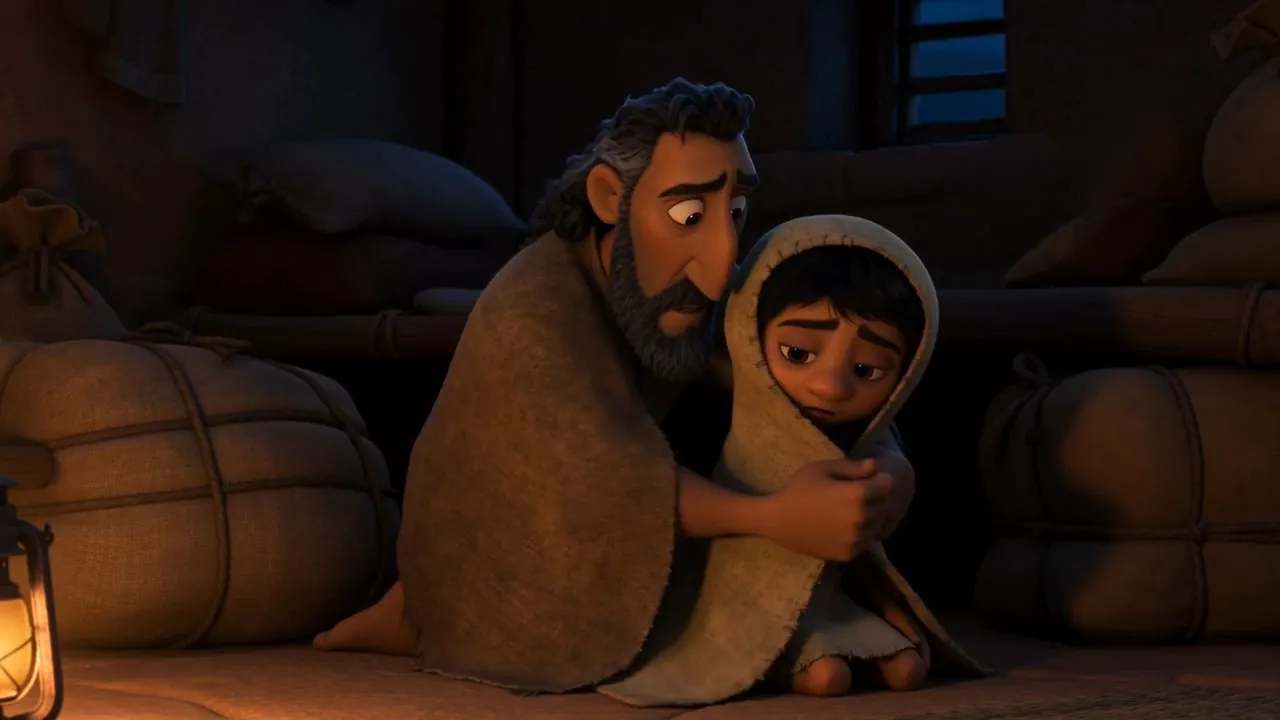
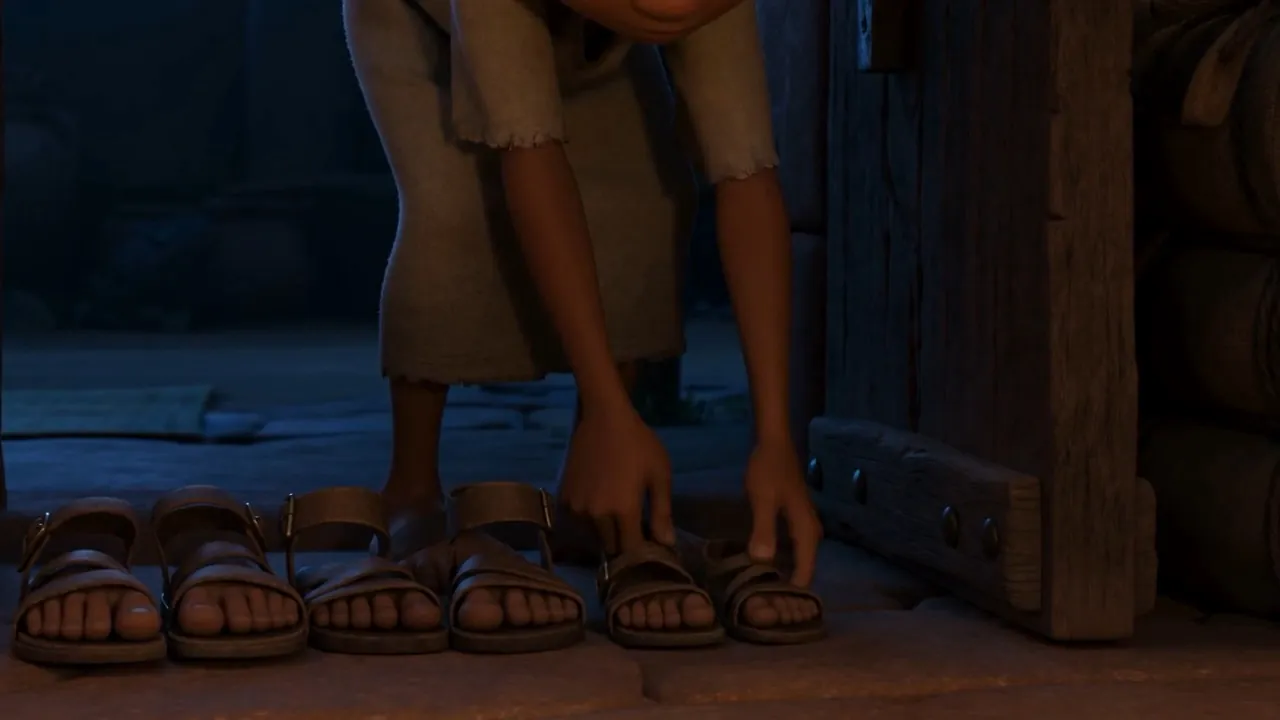
The bread goes onto the hot stones without yeast, because there will be no time for it to rise. And the detail that gives the night away is the row of sandals laid ready by the door. These are slaves. Slaves do not wear shoes indoors and slaves do not go anywhere. Somebody in that house believes, tonight, that they are about to walk out of the country. Exodus 12 : 8–11
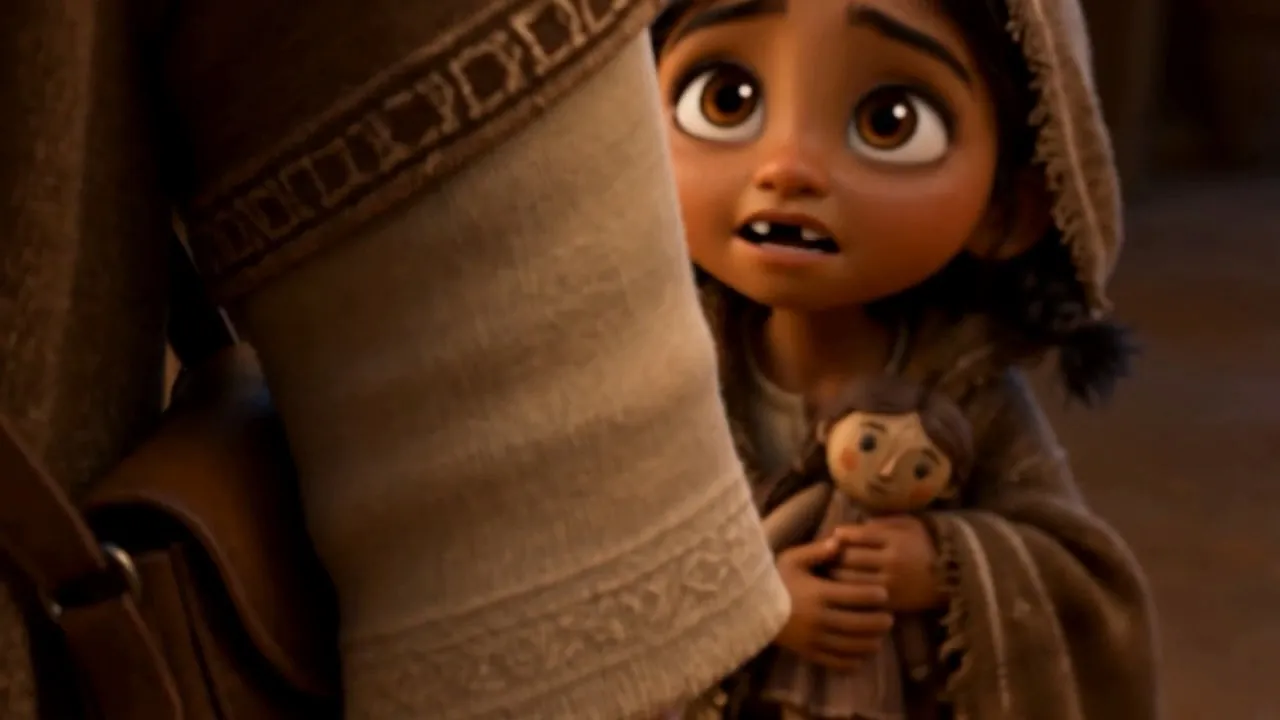
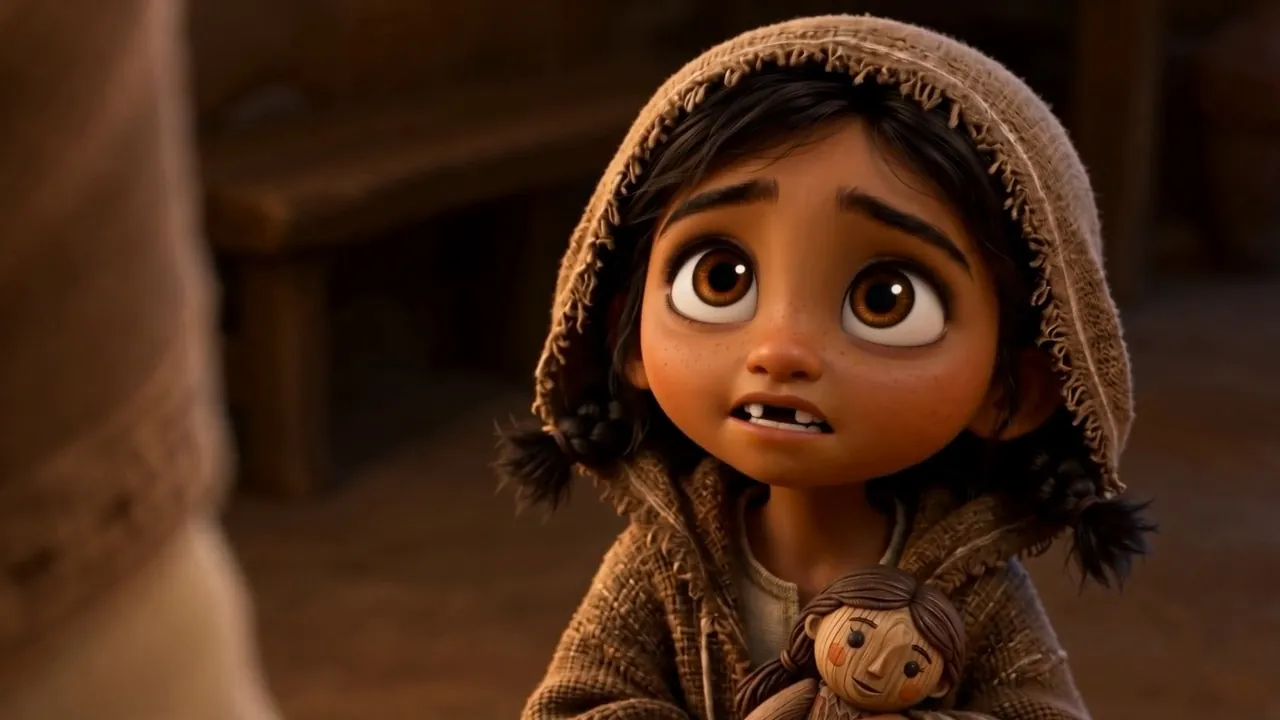
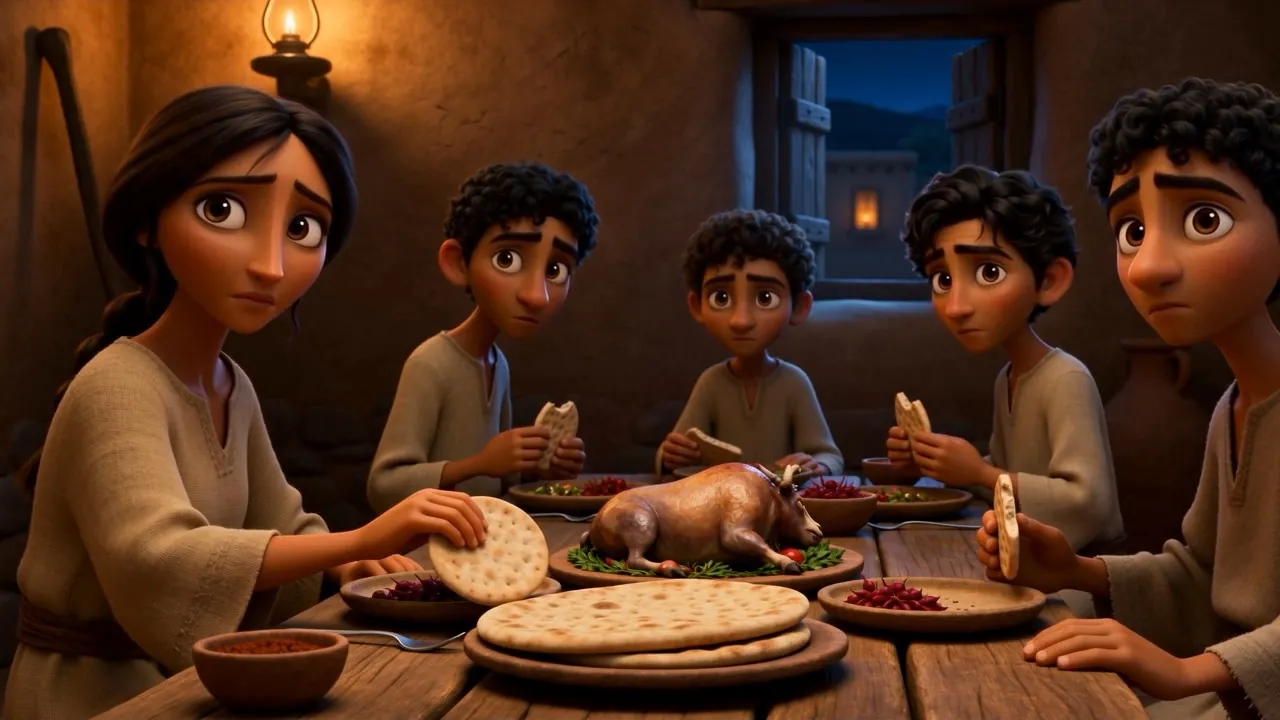
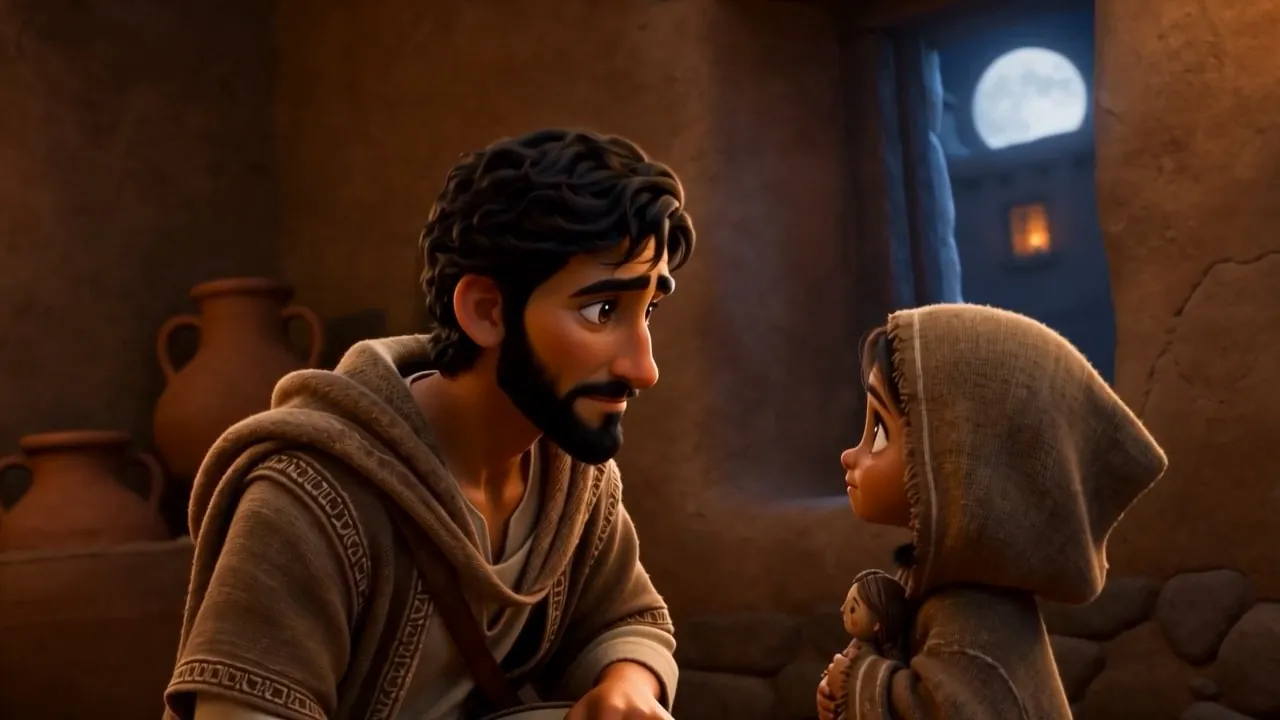
And then the question the whole institution of Passover was built to answer gets asked for the very first time, by a small girl with a doll, standing at the edge of the lamplight: Abba… why the blood on our door? Every year for the next three thousand years a child will ask a version of that question at a table like this one — and this is the night it was asked before anyone knew the answer. Exodus 12 : 26–27
When your children ask you, "What do you mean by this service?" you shall say, "It is the sacrifice of Yahweh's Passover."
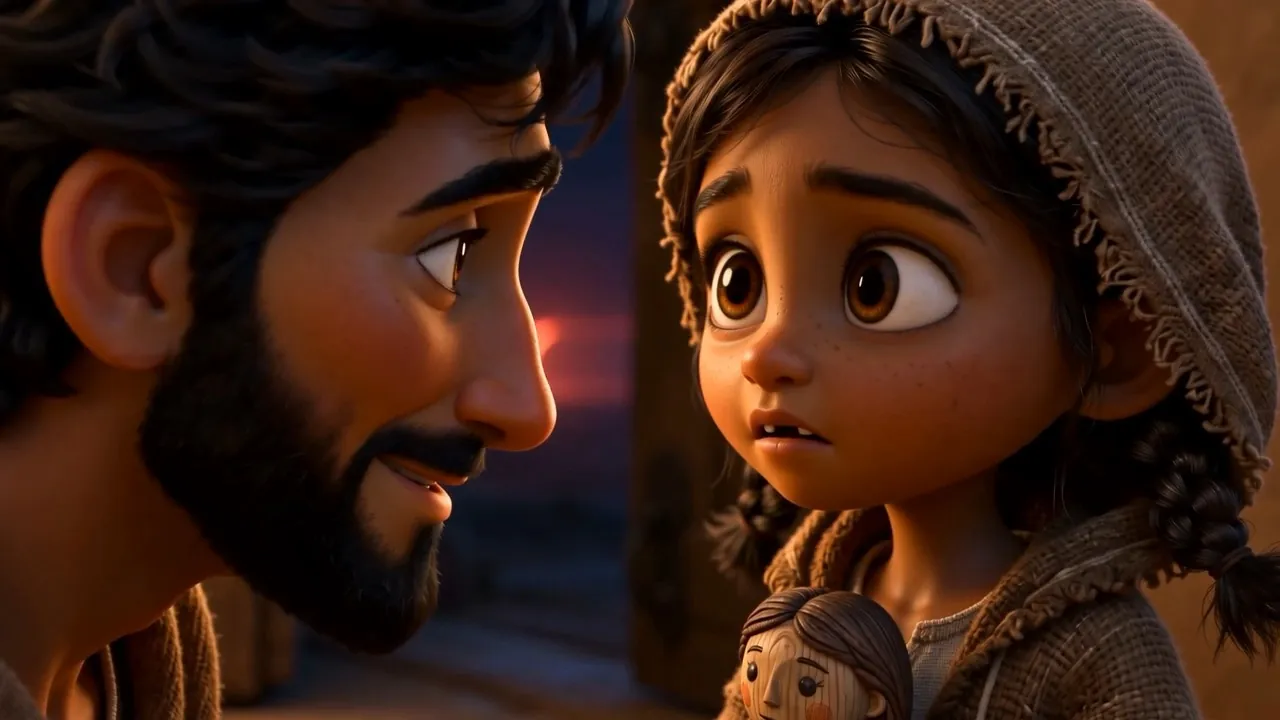
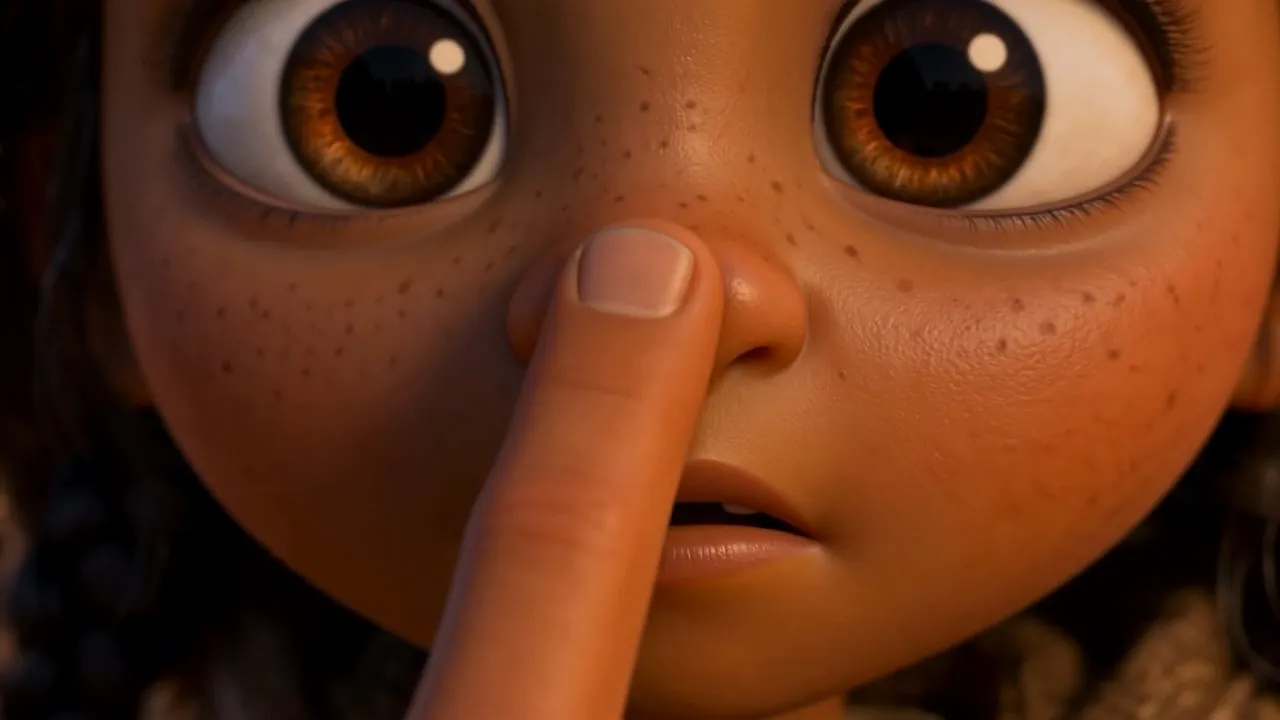
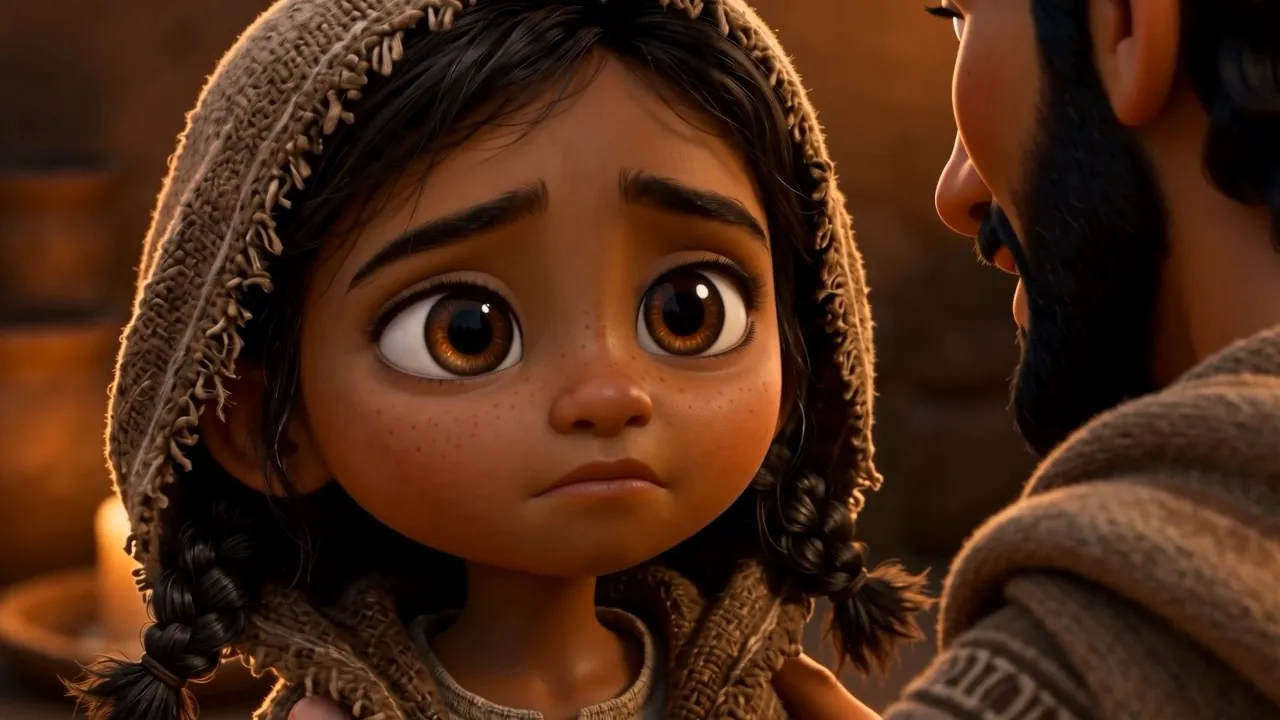
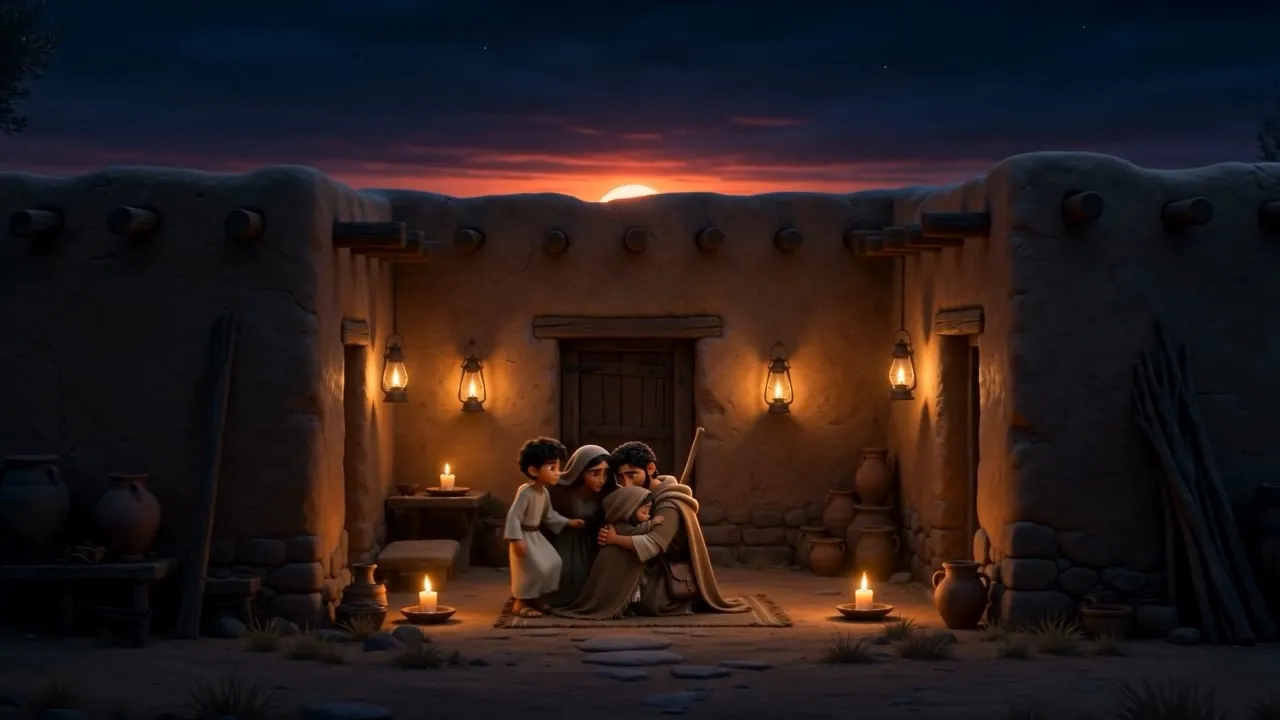
He gets down to her height, which is the correct posture for the sentence he is about to say, and tells her the truth in the smallest possible number of words: the lamb took our place. Something died so that this house would be passed over. And then the second half of the job — that one day she will be the one crouching down, explaining it to somebody smaller. Exodus 12 : 26–27
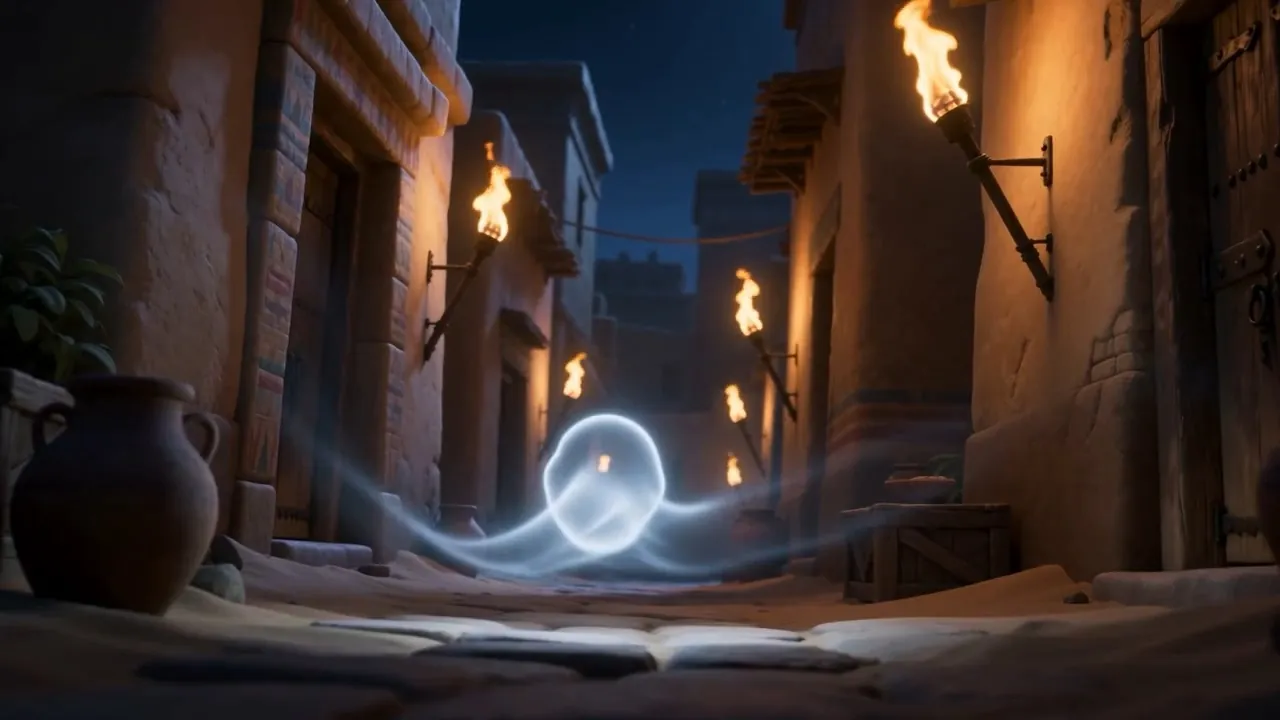
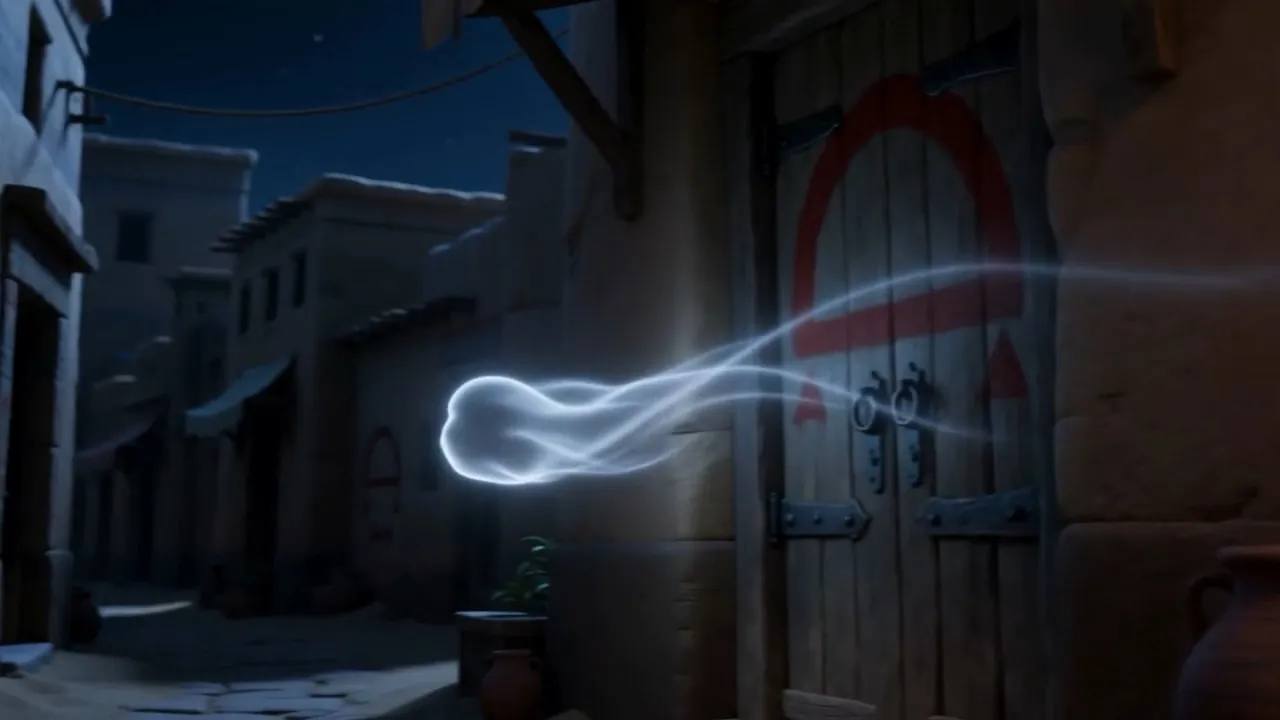
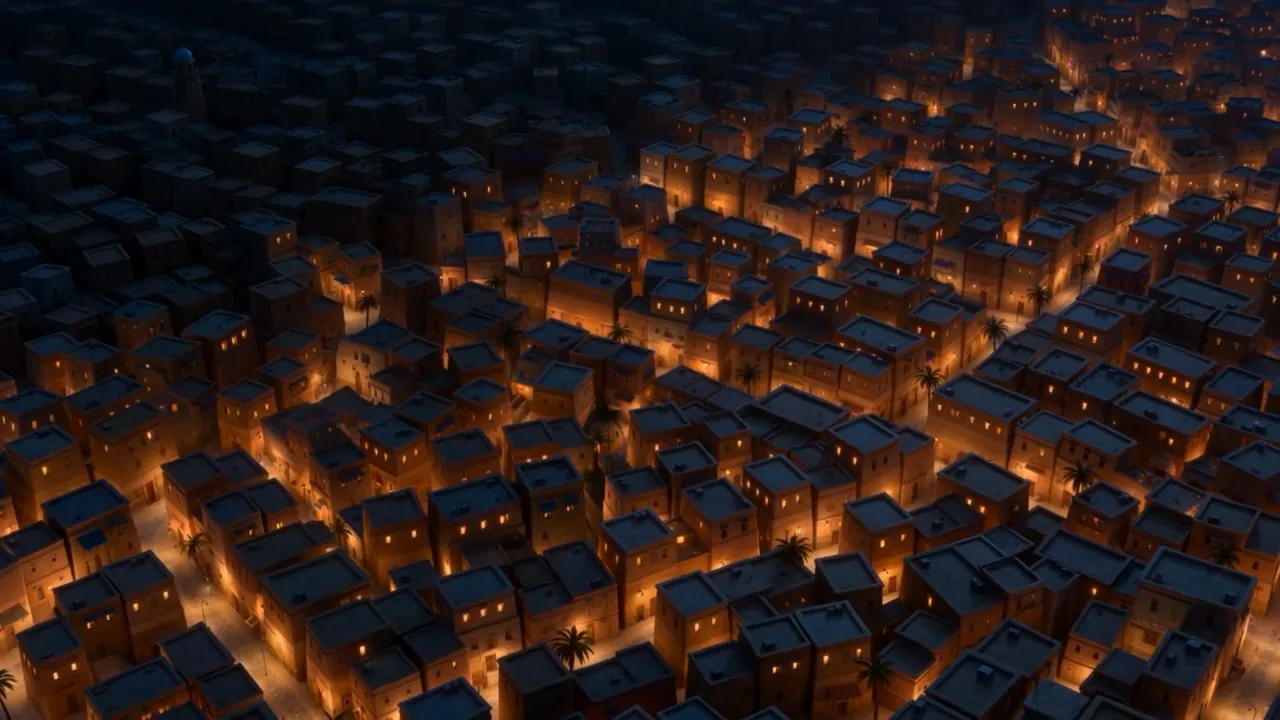
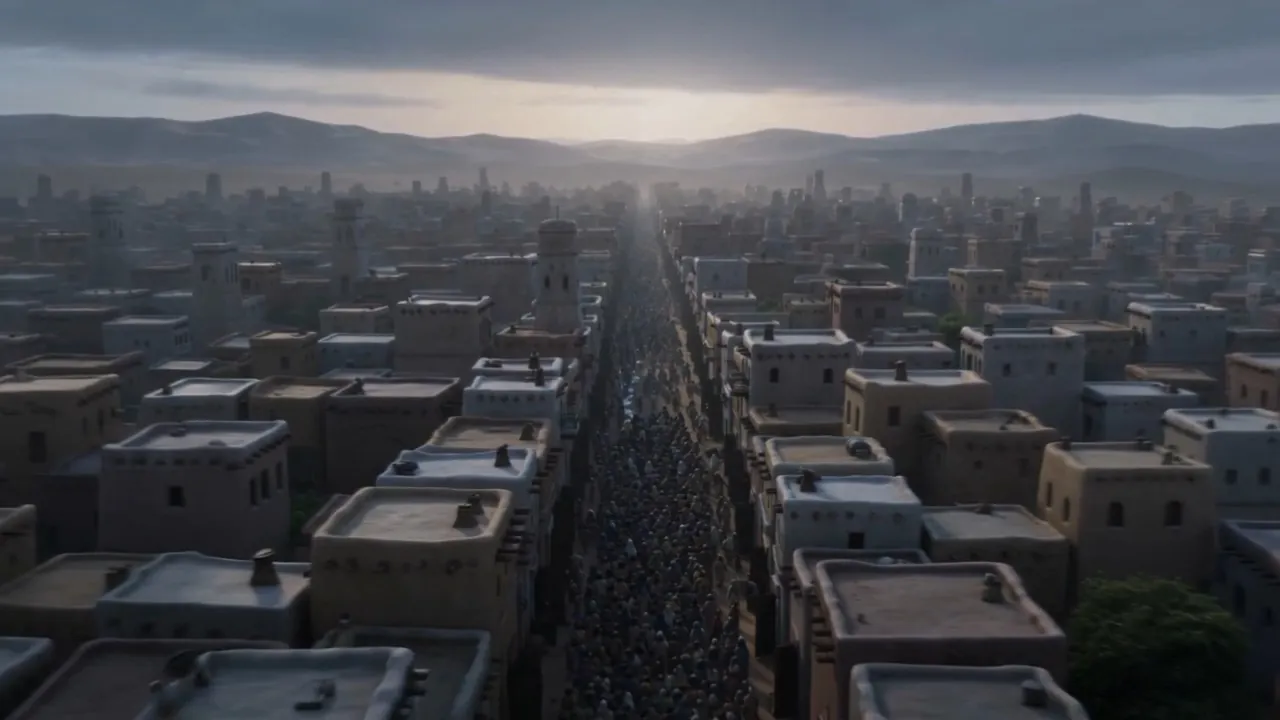
At midnight it happens, and we are shown none of it. No figure, no shadow crossing a threshold, nothing in a doorway. The sound simply stops, and the view pulls up and away until Egypt is a dark grid of rooftops under a full moon — and that is the whole of the tenth plague. It is the most restrained choice in the whole book, and worth more than anything it could have shown. Exodus 12 : 29
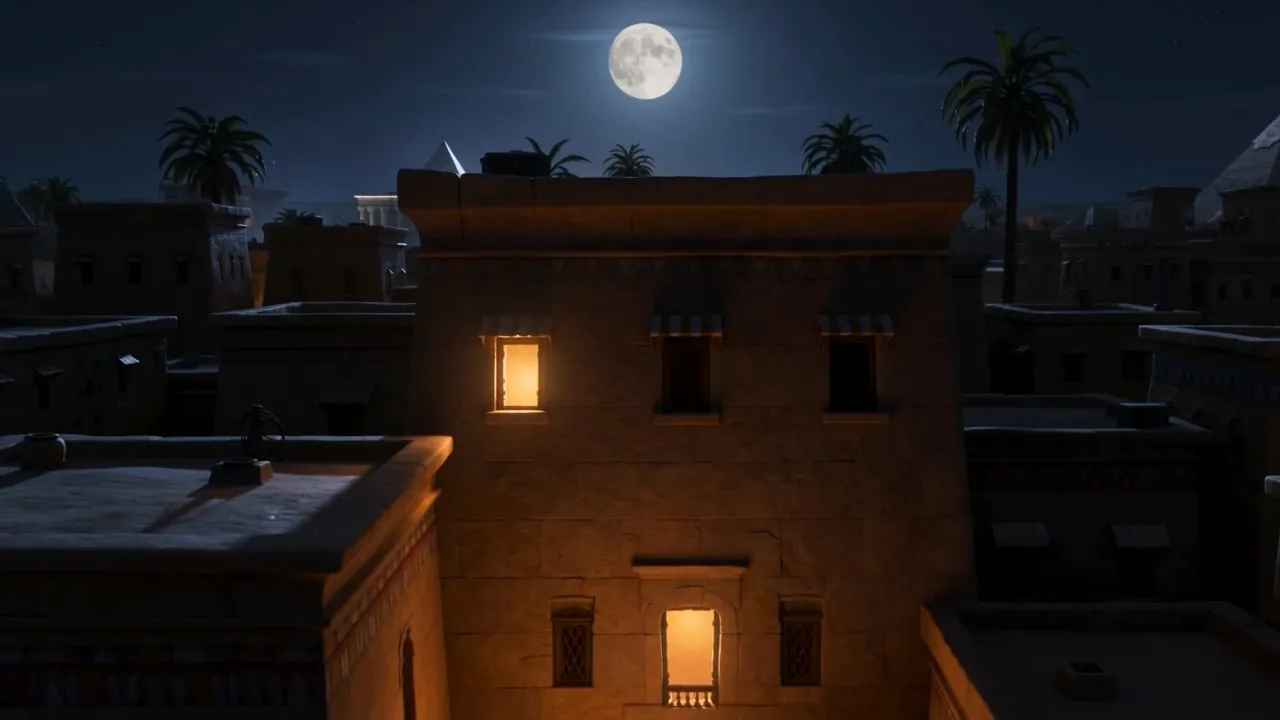
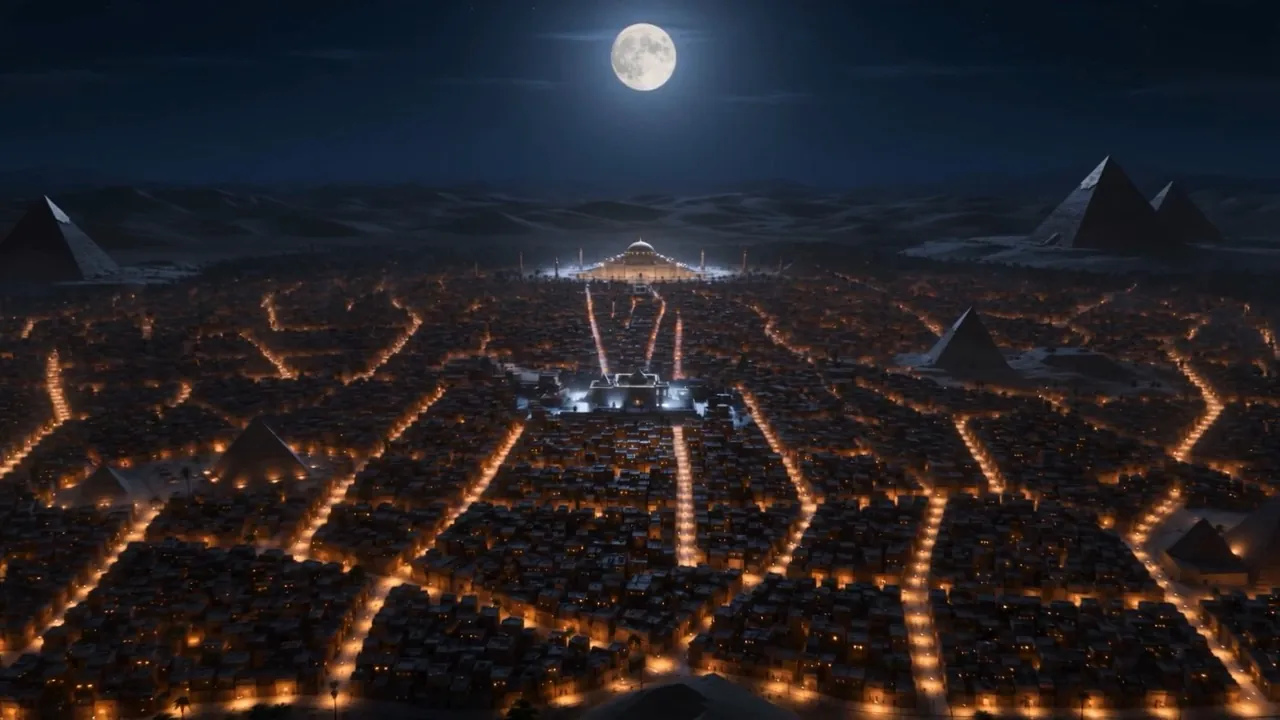
And then a light comes on. One window, somewhere down in the dark. Then another, further off. Then a street, then a district — until the whole city has drawn itself in lamplight, house by house, as people wake up and find out. There was not a house where there was not one dead. You never see a single one of them. You just watch the lights come on, and understand. Exodus 12 : 30
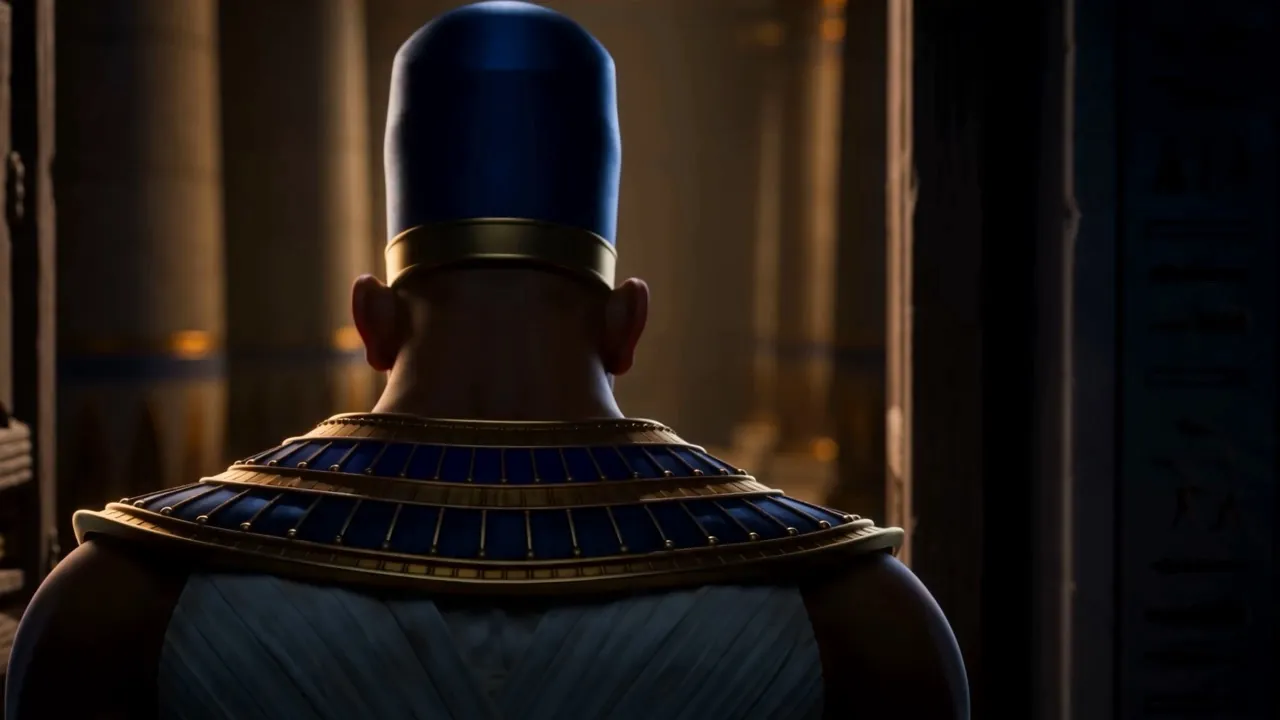
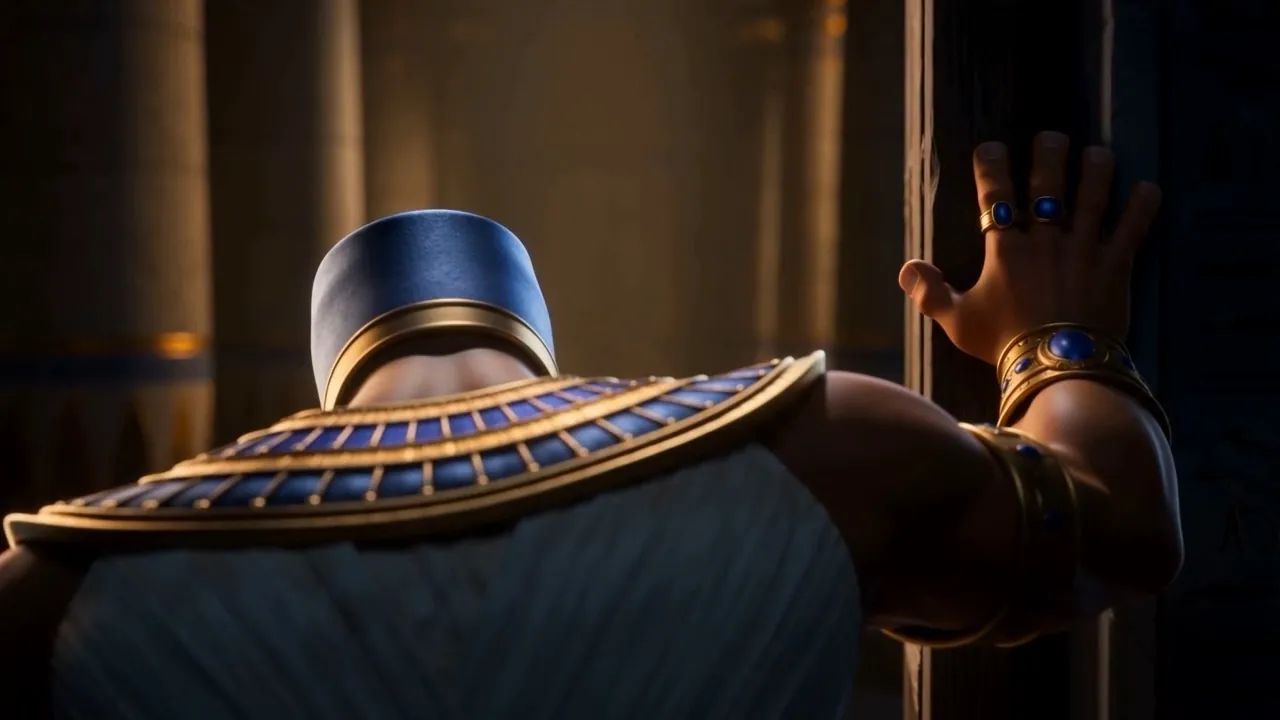
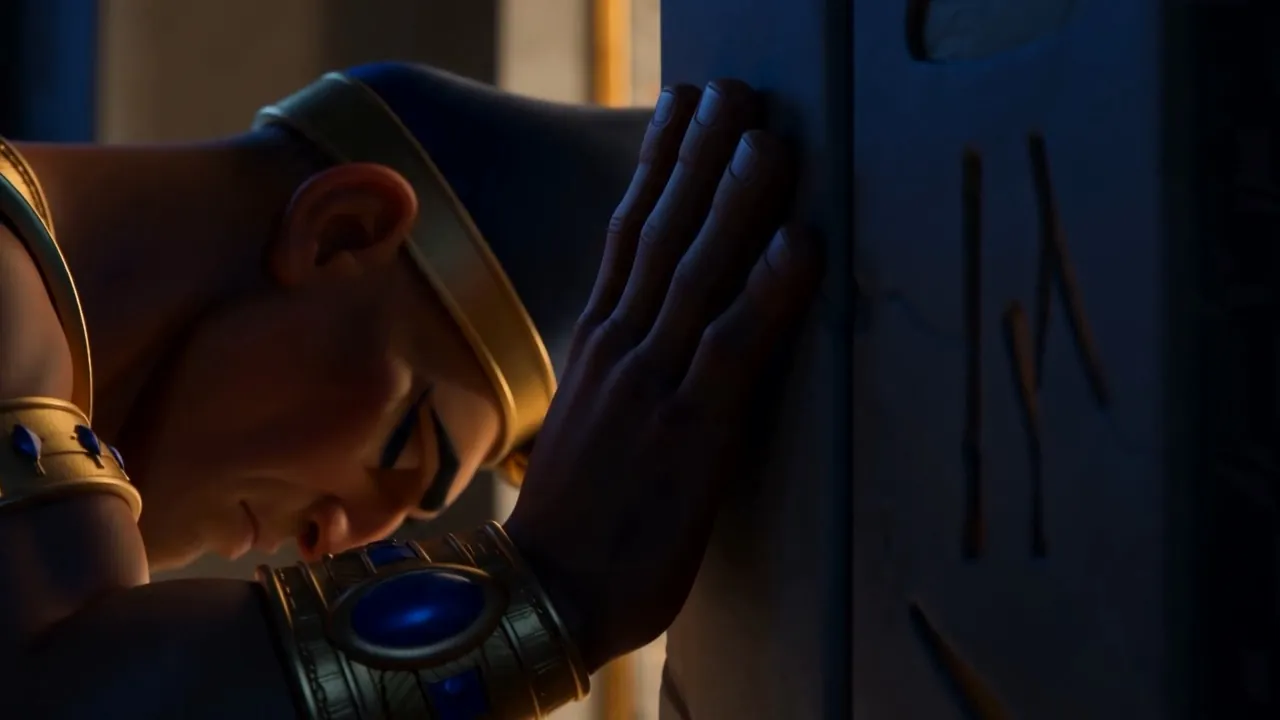
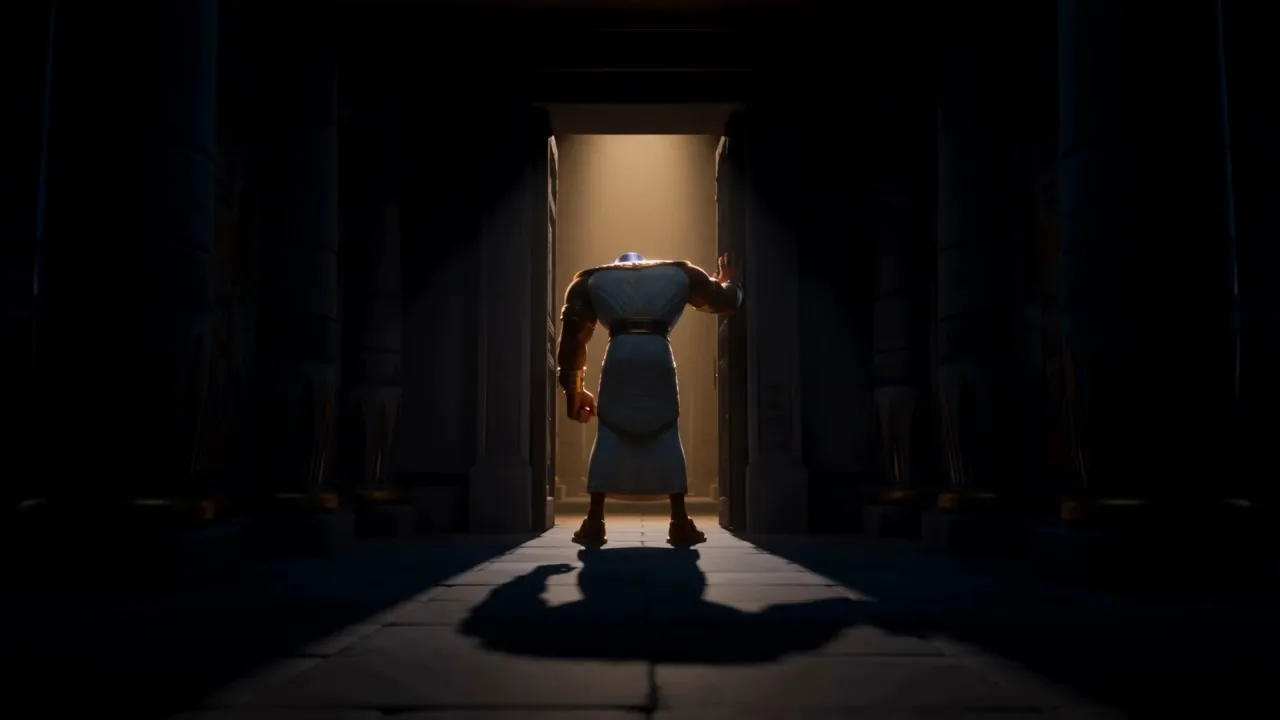
And Pharaoh — who has been a god, a wall, and an argument for nine chapters — is alone in an enormous empty hall, walking away from us, and then in close-up with one hand over his own face. That is all. No child in the frame. He is not turned into a monster at the exact moment it would be easiest. He is shown as a father. Exodus 12 : 29–30
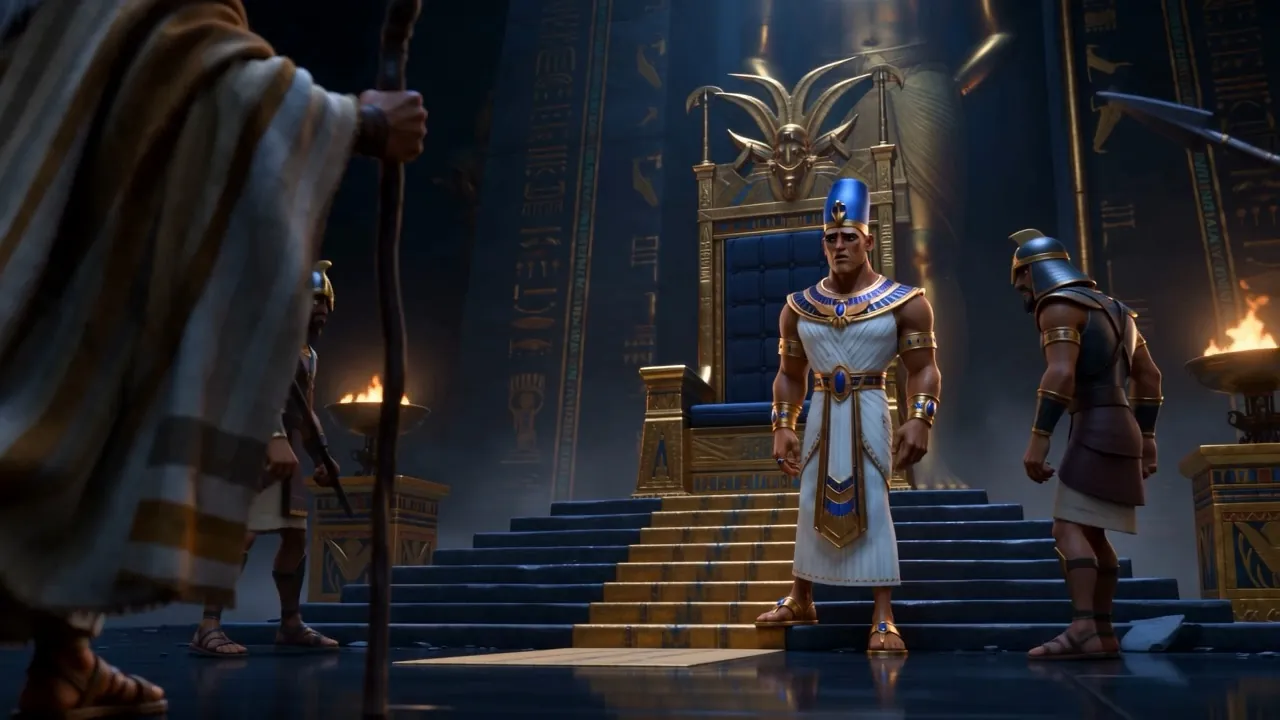
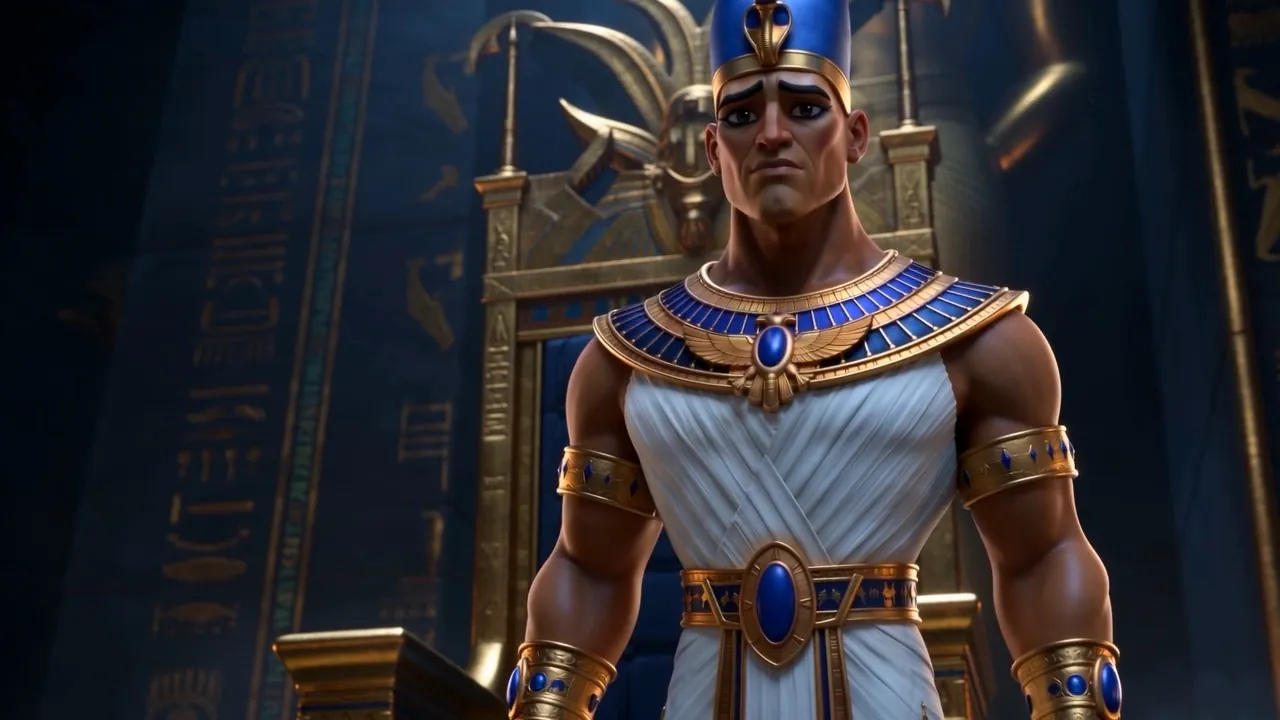
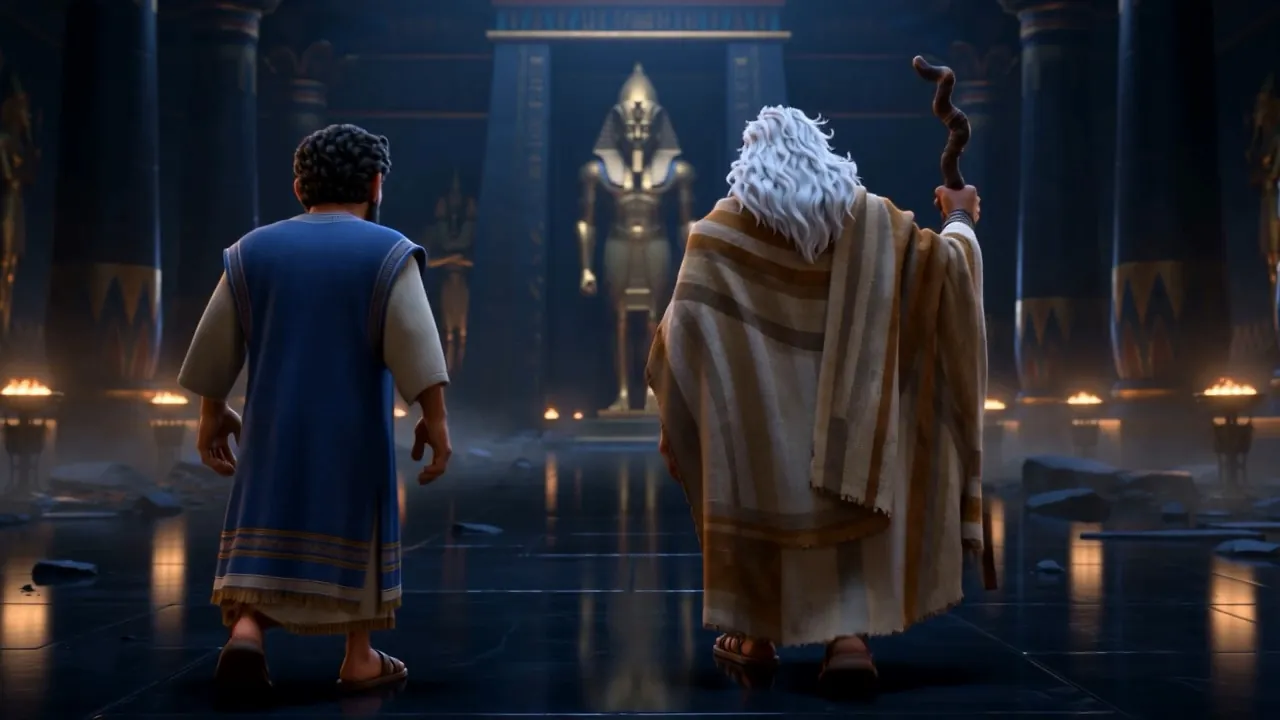
He sends for Moses and Aaron before it is light and gives them everything they asked for and more — go, take the flocks, take the herds, take all of it, get out. And then, at the very end of the sentence, from the man who opened this whole argument by asking who is the LORD, that I should obey his voice?, comes four words nobody expects: and bless me also. Exodus 12 : 31–32
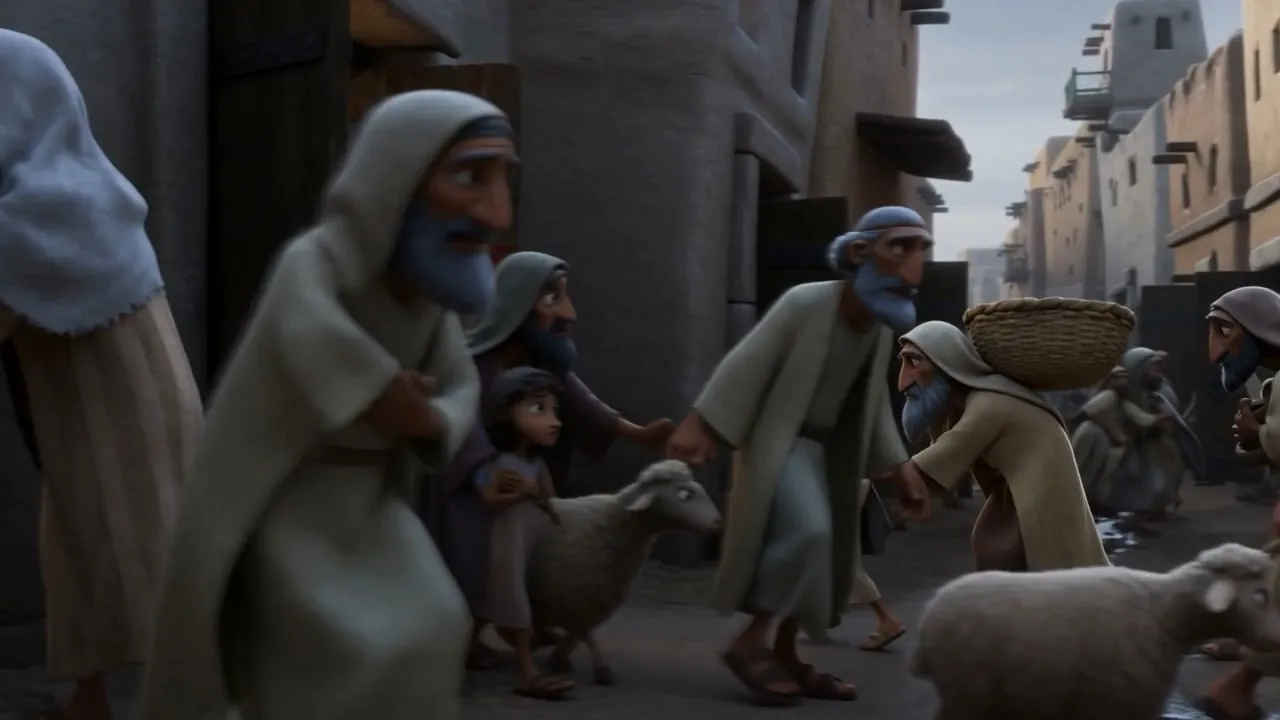
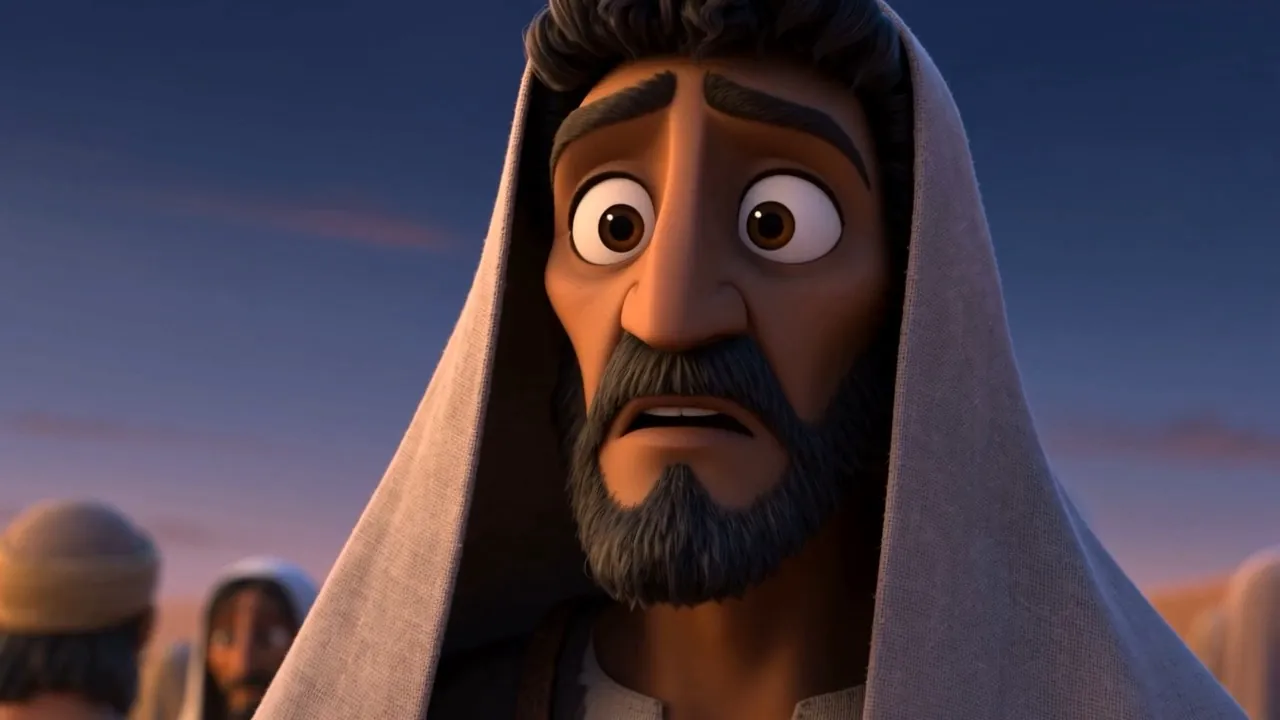
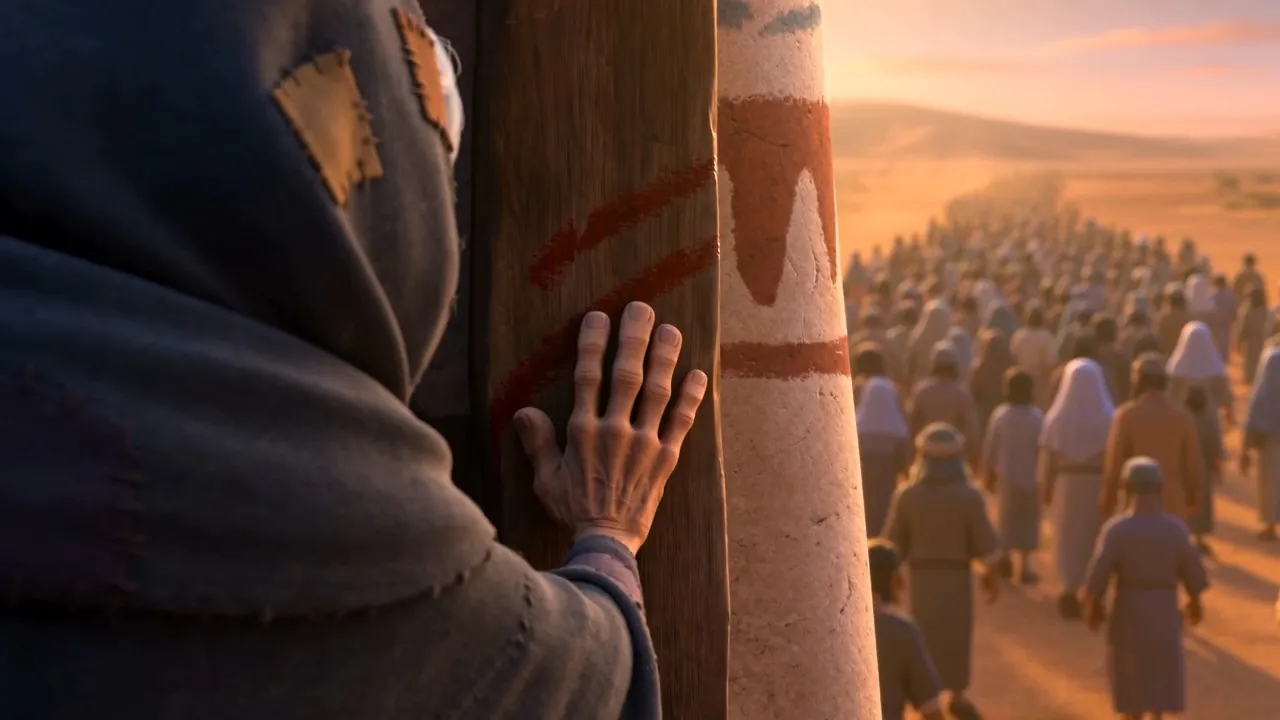
By morning the road out is full, and it is not a scramble. It is a procession — six hundred thousand on foot besides the children, with their kneading bowls still wrapped in their cloaks. And at the doorways, Egyptians are pressing silver and gold and clothing into their hands as they pass, urging them to hurry, because the whole country now wants them gone and safe. They do not slip out. They are seen off. Exodus 12 : 33–36
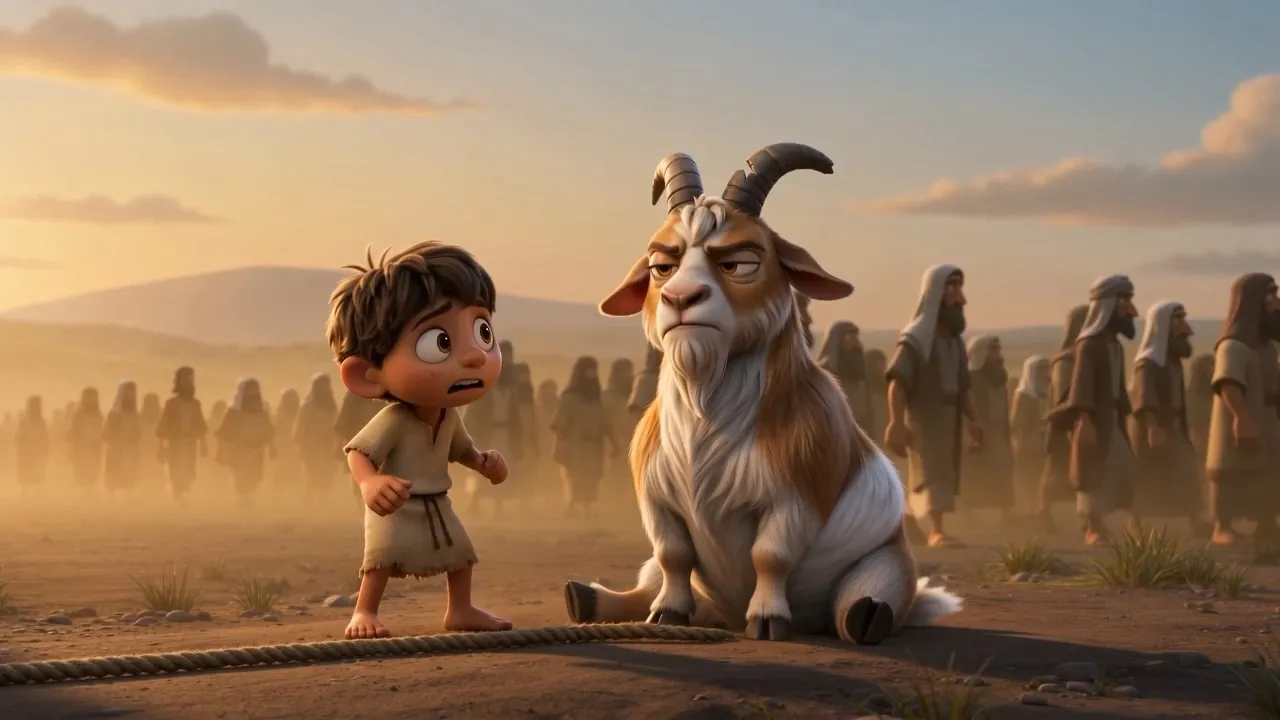
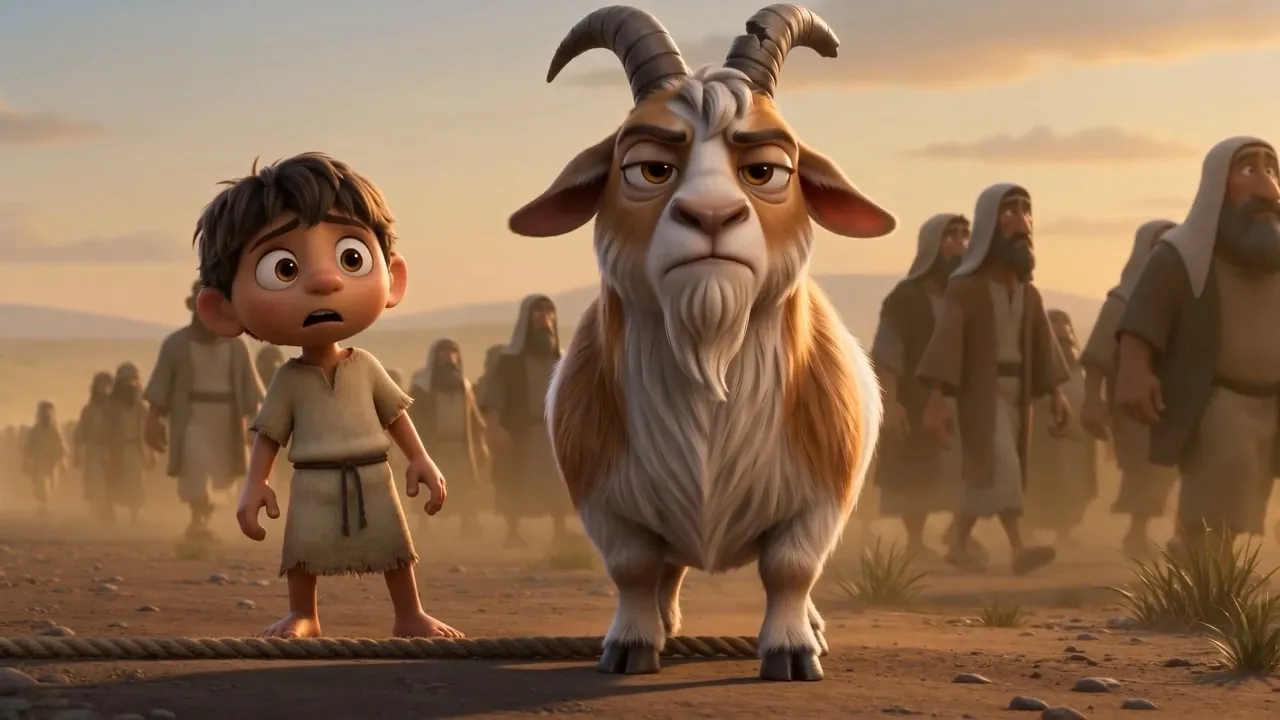
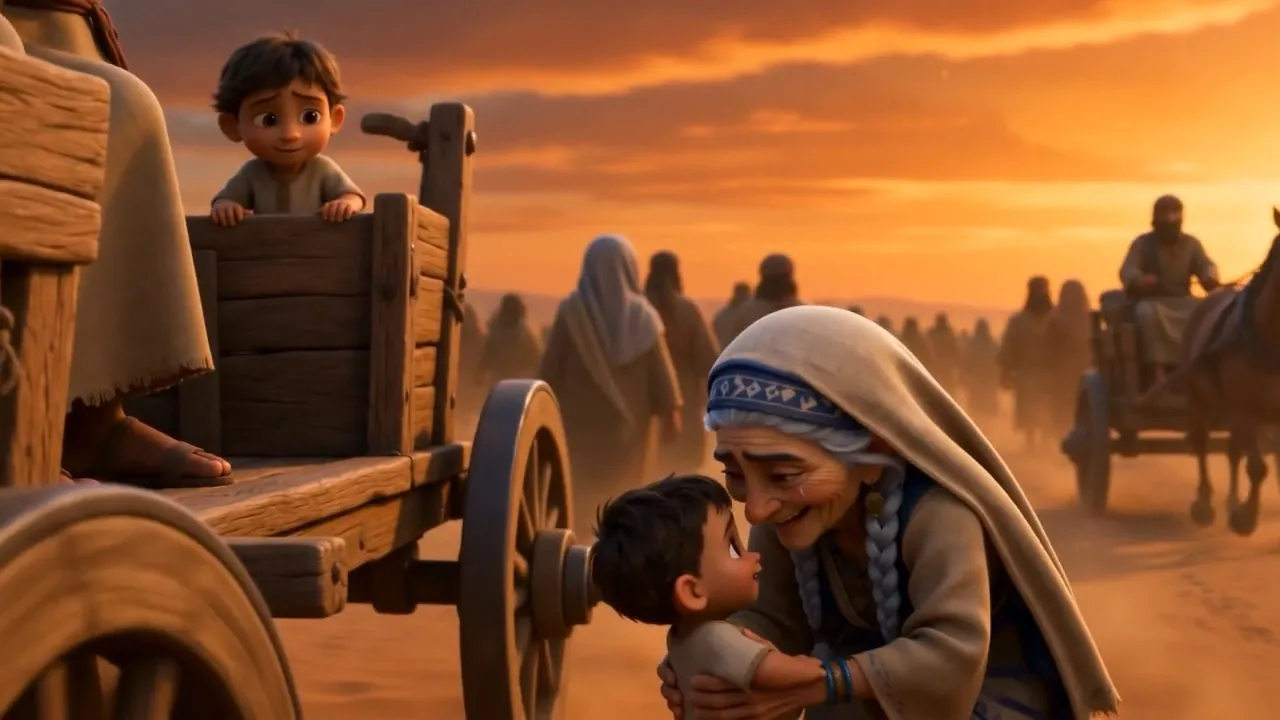
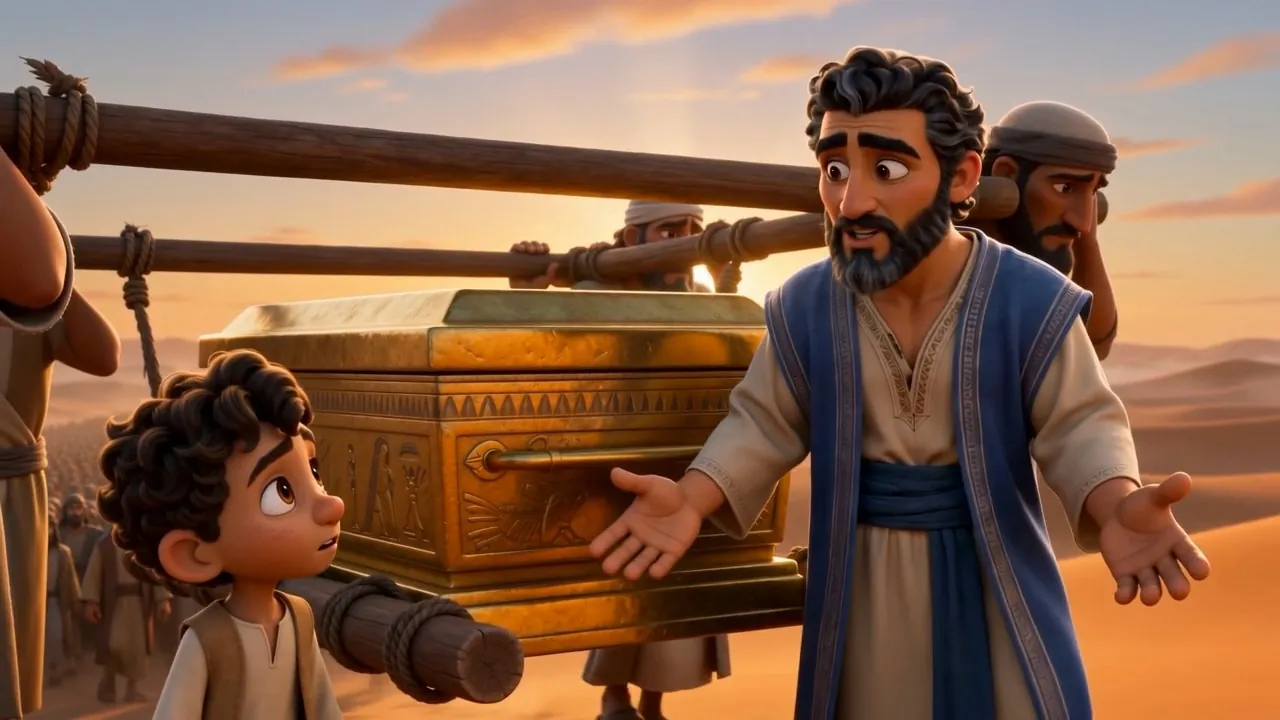
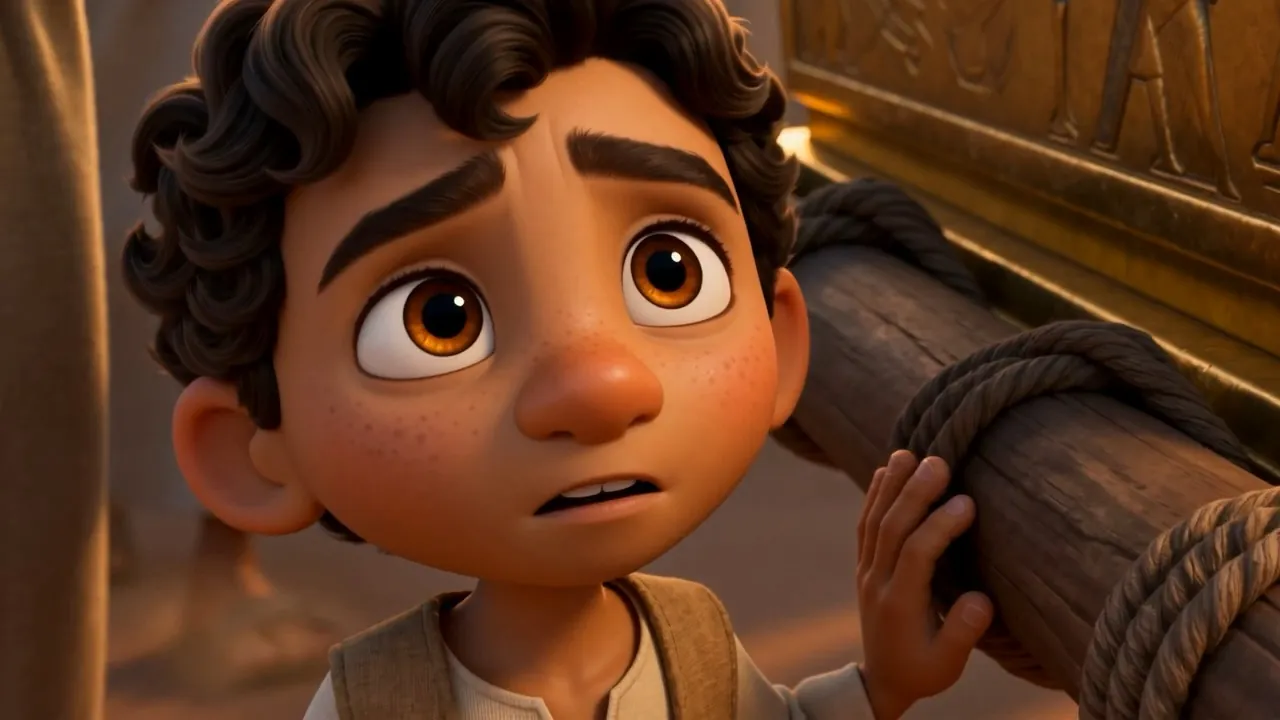
Not everyone is thrilled. Some walk out of four hundred years of slavery complaining about the arrangements, which is very human and is not edited out. Miriam goes at ninety, leaving the only country she has ever seen. And somewhere in the column four men are carrying a coffin — Joseph made his family swear, four centuries earlier, that they would not leave him behind. Exodus 13 : 19
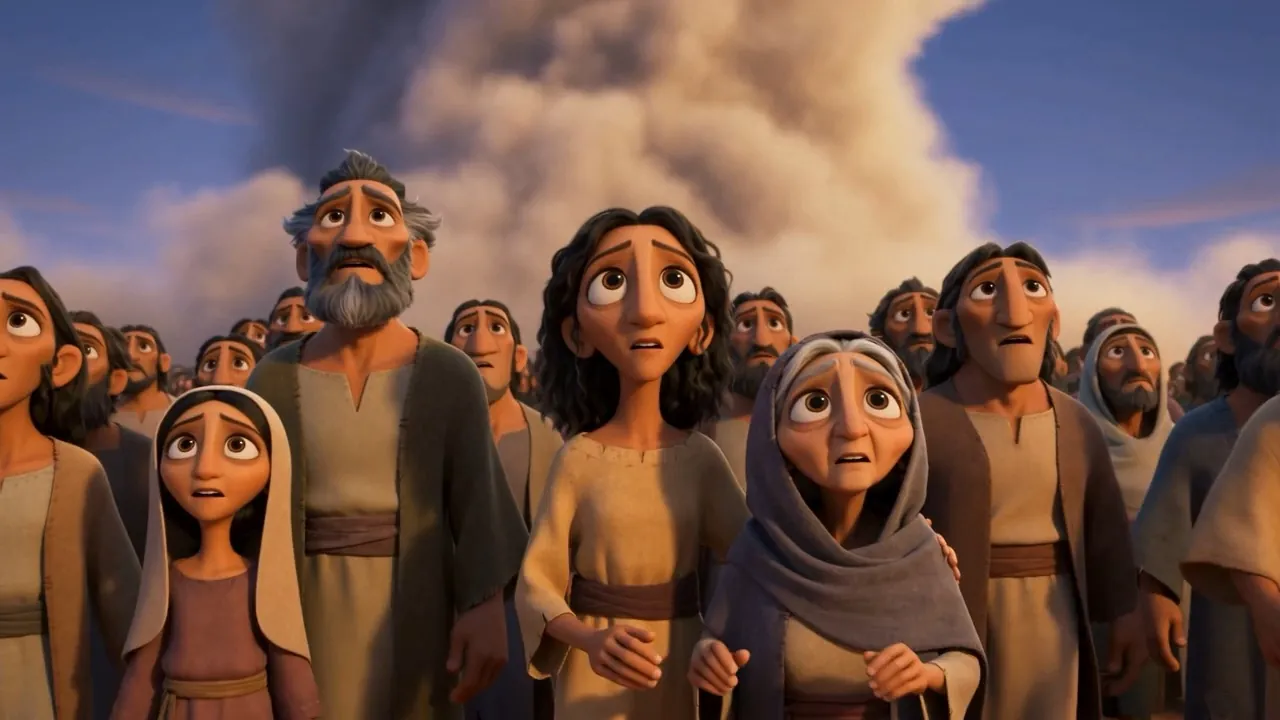
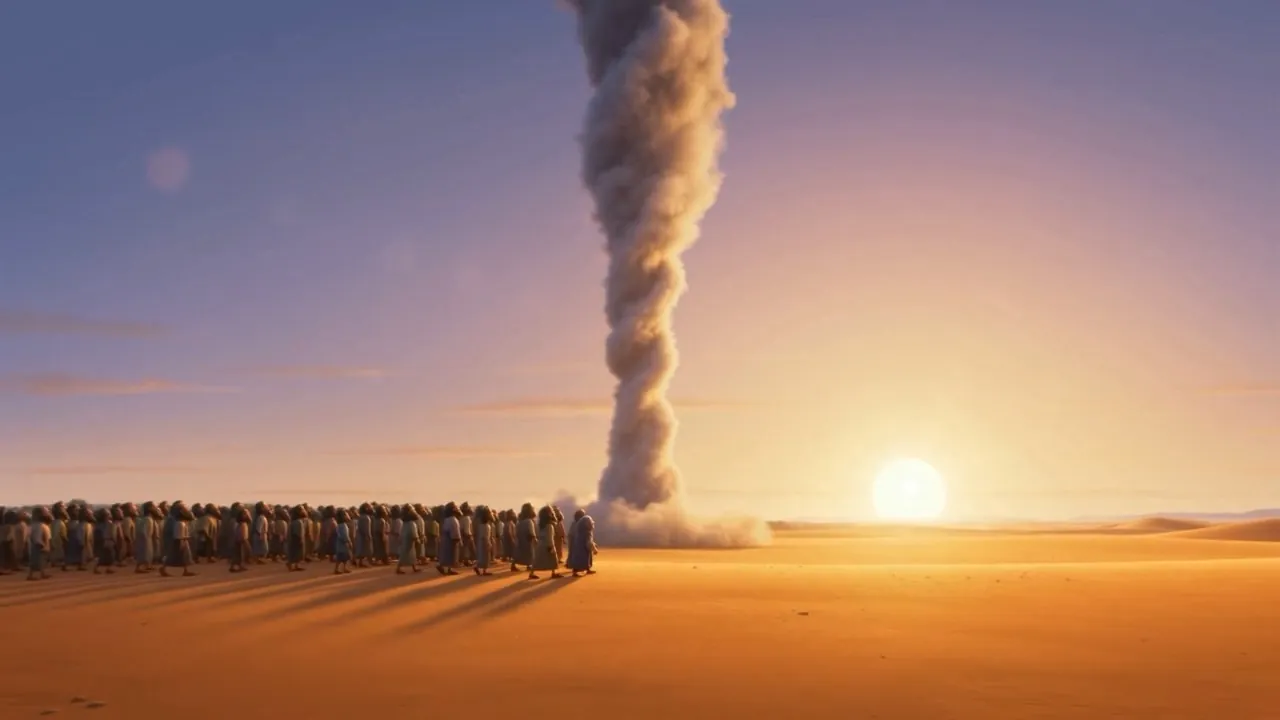
And then the thing that makes the rest of the book possible: out in front of the column, a pillar — cloud while the sun is up, fire once it is dark — that moves when they move and stops when they stop. He does not hand them a map and wish them well. He goes in front, at walking pace, where the slowest person in the line can see him. Exodus 13 : 21–22
Yahweh went before them by day in a pillar of cloud, and by night in a pillar of fire.
After the story
You never see it happen. You watch the lights come on.
The tenth plague is the hardest thing in Exodus to tell without either flinching from it or wallowing in it — and scripture itself does neither. Midnight comes, and a great cry goes up in Egypt; the story keeps its distance: a sleeping city, one lamp coming on, and another, and a street, until the whole of Egypt is awake in lit windows. Nothing more is described. Nothing more needs to be. And Pharaoh, in the end, is not a monster but a man alone in an empty hall with his hand over his face — who finishes the sentence that finally lets Israel go by asking to be blessed as well.
Voices of the night · hover or tap to turn
The Child
"What do you mean by this service?"
— Exodus 12:26
Pharaoh
"Rise up, get out from among my people… serve Yahweh, as you have said… and bless me also!"
— Exodus 12:31–32
Yahweh
"When I see the blood, I will pass over you, and there shall no plague be on you…"
— Exodus 12:13The Book of Exodus
How closely were you watching?
1. What are the Israelites told to prepare?
Exodus 12:1–11. Not a battle plan — a recipe and a date, eaten standing up with sandals on.
2. Why is the bread made without yeast?
Exodus 12:34. They bake it flat because they are leaving before it could prove — a detail that becomes a festival.
3. How is the tenth plague shown?
The camera pulls up and holds while the city draws itself in lit windows, house by house. Nothing else is needed.
4. What does Pharaoh add at the end of releasing them?
Exodus 12:32 — from the man who opened the argument by asking who the LORD was that he should obey him.
What this story teaches
Substitution, explained to a child.
The whole meaning of the night is delivered by a father crouching to his daughter's height and saying four words: the lamb took our place. It was never meant to be complicated.
"It is the sacrifice of Yahweh's Passover… when he struck the Egyptians, and spared our houses." Exodus 12:27Faith looks like packed sandals.
Slaves do not wear shoes indoors and slaves do not go anywhere. The row of sandals by the door is the household betting everything on a promise that has not happened yet.
"Your shoes on your feet, and your staff in your hand; and you shall eat it in haste." Exodus 12:11They did not slip out — they were sent.
Egyptians pressed silver and clothing into their hands at the doorways and urged them to hurry. And Pharaoh, who began by asking who the LORD was, ended by asking to be blessed.
"The Egyptians were urgent with the people, to send them out of the land in haste." Exodus 12:33Read the scripture itself. Exodus 12–13 · World English Bible
Exodus 12
1Yahweh spoke to Moses and Aaron in the land of Egypt, saying,
2“This month shall be to you the beginning of months. It shall be the first month of the year to you.
3Speak to all the congregation of Israel, saying, ‘On the tenth day of this month, they shall take to them every man a lamb, according to their fathers’ houses, a lamb for a household;
4and if the household is too little for a lamb, then he and his neighbor next to his house shall take one according to the number of the souls; according to what everyone can eat you shall make your count for the lamb.
5Your lamb shall be without defect, a male a year old. You shall take it from the sheep, or from the goats:
6and you shall keep it until the fourteenth day of the same month; and the whole assembly of the congregation of Israel shall kill it at evening.
7They shall take some of the blood, and put it on the two door posts and on the lintel, on the houses in which they shall eat it.
8They shall eat the meat in that night, roasted with fire, and unleavened bread. They shall eat it with bitter herbs.
9Don’t eat it raw, nor boiled at all with water, but roasted with fire; with its head, its legs and its inner parts.
10You shall let nothing of it remain until the morning; but that which remains of it until the morning you shall burn with fire.
11This is how you shall eat it: with your belt on your waist, your shoes on your feet, and your staff in your hand; and you shall eat it in haste: it is Yahweh’s Passover.
12For I will go through the land of Egypt in that night, and will strike all the firstborn in the land of Egypt, both man and animal. Against all the gods of Egypt I will execute judgments: I am Yahweh.
13The blood shall be to you for a token on the houses where you are: and when I see the blood, I will pass over you, and there shall no plague be on you to destroy you, when I strike the land of Egypt.
14This day shall be to you for a memorial, and you shall keep it a feast to Yahweh: throughout your generations you shall keep it a feast by an ordinance forever.
15“‘Seven days you shall eat unleavened bread; even the first day you shall put away yeast out of your houses, for whoever eats leavened bread from the first day until the seventh day, that soul shall be cut off from Israel.
16In the first day there shall be to you a holy convocation, and in the seventh day a holy convocation; no kind of work shall be done in them, except that which every man must eat, that only may be done by you.
17You shall observe the feast of unleavened bread; for in this same day I have brought your armies out of the land of Egypt: therefore you shall observe this day throughout your generations by an ordinance forever.
18In the first month, on the fourteenth day of the month at evening, you shall eat unleavened bread, until the twenty first day of the month at evening.
19There shall be no yeast found in your houses for seven days, for whoever eats that which is leavened, that soul shall be cut off from the congregation of Israel, whether he is a foreigner, or one who is born in the land.
20You shall eat nothing leavened. In all your habitations you shall eat unleavened bread.’”
21Then Moses called for all the elders of Israel, and said to them, “Draw out, and take lambs according to your families, and kill the Passover.
22You shall take a bunch of hyssop, and dip it in the blood that is in the basin, and strike the lintel and the two door posts with the blood that is in the basin; and none of you shall go out of the door of his house until the morning.
23For Yahweh will pass through to strike the Egyptians; and when he sees the blood on the lintel, and on the two door posts, Yahweh will pass over the door, and will not allow the destroyer to come in to your houses to strike you.
24You shall observe this thing for an ordinance to you and to your sons forever.
25It shall happen when you have come to the land which Yahweh will give you, according as he has promised, that you shall keep this service.
26It will happen, when your children ask you, ‘What do you mean by this service?’
27that you shall say, ‘It is the sacrifice of Yahweh’s Passover, who passed over the houses of the children of Israel in Egypt, when he struck the Egyptians, and spared our houses.’” The people bowed their heads and worshiped.
28The children of Israel went and did so; as Yahweh had commanded Moses and Aaron, so they did.
29At midnight, Yahweh struck all the firstborn in the land of Egypt, from the firstborn of Pharaoh who sat on his throne to the firstborn of the captive who was in the dungeon; and all the firstborn of livestock.
30Pharaoh rose up in the night, he, and all his servants, and all the Egyptians; and there was a great cry in Egypt, for there was not a house where there was not one dead.
31He called for Moses and Aaron by night, and said, “Rise up, get out from among my people, both you and the children of Israel; and go, serve Yahweh, as you have said!
32Take both your flocks and your herds, as you have said, and be gone; and bless me also!”
33The Egyptians were urgent with the people, to send them out of the land in haste, for they said, “We are all dead men.”
34The people took their dough before it was leavened, their kneading troughs being bound up in their clothes on their shoulders.
35The children of Israel did according to the word of Moses; and they asked of the Egyptians jewels of silver, and jewels of gold, and clothing.
36Yahweh gave the people favor in the sight of the Egyptians, so that they let them have what they asked. They plundered the Egyptians.
37The children of Israel traveled from Rameses to Succoth, about six hundred thousand on foot who were men, besides children.
38A mixed multitude went up also with them, with flocks, herds, and even very much livestock.
39They baked unleavened cakes of the dough which they brought out of Egypt; for it wasn’t leavened, because they were thrust out of Egypt, and couldn’t wait, and they had not prepared any food for themselves.
40Now the time that the children of Israel lived in Egypt was four hundred thirty years.
41At the end of four hundred thirty years, to the day, all of Yahweh’s armies went out from the land of Egypt.
42It is a night to be much observed to Yahweh for bringing them out from the land of Egypt. This is that night of Yahweh, to be much observed of all the children of Israel throughout their generations.
43Yahweh said to Moses and Aaron, “This is the ordinance of the Passover. No foreigner shall eat of it,
44but every man’s servant who is bought for money, when you have circumcised him, then shall he eat of it.
45A foreigner and a hired servant shall not eat of it.
46It must be eaten in one house. You shall not carry any of the meat outside of the house. Do not break any of its bones.
47All the congregation of Israel shall keep it.
48When a stranger shall live as a foreigner with you, and will keep the Passover to Yahweh, let all his males be circumcised, and then let him come near and keep it; and he shall be as one who is born in the land: but no uncircumcised person shall eat of it.
49One law shall be to him who is born at home, and to the stranger who lives as a foreigner among you.”
50All the children of Israel did so. As Yahweh commanded Moses and Aaron, so they did.
51That same day, Yahweh brought the children of Israel out of the land of Egypt by their armies.
World English Bible (WEB) — a public-domain modern English translation. Read it freely, share it freely.
The Book of Exodus — animated film in production
These scenes are real frames from the film.
Help us finish it — and every story like it — free for the world.