The Book of Daniel · The Plot and the Open Window
They could not find a crime.So they made his habit one.
Two jealous administrators audit sixty years of a public career line by line and cannot find a single false entry — so they stop reading the ledgers and start watching the house. What they find is not a crime. It is an old man who goes upstairs three times a day and prays at an open window. Every scene below is a real frame from our animated film.
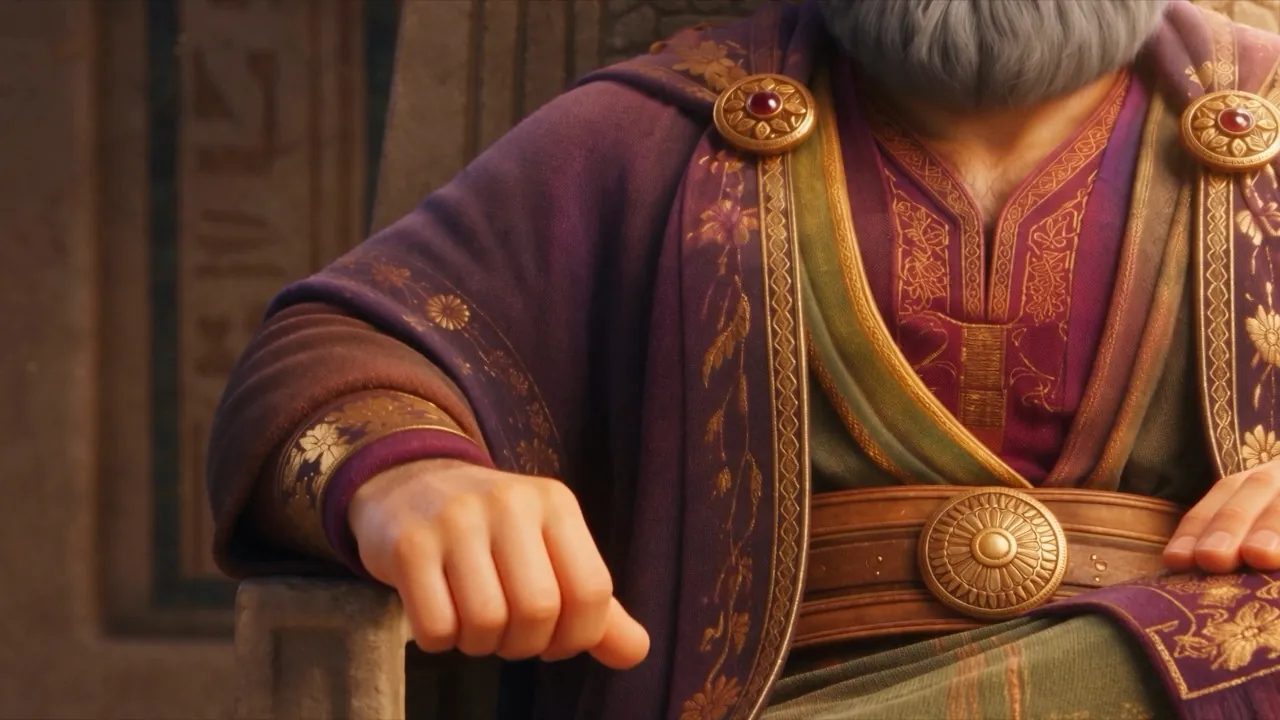



Babylon falls, Persia takes it, and the banners change overnight. The new king is Darius — a soldier, brisk, and by the standards of the job a decent enough man. He reorganises the whole empire in about three sentences: a hundred and twenty provincial governors, and three administrators over the top of them to stop the money going missing. Daniel 6 : 1–2

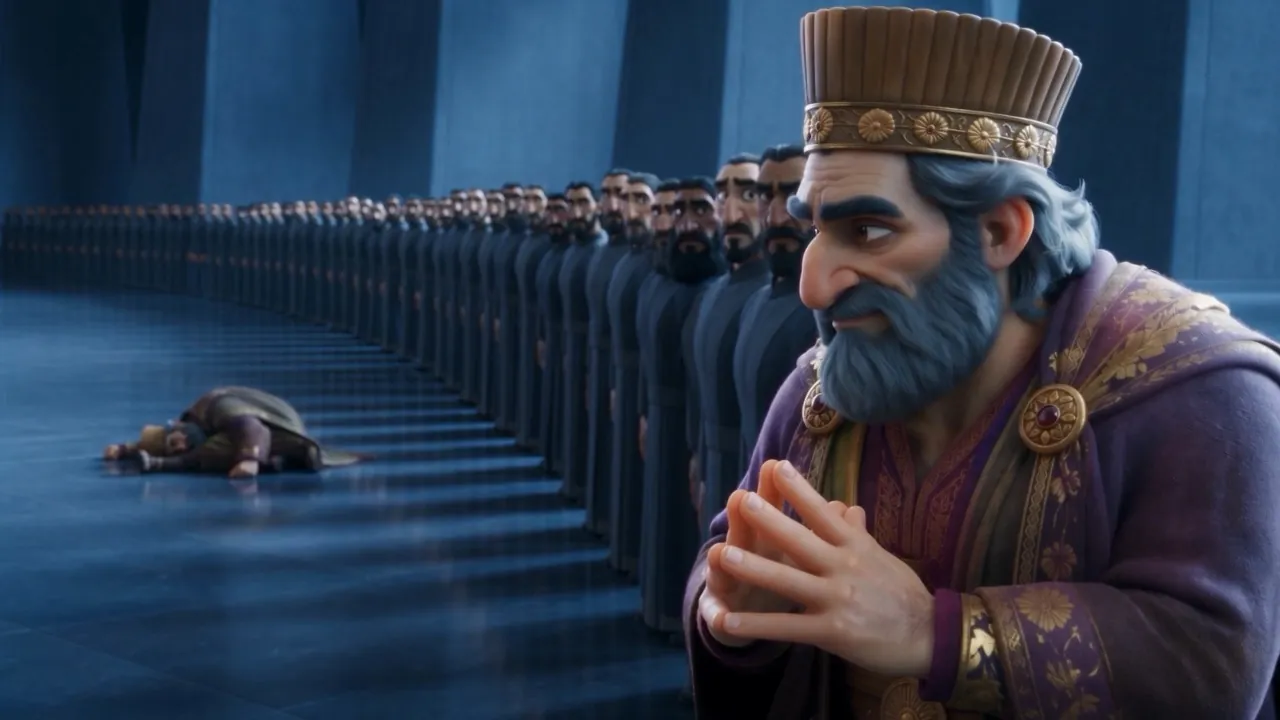


And one of the three is Daniel — a man in his eighties, from the regime the Persians have just overthrown, who is so obviously better at the job than everyone else that the king starts thinking about putting him over the entire empire. The other two administrators do that arithmetic in real time, and their faces do the thing faces do when someone is congratulating a rival: the smiles arrive, and stop at the eyes. Daniel 6 : 3–4


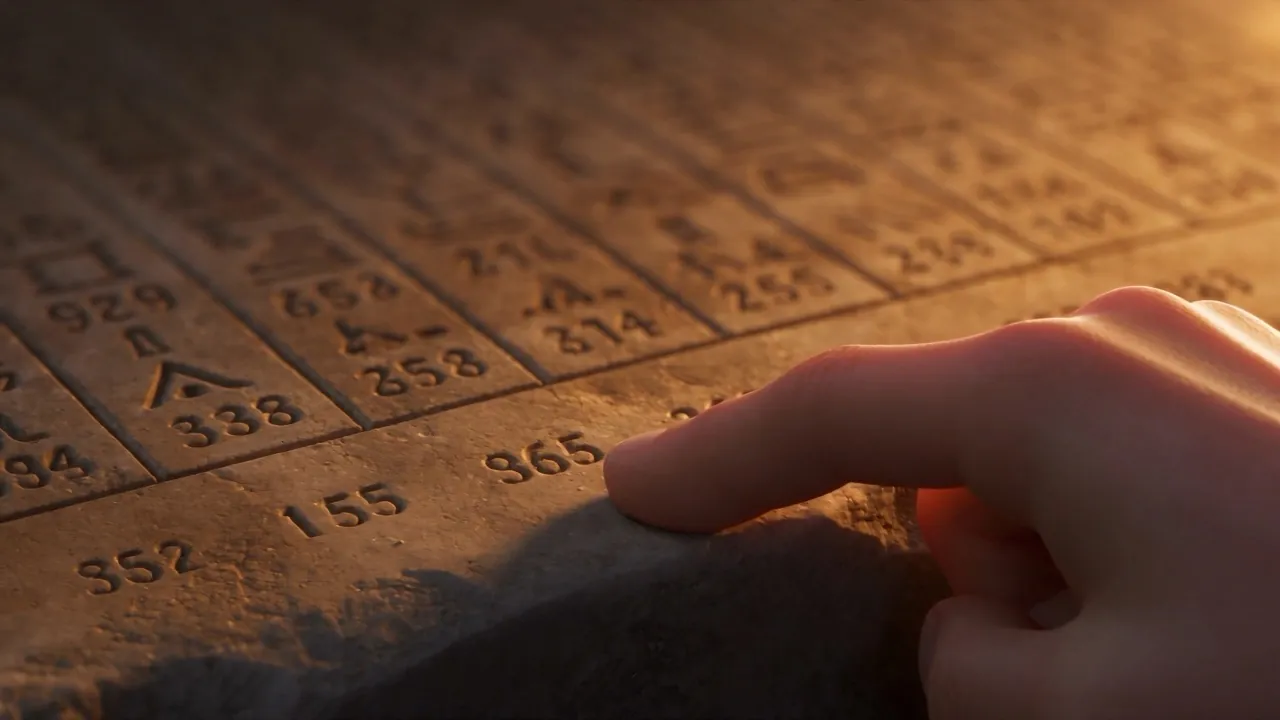

So they go looking, and they do it properly. Every ledger, every contract, every grain requisition — sixty years of a public career pulled out of the records room and gone through line by line by people who want very badly to find something. And they find nothing. They could find no occasion nor fault, because he was faithful, neither was there any error or fault found in him. Daniel 6 : 4



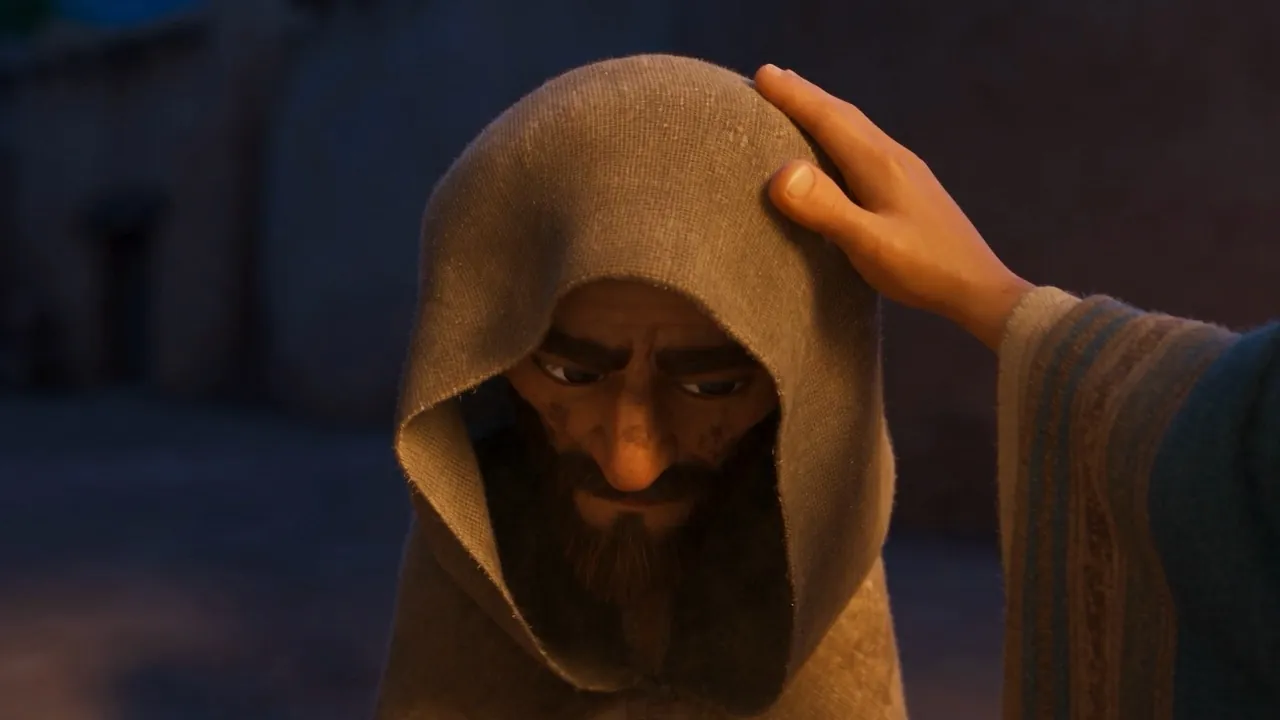
They find a witness who might know something, and he does not. They strike through line after line. And then they change method entirely: they stop auditing the man and start watching his house, from the street, through the lattice — which is how they finally find what they are looking for. Not a crime. A habit. Daniel 6 : 5
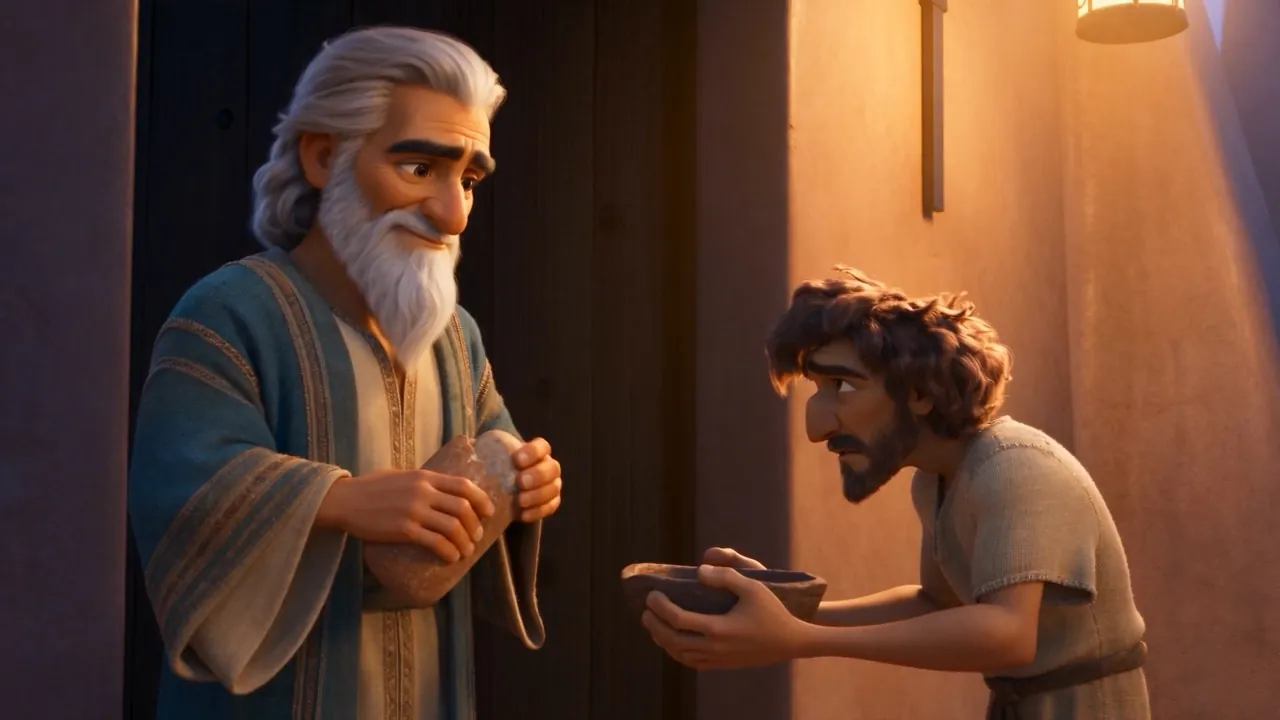



We shall not find any occasion against this Daniel, unless we find it against him concerning the law of his God. That sentence is the highest compliment anyone is paid in the entire book, and it is paid by his enemies, in private, while planning his death. There is exactly one thing in this man's life that can be used against him, and it is that he goes upstairs three times a day and prays at an open window. Daniel 6 : 5




So they draft a law whose only purpose is to make one old man's daily habit a capital offence: for thirty days, no one may petition any god or man except the king. They bring it to Darius as a compliment — a loyalty measure, a fine idea, everyone agrees — and they get him to seal it before he has stopped to ask who exactly it is aimed at. Under Persian law, once it is sealed, not even the king can unmake it. Daniel 6 : 6–9
Interlude · Your turn
The decree is sealed. Tonight the shutters are yours. What does Daniel do?
The law only catches a man who is seen — and every house on the street could close its shutters tonight.
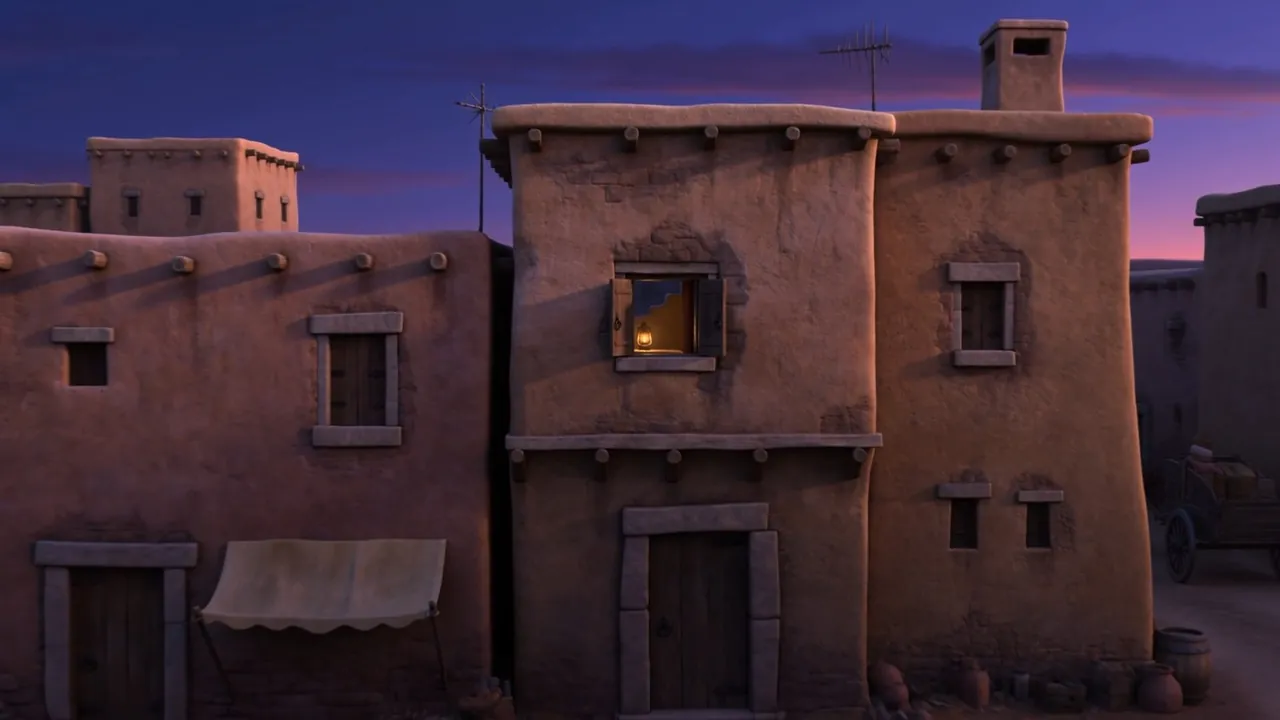
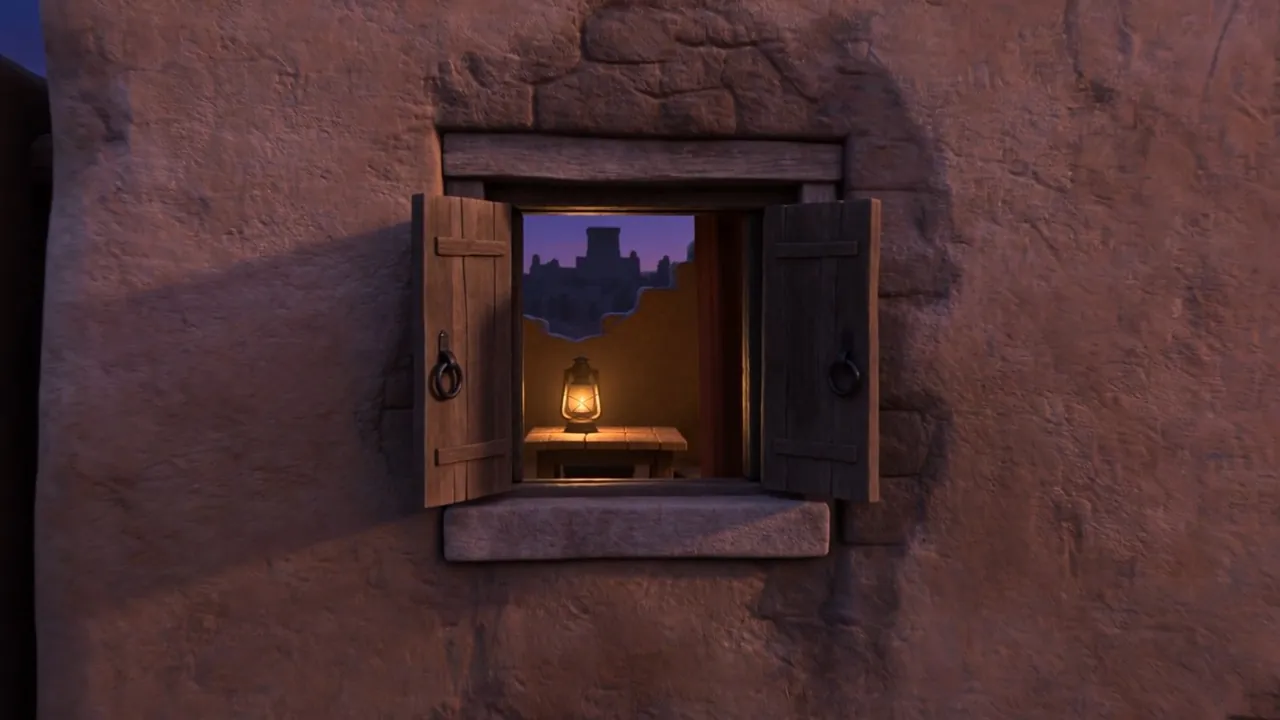
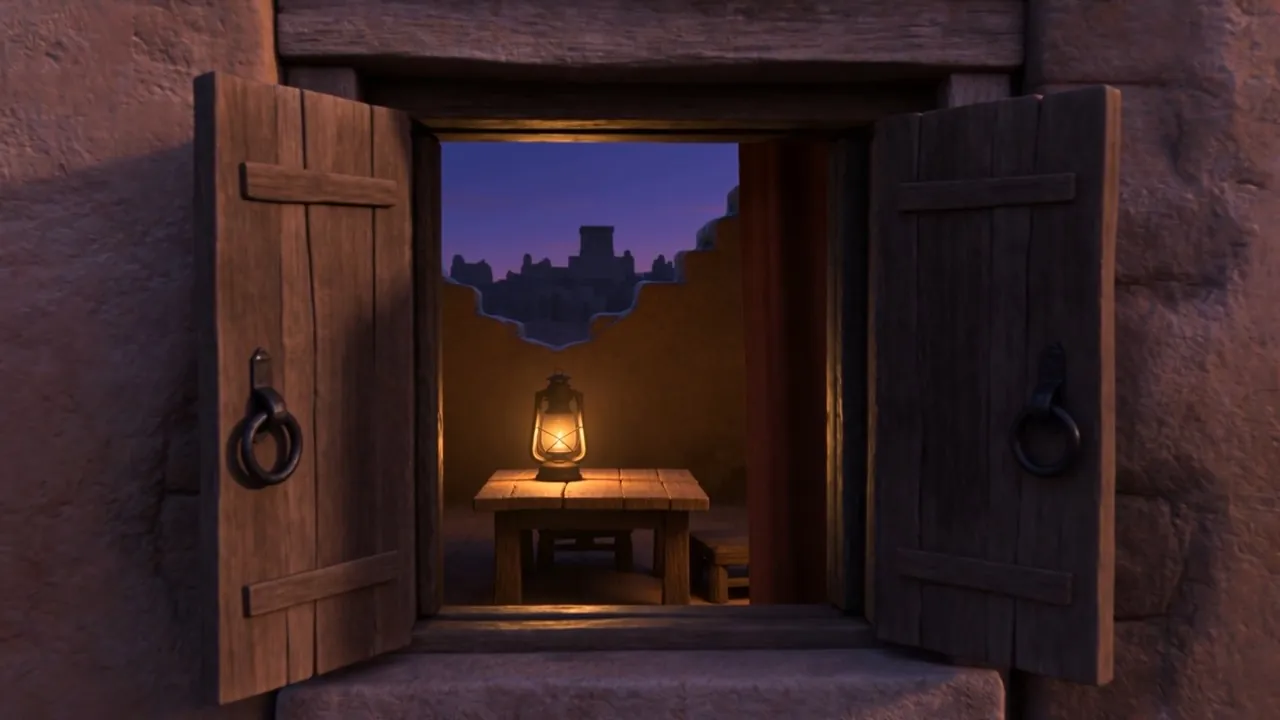
By dusk the whole quarter knows. Every house on that street could close its shutters tonight and nothing would happen to anybody — the law only catches you if you are seen. And in among all of them, one upstairs window is standing open, the way it has stood open every evening for sixty years, with a lamp lit behind it so that you could not miss it if you tried. Daniel 6 : 10
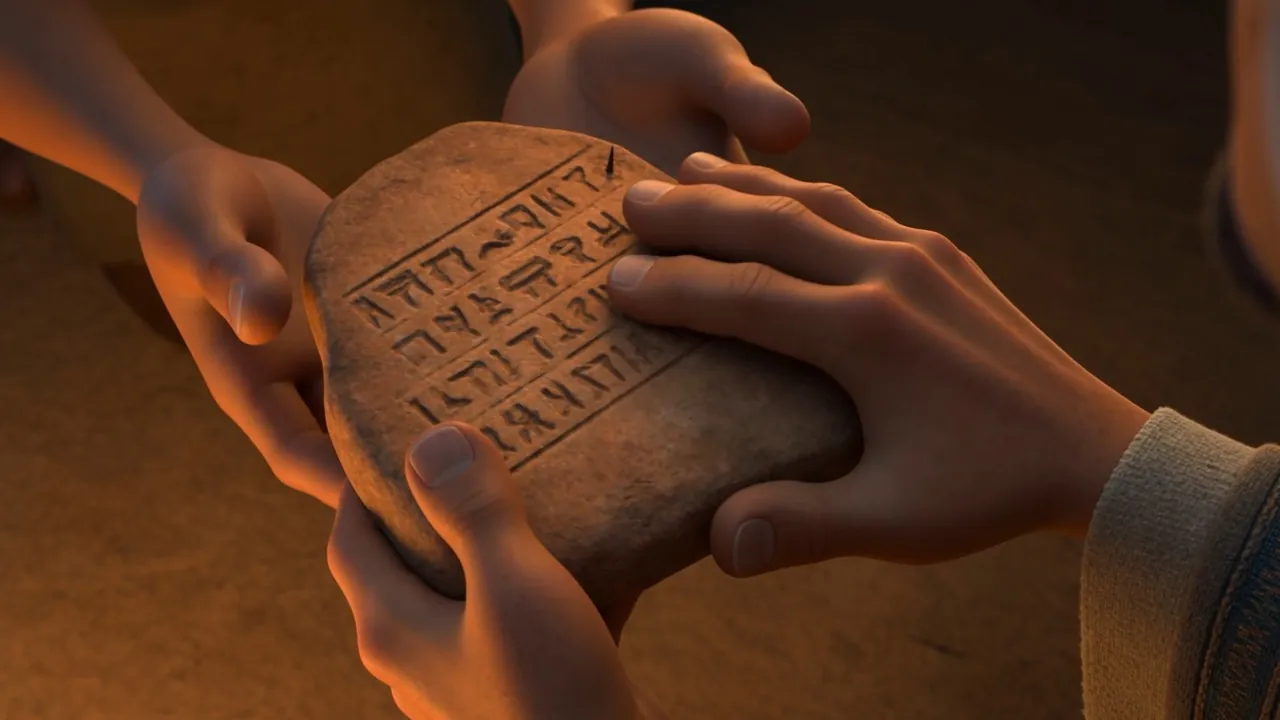


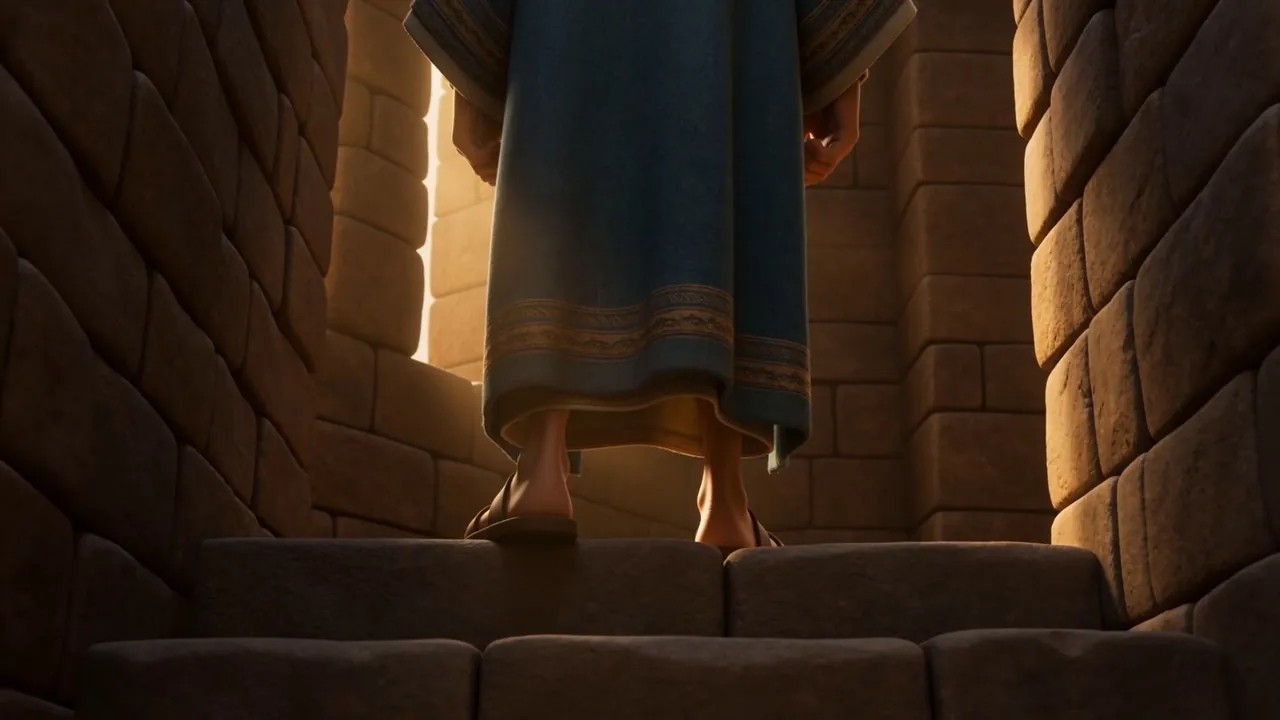
His household have read the decree and they are frightened, and he tells them not to be — and the picture holds on his feet going up the stairs, old sandals on worn steps, at exactly the pace he climbed them yesterday. That is the whole argument of the scene. Nothing is being staged and nothing is being rushed. He is going upstairs at the usual time to do the usual thing. Daniel 6 : 10
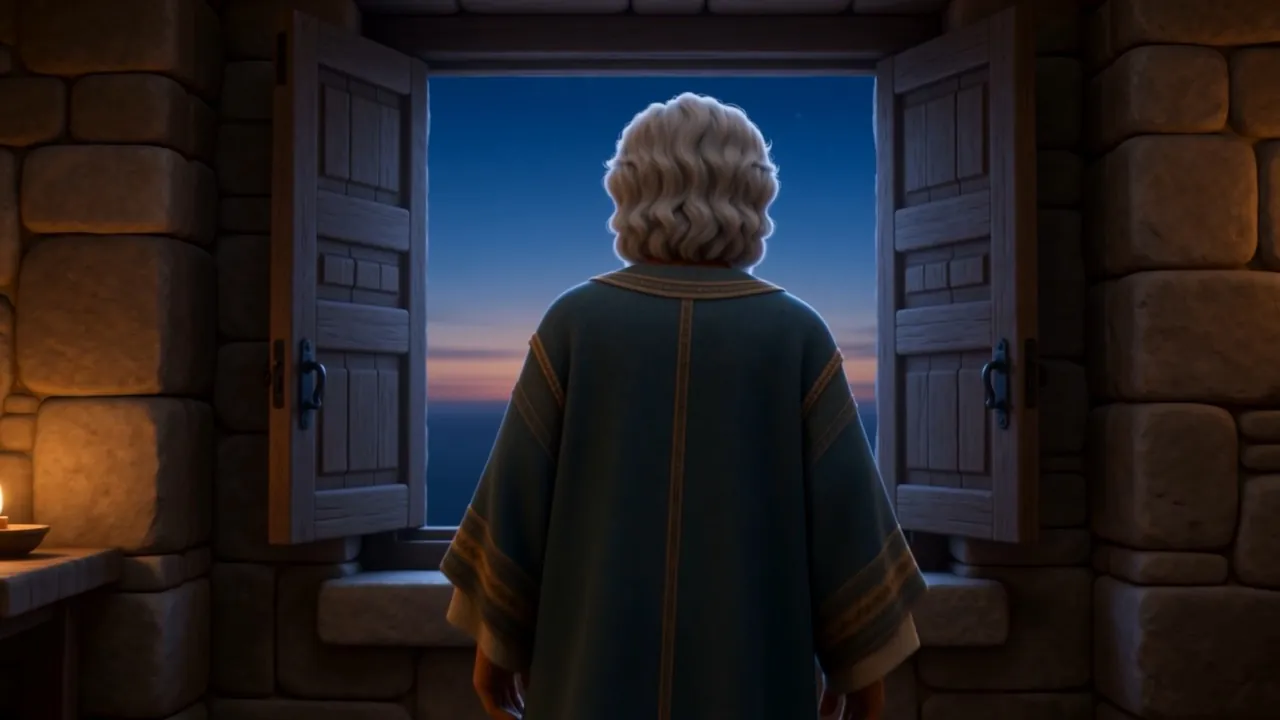

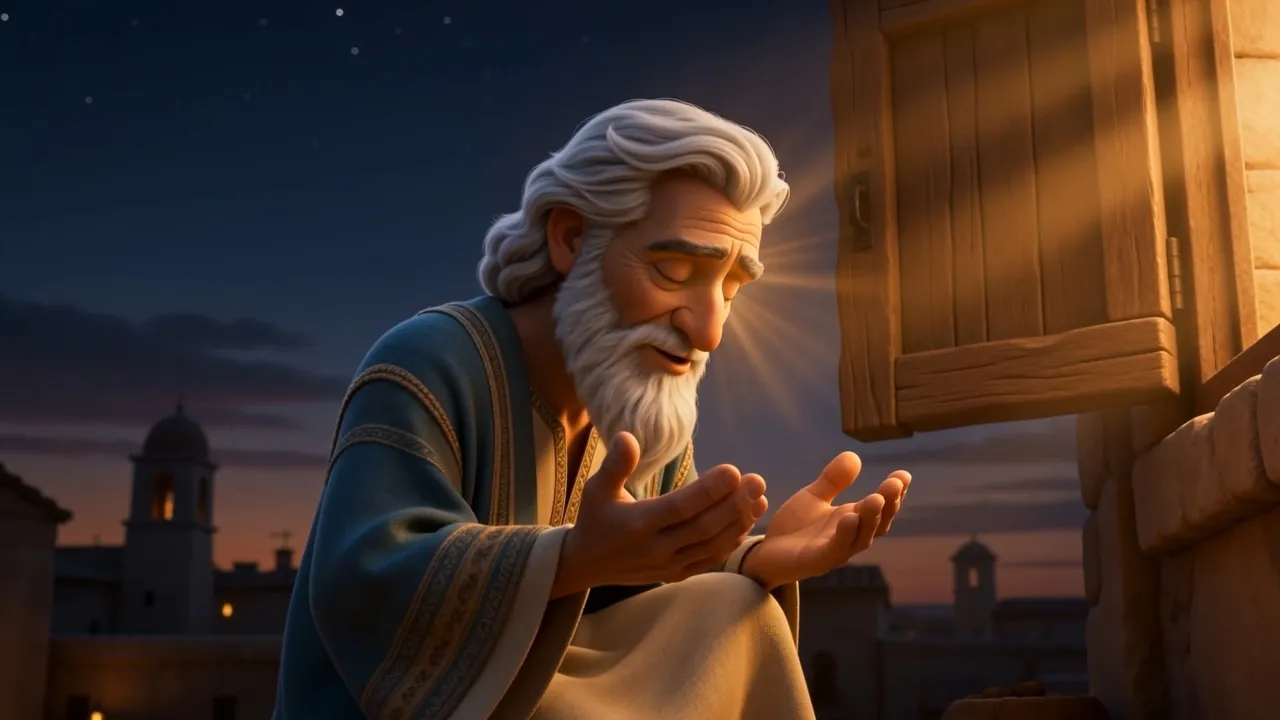


And then the sentence the whole chapter turns on, with its four quiet words at the end: he kneeled on his knees three times a day, and prayed, and gave thanks before his God, as he did before. Not more devoutly. Not defiantly. Not less. He opens the shutters wider rather than narrower, lights the lamp, kneels, and prays exactly as he has always prayed — and the reason it is unanswerable is that there is nothing new in it at all. Daniel 6 : 10
He kneeled on his knees three times a day, and prayed, and gave thanks before his God, as he did before.





They are in the street below and they have been there since sunset, and they get what they came for in under a minute. Then they go to the palace in a body, wearing grief like a coat, and remind the king first of all that a Persian decree cannot be revoked — and only then mention, with enormous regret, who has broken it. The trap is not the law. The trap is the order they say it in. Daniel 6 : 11–13


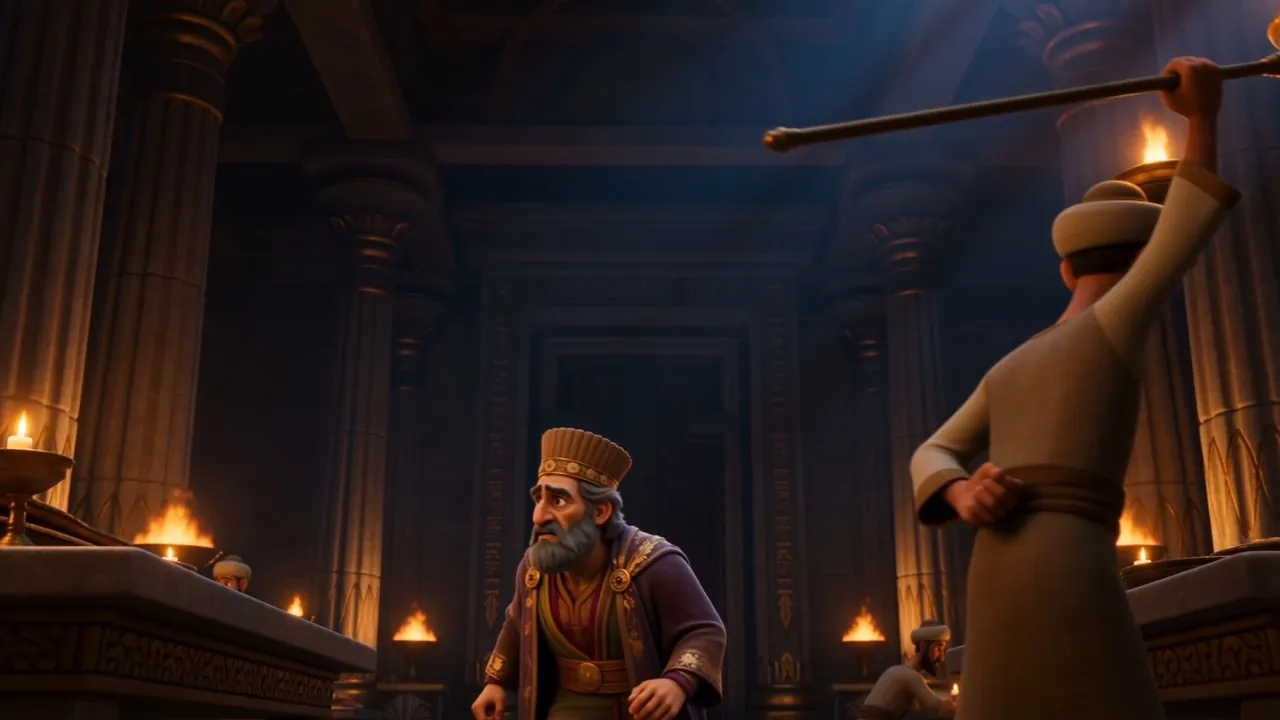


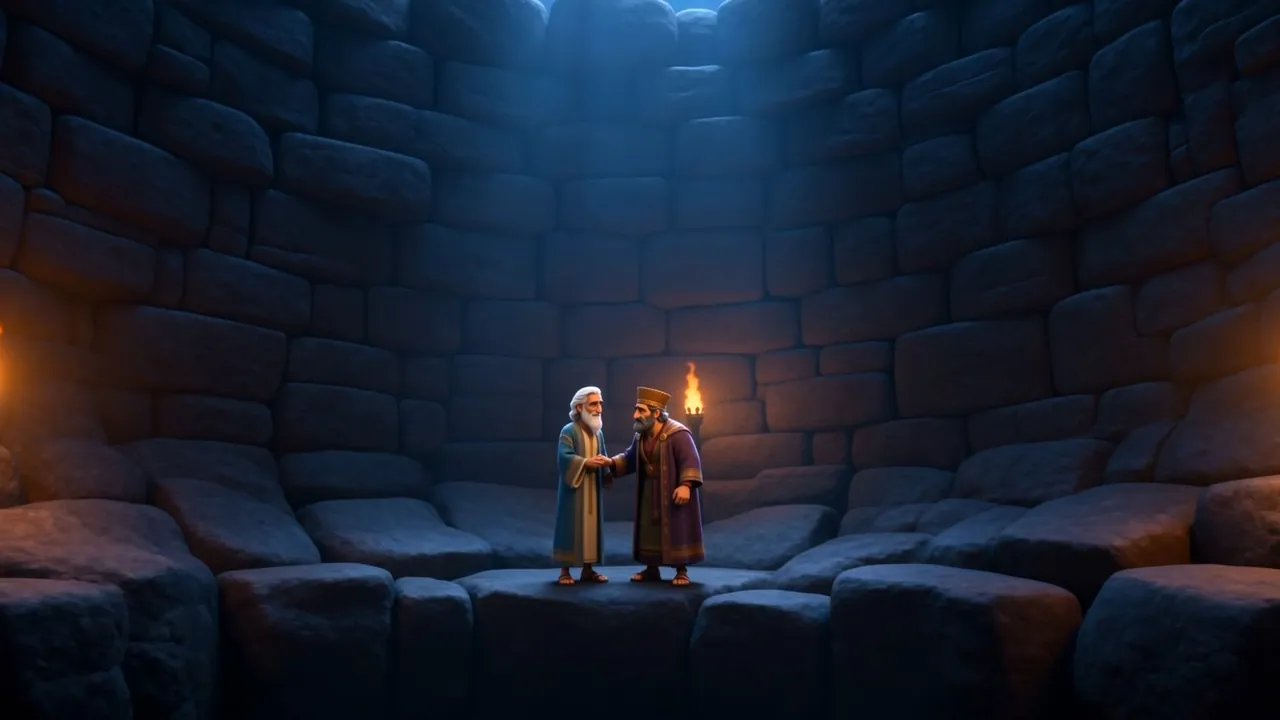
And Darius is horrified — not at Daniel, at himself. He laboured until the going down of the sun to rescue him. A whole working day of an emperor hunting for a loophole in a law he was flattered into signing that morning. There is none. And at the mouth of the pit it is the king, not Daniel, who needs to say something out loud — and he is trying to convince himself. Daniel 6 : 14–16






The stone goes over the pit and is sealed twice — once with the king's ring and once with his lords', so neither side can interfere. Then Darius walks back alone, refuses his supper, sends away the musicians, and does not sleep. And somewhere in the small hours the man whose own decree made praying to anyone else a capital crime says something out loud, in the dark, to a God who is not himself. Daniel 6 : 17–18
After the story
He opened the shutters wider, not narrower.
What makes this chapter extraordinary is how little Daniel does. He makes no speech, stages no protest, and does not once mention the decree. He simply goes upstairs at the usual time and prays the way he has prayed for sixty years — and the four words the text adds at the end of that sentence, "as he did before", are the entire argument. A habit built quietly over decades, when it cost nothing, turned out to be the thing that could not be bargained away when it cost everything. And the highest compliment paid to anyone in the book is paid by the men trying to kill him, in private, when there was no reason to lie: we will not find anything against this man unless we find it in the law of his God.
Voices of the open window · hover or tap to turn
Daniel
"He kneeled on his knees three times a day, and prayed, and gave thanks before his God, as he did before."
— Daniel 6:10
The Plotters
"We won't find any occasion against this Daniel, unless we find it against him concerning the law of his God."
— Daniel 6:5
King Darius
"Your God whom you serve continually, he will deliver you."
— Daniel 6:16The Book of Daniel
How closely were you watching?
1. Why do the other administrators want Daniel gone?
Daniel 6:3–4. He is so much better at the job that the king is considering promoting him over everyone, and they do that arithmetic immediately.
2. What does their investigation of his career turn up?
Daniel 6:4. So they conclude they will only find something against him in the law of his God — the highest compliment in the book, paid by his enemies.
3. What does the decree actually forbid?
Daniel 6:7. It is written for exactly one man's daily habit, and Darius is flattered into sealing it before he asks who it targets.
4. What does Daniel do when he learns of it?
Daniel 6:10. The four words at the end of that verse — "as he did before" — are the whole point. Nothing about it is new.
What this story teaches
Integrity is what an audit finds.
They went through sixty years of ledgers wanting badly to find something, and there was nothing to find. That is not a personality trait; it is the residue of thousands of small decisions made when nobody was checking.
"They could find no occasion or fault, because he was faithful." Daniel 6:4Build the habit before you need it.
He did not decide what to do about the decree. The decision had been made three times a day for sixty years, and by the time the law arrived there was nothing left to deliberate.
"He kneeled on his knees three times a day, and prayed, and gave thanks before his God." Daniel 6:10"As he did before".
Not more devoutly, not defiantly, not less. The reason his response is unanswerable is that there is nothing new in it — no protest, no speech, no gesture. Just Tuesday.
"When Daniel knew that the writing was signed, he went into his house… as he did before." Daniel 6:10Read the scripture itself. Daniel 6 · World English Bible
Daniel 6
1It pleased Darius to set over the kingdom one hundred twenty satraps, who should be throughout the whole kingdom;
2and over them three presidents, of whom Daniel was one; that these satraps might give account to them, and that the king should suffer no loss.
3Then this Daniel was distinguished above the presidents and the satraps, because an excellent spirit was in him; and the king thought to set him over the whole realm.
4Then the presidents and the satraps sought to find occasion against Daniel as touching the kingdom; but they could find no occasion or fault, because he was faithful. There wasn’t any error or fault found in him.
5Then these men said, “We won’t find any occasion against this Daniel, unless we find it against him concerning the law of his God.”
6Then these presidents and satraps assembled together to the king, and said thus to him, “King Darius, live forever!
7All the presidents of the kingdom, the deputies and the satraps, the counselors and the governors, have consulted together to establish a royal statute, and to make a strong decree, that whoever asks a petition of any god or man for thirty days, except of you, O king, he shall be cast into the den of lions.
8Now, O king, establish the decree, and sign the writing, that it not be changed, according to the law of the Medes and Persians, which doesn’t alter.”
9Therefore king Darius signed the writing and the decree.
10When Daniel knew that the writing was signed, he went into his house (now his windows were open in his room toward Jerusalem) and he kneeled on his knees three times a day, and prayed, and gave thanks before his God, as he did before.
11Then these men assembled together, and found Daniel making petition and supplication before his God.
12Then they came near, and spoke before the king concerning the king’s decree: “Haven’t you signed a decree that every man who makes a petition to any god or man within thirty days, except to you, O king, shall be cast into the den of lions?” The king answered, “This thing is true, according to the law of the Medes and Persians, which doesn’t alter.”
13Then they answered and said before the king, “That Daniel, who is of the children of the captivity of Judah, doesn’t respect you, O king, nor the decree that you have signed, but makes his petition three times a day.”
14Then the king, when he heard these words, was very displeased, and set his heart on Daniel to deliver him; and he labored until the going down of the sun to rescue him.
15Then these men assembled together to the king, and said to the king, “Know, O king, that it is a law of the Medes and Persians, that no decree nor statute which the king establishes may be changed.”
16Then the king commanded, and they brought Daniel, and cast him into the den of lions. The king spoke and said to Daniel, “Your God whom you serve continually, he will deliver you.”
17A stone was brought, and laid on the mouth of the den; and the king sealed it with his own signet, and with the signet of his lords; that nothing might be changed concerning Daniel.
18Then the king went to his palace, and passed the night fasting. No musical instruments were brought before him; and his sleep fled from him.
19Then the king arose very early in the morning, and went in haste to the den of lions.
20When he came near to the den to Daniel, he cried with a troubled voice. The king spoke and said to Daniel, “Daniel, servant of the living God, is your God, whom you serve continually, able to deliver you from the lions?”
21Then Daniel said to the king, “O king, live forever!
22My God has sent his angel, and has shut the lions’ mouths, and they have not hurt me; because as before him innocence was found in me; and also before you, O king, I have done no harm.”
23Then the king was exceedingly glad, and commanded that they should take Daniel up out of the den. So Daniel was taken up out of the den, and no kind of harm was found on him, because he had trusted in his God.
24The king commanded, and they brought those men who had accused Daniel, and they cast them into the den of lions, them, their children, and their wives; and the lions mauled them, and broke all their bones in pieces, before they came to the bottom of the den.
25Then king Darius wrote to all the peoples, nations, and languages, who dwell in all the earth: “Peace be multiplied to you.
26“I make a decree that in all the dominion of my kingdom men tremble and fear before the God of Daniel; “for he is the living God, and steadfast forever. His kingdom is that which will not be destroyed. His dominion will be even to the end.
27He delivers and rescues. He works signs and wonders in heaven and in earth, who has delivered Daniel from the power of the lions.”
28So this Daniel prospered in the reign of Darius, and in the reign of Cyrus the Persian.
World English Bible (WEB) — a public-domain modern English translation. Read it freely, share it freely.
The Book of Daniel — animated film 40% in production
These scenes are real frames from the film.
Help us finish it — and every story like it — free for the world.